
Q2 Earnings Preview: AI Demand Supports 66% Gross Margin, 2nm Ramp Becomes Long-term Key Variable
TSMC will hold its Q2 2026 earnings call on July 16 at 14:00 Taiwan time, entering a quiet period from July 6 to 15. The focus has shifted beyond simple revenue growth: the market will directly verify three questions—whether AI orders remain strong, whether the 2nm ramp is on track, and whether the gross margin near 66% can hold.
Q1 Results and Q2 Guidance: AI/HPC Demand Remains the Core Engine
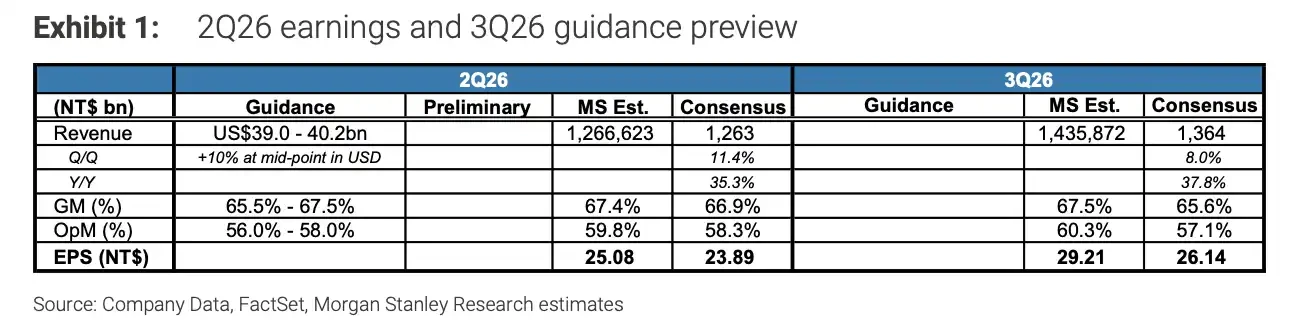
TSMC delivered strong Q1 results: USD revenue of $35.9 billion, gross margin of 66.2%, and operating margin of 58.1%. In NTD terms, Q1 revenue was NT$1.134 trillion, net profit NT$572.48 billion, and EPS NT$22.08, up 35.1% and 58.3% YoY respectively. Q2 guidance calls for USD revenue of $39.0-40.2 billion and gross margin of 65.5%-67.5%.
Monthly revenue signals strong demand: May 2026 revenue was NT$416.975 billion, up 30.1% YoY; cumulative Jan-May revenue reached NT$1.9618 trillion, up 30.0% YoY. However, revenue growth does not automatically translate to profit expansion—early-stage advanced node expansion brings equipment costs, higher depreciation, and yield learning costs.
The Gross Margin Battle: Capex, Depreciation, and Overseas Fabs
Morgan Stanley estimates TSMC's Q2 gross margin at 67.4%, at the high end of the company's guidance. TSMC has guided full-year 2026 capex to the high end of $52-$56 billion, indicating management sees not short-term order fluctuations but a long-term capacity gap driven by AI/HPC demand. Higher capex helps secure future orders but also increases depreciation costs; overseas fabs in the US, Japan, and Germany disperse geopolitical risk but introduce higher operating complexity and supply chain costs.

Thus, capex near the upper bound is a double-edged sword—expanding the lead during strong demand, but turning into margin pressure during a slowdown. This is why the market repeatedly questions gross margin sustainability.

2nm: The Critical Variable for Future Competitiveness
Beyond Q2 results, 2nm (N2) is TSMC's most important technology inflection. Management stated that N2 entered high-volume production in Q4 2025, ramping at Hsinchu and Kaohsiung for smartphones and HPC/AI. The market cares less about whether it ramps than about the speed of output increase, yield improvement, and whether initial customer demand can cover the heavy capital investment.
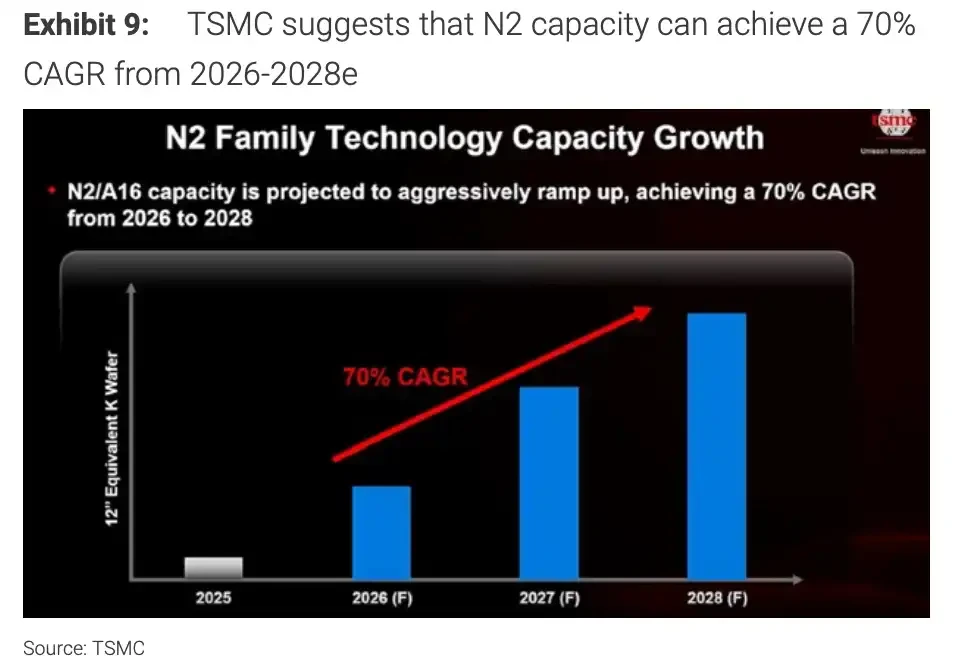
TSMC expects N2/A16 capacity to ramp quickly from 2026 to 2028, with a CAGR of about 70%. A smooth 2nm ramp allows TSMC to maintain advanced-node supply leverage during the AI demand peak; any yield or equipment delivery hiccups could pressure gross margin even if revenue continues to grow.

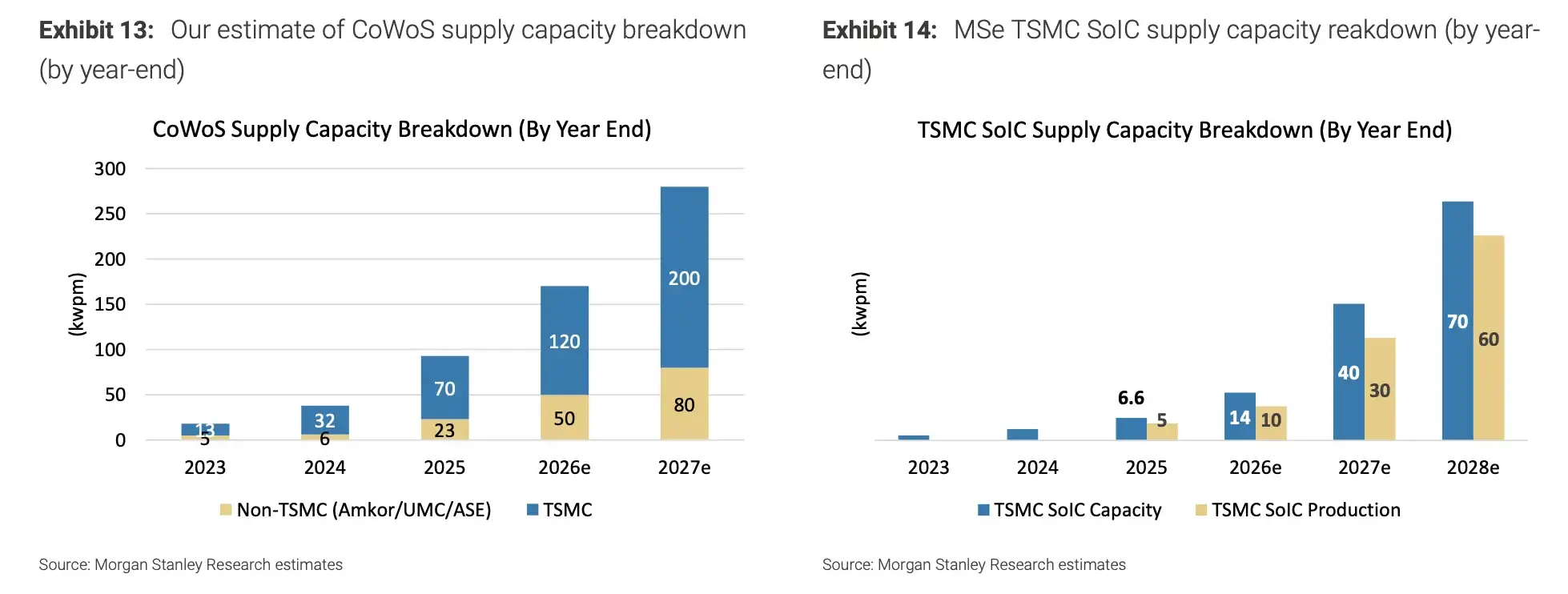
In the July 16 earnings call, management's language on H2 AI/HPC demand, advanced packaging (CoWoS, SoIC), 2nm progress, capex plans, and gross margin outlook will matter more than a single quarter's data in determining market confidence in the AI hardware chain. TSMC's current strength is built on the chain of AI/HPC demand, advanced node tightness, and high-capex expansion—the risk lies in the same chain: any miss in demand, pricing, yield, depreciation, or overseas execution will first challenge the near-66% gross margin.