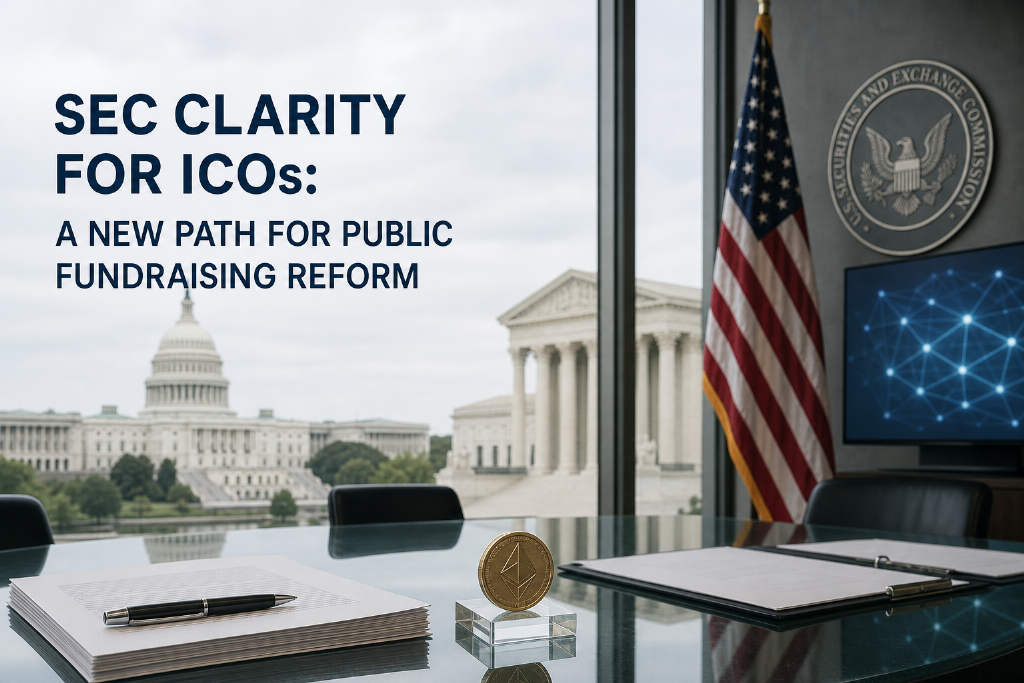
Tyler Winklevoss said a proposed "Regulation Crypto Assets" framework would let crypto projects raise money from the public after meeting disclosure requirements. In his view, that would settle the long-running argument over whether all crypto assets should be treated as securities and give builders more room to focus on development. The input also notes that U.S. regulators have long placed most tokens under securities law, leaving projects with uncertainty around fundraising and compliance. If adopted, the framework could create a clearer route for public capital raising by crypto projects and support more compliant industry growth.
Techub News reported that Tyler Winklevoss said on X that the "Regulation Crypto Assets" framework would allow crypto projects to raise funds from the public after fulfilling disclosure obligations.
He said that would end the dispute over whether "all cryptocurrencies are securities," adding that builders could finally focus on development.
A clearer route for public fundraising
According to the input, U.S. regulators have long treated most tokens as falling under securities law, leaving projects facing uncertainty in both fundraising and compliance. If the new rules take effect, they could provide a clearer path for public fundraising by crypto projects and help move the sector toward compliance.
This article was originally published by Bit.Fan. For more cryptocurrency news and market insights, visit www.bit.fan. Disclaimer:
The market information, project data, and third-party content displayed on this platform are for industry information sharing only and do not constitute any form of investment advice or return commitment.
Cryptocurrency trading carries high risks. Users should fully assess their risk tolerance and make independent decisions. All profits, losses, and legal responsibilities are borne by the users themselves.