

Unitree IPO subscribers are staring at a wide price gap
Foresight says investors subscribed to Unitree shares at RMB 150.80 each, but those shares cannot be sold before the company lists. At the same time, UNITREE perpetuals are already trading in the market at around RMB 585.60.
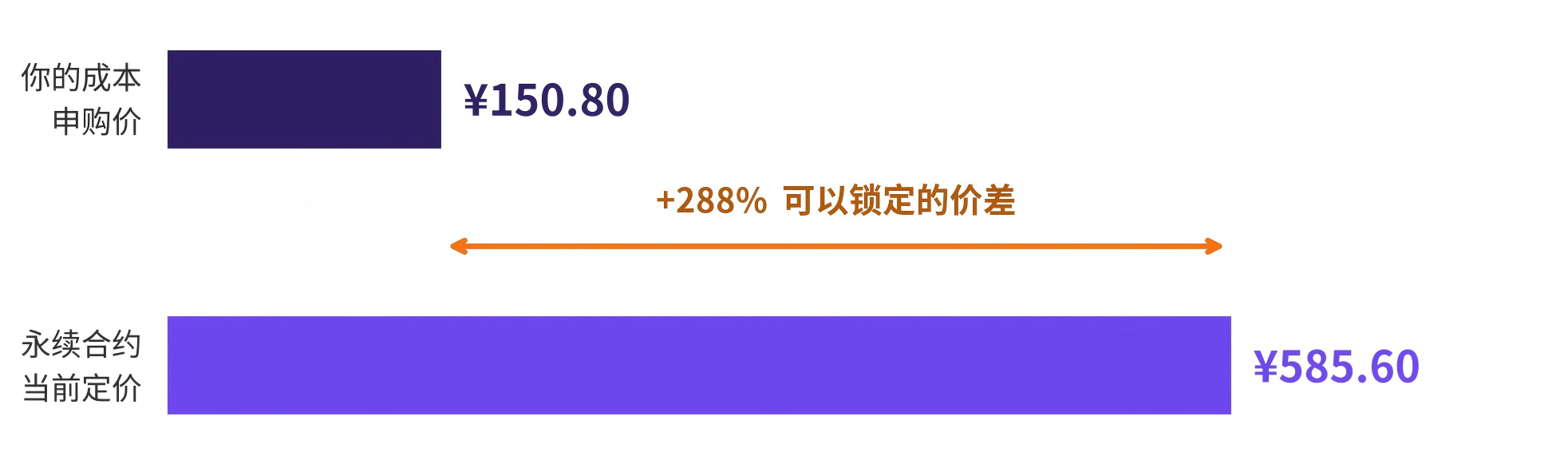
That gap, the article says, creates a hedge. Before the stock is officially listed and becomes tradable, investors can open a short position in UNITREE perpetuals to lock in part of the expected gain and reduce exposure to post-listing price swings.
Why a short perpetual can offset the stock position
The IPO shares are described as a long position. If Unitree lists higher, the value of those shares rises. A short position in UNITREE perpetuals moves in the opposite direction.
By shorting roughly equivalent exposure, gains or losses on the perp can offset changes in the stock. If Unitree opens below RMB 585.60, the short makes money. If it opens above RMB 585.60, the stock gains more value, but the short loses.
The trade-off is straightforward: the hedge reduces downside risk, but it also gives up some upside if Unitree rallies sharply after listing.
How the article says to set up the trade
The first step is to choose the market. For larger trade sizes, the article points to the UNITREEUSDC market. If a trader holds USDT and the position is smaller, it suggests using UNITREEUSDT.
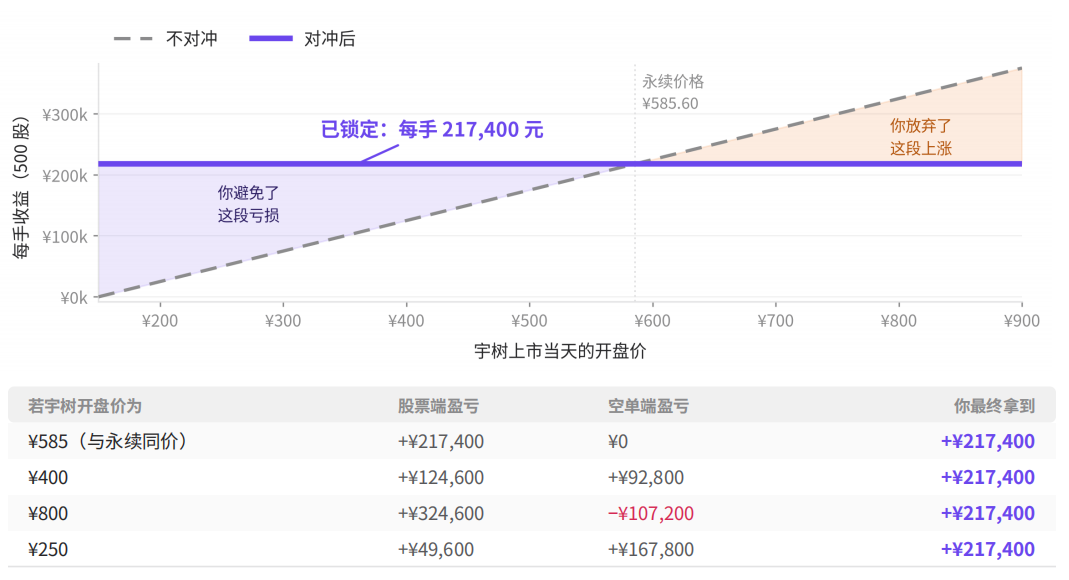
Next comes sizing. Using the STAR Market standard of 500 shares per lot, the article says an investor would need to short 500 contracts. That corresponds to notional exposure of about $43,400.
Leverage should stay low, the article says. At 5x leverage, the required margin is $8,680. It recommends depositing at least twice that amount to keep the position farther from liquidation and improve the safety buffer.
After listing, the hedge can be closed when perpetual prices converge with the actual stock price. At that point, the short can be closed and the shares can be sold. Investors who only want partial protection can short 250 contracts instead of 500; the article says most people hedge 50% to 75%.
A CXMT case the article uses as a reference
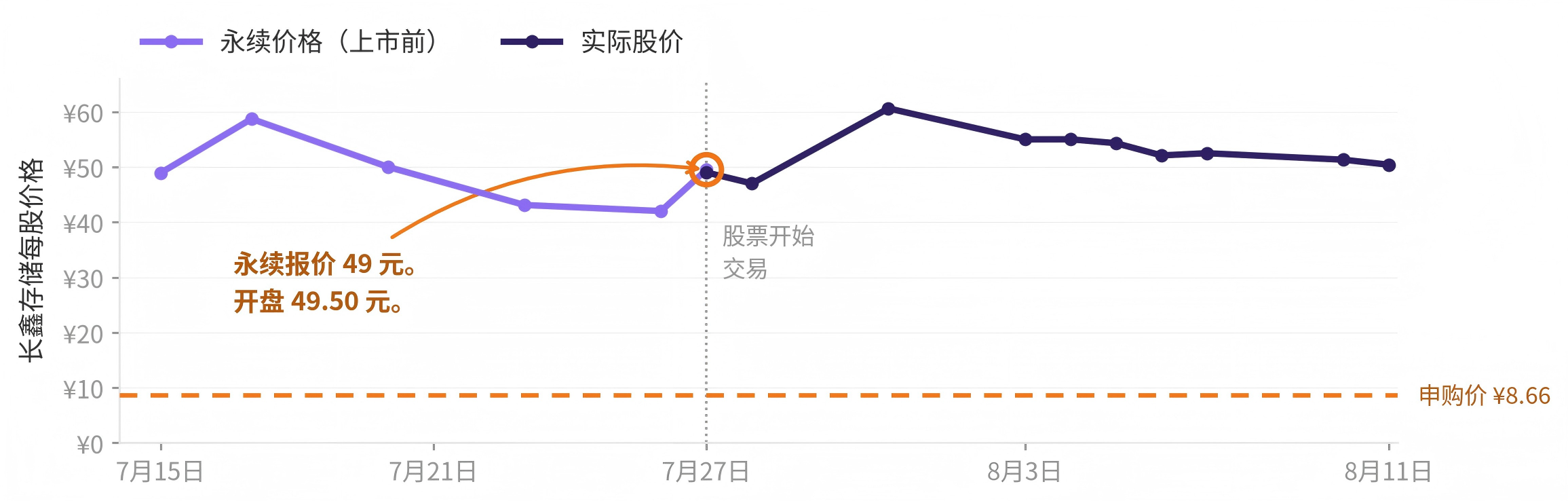
The piece points to CXMT as a previous example. Before its listing, CXMT perpetuals traded at about RMB 49, while the stock opened on its first day at around RMB 49.50. That, the article says, shows how pre-listing perpetuals can sit close to the eventual opening price.
The CXMT valuation path listed in the article is 5.7x for the perpetual market, 5.7x on first-day listing valuation, and 5.8x for the current valuation. It also says the official IPO price and the market price differed by 82%. If a hedge had been put on 12 days earlier, the lock-in price would have been RMB 48.90, while CXMT was then trading at RMB 50.40.
By comparison, the article says Unitree perpetuals are currently valued at about 3.9x, a premium level that is even lower than CXMT’s peak pre-listing level.
The risks the article flags
The first is liquidity risk. The article says daily trading volume is about $12,000, while the USDC market size is around $2.28 million. It advises using USDC where possible and always placing limit orders.
The second is price volatility risk. The article warns that the price can re-anchor by 50% in a single step. A 5x short could be liquidated by one fast rally even if the price later retraces, so a large margin buffer is needed.
The third is unconfirmed allocation risk. Hedging should only be done after an investor confirms they have received a Unitree IPO allocation. Otherwise, the short becomes an outright naked short position with added risk.
The article’s bottom line
If an investor bought Unitree at RMB 150.80 and the perpetual contract is trading near RMB 585.60, shorting UNITREE perpetuals before the stock lists may help protect that market spread, the article says. The cost is giving up part of the upside if the stock lists far above expectations, but the benefit is greater certainty around an asset value that is already being priced by the market.
The article says the price data are as of Aug. 11, 2026, and that it is not investment advice.