US Senator Kirsten Gillibrand has proposed a restriction that would prohibit members of Congress, the US president, and their spouses from issuing or sponsoring their own digital assets. The proposal places memecoins and other politically affiliated tokens under renewed scrutiny, especially where public office, personal branding, and market influence may overlap. For the crypto sector, the move highlights a growing regulatory focus on conflicts of interest tied to elected officials and their direct involvement in token creation or promotion.
Gillibrand targets elected officials’ involvement in digital asset issuance
According to Cointelegraph, US Senator Kirsten Gillibrand has proposed a restriction that would bar members of Congress, the US president, and their spouses from “issuing or sponsoring their own digital assets”. Based on the available summary, the proposal is aimed at preventing elected officials from directly launching, backing, or promoting memecoins and other personally affiliated crypto assets.
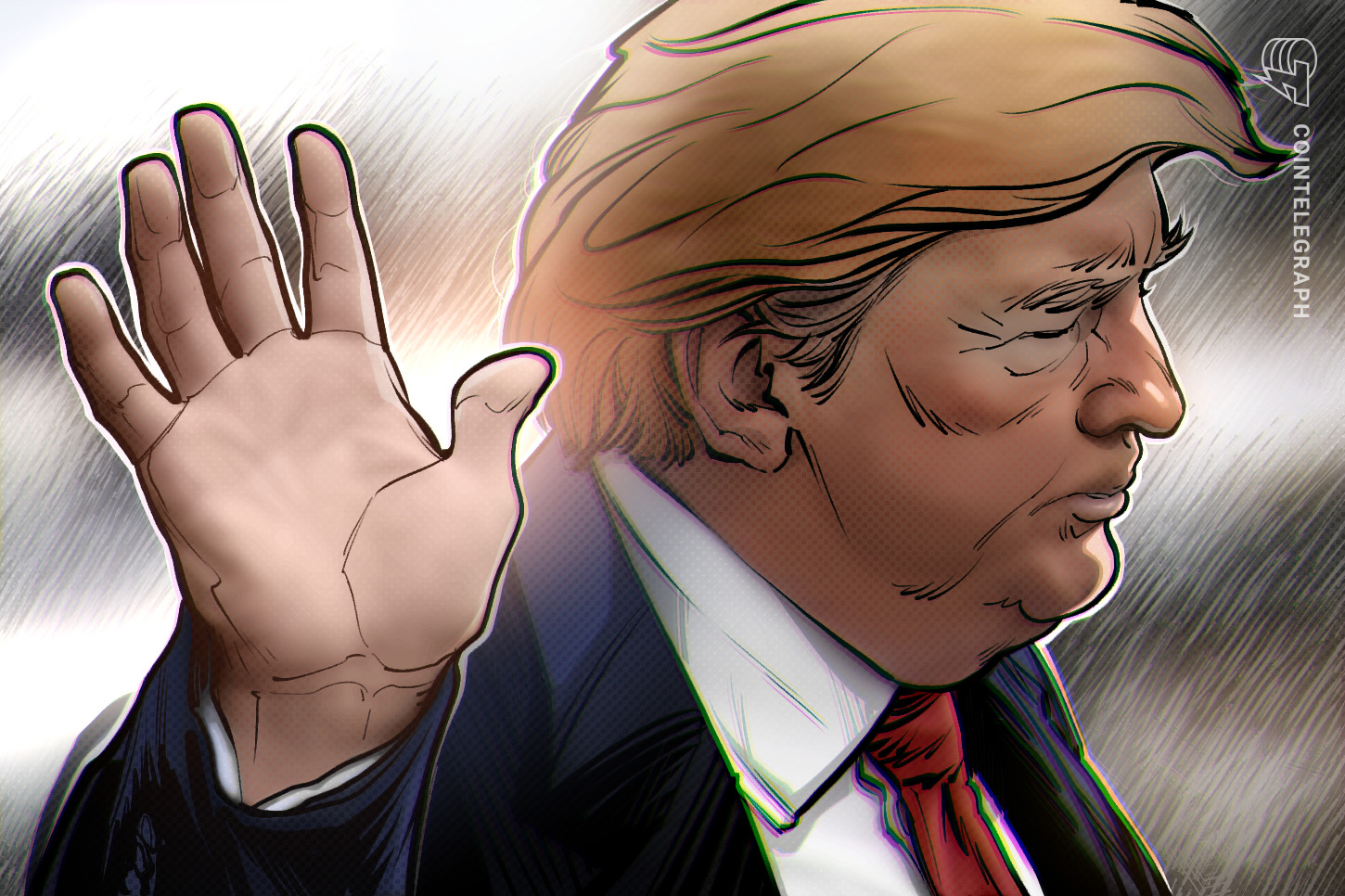
The scope described in the report is specific: it would apply to members of Congress, the US president, and their spouses. For crypto market participants, the proposal underscores increasing policy sensitivity in the United States around conflicts of interest, political influence over token markets, and the risks created when public officials are tied to asset issuance or promotion. Source: Cointelegraph — https://cointelegraph.com/news/us-senator-ban-elected-officials-memecoins?utm_source=rss_feed&utm_medium=rss&utm_campaign=rss_partner_inbound
This article was originally published by Bit.Fan. For more cryptocurrency news and market insights, visit www.bit.fan. Disclaimer:
The market information, project data, and third-party content displayed on this platform are for industry information sharing only and do not constitute any form of investment advice or return commitment.
Cryptocurrency trading carries high risks. Users should fully assess their risk tolerance and make independent decisions. All profits, losses, and legal responsibilities are borne by the users themselves.