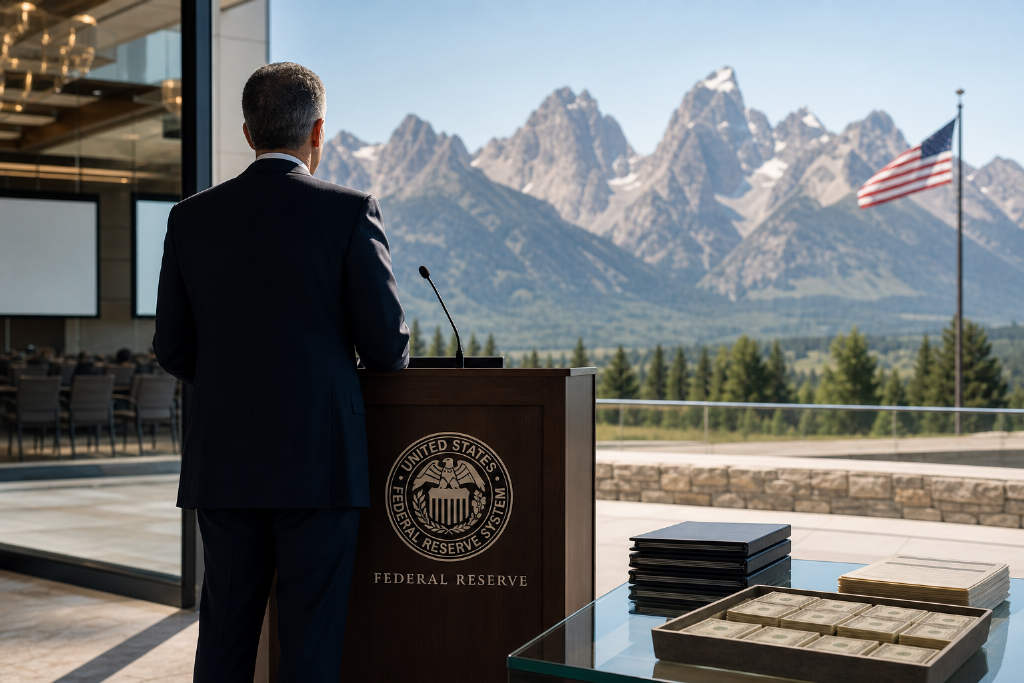
Warsh’s first Jackson Hole speech as Fed chair is drawing intense market scrutiny. Pulling together views from Morgan Stanley, JPMorgan, UBS, Barclays and Goldman Sachs, attention centers on three open questions. First, is Warsh a clear hawk or only a neutral-leaning one, and what level of inflation would convince him to support rate hikes? Markets still cannot read his policy reaction function. Second, will he adjust the Fed’s policy framework — inflation targeting, the balance sheet, forward guidance, AI’s productivity impact and the quality of economic data? Morgan Stanley argues those longer-term debates could carry more weight than the September decision on a 25 basis point hike. Third, how does he handle potential policy tension with the Treasury, which is expanding long-dated bond buybacks to lower financing costs, while a Fed keeping rates high to fight inflation would keep long-end yields elevated? The speech could serve as the occasion for Warsh to explain how the two sides coordinate, according to Jin10.
Federal Reserve Chair Warsh’s first Jackson Hole speech is drawing intense market scrutiny. Aggregating views from Morgan Stanley, JPMorgan, UBS, Barclays and Goldman Sachs, attention converges on three open questions.
Hawkish or not — and what it takes to hike
The biggest unknown: is Warsh a clear hawk, or merely leaning hawkish from neutral? Markets still cannot read his policy reaction function — specifically, what inflation level would trigger his support for a rate increase.
Framework reset in focus
The second question is whether Warsh will adjust the Fed’s framework — inflation targeting, the balance sheet, forward guidance, AI’s impact on productivity and the quality of economic data. Morgan Stanley argues these longer-term issues could matter more than the September decision on whether to raise rates by 25 basis points.
Fed versus Treasury
The third focus is how Warsh handles potential policy frictions between the Fed and the Treasury. The Treasury is expanding buybacks of long-dated Treasuries to push long-term financing costs lower; the Fed, if it maintains high rates to control inflation, could keep long-end yields elevated. The speech could give Warsh a chance to spell out how the two sides coordinate. (Jin10)
This article was originally published by Bit.Fan. For more cryptocurrency news and market insights, visit www.bit.fan. Disclaimer:
The market information, project data, and third-party content displayed on this platform are for industry information sharing only and do not constitute any form of investment advice or return commitment.
Cryptocurrency trading carries high risks. Users should fully assess their risk tolerance and make independent decisions. All profits, losses, and legal responsibilities are borne by the users themselves.