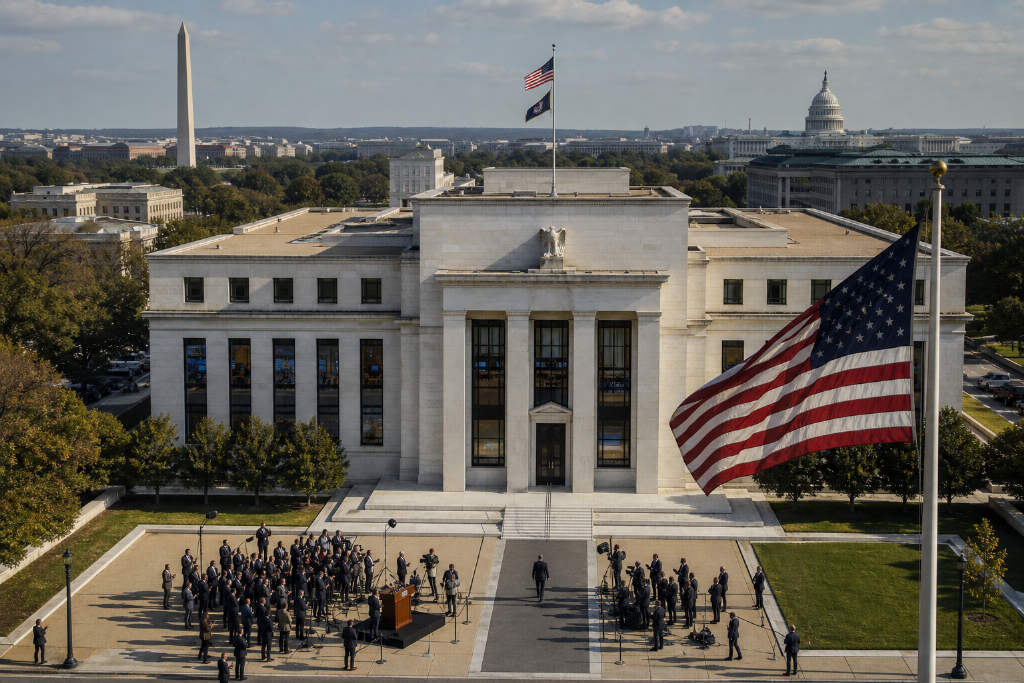
Analysts and investors are treating Federal Reserve Chair Warsh's upcoming remarks as an early test of whether he can adapt to a climate of growing unease over his policy agenda. The central bank has missed its inflation target for 65 straight months, and progress during the past year and a half has been limited. Warsh, early in his term, has repeatedly pledged to achieve the Fed's inflation goal but has not explained how, fueling calls for the central bank to adjust its priorities. Gregory Daco, chief economist at EY-Parthenon, said Warsh's public comments so far have been overly general, and that people are concerned about the Fed's independence. There is also worry that Warsh may be reluctant to discuss possible rate hikes for fear of antagonizing President Trump and his administration. Daco said Warsh must communicate more cautiously, avoiding the impression of closer coordination between the Fed and the Treasury, and avoiding any appearance of being influenced by the president's demand for rate cuts. For a new Fed chair, he added, those are not good signs. Warsh now faces a delicate trade-off: speaking too much could create expectations that become difficult to walk back, while speaking too little could cost him credibility and hand influence to other Fed officials capable of offering more detailed arguments. In either case, market volatility could follow.
Early Test for Warsh
Analysts and investors are approaching Warsh's next public remarks as an early test: whether the Fed chair is willing to adapt to a climate of growing concern about his policy plans. The central bank has now missed its inflation target for 65 consecutive months, and the past year and a half has produced only limited progress.
Vague on the Path to Target
Warsh has repeatedly promised, since taking office, that the Fed will achieve its inflation goal, but he has never detailed how. The lack of specificity has intensified market calls for the central bank to rethink its priorities.
Gregory Daco, chief economist at EY-Parthenon, argues that Warsh's earlier comments were almost entirely generic. In Daco's view, people worry about the Fed's independence, and they also ask whether Warsh is staying away from the subject of rate hikes because he does not want to provoke Trump and his administration.
The economist says Warsh now needs to be much more careful in communication, making sure he does not give the impression that the Fed and the Treasury could coordinate more closely, and making sure he does not appear to bend to presidential pressure for rate cuts. For any newly installed Fed chair, Daco says, those would be bad signs.
A Delicate Balance
Warsh must walk a narrow path. A more expansive statement could create expectations that he cannot easily walk back, or at minimum generate discomfort. A more guarded one might undermine his credibility and shift influence toward other Fed officials who can present detailed positions. Either outcome carries the risk of market swings.
This article was originally published by Bit.Fan. For more cryptocurrency news and market insights, visit www.bit.fan. Disclaimer:
The market information, project data, and third-party content displayed on this platform are for industry information sharing only and do not constitute any form of investment advice or return commitment.
Cryptocurrency trading carries high risks. Users should fully assess their risk tolerance and make independent decisions. All profits, losses, and legal responsibilities are borne by the users themselves.