
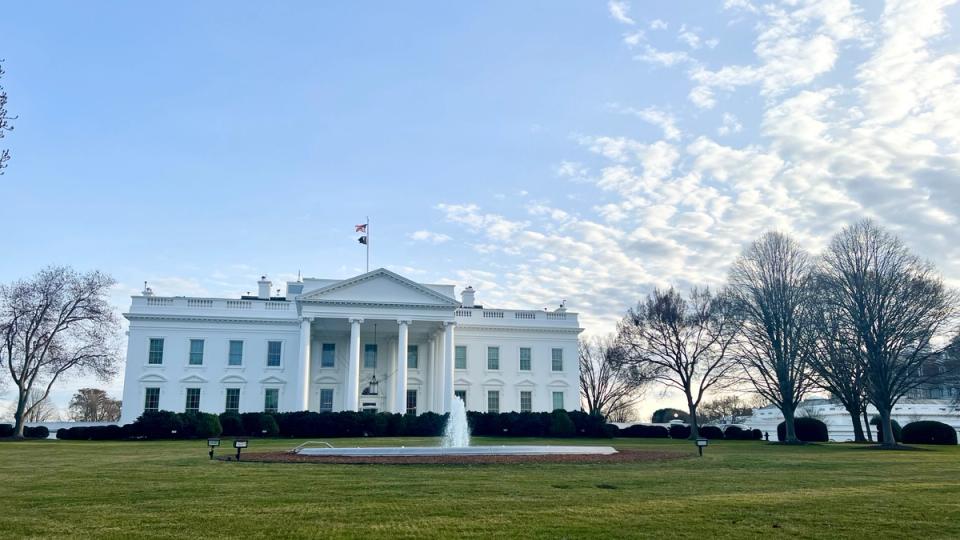
The White House Engages Law Enforcement to Bridge Gaps
According to CoinDesk, the White House is expected to hold talks with representatives of law enforcement agencies that oppose certain provisions of the CLARITY Act, aiming to coordinate positions on combating illicit finance. White House Chief Crypto Advisor Patrick Witt has previously met multiple times with opponents, including law enforcement officials and Wall Street bankers, to advance the bill's progress in the Senate. The White House has not yet responded to requests for comment regarding the upcoming meeting.
Core Dispute: Section 604 and Developer Liability Exemption
The primary point of contention centers on Section 604 of the CLARITY Act, titled 'Blockchain Regulatory Certainty.' This provision seeks to ensure that software developers who do not intentionally control the relevant tools are not classified as 'money transmitters' and thus not subject to associated legal liabilities. This is seen as a critical safeguard for the continued development of decentralized finance (DeFi) projects. However, organizations such as the National Sheriffs' Association have previously written to the Senate Banking Committee leadership, opposing a 'blanket exemption' for mixers, crypto tumblers, and DeFi projects. Senator Elizabeth Warren and other political critics have continued to raise concerns about the bill's implications for illicit finance.
Industry Defense and Legislative Outlook
Industry groups like the Blockchain Association have defended the CLARITY Act's anti-crime provisions, arguing that the bill adds multiple new tools to combat illegal activities. Senate Majority Leader John Thune has indicated he is considering bringing the bill to a full Senate vote in the coming weeks. Senate Banking Committee Chairman Tim Scott posted on X that the Senate 'should vote on crypto market structure legislation in July.' The bill requires 60 votes to pass the Senate. Discussions are ongoing regarding the BRCA provisions, Commodity Futures Trading Commission (CFTC) staffing levels, and ethics rules that would prohibit senior government officials from holding crypto asset interests.