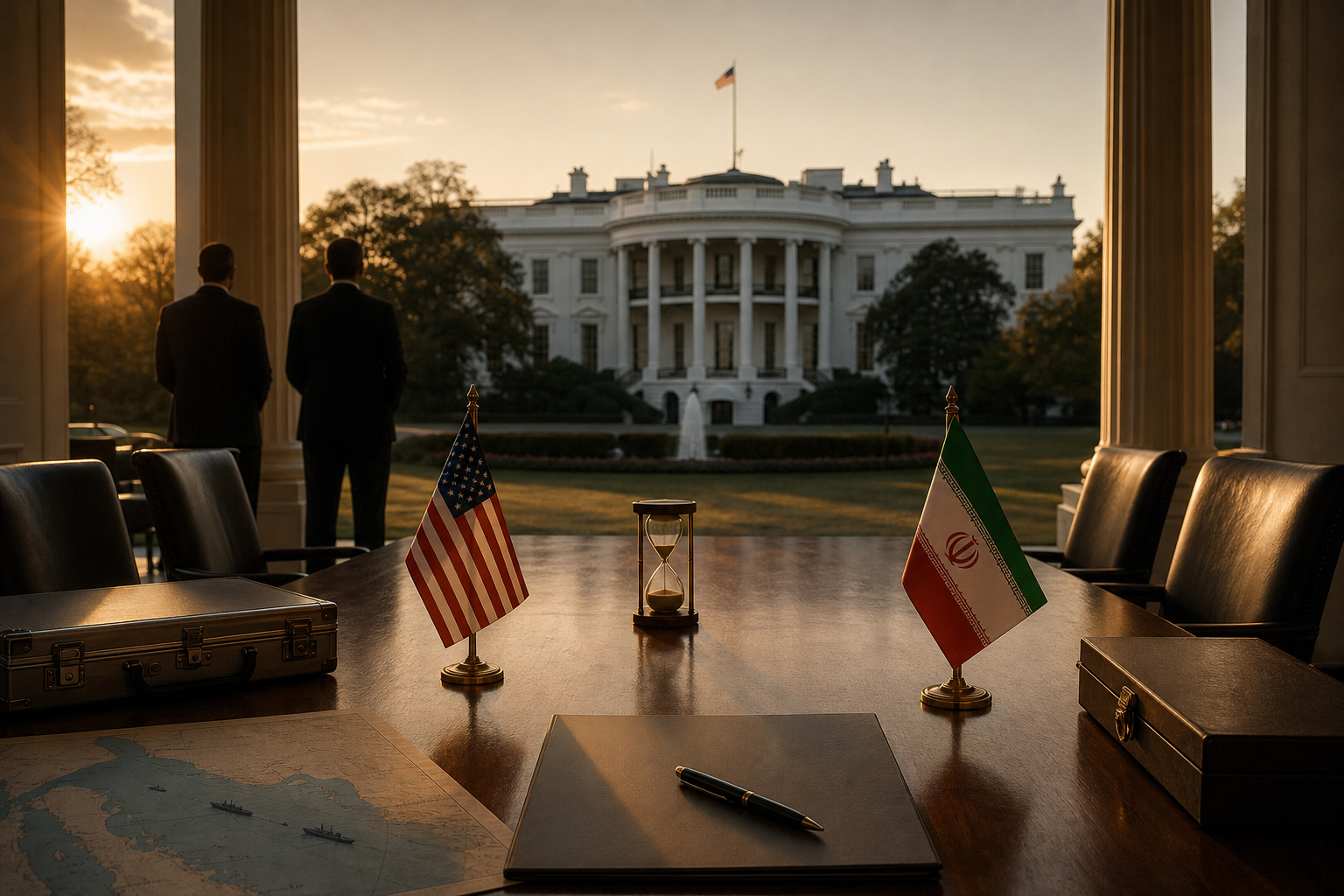
A one-month ceasefire agreement between the United States and Iran is set to expire next Monday, according to Politico, raising the risk that a war that has lasted nearly six months could intensify again if no extension is reached. A White House official said that as of Friday afternoon, negotiations remained at a standstill and that they had not heard of any arrangement to prolong the truce. The official said the issue was not timing but whether Iran was willing to return to the negotiating table, adding that it had not done so.
The report said part of the difficulty stems from Iran’s fragmented internal power structure. Positions differ among the Islamic Revolutionary Guard Corps, religious factions and the government, and any deal would need support across all camps before it could take effect. Key disputes center on sanctions, frozen assets and passage through the Strait of Hormuz. The U.S. side said any form of fee or control over passage would be unacceptable. The Trump administration said it retains all options if Iran rejects a deal, while the report also cited people familiar with the matter as saying Washington may be underestimating Iran’s ability to withstand pressure.
A one-month ceasefire deal between the United States and Iran will expire next Monday, according to Politico. If it is not extended, a war that has lasted nearly six months could escalate again.
A White House official said that as of Friday afternoon, talks were still at a 「standstill」 and that they had not heard of any arrangement to extend the ceasefire. 「Distance is not important. The key is whether Iran is willing to return to the negotiating table, and right now they have not,」 the official said.
Politico said the talks have been difficult in part because power inside Iran is divided. The Revolutionary Guard, religious forces and the government do not hold the same position, and any agreement would require approval from all factions before it could take effect.
The main disagreements are over sanctions, frozen assets and transit through the Strait of Hormuz. The U.S. side said any form of fees or control over passage is 「unacceptable」.
The Trump administration said that if Iran refuses the agreement, Washington retains 「all options」. It also said sanctions and blockades have already dealt a heavy blow to Iran’s economy and that Tehran should return to the negotiating table.
Still, people familiar with the matter said the U.S. may be underestimating Iran’s capacity to endure pressure. The report added that if Washington wants to stabilize the situation before the midterm elections, it needs to act quickly.
This article was originally published by Bit.Fan. For more cryptocurrency news and market insights, visit www.bit.fan. Disclaimer:
The market information, project data, and third-party content displayed on this platform are for industry information sharing only and do not constitute any form of investment advice or return commitment.
Cryptocurrency trading carries high risks. Users should fully assess their risk tolerance and make independent decisions. All profits, losses, and legal responsibilities are borne by the users themselves.