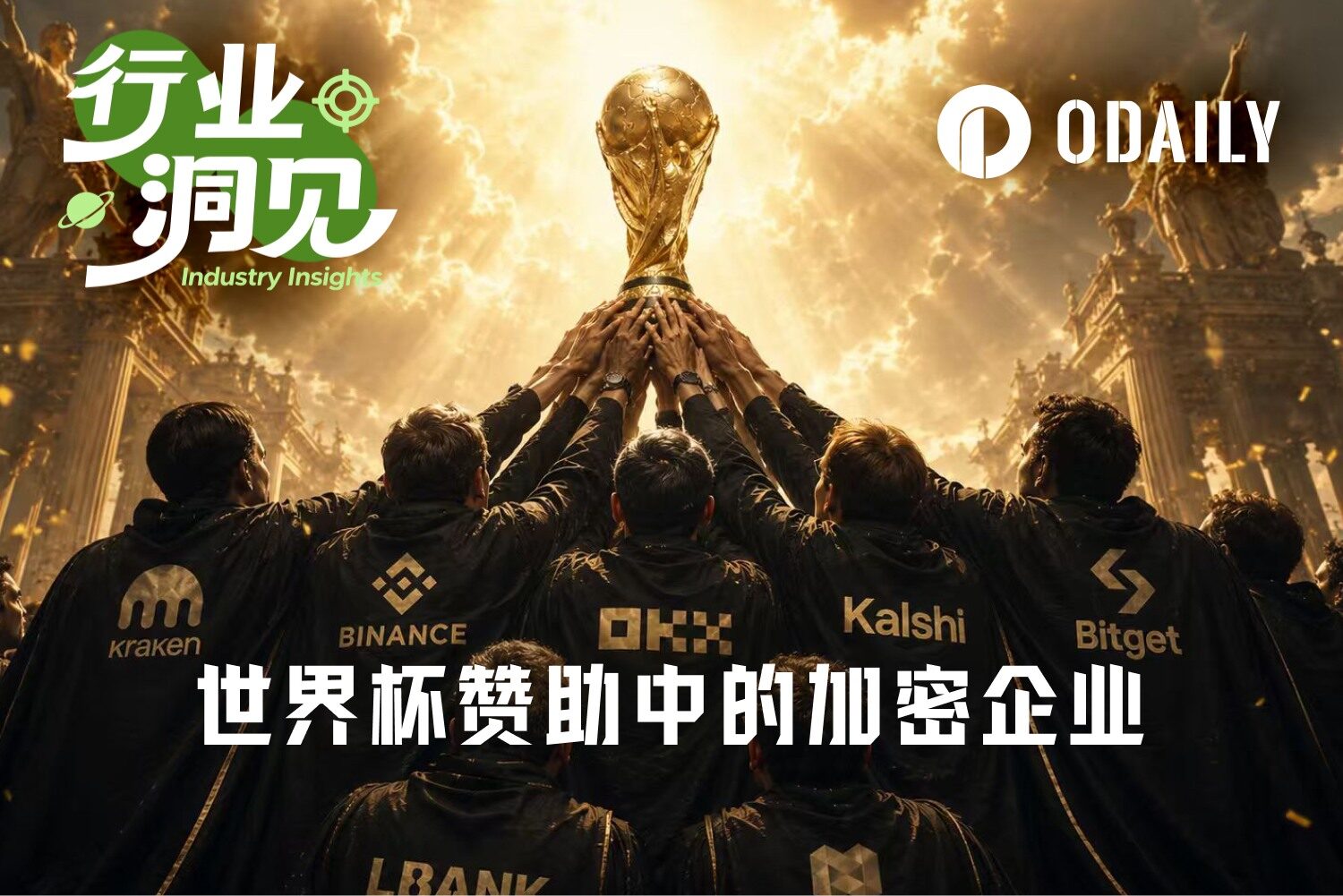
Official crypto presence in the World Cup sponsorship stack has narrowed sharply
According to Odaily, only Kraken made it into the official FIFA sponsorship system during this World Cup-related marketing cycle. That stands in clear contrast to earlier periods when crypto companies were more visible in large-scale global sports sponsorships and were often associated with aggressive branding budgets. The current setup points to a more selective and restrained approach from the industry.
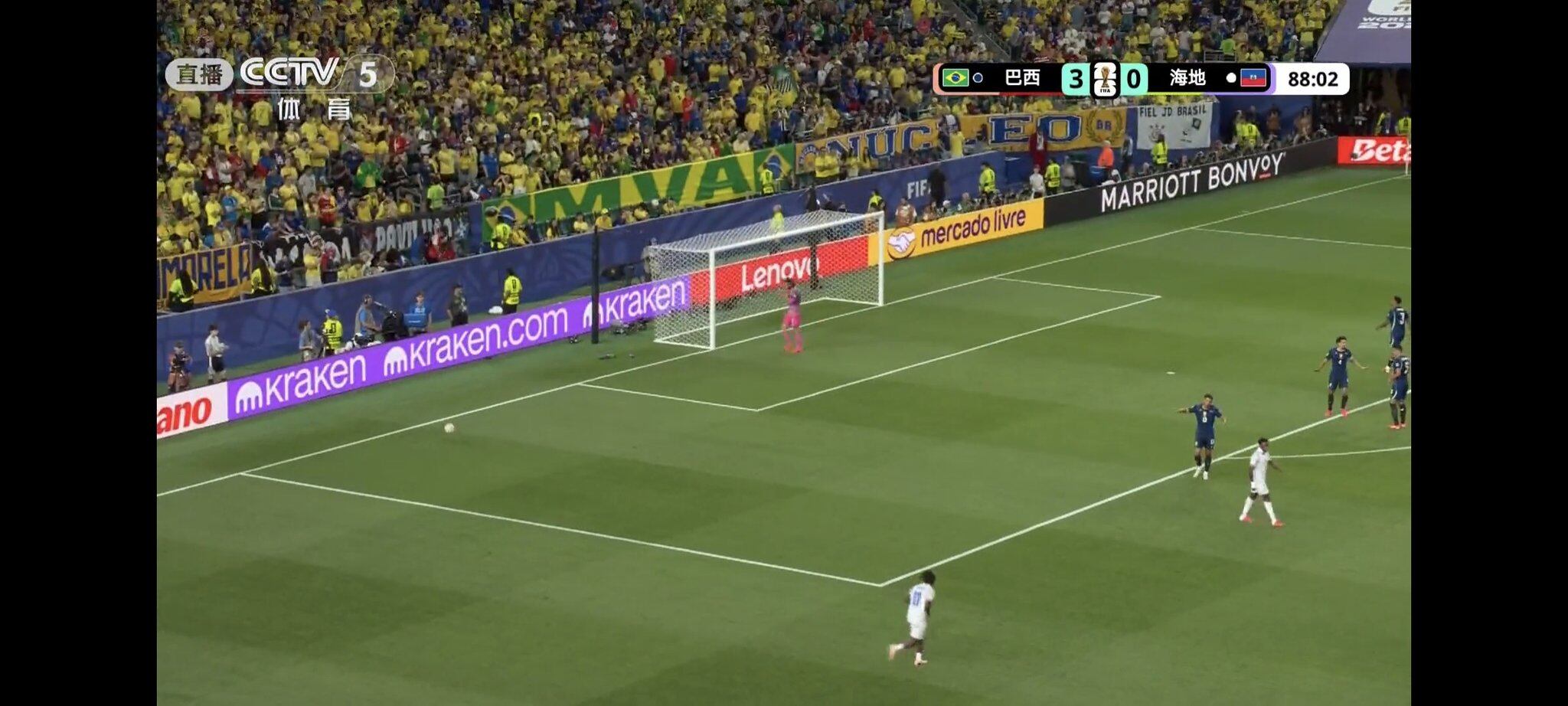

For market observers, the signal is less about football losing relevance and more about how crypto firms now evaluate return on marketing spend. Instead of committing to the most expensive global sponsorship tier, companies appear to be narrowing their exposure and choosing structures that can be more tightly managed from both budget and brand-risk perspectives.
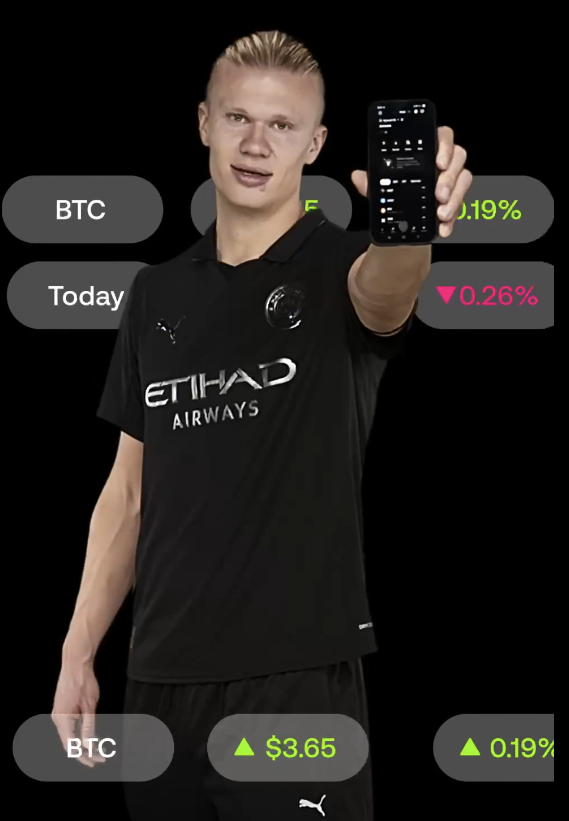
Clubs and individual players have become the preferred access point
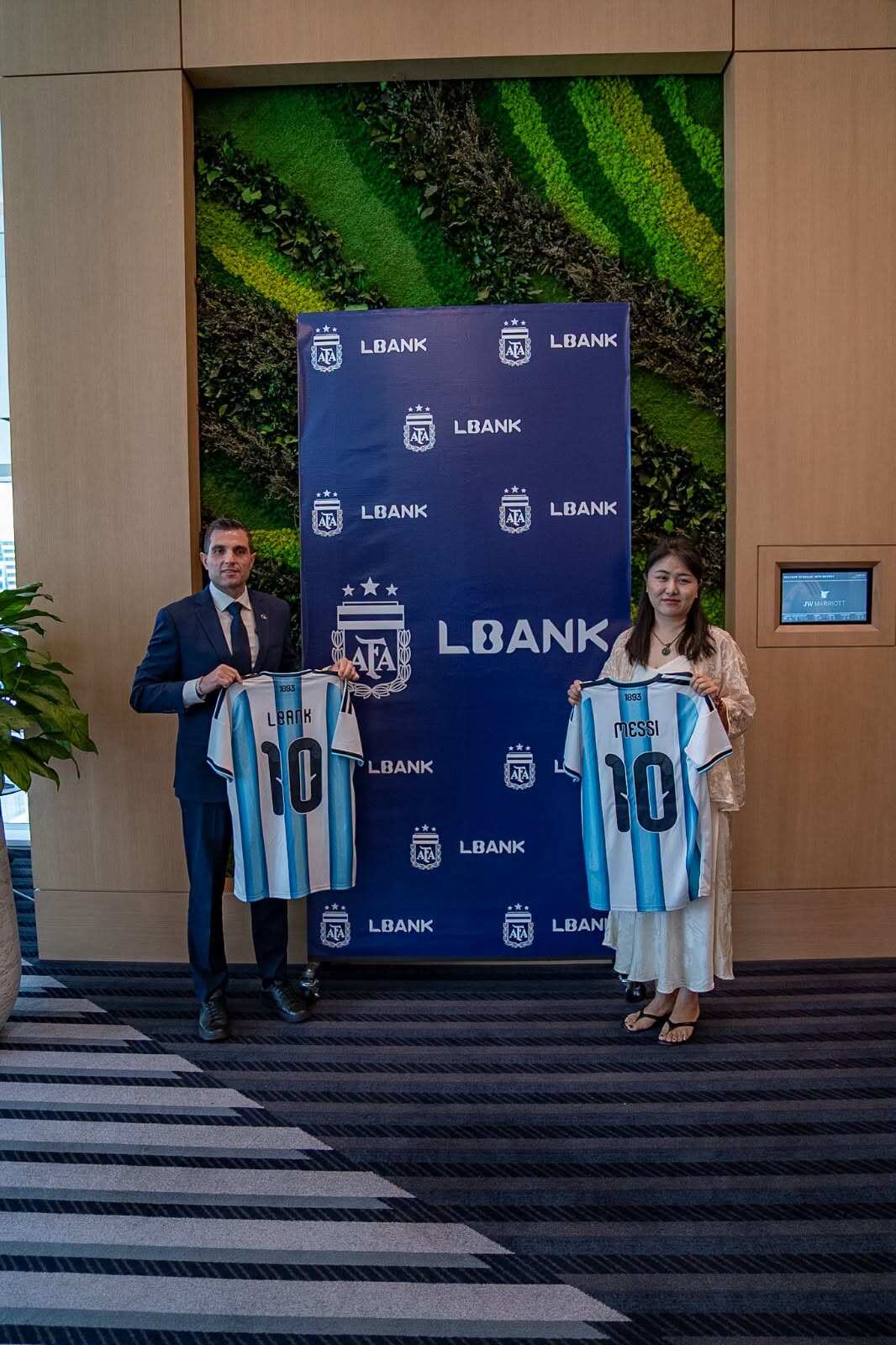
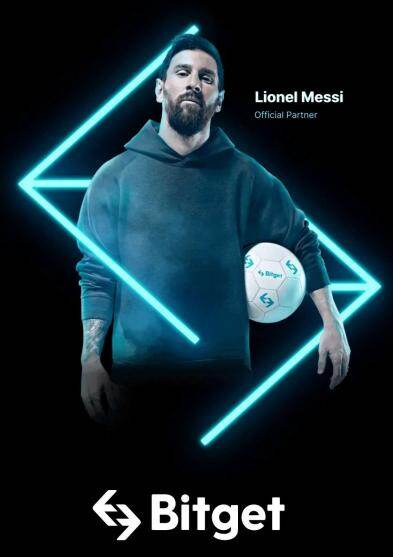
Odaily notes that while FIFA-level sponsorship has become scarce, the broader football marketing channel remains active. Dozens of crypto companies have chosen to partner with football clubs and individual players instead of entering the official tournament sponsorship framework. This shift suggests that the industry still sees value in football audiences, but prefers more modular deals that can be tailored to specific regions, fan bases, and campaign goals.
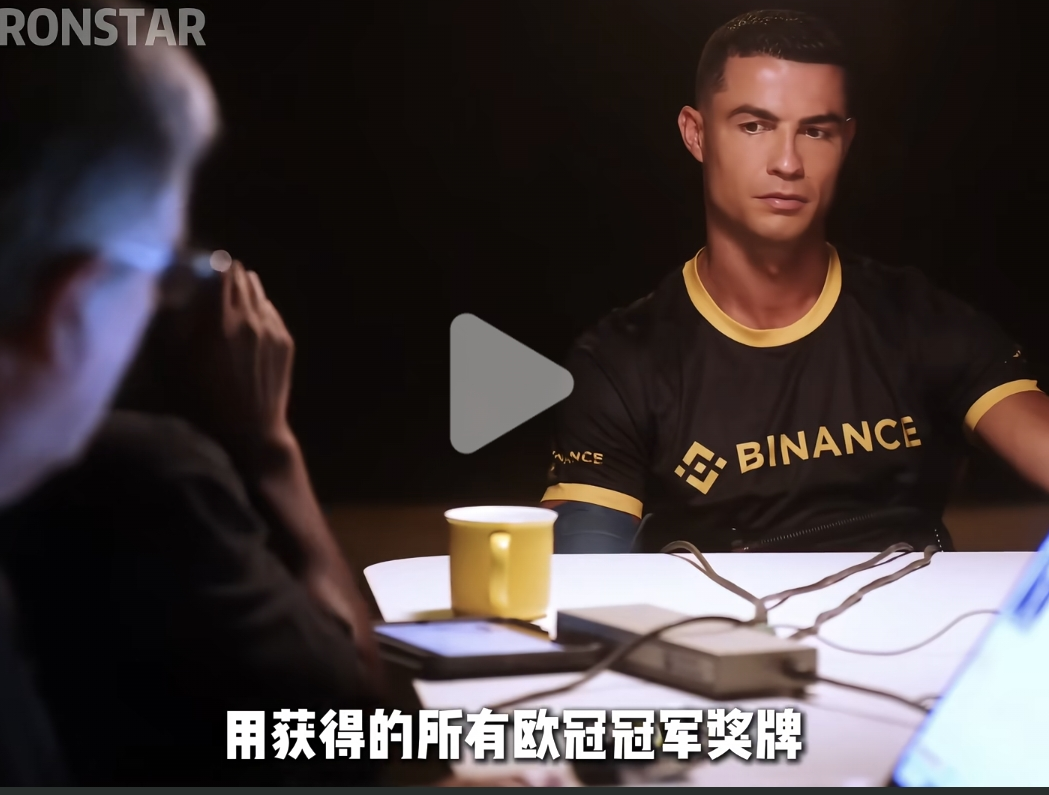
Compared with a top-level governing-body sponsorship, club and player partnerships can offer more flexibility in timing, activation format, and commercial scope. They also allow brands to maintain sports visibility without taking on the cost and commitment associated with a global event package. In practical terms, that makes football sponsorship less centralized and more fragmented across different commercial layers.
Kalshi used event-driven visibility to capture attention
In addition to formal sponsorship arrangements, some firms appear to be pursuing indirect publicity around the tournament. Odaily specifically mentions Kalshi, saying the company gained exposure by effectively riding the event’s advertising momentum rather than relying on a standard official sponsorship position. That detail highlights another change in crypto marketing behavior: attention can now be captured through adjacency and timing, not only through headline sponsorship rights.
The broader takeaway is that crypto branding around major sports events has not vanished, but its structure has changed. Instead of a wave of large official deals, the market now looks more distributed, with one company inside FIFA’s formal system and many others seeking visibility through clubs, players, or opportunistic campaign placement. Source: Odaily.