The Wall Street Journal (WSJ) published an in-depth investigation revealing that Polymarket, a prediction market platform, systematically created fake traffic and trading illusions through a series of deceptive measures to attract U.S. users to its unregulated crypto platform. The report found that Polymarket paid dozens of creators (mostly college students) to stage fictional trades on highly realistic cloned websites, film videos showing non-existent profits, and conceal the paid promotional nature.

Fake Trades and Website Clones: From 'Winning' $100,000 to Actual Losses
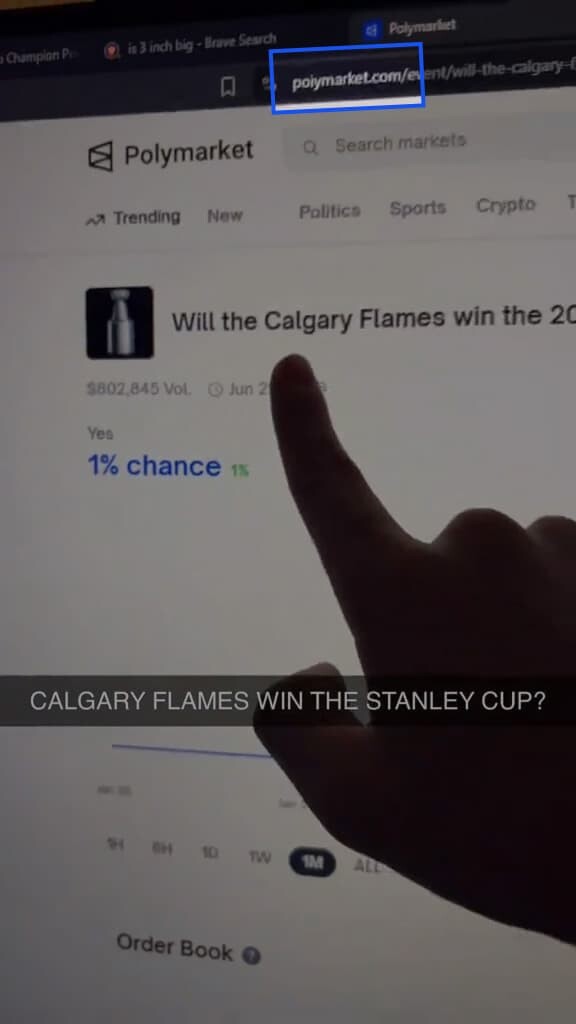
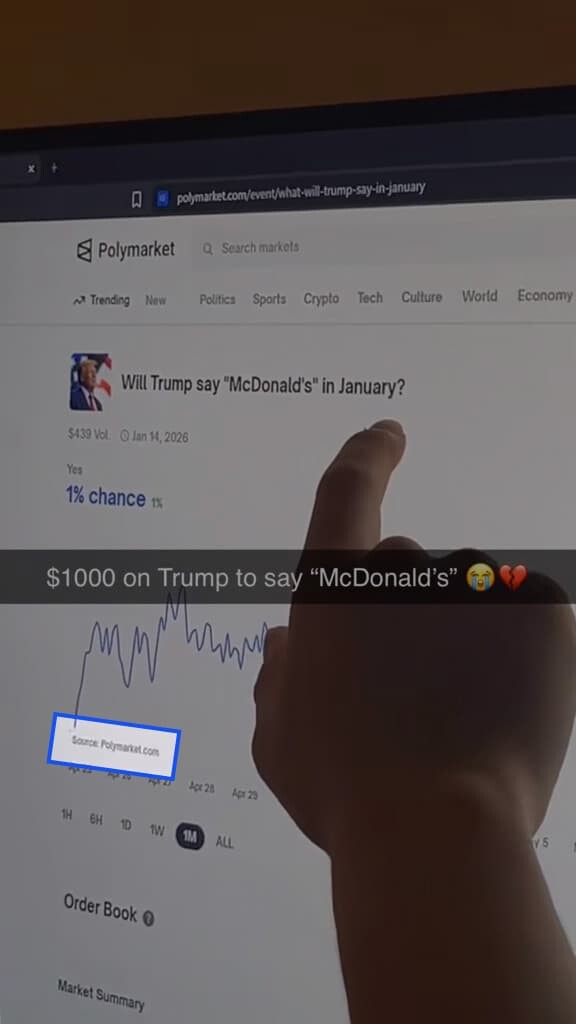
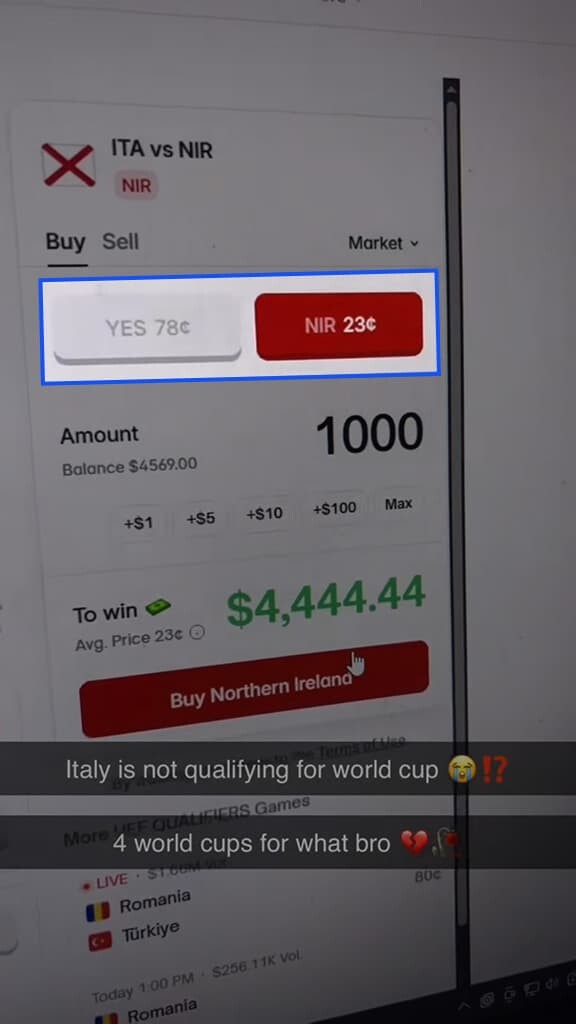
One example cited is creator George Makihara, who posted a video claiming he bet President Trump would say "McDonald's" in January and won $100,000. In reality, Trump never publicly uttered the word that month, and the video was filmed two months earlier. WSJ analyzed 1,105 videos and found all trades were fake: a total of $1.9 million in wagers were fabricated, with 118 videos showing creators winning nearly $900,000 in prizes — when actual bets would have resulted in losses exceeding $166,000. Polymarket created near-perfect clones of its website (e.g., "poiymarket.com", where a capital 'i' makes it indistinguishable from the real domain) and instructed creators to operate on these simulated sites, even briefly exposing engineer test environment URLs. Differences between the real and fake sites included button labels like "NIR" instead of "NO" and other discrepancies. Federal advertising laws require truthful disclosure of paid endorsements, but Polymarket ordered creators not to disclose their compensated relationship, paying them roughly $2,000–$3,000 per month.
Covert Marketing Network: Slicing Teams and Astroturfing
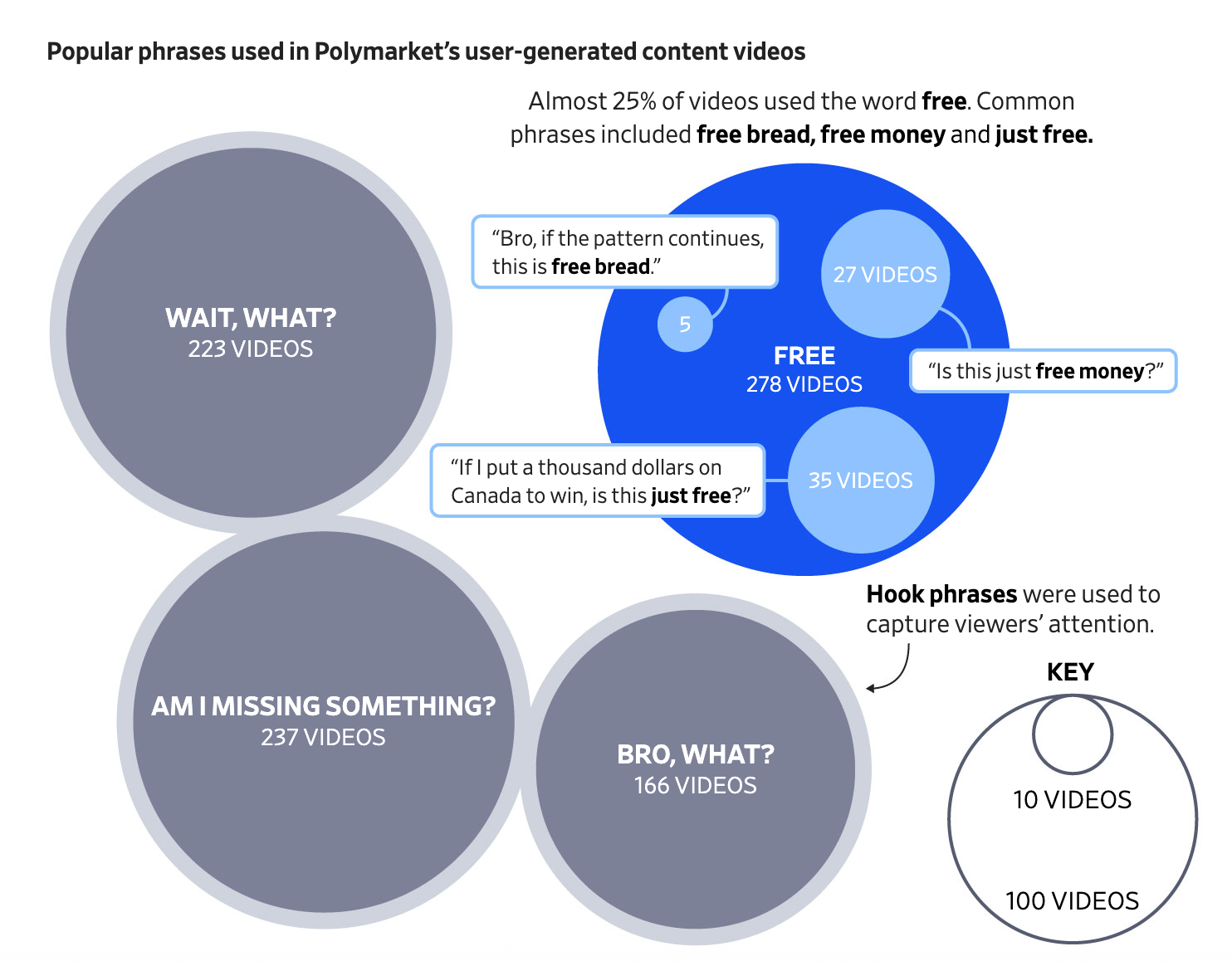
Polymarket hired marketing agency Virality to manage a "slicing" team, requiring posts to appear "personal and natural" and that at least 60% of the audience be U.S. users to qualify for payment. Virality instructed clip editors in group chats to rename accounts to remove any reference to "Polymarket" or "poly." The slicing team used secondary accounts to repost creators' videos, eventually leading to viral hits. According to analytics provider Tubular, Polymarket's viral campaign garnered over 140 million views across TikTok, YouTube, and Instagram. A TikTok U.S. spokesperson said several identified accounts had been restricted for violating platform rules. Creator Razeen Khan compared the videos to fast-food ads — showing something that appears more enticing than reality. Another creator, Haian Nguyen, celebrated a $60,000 win on Instagram and posted a beach video with the caption "Polymarket funds my life"; she deleted all videos after WSJ contacted her.
Regulatory and Legal Challenges: CFTC's Role and Trump Administration Stance
The Commodity Futures Trading Commission (CFTC), which oversees prediction markets, has previously taken enforcement actions against companies using simulated trades for unrealistic profit promises. The Trump administration has adopted a lenient approach to prediction markets; the CFTC filed multiple lawsuits to block state-level regulation. Trump stated on Truth Social that CFTC exclusive jurisdiction is "critical" for prediction markets to thrive, calling politicians advocating state regulation "scum." Trump's son, Donald Trump Jr., is an investor in Polymarket and a paid advisor to competitor Kalshi. A White House spokesperson denied any conflict of interest. A CFTC spokesperson said bringing offshore prediction markets under U.S. oversight would enable better supervision. Polymarket founder Shayne Coplan told his growth team to make the company "impossible to ignore" online; childhood friend Matthew Modabber serves as CMO. Polymarket faces competition from regulated rival Kalshi, which saw about twice the trading volume in the past month. In 2022, Polymarket settled charges of operating an unregistered options exchange, agreeing to stop offering its core crypto platform to U.S. customers; it is now seeking to overturn that settlement and re-enter the U.S. market.
Insider Trading and Viral Reach: Adin Ross and World Cup Approaching
Polymarket and Virality also targeted 25-year-old influencer Adin Ross, who has millions of followers and a multi-million dollar deal with Polymarket. Ross spends about 30 minutes per week live-streaming the platform and commenting on potential trades. In at least five videos, Ross demonstrated how to use insider information to trade, including leveraging his acquaintance with rapper Drake to bet on the release date of Drake's new album. Polymarket promoted at least 19 videos discussing insider trading or market manipulation opportunities. The company states it "prohibits trading based on stolen information, illegal inside information, or information obtained in violation of trust, confidentiality, or other legal obligations" and claims to have a market integrity framework. As the World Cup approaches, some creators turned to Polymarket's newly launched CFTC-regulated U.S. app, but screenshots showed disparities: the official app displayed "26 World Cup" while the simulated version showed "2026 FIFA World Cup."
A Polymarket spokesperson said the company is committed to maintaining accurate, fair, and transparent markets and plans to conduct a full audit of its promotional content. As of publication, the fake "poiymarket" site had been taken down, and some social media accounts had been restricted.