
Fake Trading Videos: College Student’s $100,000 Win Was Entirely Fabricated
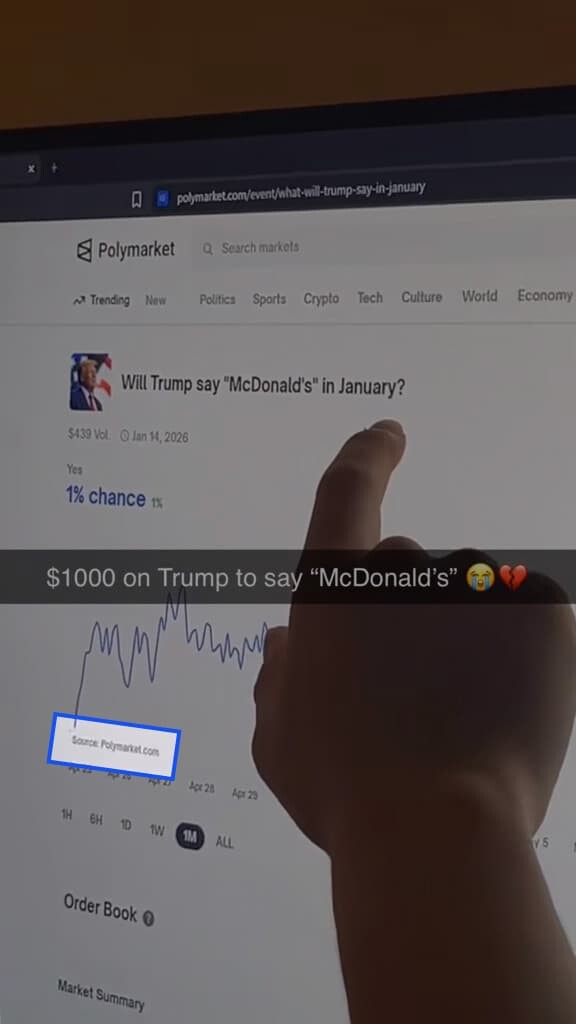
According to an investigation by The Wall Street Journal, prediction market platform Polymarket has been paying dozens of creators — mostly college students — to film fake trades on mock websites, sometimes showing fictitious profits. For example, student George Makihara posted a video in January claiming he bet on President Trump publicly saying the word “McDonald’s” and won $100,000. In reality, Trump never said the word that month, and the video was filmed two months earlier. Between January and mid-May, he allegedly placed 145 bets totaling nearly $410,000 — all of which were fake, per the Journal’s review. Public data shows over 50 accounts bet on the same market in January, all losing.
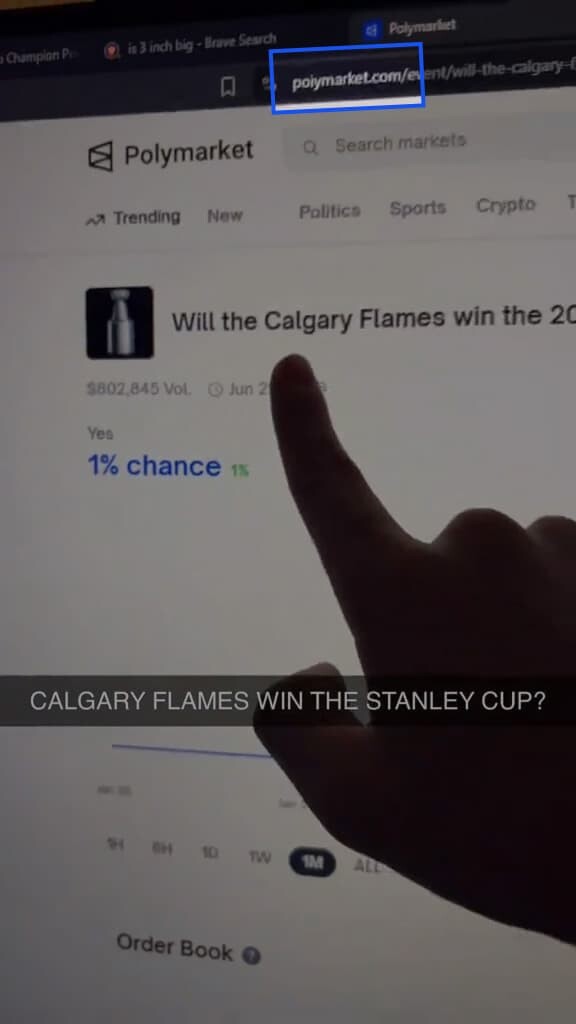
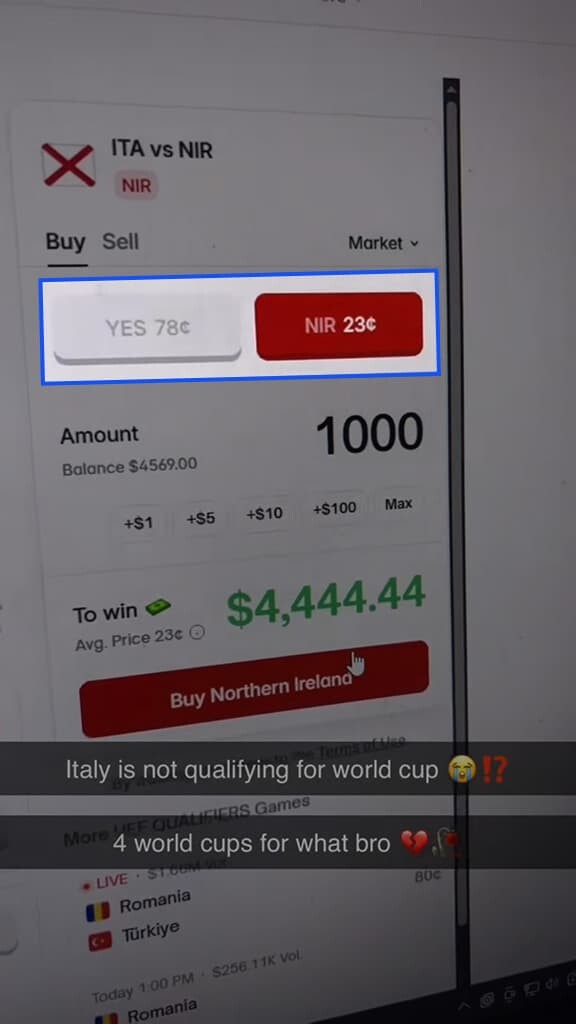
Polymarket created near-perfect clones of its website, using domain names such as “poiymarket.com” (indistinguishable from the real one when the “i” is capitalized) and instructed creators to trade on these fake sites while hiding the paid relationship. The fake site sometimes displayed errors like “YES” and “NIR” instead of “YES” and “NO.” URL addresses in several videos briefly revealed that the sites were Polymarket’s internal testing environments. After being contacted by the Journal, Polymarket shut down the fake sites.
Marketing Machine: Viral Slicing Teams and ‘Free Money’ Scripts
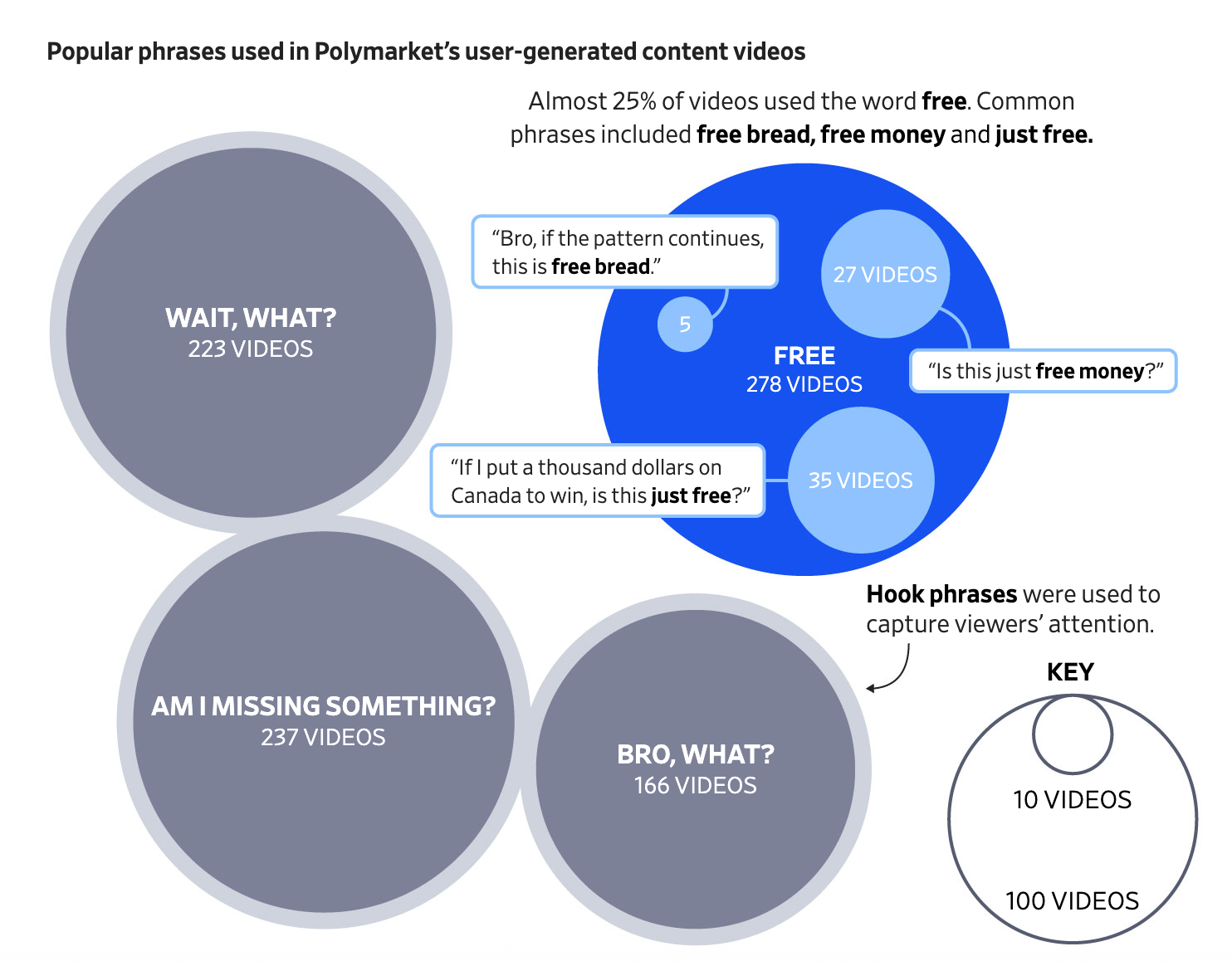
Polymarket hired marketing firm Virality to manage a “slicing” team that reposted creators’ content. Instructions told them to make posts look “personal and natural” and to rename accounts to hide the Polymarket connection. The slicing team was only paid when at least 60% of their audience was U.S.-based. According to analytics firm Tubular, the campaign generated over 140 million views across TikTok, YouTube, and Instagram. Creators were paid $2,000–$3,000 per month but were told not to disclose the paid arrangement. Nearly 25% of the 1,105 videos analyzed used the word “free,” with phrases like “free bread,” “free money,” and “it’s just free.”
The Journal reviewed 1,105 videos from ten creators endorsed by Polymarket between December 2025 and mid-May 2026. In 70% of videos, creators placed bets — all of which were fake, totaling $1.9 million. 118 videos showed creators celebrating winnings worth nearly $900,000 (in reality, the same bets would have lost over $166,000). Former creator Razeen Khan likened the videos to fast-food ads: “We show what’s happening. You still go buy the burger.” Top creator Haian Nguyen filmed herself trading from her bedroom in San Francisco, celebrating a $60,000 win on a Trump “Olympics” bet. She later deleted all her videos after being contacted by the Journal. Creators submitted videos for Polymarket’s review; if a video was not exciting enough or appeared fake, they were asked to reshoot.
Promoting Insider Trading and Regulatory Battle
Polymarket also targeted Adin Ross, a 25-year-old influencer with millions of followers, via a multi-million dollar deal. Ross spent about half an hour per week streaming himself browsing Polymarket and commenting on potential trades. In at least five videos, he claimed to trade using inside information — for example, betting on the release date of a new album by rapper Drake, a personal acquaintance. Internal materials showed Polymarket paid editors to promote at least 19 videos discussing how easy it is to manipulate markets using insider information.
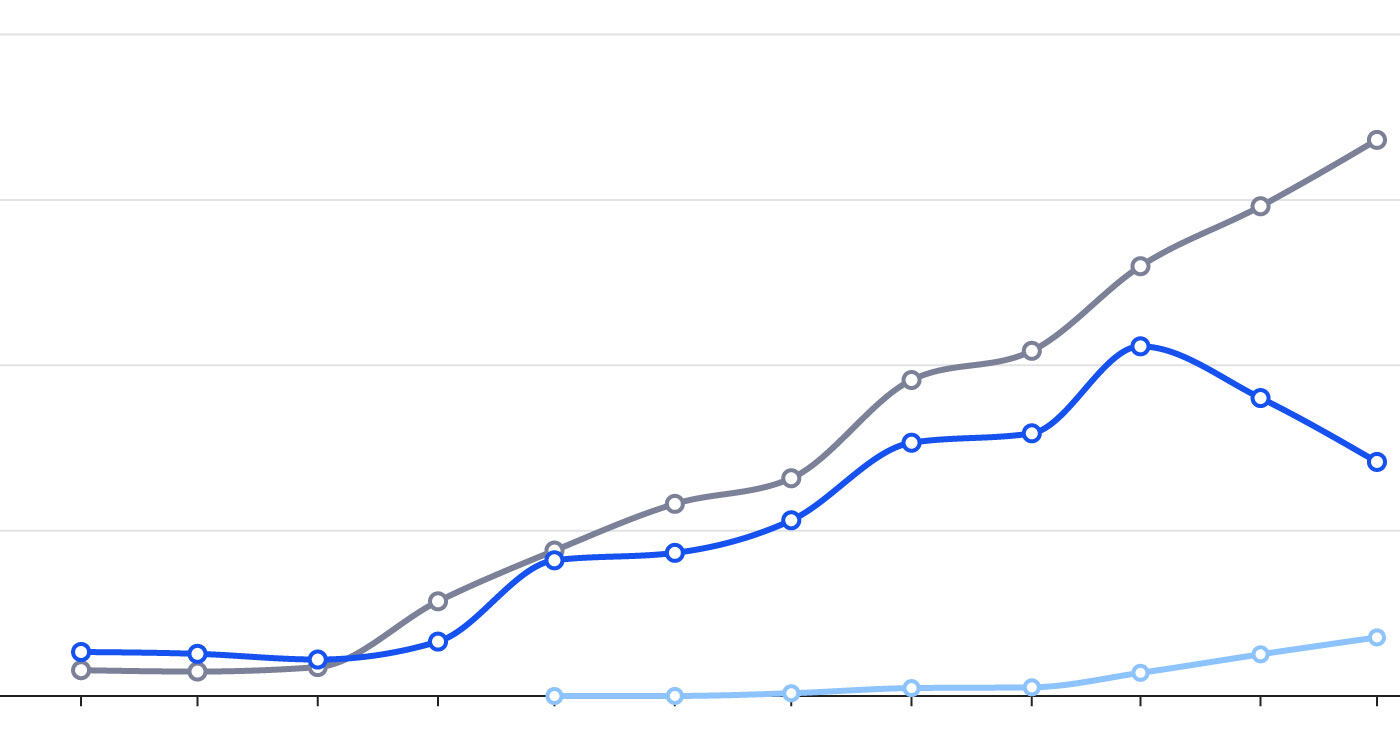
In 2022, Polymarket settled with the CFTC over unregistered options exchange allegations, agreeing to stop serving U.S. customers and re-registering in Panama. Last year, it launched a regulated U.S. app, though its volume remains tiny compared to the offshore exchange. According to a person familiar, Polymarket is now seeking to overturn the 2022 settlement and bring its crypto platform back to the U.S. Meanwhile, its regulated rival Kalshi has overtaken it in monthly volume — nearly double last month.
Federal advertising law requires paid promotions to be disclosed. The FTC declined to comment. The CFTC, which regulates prediction markets, has previously taken enforcement action against similar practices. The Trump administration has taken a lenient stance; Trump’s son is an investor in Polymarket and a paid advisor to Kalshi. The White House said there is no conflict of interest. As the World Cup approaches, some Polymarket creators began filming trades on the CFTC-regulated U.S. app, but the simulated version differed from the official app (e.g., “2026 FIFA World Cup” vs. “26 World Cup”).
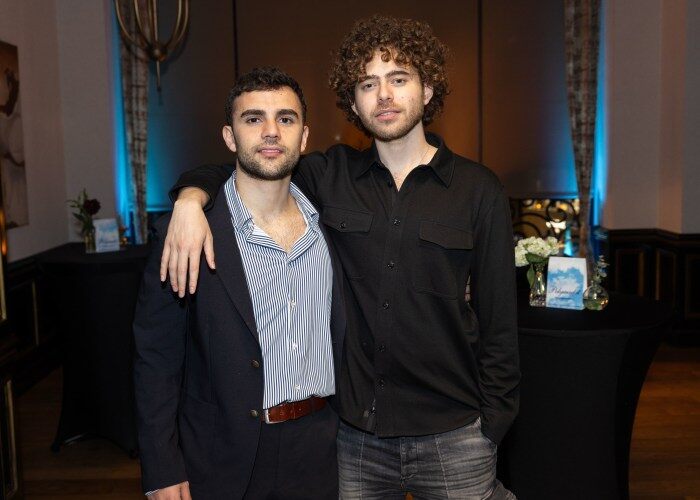
Polymarket stated that it "prohibits trading based on stolen information, illegal inside information, or information obtained in breach of trust" and that its market integrity framework includes transaction monitoring, on-chain transparency, and whistleblower channels. Founder Shayne Coplan told the growth team to make the company unavoidable online, with CMO Matthew Modabber (a high school friend) overseeing growth. Polymarket now says it plans to conduct a full audit of its promotional content.