
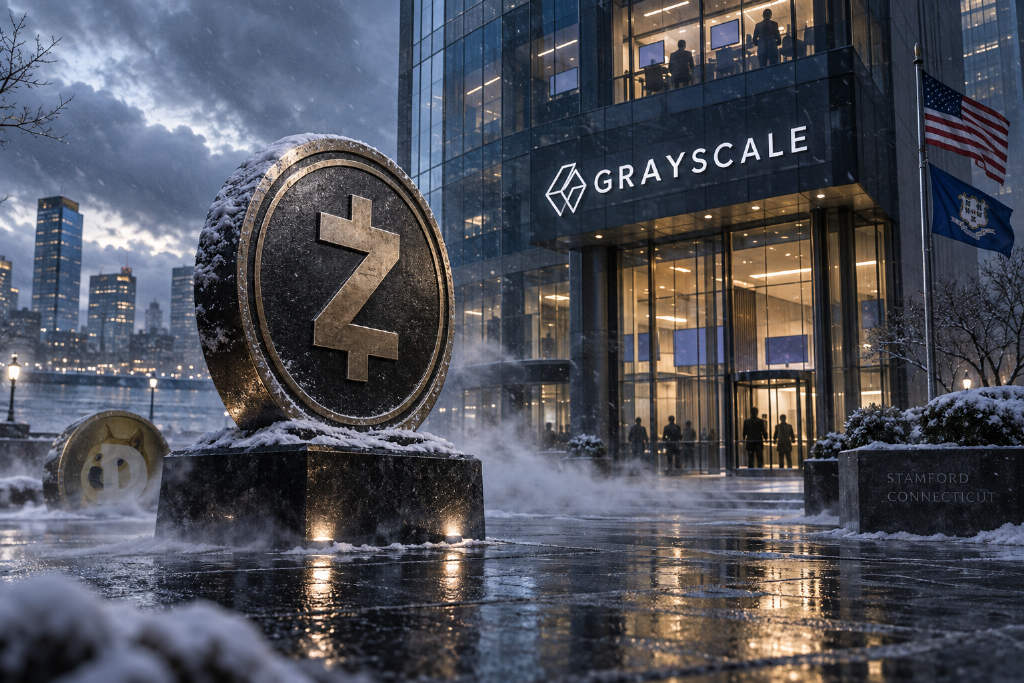
ZEC is in the middle of a sharp one-way rally. Short sellers have kept adding fuel, bullish calls have multiplied across overseas markets, and some backers now frame the token as a privacy-focused version of Bitcoin.
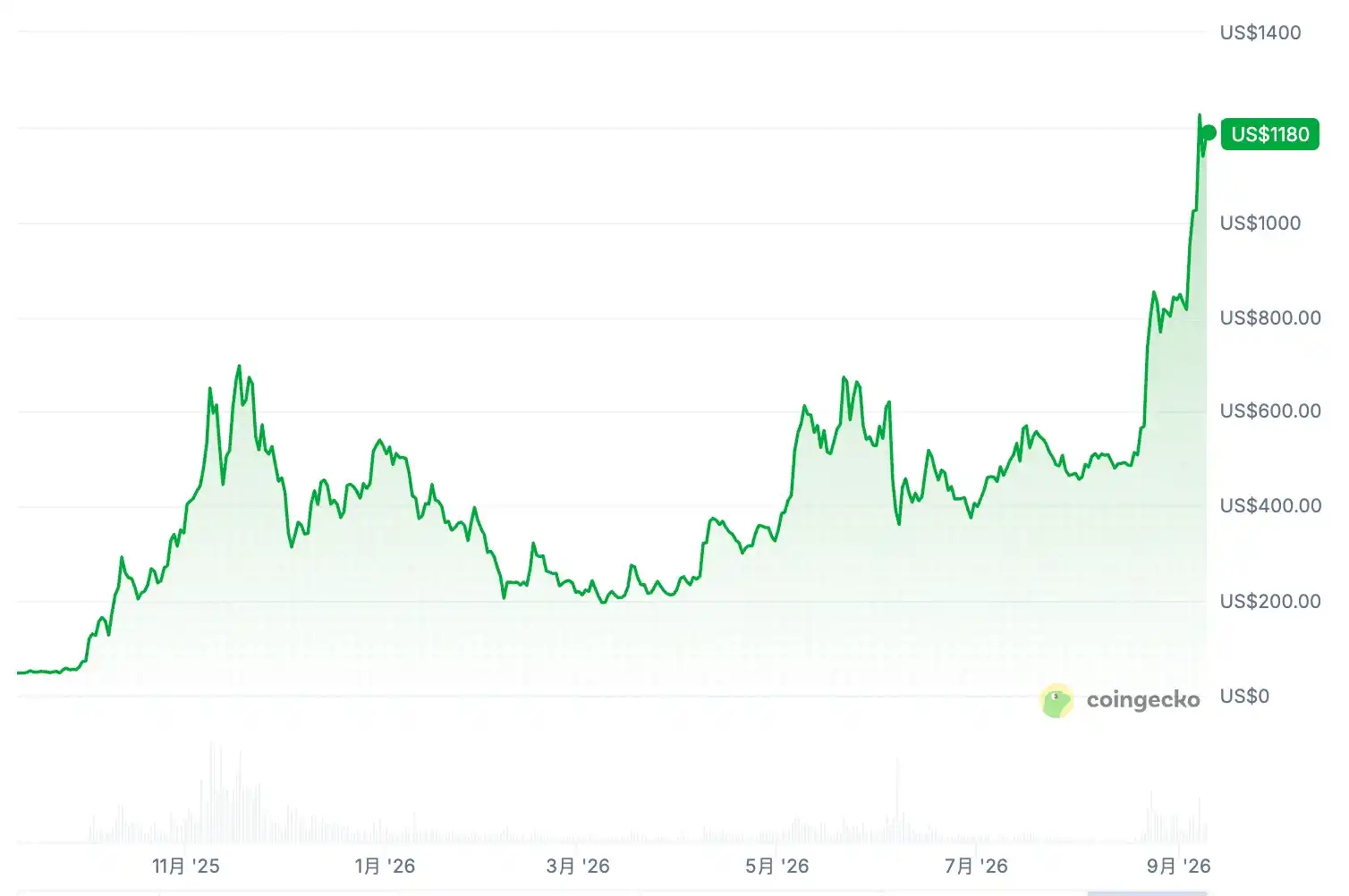
At the same time, the move has drawn open skepticism from several Chinese-speaking crypto veterans. The split is clear: is this a return of the privacy narrative, or a case of new capital and new operators overtaking an older market structure?
ZEC surges back into the center of the market
The rally has pushed ZEC back into one of crypto’s main conversations. CoinGecko data cited in the source article shows ZEC rose 130.9% over the past 30 days and 2252.0% over the past year. Its market capitalization is now close to $20 billion, enough to move past DOGE and place ZEC among the world’s top 10 cryptocurrencies by market value. Over the same period, the token outperformed major assets including Bitcoin and Ether.
As the price climbed, ZEC also moved ahead of Monero, or XMR, in sector share. As of Sept. 9, ZEC represented more than 66.7% of the total market capitalization of the privacy segment, making it the main force behind the latest privacy-coin rebound.
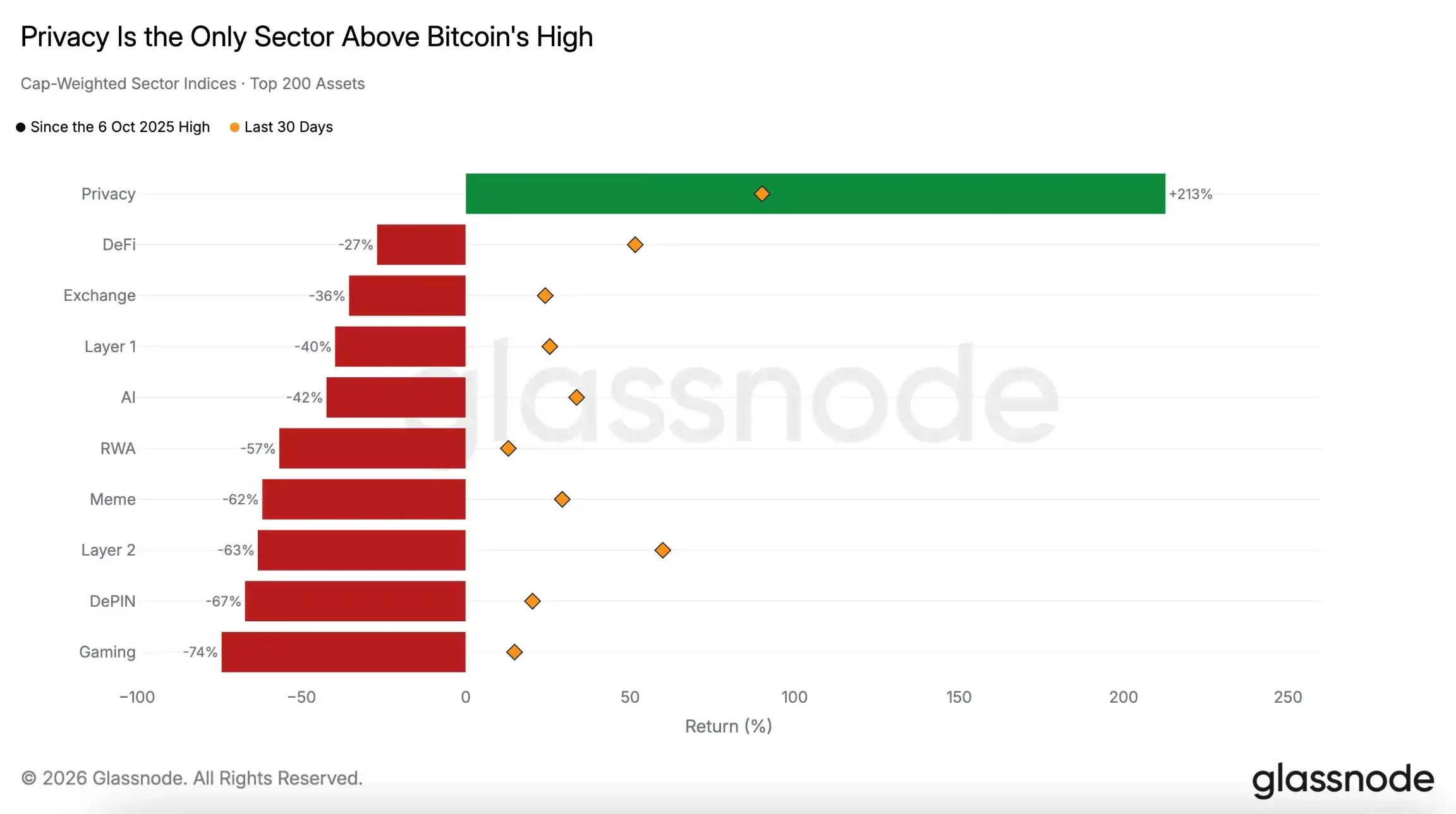
Glassnode said the privacy sector is the only major crypto segment whose market capitalization is still above its October 2025 peak, up 213% from that level. Over the past 30 days, the same sector led the top 10 categories with a 90% gain. At the same time, the total market capitalization of privacy coins among the top 200 crypto assets rose from $7.1 billion a year ago to $33.6 billion, approaching the size of Tron. Nearly half of that increase came in the past 30 days, with ZEC as the main contributor.
Performance data in the article shows DASH, XMR, and ZEN all beat Bitcoin over the past 90 days. Among the top 25 assets, only ZEC, HYPE, XMR, and WBT traded above their prices from Oct. 6 last year, and two of those were privacy coins. Even with a broader crypto rebound over the past month, year-to-date returns have still been concentrated in the privacy segment.
The enthusiasm has spilled into related tokens. ZCAT, described in the source as a ZEC dividend meme coin, jumped rapidly during the latest wave of speculation and at one point pushed its market capitalization above $170 million.
As ZEC kept setting fresh local highs, liquidation volume tied to the token briefly ranked first across the market, with shorts accounting for most of it. Some whales that bet against the move ran into large losses and even forced liquidations, adding more pressure on the upside. One example cited in the article is Garrett Jin, described as the largest ZEC short trader on Hyperliquid. He kept adding to the position as the price rose, later trimmed some exposure, but was still sitting on a floating loss close to $20 million.
Bullish sentiment outside China has also intensified. Balaji, Bitwise CIO Matt Hougan, Multicoin partner Tushar Jain, and crypto KOL Ansem have all voiced support for ZEC. Balaji went furthest and called for a $100,000 price target.
Chinese-speaking veterans question the fundamentals
While the privacy narrative has regained momentum, several Chinese-speaking OGs and KOLs have tried to cool the market down. Their arguments differ, but they converge on one point: the rally may not rest on fundamentals strong enough to justify ZEC’s new standing.
On Sept. 8, F2Pool co-founder Wang Chun wrote on X that Zcash’s latest rise was driven more by narrative than by fundamentals. In his view, a top-10 market cap does not mean ZEC has real usage value comparable to Solana or Hyperliquid.
Wang said Zcash was not fairly launched. During its first four years, 20% of each block reward went to founders, employees, advisers, and early investors as a founder reward. That amounted to about 2.1 million ZEC, or 10% of the token’s 21 million total supply. After that arrangement ended, he said, a similar 20% share of block rewards returned in the form of a development fund.
He also argued that privacy has long been presented as Zcash’s defining feature, yet shielded addresses are not the default and a large amount of assets still sits in transparent addresses. On governance, he pointed to long-running disputes involving Electric Coin Company and the Zcash Foundation, and said the full departure of the ECC team in January 2026 exposed the issue more clearly. On security, he cited a severe vulnerability in the Orchard pool disclosed in May 2026 that had existed for about four years and, in theory, could have been used to create fake ZEC that could not be clearly traced. In his view, the Ironwood upgrade implemented in July, which shut down the old privacy pool and required assets to pass through a gate, looked more like a security repair than a reason for a top-10 valuation.
Cobo co-founder and CEO Shenyu then shared his own memory of ZEC, saying the asset had always left a deep mark on him. When Zcash launched its mainnet in 2016, BitMEX set its price cap at 10 BTC, a level that later became ZEC’s all-time high. Shenyu said that on the first night of mining, soon after his GPU farm started, a transformer at the site was struck by lightning. He said no ZEC ever appeared in his personal wallet after that.
Jademont Zheng, CEO of Waterdrip Capital, said the current burst of ZEC bullishness reminded him of the old Bitcoin Cash dispute over the “real Bitcoin.” He argued that Chinese backers of BCH suffered heavy losses in the end, and this time “the only difference is that the protagonists are a group of foreigners.”
Zheng also made clear that he has continued to hold ZEC and has written bullish pieces on it since last year. He compared owning ZEC to buying insurance. If it is insurance, he said, investors should not expect it to be triggered, just as no one buys critical illness insurance hoping to become seriously ill.
Crypto commentator Lanhu said the argument around ZEC has been around for years, but whether the asset is being heavily operated and whether traders can make money from it are two separate questions. In his view, the real split inside the OG crowd is not about whether ZEC can rise, but about the fact that it took a different path from Bitcoin and Monero from the day it was born.
Lanhu said Bitcoin and Monero are closer to leaderless systems with default privacy and fair launches, while ZEC has carried controversy from the start. He listed the founder reward in the first four years, the optional privacy model and viewing key, the project’s early corporate and venture-backed character, and later changes in the governance structure around ECC and related entities. Development did not stop, he noted, but the debates never disappeared. He also said that Zcash’s earlier privacy pool once had a window in which it could not be cryptographically proven that no one had minted coins illicitly. The old pool was eventually shut down, and the new one limited outflows through a gating mechanism, but that historical window was not retroactively disproven away.
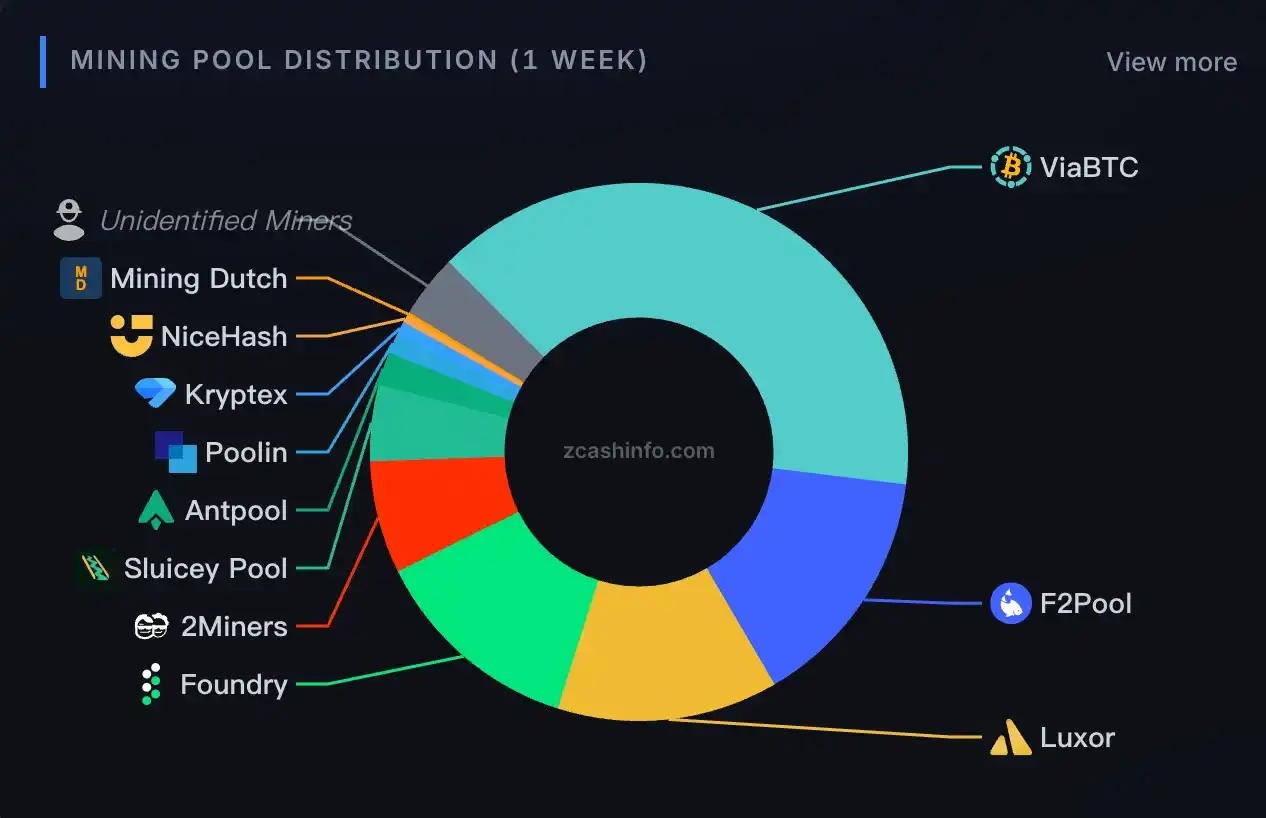
In his reading, these are matters of stance more than matters of market action. The trading case is different. Concentrated hashrate, hidden fund flows inside shielded pools, the narrative around listed-company treasuries holding ZEC, ETF and custody access, and a short squeeze can all act as real price drivers. An asset does not have to fully fit crypto’s original ideals to become a liquid instrument with a clean narrative and enough capital support.
Crypto KOL 0xTodd approached the move through market structure and capital flows. He said one major reason behind ZEC’s rise is that Monero’s mandatory privacy model led to delistings by exchanges including Binance and Coinbase, while ZEC allows transparent and shielded addresses to coexist. That means its liquidity and trading access were not hit to the same degree. He added that, among privacy-related names with exchange support, Grayscale under DCG held ZEC rather than DASH.
0xTodd also argued that many real-world illicit actors do not particularly rely on privacy coins, often preferring USDT on TRON or BTC. Attackers who care deeply about privacy may lean toward mixers such as Tornado Cash instead. His reasoning is that large capital flows usually happen in the EVM ecosystem, while privacy chains lack similarly sized pools of capital and comparable application scenarios beyond privacy itself.
For that reason, he said, even if XMR and DASH rally later, that would not prove ring signatures or mixing mechanisms defeated zero-knowledge proofs. “It can only prove that a new operator beat the old one.”
Grayscale and DCG have been building around Zcash for years
Grayscale is widely seen as one of the key forces behind the latest move. But the source article argues that, over a longer timeline, its parent company Digital Currency Group, or DCG, has never been an outsider to the Zcash ecosystem.
When Zcash launched its mainnet in 2016, the published list of early investors included DCG and its founder Barry Silbert. As an early shareholder in Electric Coin Company, DCG not only held equity but also received ZEC founder rewards. The following year, Grayscale launched the Grayscale Zcash Trust, turning ZEC into a financial product for institutional investors.
Starting in 2019, DCG’s Fortitude Mining began mining ZEC. This year, the mining company moved forward with a merger with HeartSciences to list on Nasdaq and announced a $45 million investment to strengthen Zcash mining infrastructure. At the same time, Foundry Digital, DCG’s mining and staking company, launched an institutional-grade Zcash mining pool that currently controls about 14.2% of network hashrate.
The launch of a ZEC spot ETF has drawn even more attention to Grayscale. Last month, Grayscale’s ZCSH formally converted into what the source describes as the first U.S. ETF to directly track a privacy coin. In just two weeks, assets under management topped $500 million. The fund now holds more than 550,000 ZEC and has also opened options trading.
That matters for Grayscale. During the GBTC era, its biggest edge was being early, giving U.S. institutions a compliant path into Bitcoin exposure. With BlackRock, Fidelity, and other traditional finance giants rolling out spot Bitcoin ETFs, that market has become highly standardized, and Grayscale can no longer rely on the kind of near-monopoly product advantage it once had.
Privacy-coin ETFs look different. Competition remains relatively light, and that gives Grayscale room to keep building a new narrative and attract incremental capital. The source notes that ZCSH charges a 2.5% management fee, well above mainstream spot BTC and ETH ETFs. If inflows into ZEC continue, Grayscale gains not only more assets under management but also a higher-fee business with fewer rivals.
The article also points out that Grayscale withdrew registration filings in August for three altcoin ETFs tied to ADA, HBAR, and DOT. That has led to market speculation that the firm may be concentrating more resources on higher-priority products such as ZEC.
Just as important, ZEC has a larger narrative range and is being repackaged as “Bitcoin with privacy features.” Its 21 million supply cap, proof-of-work consensus, and monetary traits that resemble Bitcoin give it a foundation for that comparison. In the age of AI, with data surveillance and privacy demand both rising, ZEC’s optional privacy model adds another angle to the story.
Compared with other privacy coins, changes in the regulatory backdrop have also reduced a long-standing source of uncertainty. In January 2026, the U.S. Securities and Exchange Commission ended its investigation into the Zcash Foundation, easing some of the market’s earlier concerns over regulatory risk.
Grayscale Research has recently added more support to that framing. The firm said Zcash, as a decentralized digital currency with privacy functionality and similarities to Bitcoin, could become a real challenger to Bitcoin’s network effect. In Grayscale’s view, Zcash has advantages that Bitcoin does not: financial privacy, ongoing work aimed at network security risks including quantum computing, and the ability to connect across chains through intent-based technology. Those features, it argued, may matter more in an AI-driven era of surveillance.
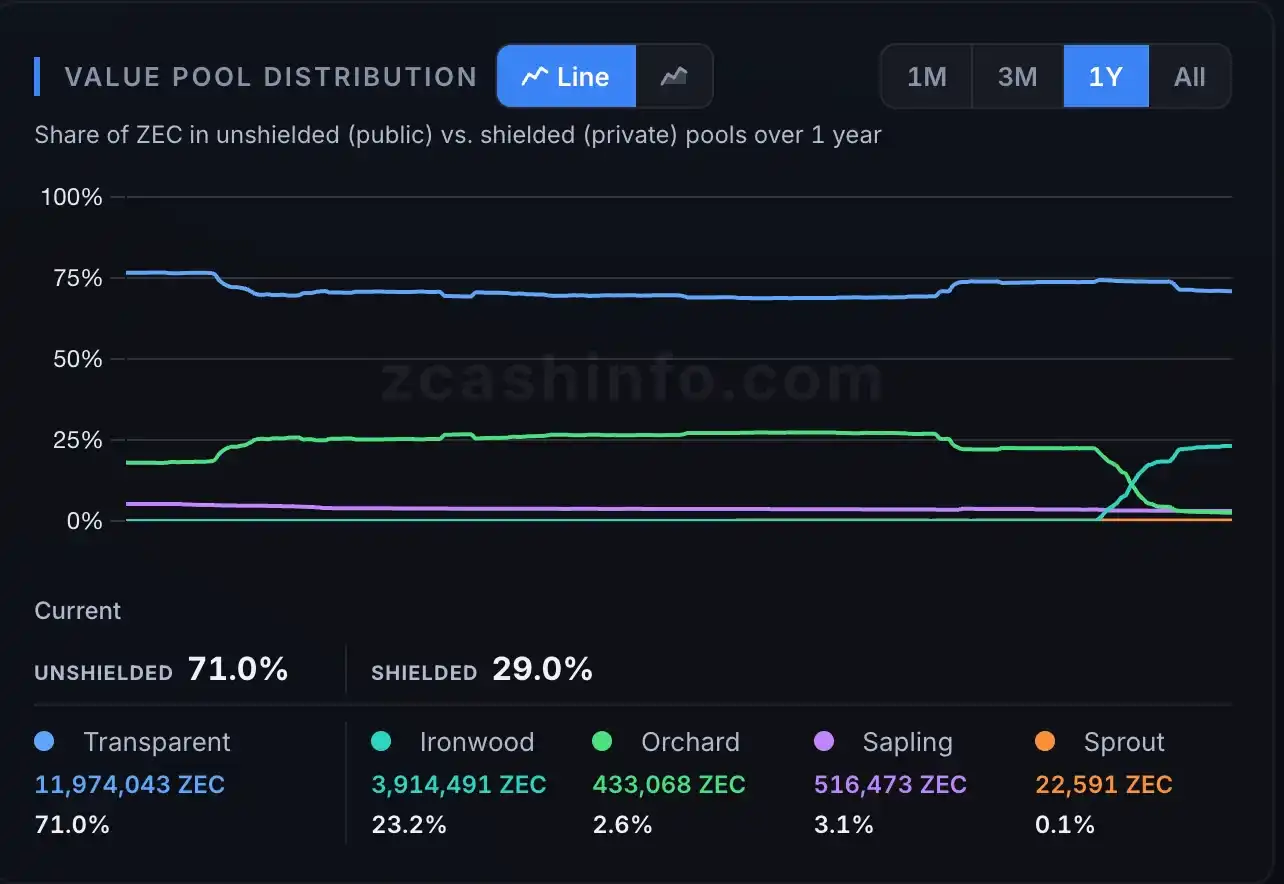
Growth in shielded pool balances has also strengthened the market’s expectation of tighter supply. As of Sept. 9, about 29% of ZEC had entered shielded pools. Ironwood accounted for 23.2% of total supply, making it the largest shielded pool at present. As more ZEC moves into shielded status, the amount readily available for free circulation and trading is shrinking.
From that perspective, Grayscale’s ZEC bet is not simply a trade on a token that is already going up. It is also a bet on an asset with room for narrative expansion, a more workable compliance base, product potential, and a chance to be repriced by Wall Street.
Privacy started the move, but capital is deciding the repricing
Viewed as a whole, the privacy narrative looks more like the spark than the engine. Capital has been the key force behind ZEC’s repricing. How far the rally can go from here still depends on whether fresh money keeps arriving and whether the market can maintain a shared conviction around the trade.