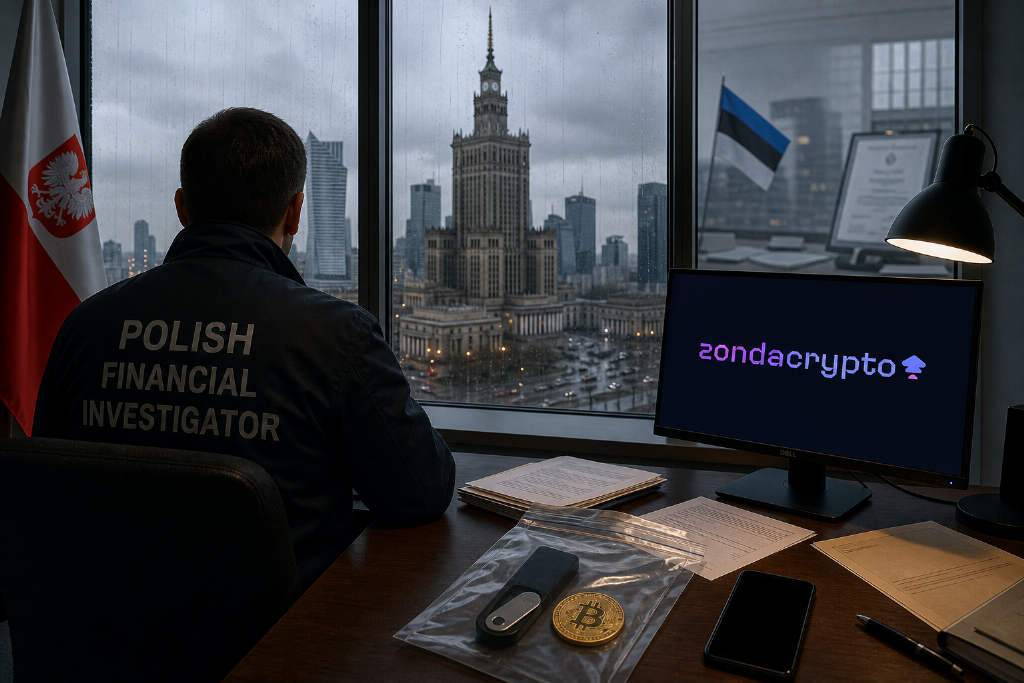
European crypto exchange Zondacrypto is facing a deepening crisis, according to The New York Times. Founder Sylwester Suszek disappeared in 2022, and Przemyslaw Kral, the executive who later took over as CEO, has also been missing since April this year. The case has renewed scrutiny of fund security and oversight in the crypto sector.
Zondacrypto, formerly known as BitBay, was founded in Poland in 2014 and was once one of the largest crypto exchanges in Central and Eastern Europe. Suszek, described by Polish media as the "king of crypto," disappeared near a fuel depot in southern Poland in March 2022. His family later received messages from suspected kidnappers demanding a bitcoin ransom, and Polish prosecutors opened an investigation into alleged unlawful deprivation of liberty.
After Suszek vanished, Kral, a lawyer and Suszek’s assistant, took over operations. In April, the Zondacrypto website went offline, leaving users unable to withdraw funds or trade. Kral had said the platform held more than $330 million in bitcoin reserves, but claimed access to those assets required digital keys controlled by Suszek. That statement drew questions because the related wallets had shown no activity for an extended period. Estonia’s financial intelligence unit revoked the operating license of the exchange’s parent company on June 29, while Polish prosecutors are now examining how Zondacrypto was established and run.
European crypto exchange Zondacrypto has fallen into crisis, with founder Sylwester Suszek disappearing in 2022 and his successor as CEO, Przemyslaw Kral, also going missing in April this year, according to The New York Times.
The case has again drawn attention to fund security and regulatory issues in the crypto industry. Zondacrypto, formerly BitBay, was founded in Poland in 2014 and was once one of the largest crypto exchanges in Central and Eastern Europe.
Founder vanished in 2022 and family later received bitcoin ransom demands
Suszek was described by Polish media as the "king of crypto." In March 2022, he disappeared near a fuel depot in southern Poland. His family later received messages from suspected kidnappers demanding bitcoin as ransom.
Polish prosecutors had already opened an investigation into allegations including unlawful deprivation of liberty.
Successor took over, then platform shut down and users lost access
After Suszek disappeared, Kral, a lawyer and Suszek’s assistant, took over the company’s operations. In April this year, the Zondacrypto website went offline, and users were no longer able to withdraw funds or trade.
Kral had said the platform held more than $330 million worth of bitcoin reserves, but that access to those assets required digital keys controlled by Suszek. That claim drew questions because the related wallets had shown no activity for a long period.
License revoked as prosecutors examine the company
Zondacrypto had previously said it had about 1.3 million users and had expanded its profile through sponsorships involving football clubs and the Polish Olympic Committee.
As withdrawal problems persisted, Estonia’s financial intelligence unit revoked the operating license of its parent company on June 29. Polish prosecutors are now investigating the establishment and operation of Zondacrypto, and Kral has not appeared publicly for several months.
This article was originally published by Bit.Fan. For more cryptocurrency news and market insights, visit www.bit.fan. Disclaimer:
The market information, project data, and third-party content displayed on this platform are for industry information sharing only and do not constitute any form of investment advice or return commitment.
Cryptocurrency trading carries high risks. Users should fully assess their risk tolerance and make independent decisions. All profits, losses, and legal responsibilities are borne by the users themselves.