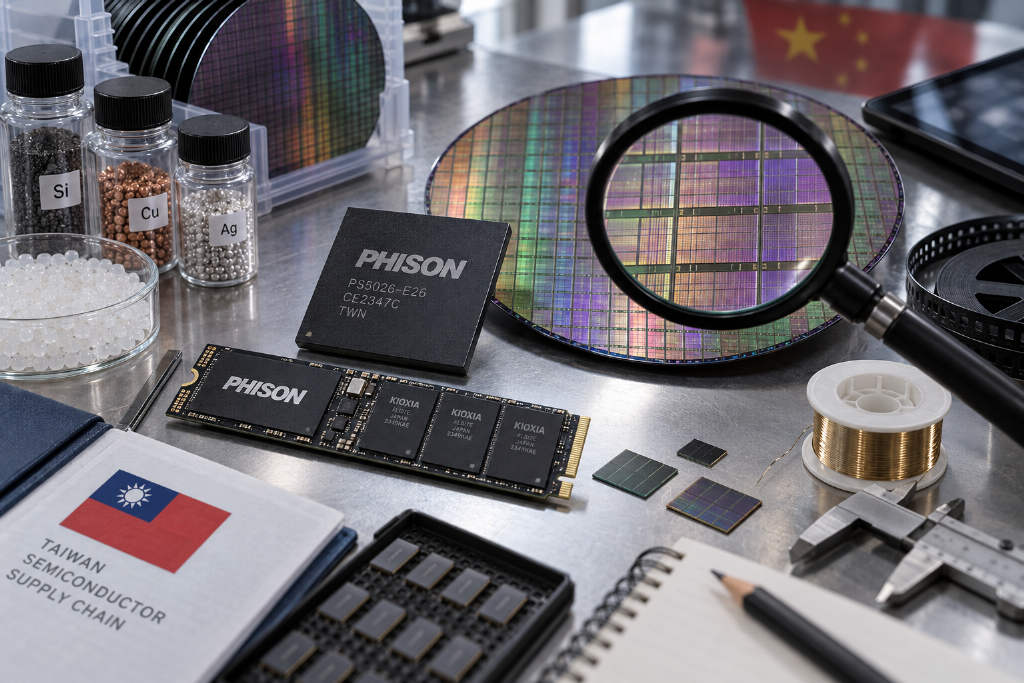
Phison2026-10-16 03:32:31Phison CEO K.S. Pua says CXMT's 4F² memory push is a market scare, not a near-term supply shiftPhison Electronics CEO K.S. Pua pushed back against market anxiety after Chinese DRAM maker ChangXin Memory Technologies, or CXMT, said it had completed the design of a next-generation 4F² memory cell architecture. In comments published after an Oct. 15 interview with Economic Daily, Pua said the reaction looked more like a "market ghost story" than an immediate competitive threat. His point was simple: a newly announced technology does not translate into instant mass production. Pua said the path from design disclosure to commercial output still runs through validation, yield improvement and full-scale manufacturing, all of which take time. He argued that the current shortage in memory supply will not be resolved in the short term and said Phison is still seeing strong customer demand. According to him, the company is not worried about a lack of orders; it is more concerned about shortages in materials that could delay shipments. The report also noted prior market pressure across memory stocks after news that CXMT, described as the world’s fourth-largest DRAM producer, aims to launch DDR5 server memory using the technology by the end of 2026. Elon Musk had also weighed in earlier, saying China can scale production faster than many expect once it masters a manufacturing process, though he added memory may be different because HBM and 3D stacking remain harder to catch up on.20
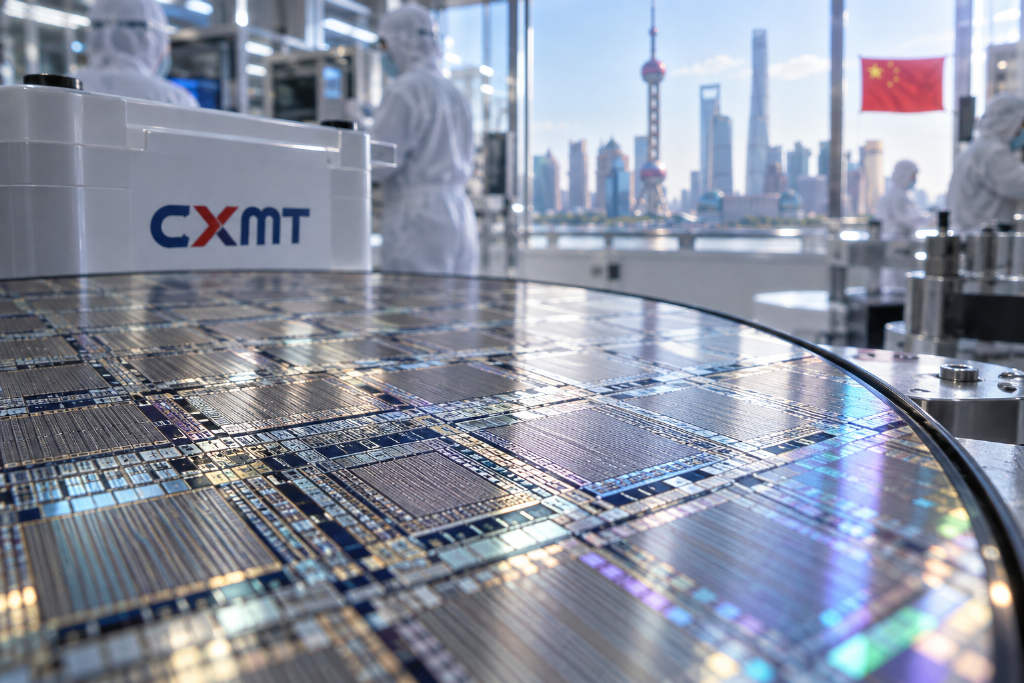
CXMT2026-10-12 00:46:13CXMT says it made key progress on a 4F² memory architectureChinese memory chipmaker ChangXin Memory Technologies, or CXMT, said it has made key progress on a new memory architecture built around a 4F² cell design. The company said the structure is intended to raise memory density by fitting more cells onto a single chip while also improving efficiency. CXMT President Cao Kanyu said at an industry event in Shanghai that the company plans to launch a new server memory product based on the design by the end of 2026, according to a company statement. Samsung Electronics and SK Hynix are also working on similar structures to increase memory density. CXMT said the 4F² design means each memory cell occupies an area of 4F², with F referring to the minimum semiconductor feature size. Mainstream commercial DRAM products currently use a 6F² cell structure.210