‹ BackBNP Paribas

BNP Paribas

HSBC
2026-08-19 14:45:42

HSBC and Standard Chartered complete first live interbank tokenized-deposit transaction on Swift ledger

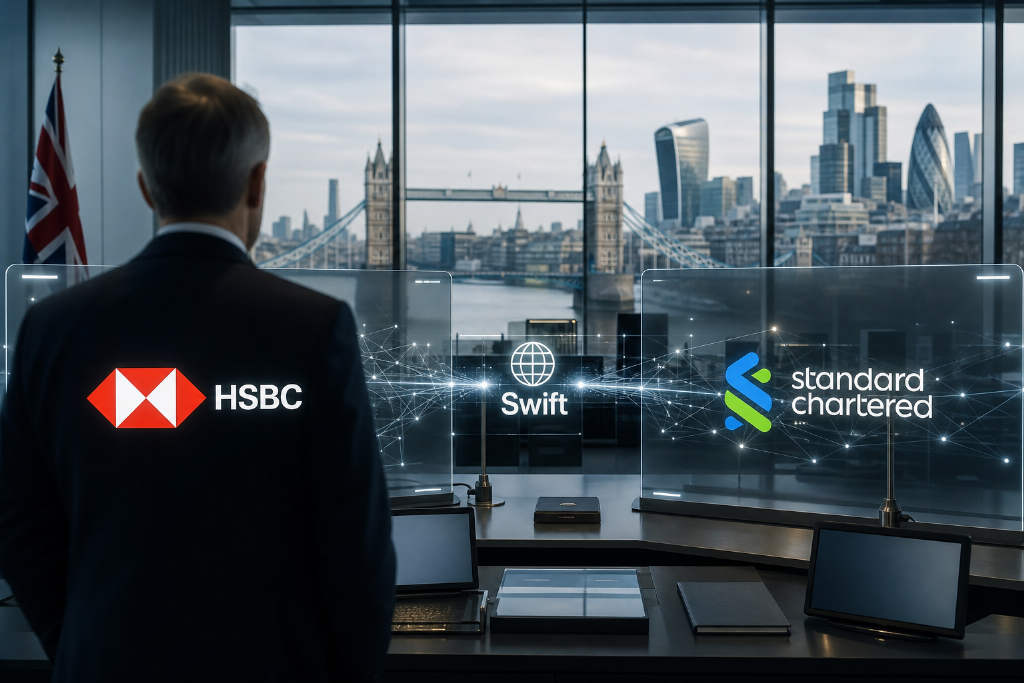
HSBC and Standard Chartered have completed the first live cross-border bank-to-bank tokenized-deposit transaction on Swift’s blockchain-based ledger, moving the system from initial readiness to its first interbank use. The banks exchanged payment messages through the shared ledger and recorded the resulting obligations on HSBC’s Tokenised Deposit Service and Standard Chartered’s tokenized-deposit infrastructure. Swift then matched and netted those obligations, while final settlement was completed through existing systems. The setup is designed to let separate bank-issued tokenized-deposit platforms work together rather than forcing participants onto a single infrastructure. Swift and the two banks said the model could help corporate and institutional clients move liquidity across institutions outside conventional operating hours. The announcement did not disclose the size of the payment, the currencies involved, or the geographic corridor, and it did not say whether the transfer was routine production activity or a controlled live transaction. The deal follows Swift’s July update that its ledger was ready for initial use, with 17 banks across six continents preparing to pilot live transactions.

500
HSBC and Standard Chartered complete first live interbank tokenized-deposit transaction on Swift ledger
global bond m
2026-08-19 03:00:00

Long-Dated Sovereign Yields Surge Across the U.S., Europe and Japan as Global Bond Selloff Deepens

Global sovereign bond markets are going through one of their sharpest selloffs in decades, with long-dated yields rising under pressure from inflation concerns, fiscal expansion and a structural decline in demand from traditional buyers. In the U.S., the 30-year Treasury yield touched 5.33% this week, its highest level since 2007, while comparable yields in France, Germany, the U.K. and Japan also climbed to multi-year highs. According to figures cited by Wallstreetcn and Bloomberg-compiled data, the average yield on a benchmark basket of investment-grade sovereign debt has risen to about 4.5%, the highest since records began in 2015. The report says the move is being driven less by a jump in inflation expectations and more by higher real yields, as investors demand more compensation to hold long-duration debt. On the supply side, heavier issuance by governments and even tech companies is adding pressure, while on the demand side, pensions and other traditional long-bond buyers are becoming less dominant. Strategists and asset managers remain divided on whether the repricing now offers value or whether yields may need to rise further before returns on long-duration bonds become more attractive.

520
Long-Dated Sovereign Yields Surge Across the U.S., Europe and Japan as Global Bond Selloff Deepens
Hong Kong dol
2026-08-16 01:25:00

One Year After Hong Kong’s Stablecoin Licensing, the Market Still Looks Lukewarm

Nearly a year after Hong Kong moved ahead with its first Hong Kong dollar stablecoin licenses, industry sentiment remains cautious rather than enthusiastic. People close to the local stablecoin business told the author that Standard Chartered-backed AnchorPoint Fintech has shown a more proactive stance, while HSBC has been far less eager. Several licensed crypto exchanges in Hong Kong are also testing or participating tactically, but many do not yet see a clear path to profits. The report argues that the current setup has created a mismatch: some institutions that strongly want to explore Hong Kong dollar stablecoin use cases have not been given a leading role, while some institutions that did receive licenses or central positions are seen as lacking strong commercial motivation. That gap, in the view of market participants cited in the piece, has left the sector with licenses in hand but limited momentum. The article also places Hong Kong in a broader global context. Euro, yen and won stablecoin efforts are described as facing their own structural limits, from low market share and slow adoption to restrictive institutional design and unresolved regulatory disputes. Against a global stablecoin market of nearly $308.3 billion, with dollar stablecoins accounting for 98%, non-dollar stablecoins continue to lag.

1100
One Year After Hong Kong’s Stablecoin Licensing, the Market Still Looks Lukewarm
HKD stablecoi
2026-08-14 03:10:05

Hong Kong dollar stablecoins lose momentum after licensing debut

Hong Kong’s first licensed HKD stablecoin push has cooled sharply, according to a Foresight News report that cites multiple people close to the business. The article says enthusiasm for stablecoins in general has not translated into confidence in Hong Kong dollar stablecoins specifically, even after the Hong Kong Monetary Authority issued its first two licenses in April 2026. Standard Chartered-backed Anchorpoint Fintech is described as the more proactive player, while HSBC is portrayed as far more cautious and more interested in tokenized deposits than stablecoins. The report says market participants now fall into several camps: firms that want exposure but doubt the business case, firms that joined only because regulation pushed them in, and firms with clear use cases and motivation that remain outside the core structure. Among licensed crypto exchanges, reactions range from outright pessimism to limited testing paired with strategic caution. One exchange source said HKD stablecoins do not offer a visible path to profit, especially as licensed exchanges in Hong Kong are themselves still losing money. Foresight also places Hong Kong in a broader global context, arguing that non-dollar stablecoins are struggling across major financial centers. It points to weak market share for euro stablecoins, restrictive trust-bank rules in Japan, and delayed policymaking in South Korea. With the global stablecoin market nearing $308.3 billion and dollar stablecoins accounting for 98%, the report argues Hong Kong has launched early but without strong market conviction.

460
Hong Kong dollar stablecoins lose momentum after licensing debut
U.S. Treasury
2026-08-12 07:05:12

Treasury wording shift fuels bets on smaller long-dated U.S. bond auctions

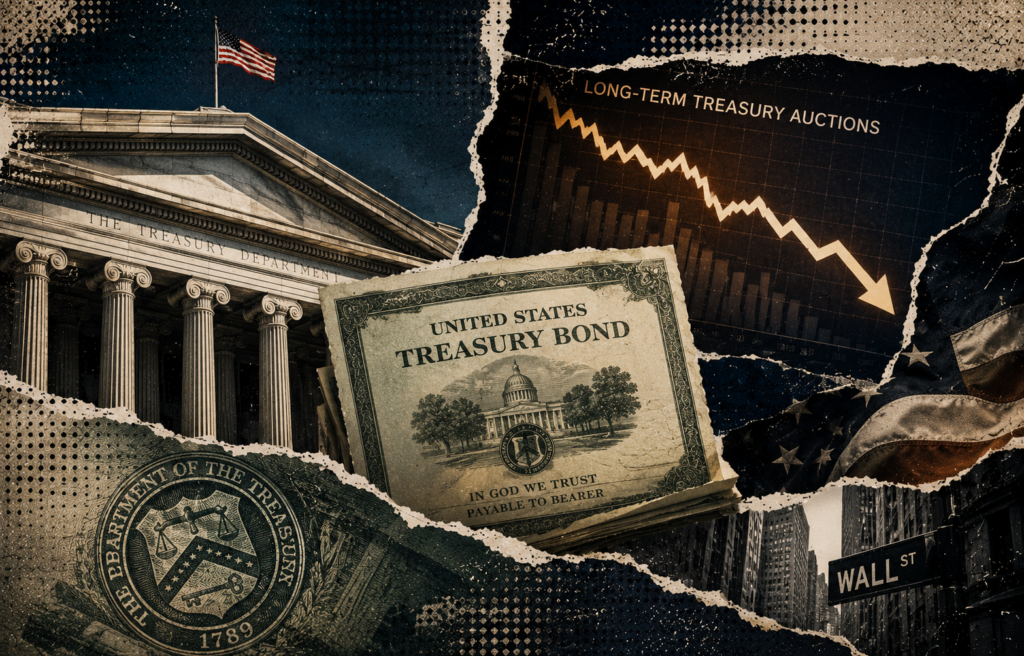
A subtle wording change in the U.S. Treasury’s latest quarterly refunding statement has prompted Wall Street to revisit expectations for long-dated bond supply. The department replaced “future potential increases” with “future potential adjustments” in its outlook for coupon auctions, a move markets read as a possible sign that 20-year and 30-year Treasury auction sizes could be reduced. The reaction stems in part from a similar episode in October 2023, when the Treasury unexpectedly slowed the pace of long-dated issuance. In the following two months, the 30-year Treasury yield fell from near 5.18% to just above 4% by year-end, a drop of more than 1 percentage point. Strategists are split on what the latest signal means. TD Securities sees scope for easing pressure at the long end if supply is trimmed, with May next year marked as an early window to watch. Deutsche Bank and CIBC are more skeptical, arguing the government’s funding needs remain too large for any meaningful pullback and warning that heavier short-dated issuance would only shift rate pressure to another part of the curve. For crypto markets, the issue matters because lower long-term risk-free yields have historically coincided with looser liquidity conditions that can support valuations for assets such as Bitcoin.

1410
Treasury wording shift fuels bets on smaller long-dated U.S. bond auctions
Federal Reser
2026-08-11 10:30:08

Two inflation reports are set to test Warsh as September rate decision nears

Federal Reserve Chair Warsh is heading into a critical stretch, with two inflation readings due over the next month likely to shape whether officials raise rates in September or stay on hold. Nick Timiraos, the Wall Street Journal reporter often seen as a closely watched Fed chronicler, wrote that Warsh has made lower inflation the centerpiece of his tenure, but a vague press conference after the July meeting raised fresh doubts about whether he is willing to follow tough rhetoric with action. Economists expect July core CPI to rise 0.2% month over month, a level Timiraos described as broadly consistent with the Fed’s 2% inflation goal. A hotter reading would increase pressure on Warsh, especially with core inflation in the Fed’s preferred gauge already at 3.3% in June, up from 2.8% a year earlier. The article also points to growing internal strain: several voting members have publicly signaled they could back a rate hike if inflation does not improve, and some officials moved after the July meeting to clarify policy logic that Warsh did not clearly lay out himself.

1720
Two inflation reports are set to test Warsh as September rate decision nears
BingX
2026-08-05 09:38:01

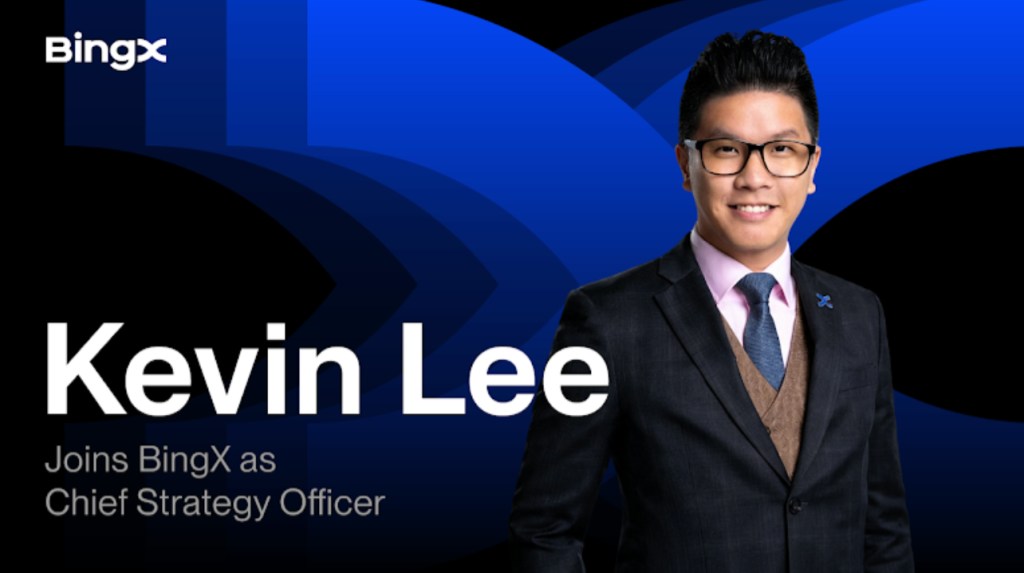
BingX names Kevin Lee as chief strategy officer to steer multi-asset push

BingX has appointed Kevin Lee as its chief strategy officer, handing him responsibility for the exchange’s long-term strategy across platform development, business growth, and ecosystem expansion. The move comes as the company says it is shifting from a native crypto trading focus toward a one-stop multi-asset trading platform designed to connect opportunities across digital assets and traditional finance. According to the company, Lee brings more than 20 years of experience spanning institutional finance, electronic markets, fintech, and digital assets. He entered the digital asset sector in 2013 and previously held senior roles at multiple digital asset firms, where he worked on business growth, institutional adoption, and market development. Earlier in his career, he worked at JPMorgan, Macquarie Group, and BNP Paribas, focusing on electronic trading, market structure, algorithmic execution, and fintech in the Asia-Pacific region. BingX said Lee will lead long-term initiatives tied to platform innovation, ecosystem development, and product strategy. The company also highlighted its broader business profile, saying it was founded in 2018, serves more than 40 million users globally, and offers AI-driven products across derivatives, spot trading, copy trading, and TradFi-related services.

1690
BingX names Kevin Lee as chief strategy officer to steer multi-asset push
US stocks
2026-08-04 04:57:07

Oil Slump Lifts Risk Appetite as Amazon Tops $3 Trillion in AI-Led Wall Street Rebound

Wall Street opened August with a broad risk-on move as falling oil prices, lower Treasury yields and a renewed bid for AI and cloud stocks pushed major U.S. indexes higher. The Dow Jones Industrial Average rose 1.32% to a record close, while the Nasdaq Composite gained 2.13% and the S&P 500 climbed 1.48%. Markets repriced energy risk after U.S. President Donald Trump said talks with Iran had begun and suggested the Strait of Hormuz could reopen soon. Iranian officials denied direct talks with Washington, saying discussions were limited to shipping security arrangements with Oman, but crude still sold off sharply. WTI dropped 7.42% and Brent fell about 6%, easing inflation pressure and helping Treasuries rally. The 10-year U.S. yield slipped about 5 basis points to around 4.68%, while gold held above the $4,000 mark. The strongest equity action came from AI and cloud names. Amazon rose 4.58% and crossed a $3 trillion market capitalization for the first time after stronger-than-expected AWS results. Nvidia gained nearly 3% and moved back above $5 trillion, Meta rose more than 6%, and Microsoft and Google each added close to 5%. Crypto-linked stocks also mostly advanced, with SoFi Technologies up more than 10%, IREN up over 8%, and Hut 8 and Robinhood both up more than 4%.

2030
Oil Slump Lifts Risk Appetite as Amazon Tops $3 Trillion in AI-Led Wall Street Rebound