CXMT
Oct 29, 2026

CXMT turns down Apple pricing requests twice as AI memory demand reshapes supplier leverage

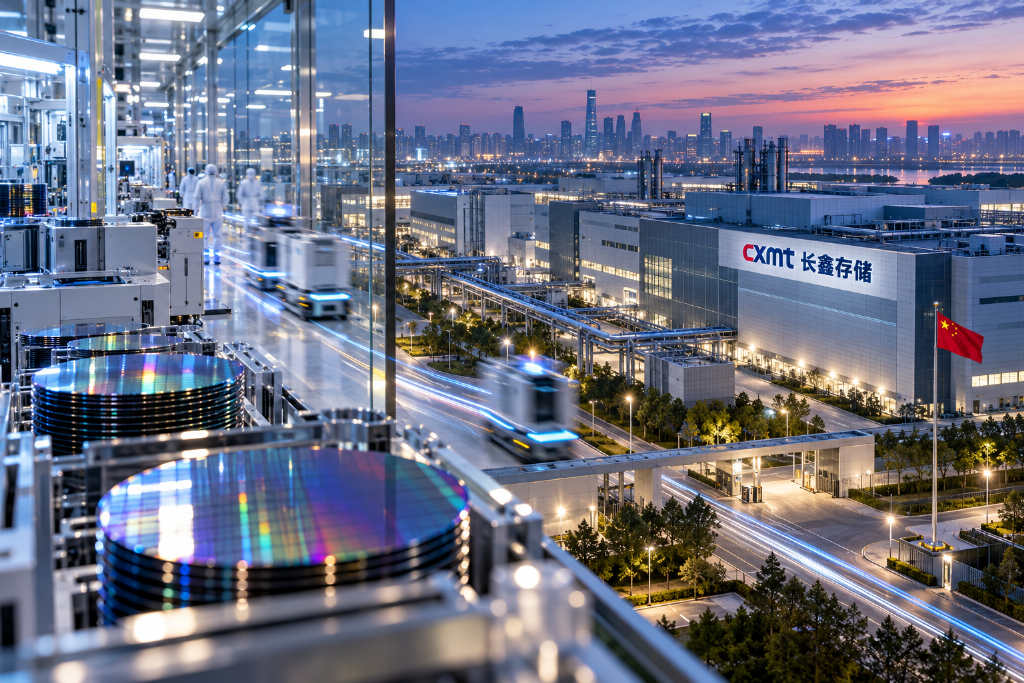
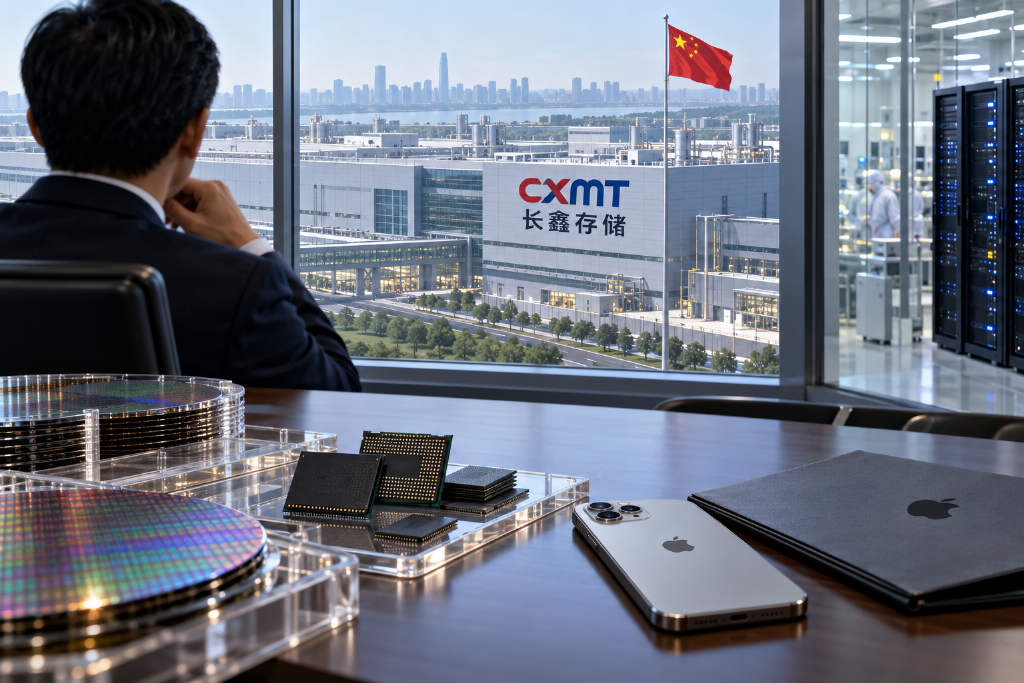
ChangXin Memory Technologies, or CXMT, has twice declined to meet Apple’s pricing expectations for DRAM supply in less than three months, according to a MarsBit report citing Wccftech and supply-chain media. The latest episode involved CXMT refusing to provide a quotation for Apple’s DRAM demand, after an earlier August round in which Apple sought lower pricing for LPDDR5X mobile DRAM and the talks failed. The report says Apple wanted quotes below those offered by Samsung, SK hynix, and Micron, while CXMT replied in August that its pricing could not come in below Korean rivals and that some models built on in-house processes would be priced even higher. The article argues that the balance of power is shifting because AI servers are absorbing global DRAM capacity and pushing memory prices higher. It cites The Wall Street Journal as saying memory and storage chip prices have tripled since Google, Microsoft, Meta, and Amazon sharply increased capital spending budgets last year. Against that backdrop, CXMT’s current business is described as being driven mainly by domestic Chinese customers including Huawei, Xiaomi, and Lenovo, with roughly 90% of its capacity serving the local market. The report adds that future negotiations with Apple remain possible as CXMT expands output, while policy uncertainty in the United States and Apple’s own supply concerns could shape the next round.

660
CXMT turns down Apple pricing requests twice as AI memory demand reshapes supplier leverage
CXMT
Oct 29, 2026

CXMT warns of fake recruitment posts using its name online

Chinese memory chip maker ChangXin Memory Technologies, or CXMT, issued a warning on Oct. 29 after it again found criminals and illegal intermediaries using the names 「长鑫科技」「长鑫集团」 and 「长鑫存储」 to spread fake job postings on online platforms, according to Cailian Press as cited by ChainCatcher. The company said job seekers should not download unknown software, click unfamiliar links, or provide sensitive personal information to unofficial contacts. It also warned against paying fees or completing tasks in exchange for recruitment opportunities. In the same notice, CXMT said people should not trust false promises circulated by unofficial social media accounts, including fabricated job locations and salary information. The alert focused on recruitment scams and did not disclose further details about the parties involved.

430
CXMT warns of fake recruitment posts using its name online
CXMT
Oct 28, 2026

CXMT plans HBM3E memory production, but most chips fail quality tests

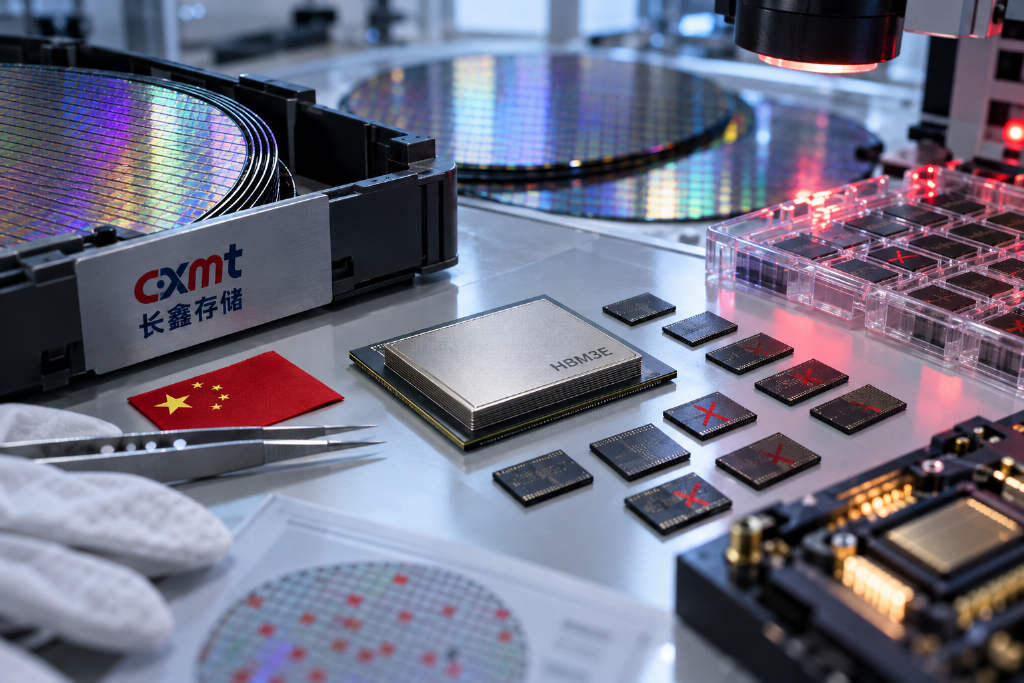
Chinese memory chipmaker ChangXin Memory Technologies, or CXMT, is planning to produce HBM3E memory chips to address demand tied to artificial intelligence applications. The move points to China’s strategic push in AI memory despite export controls, according to the report cited by Techub News. At the same time, the company is facing manufacturing hurdles. The report said most of its chips have not passed quality testing, yields remain low, and CXMT still trails international rivals in technology. The item cited Crypto Briefing as the source of the information.

660
CXMT plans HBM3E memory production, but most chips fail quality tests
Artificial Intelligence
Oct 27, 2026

Reuters: China AI and chip shares slide as STAR50 drops 40% in under four months

Chinese artificial intelligence and semiconductor shares have fallen as global technology stocks turn volatile, according to a Reuters report published on Oct. 26. The STAR50 Index, which is heavily weighted toward mainland AI and chip leaders, has dropped 40% in less than four months, wiping out about $480 billion in market value. The CSI 300 Index is down about 20% from its June peak, interrupting a rally that had lasted roughly two years, while the Nasdaq has pulled back 6% from its record high three weeks ago. Market participants told Reuters there is no single trigger behind the sell-off. Instead, they pointed to elevated valuations, tax bills, and the possibility that the United States or other countries could bar Chinese equipment from data centers. Goldman Sachs said AI-related stocks account for 42% of China’s market capitalization and 57% of turnover across mainland A-shares and Hong Kong H-shares. Several once-hot names have also retreated sharply, including Unitree, CXMT, MetaX, Moore Threads, Zhongji Innolight and Accelink. Investors and fund managers quoted by Reuters said the correction is exposing speculative excess and may slow listing plans for companies seeking to go public.

520
Reuters: China AI and chip shares slide as STAR50 drops 40% in under four months
Hefei
Oct 21, 2026

Why Hefei’s bets on panels and memory are drawing attention in South Korea

Elon Musk’s repost of a South Korean financial column, followed by his remark that China will produce large amounts of RAM in 2028, has pushed Hefei back into the spotlight. The immediate market focus was ChangXin Memory Technologies, or CXMT, after the company disclosed plans to launch DDR5 based on a 4F² architecture by the end of this year. Shares of Samsung Electronics, SK Hynix and Micron fell after that disclosure, even as some analysts said the sell-off looked excessive. The article argues that South Korea’s sensitivity is rooted in experience. Hefei had already played a major role in reshaping the LCD panel business through its support for BOE, helping build high-generation production lines and a local supply chain that later squeezed Korean manufacturers out of LCD. It says Hefei then applied a similar approach to DRAM by backing CXMT with state capital, land, financing support and long-term tolerance for losses. Rather than framing Hefei as a conventional venture capital success story, the piece says the city’s model is about building industrial autonomy: investing through downturns, creating local demand through clustered manufacturing, and exiting once companies can fund themselves. It also notes that Samsung still holds a strong position in high-end OLED, while Korean memory makers retain deep moats in high-value HBM products.

2300
Why Hefei’s bets on panels and memory are drawing attention in South Korea
Changxin Technology
Oct 19, 2026

CXMT forecasts more than 1.31 trillion yuan in nine-month profit as DRAM price gains lose momentum

Changxin Technology, also known as CXMT, said on Oct. 16 that it expects revenue of 2.65 trillion yuan to 2.70 trillion yuan for the first three quarters of 2026, with net profit attributable to shareholders of 1.31 trillion yuan to 1.325 trillion yuan. On the same day, Chairman Zhu Yiming proposed a share buyback of A-shares worth between 1 billion yuan and 2 billion yuan using the company’s own funds or self-raised funds. Based on the company’s first-half figures, third-quarter revenue works out to roughly 114.69 billion yuan to 119.69 billion yuan, up about 15.25% to 20.3% from the previous quarter, while net profit is estimated at about 53.395 billion yuan to 54.895 billion yuan, up around 1% to 3.9%. The article says that still marks a sharp slowdown from the first and second quarters. The report links the deceleration to a moderation in memory price increases. Sigmaintell said the third quarter saw tougher negotiations between DRAM makers and end-device manufacturers, while TrendForce said contract price increases for conventional DRAM are expected to slow to 10%-15% quarter over quarter in the fourth quarter of 2026. The piece also points to rising depreciation, a high fixed-asset ratio and continued capacity expansion in Hefei, Beijing and Shanghai as key variables for CXMT going forward.

720
CXMT forecasts more than 1.31 trillion yuan in nine-month profit as DRAM price gains lose momentum
ChangXin Technology
Oct 19, 2026

CXMT contract slips again as overseas memory names rebound, down 15% from A-share debut

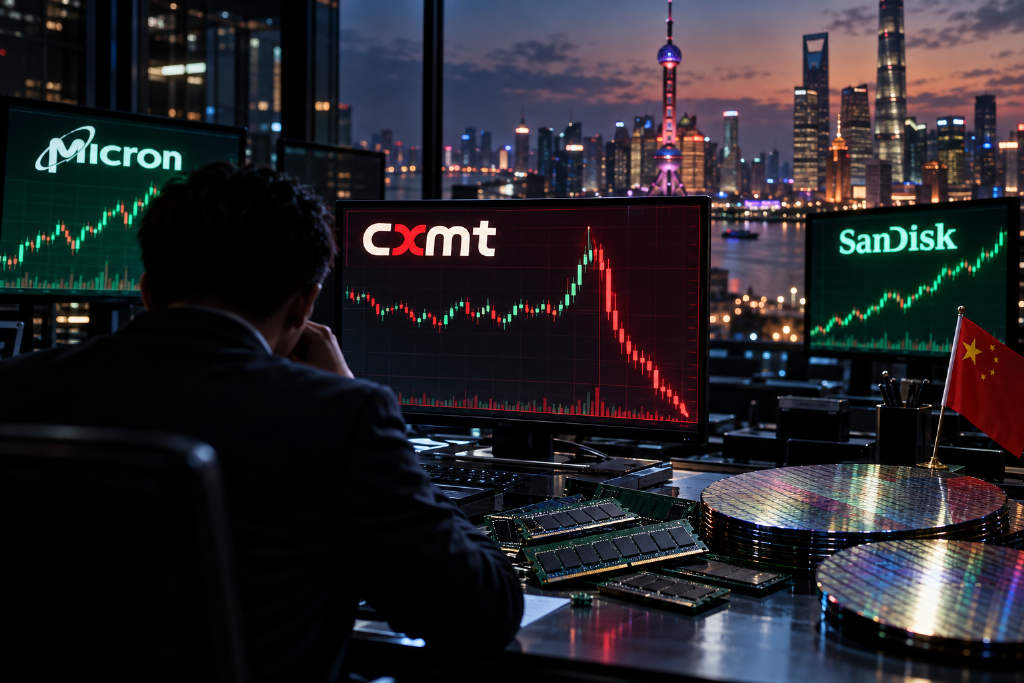
Overseas memory-related names rebounded on Oct. 19, but ChangXin Memory Technologies moved the other way in both equities and crypto-linked contract trading. TradingBeats data showed SKHX on Hyperliquid up about 5.87% from midnight, while Micron (MU) rose about 4.49% and SanDisk (SNDK) gained about 6.51%. In contrast, ChangXin Technology’s A-share was quoted at 41.59 yuan, down about 7.62% from last Friday’s close. The CXMT contract also weakened after a sharp intraday wick the previous day that briefly sent it to around $6. It later recovered, but was quoted at $6.2463 on-chain on Oct. 19, down about 2.04% from midnight and about 5.65% below the day’s high of $6.62. Turnover stood at roughly $12.41 million, while open interest notional value was about $30.26 million. The price was only about 4.17% above the contract’s first-day listing level of $6 on Hyperliquid on July 15, and about 4.80% above the record low trade of $5.964 on July 27. The move came after the company disclosed upbeat earnings guidance and a proposed share buyback. On Oct. 16, ChangXin Technology said it expects first-three-quarter revenue of 265 billion to 270 billion yuan and net profit attributable to shareholders of 131 billion to 132.5 billion yuan, turning profitable year over year. Chairman Zhu Yiming also proposed a buyback of 1 billion to 2 billion yuan in shares. Still, the company’s third-quarter sequential growth was projected to slow sharply from the second quarter.

740
CXMT contract slips again as overseas memory names rebound, down 15% from A-share debut
ChangXin Memory Technologies
Oct 19, 2026

Counterpoint Research and TrendForce project CXMT DRAM wafer capacity to reach 420,000 per month by 2027

Counterpoint Research and TrendForce said on Oct. 18 that Chinese DRAM maker ChangXin Memory Technologies, or CXMT, is expected to expand its monthly wafer capacity from about 320,000 wafers at present to 420,000 wafers in 2027. That implies an increase of roughly 100,000 wafers over a little more than a year, or 31.3%. The industry also expects CXMT’s monthly DRAM wafer capacity to reach between 500,000 and 600,000 wafers by the end of 2028. Using the upper-end estimate of 600,000 wafers, that would represent an increase of 280,000 wafers from the current level, equal to about 87.5% growth. The figures were cited in a ChainCatcher report that attributed the projection to the two market research firms.

760
Counterpoint Research and TrendForce project CXMT DRAM wafer capacity to reach 420,000 per month by 2027
Total 237 items
Go topage