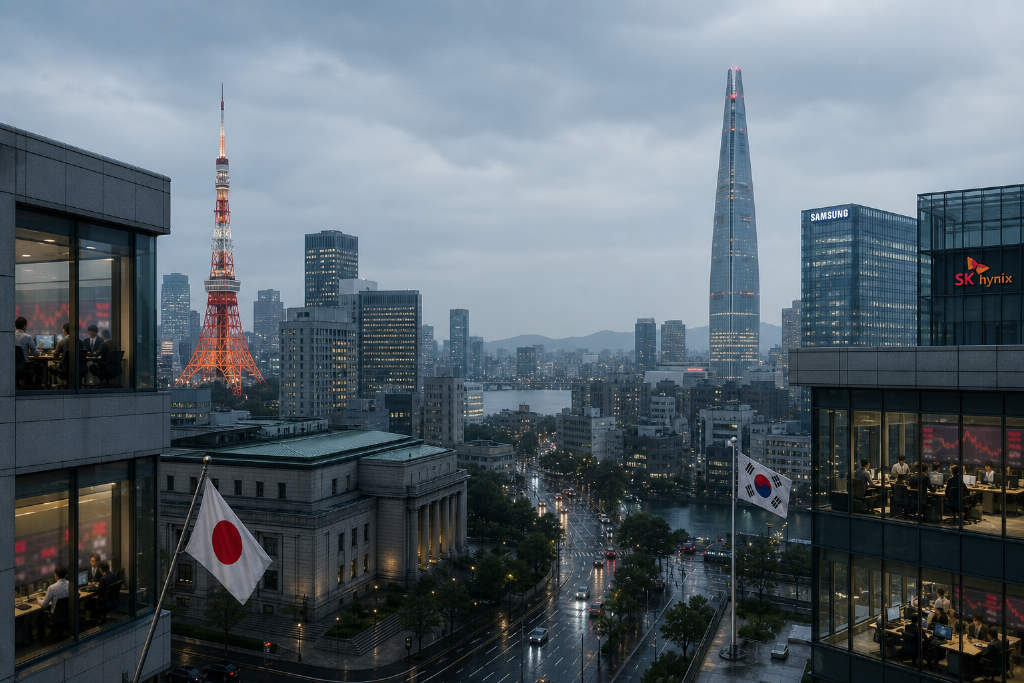
South Korea2026-08-28 06:11:26South Korea's NPS Posts 27.2% H1 Return, Best Half Since 2022According to Jin10, South Korea's National Pension Service (NPS) reported a preliminary first-half investment return of 27.2%, marking its best first-half performance since at least 2022. The fund, one of the world's largest pension investors, said on Friday that its assets under management reached 1,866 trillion won, equivalent to roughly $1.35 trillion, as of the end of June. A sharp rally in South Korean equities underpinned the result. With the KOSPI index climbing to fresh record highs, NPS's Korean equity portfolio delivered a return of 107.4%. Overseas equities returned 17.8%. Overseas fixed income gained 9.22% and alternative investments rose 9.6%. Domestic bonds posted a loss of 3%. NPS Chairman Kim Sung-joo attributed the strong performance to favorable movements in both domestic and international equity markets. The fund also noted that the first-half preliminary return already exceeds its record 18.8% full-year return from last year.940
South Korea e2026-08-27 06:33:08South Korea’s KOSPI closes up 1.53% as Samsung Electronics and SK Hynix gainSouth Korea’s KOSPI index closed higher on Thursday, rising 104.16 points, or 1.53%, to 6,912.37, according to market data cited by BlockBeats from Bitget. The move was accompanied by gains in major heavyweight stocks. Samsung Electronics rose 1.72%, while SK Hynix advanced 2.49%. The update was published by BlockBeats on Aug. 27 and focused on the closing performance of the benchmark South Korean equity index and two of its key constituents. No additional market commentary or broader context was provided in the source report.960
Odaily2026-08-27 06:34:43Japan and South Korea stocks close mixed as Nikkei 225 slips and KOSPI risesJapanese and South Korean equities ended the session in different directions, according to Odaily. Japan’s Nikkei 225 Index closed down 0.20% at 66,131.98, while South Korea’s KOSPI Index finished 1.53% higher at 6,912.37. The update was published as a 7x24 newsflash by Odaily, with the two benchmark indexes showing mixed closing performance across the two markets.990
Japan stocks2026-08-27 00:07:22Japan and South Korea stocks open higher, KOSPI rises 2.5% in early tradingJapanese and South Korean equities opened higher, according to Gate data. Japan’s Nikkei 225 Index rose 388.48 points at the open, up 0.59% to 66,650.64. In South Korea, the KOSPI extended its early-session gain to 2.5%. Chip stocks in South Korea also moved up at the start of trading. SK Hynix gained 5%, while Samsung Electronics rose 3%. The move in major memory chip names came alongside the broader advance in the Korean market. The update was published by Odaily as a brief market note under its technology category.910
Odaily2026-08-26 06:33:08South Korea’s KOSPI and Japan’s Nikkei 225 both closed higher on Aug. 26South Korea and Japan’s equity benchmarks both finished in positive territory on Aug. 26, according to data cited by Odaily. The KOSPI closed up 65.47 points, or 0.97%, at 6,808.21. Japan’s Nikkei 225 also ended the session higher, rising 405.73 points, or 0.62%, to 66,262.16. The figures were published in an Odaily newsflash and attributed to Gate data. The update was categorized as a 7X24 H news brief. No additional market context or commentary was provided in the source text.1030
Japan stocks2026-08-26 00:10:14Japanese and South Korean stocks open lower, with Nikkei 225 down 0.52%Japanese and South Korean equities opened lower on Wednesday, according to market data cited by Odaily. The Nikkei 225 Index fell 342.29 points at the open to 65,514.14, a decline of 0.52%. South Korea’s KOSPI Index also started the session in negative territory, down 12.32 points to 6,730.42, marking a 0.18% drop. In South Korea, major memory chip names moved lower at the open as well. Samsung Electronics and SK Hynix both posted declines of less than 1%. The figures were cited from Gate market data.980
South Korea e2026-08-25 06:36:36South Korea’s KOSPI closes 0.68% higher, while Nikkei 225 also ends upMarket data from Bitget on Aug. 25 showed South Korea’s KOSPI index closed higher, adding 45.77 points to finish at 6,742.73, up 0.68% on the day. Among major stocks, Samsung Electronics ended flat, while SK Hynix rose 0.42%. Japan’s Nikkei 225 index also posted gains in the same session. It closed up 328.34 points at 65,856.43, marking a 0.50% increase. The update tracks the closing performance of two key Asian equity benchmarks and two closely watched South Korean chipmakers.980
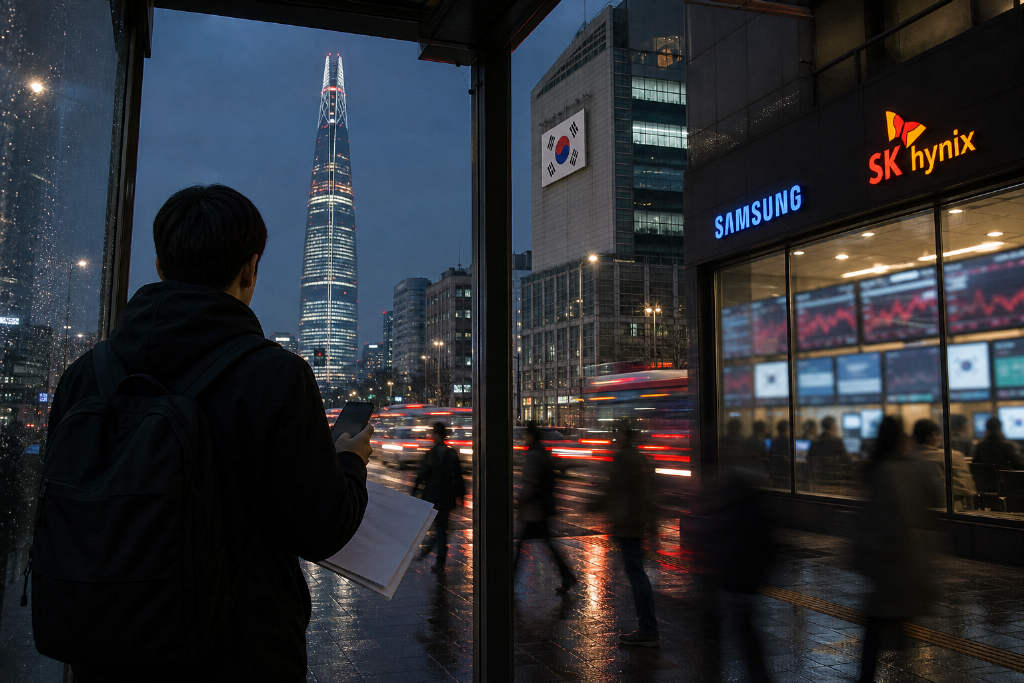
South Korea s2026-08-25 02:53:12Korean chip stock frenzy meets reality as pay gains stay limited and leveraged investors feel the strainA summer rally led by semiconductor names such as SK Hynix and Samsung Electronics pushed South Korea’s stock market to new highs, but the mood on the ground was far less euphoric than social media narratives suggested. In interviews cited by WeChat account Zhiwei and republished by MarsBit, a Samsung Electronics DS division employee and a Korean medical aesthetics business owner described a gap between online stories of broad-based prosperity and the experience of ordinary workers and retail investors. The Samsung employee said wage competition between major chipmakers has mainly focused on core staff such as researchers and management, not the broader workforce. He added that Samsung had not yet completed annual salary talks or paid bonuses, leaving little sense of a companywide income surge. The business owner, meanwhile, said many people around him were drawn into equities by rising prices, media coverage, and fear of missing out, with some using loans or leveraged products to buy popular names including Samsung Electronics and SK Hynix. After repeated market circuit breakers and a sharp pullback, some investors cut spending, sold cars, or faced severe stress as earlier paper gains turned into losses. Even so, the interviewee said he remains constructive on the long-term value of selected Korean and U.S. companies and is still buying in batches.970