OSC

Bitget
2026-07-27 02:30:56

Bitget UEX daily: Oil drops as US-Iran strikes pause, while Big Tech earnings take center stage this week

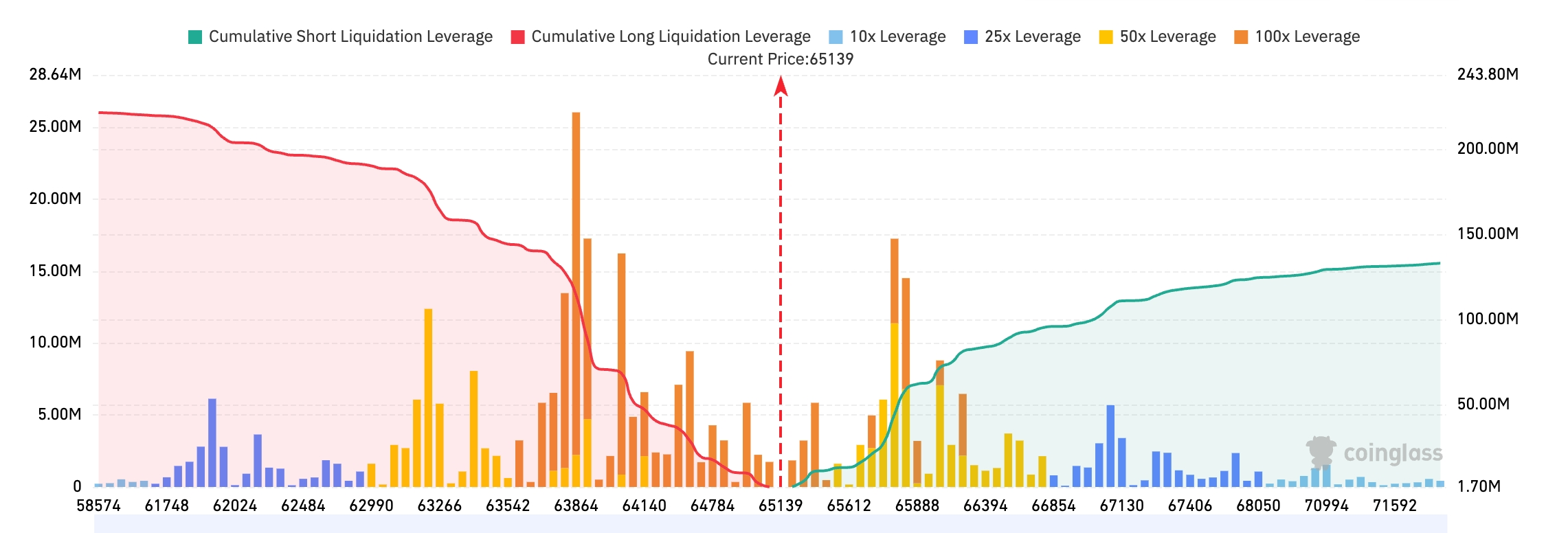
Bitget UEX’s latest market note said easing tensions between the United States and Iran helped push crude prices sharply lower, cooling some of the inflation and rate-hike concerns that had built up during the previous oil rally. The report said the shift improved risk appetite across markets, with crypto recovering alongside other risk assets. BTC traded around $65,195 and ETH around $1,974, while total crypto market capitalization rose to roughly $2.31 trillion. In liquidation data, 24-hour liquidations reached about $213 million, including $160 million in short liquidations. The note also reviewed a mixed close in US equities last Friday. The Dow and S&P 500 ended slightly higher, while the Nasdaq slipped, reflecting continued pressure on technology shares. Apple rose 3.53%, while Nvidia, Amazon, Meta and Tesla fell. Sector performance was uneven as semiconductor, memory and optical communications names sold off, while some software stocks outperformed. Looking ahead, the report highlighted this week’s major macro events, including the Federal Reserve’s rate decision, US core PCE and GDP data, along with earnings from Apple, Meta, Amazon, Microsoft, Qualcomm and SK Hynix.

1480
Bitget UEX daily: Oil drops as US-Iran strikes pause, while Big Tech earnings take center stage this week
POSCO Interna
2026-07-27 01:34:27

POSCO International and LG CNS launch receivables tokenization pilot on Injective

POSCO International, one of South Korea’s major trading companies, has started a pilot project with LG CNS to test the tokenization of trade receivables on the Injective blockchain. The trial uses real trade data from POSCO International’s overseas business and brings issuance, transfer and settlement of receivables onto a shared ledger. The companies say the setup is designed to cut the time spent on reconciliation and verification in cross-border trade, where buyers, sellers and financial institutions typically keep separate records. According to the report, POSCO International generated $22.2 billion in annual revenue and operates across steel, energy and battery materials. A company spokesperson said the pilot is meaningful because it is built on real trade databases and processes, and because it tests the applicability of combining artificial intelligence with blockchain. The plan is to move the project into a live production environment after the pilot is completed this year. The article also places the project in the broader RWA tokenization trend. It cites a current market size of $35 billion and a Citi estimate that the market could reach $5.5 trillion by 2030, while noting that tokenization is expanding from funds and equities into trade finance.

1300
POSCO International and LG CNS launch receivables tokenization pilot on Injective
Bitcoin
2026-07-17 02:00:16

Gaza fundraiser case highlights how Bitcoin is being used to bypass payment restrictions

A fundraising case tied to Gaza is drawing attention to a broader problem in humanitarian finance: raising money online can be fast, but getting it to people in crisis can be far harder once banking rules, sanctions regimes, and anti-money laundering requirements come into play. According to Forbes, Sami Jamal Al-Shannat raised more than £55,000 through GoFundMe for family members affected by the war, only to find that the platform could not send money directly into Gaza. After a 3.9% fee, the remaining funds had to be routed through a designated beneficiary in a supported country, and Sami said he still has not received the full amount after that arrangement broke down. The report uses the case to examine how Bitcoin-based platforms such as Geyser and Agora are trying to change the structure of trust in cross-border aid. Geyser says it vets campaigns and works with more than 100 field partners, while Agora lets donations go straight to wallets controlled by recipients and shifts credibility checks to outside validators. Human rights advocates cited in the piece, including representatives from the Human Rights Foundation and Open Dialogue Foundation, argue that financial compliance rules can block legitimate aid flows and even contribute to what one interviewee called “transnational financial repression.” At the same time, none of the sources claim Bitcoin removes the need for verification, oversight, or accountability.

1270
Gaza fundraiser case highlights how Bitcoin is being used to bypass payment restrictions
Bitget
2026-07-17 02:54:10

Bitget lists four stock perpetual contracts settled in USDT

Bitget has listed four stock perpetual contracts tied to CPNG, PKX, MUFG, and TM, according to an official announcement cited by ChainCatcher. The exchange said the move is intended to meet users’ diversified investment needs. All four contracts are settled in USDT, offer leverage of up to 20x, and are available for trading on a 24/7 basis. The newly listed names correspond to Coupang, POSCO, Mitsubishi UFJ Financial Group, and Toyota Motor.

1300
Bitget lists four stock perpetual contracts settled in USDT
Bitcoin
2026-07-17 02:03:10

Bitcoin Crowdfunding Platforms Are Reworking How Humanitarian Funds Reach People in Crisis

A Forbes report highlighted how conventional crowdfunding and payment rails can fail people caught in war, sanctions, and financial exclusion, even after money has been raised successfully. The story centered on Sami Jamal Al-Shannat, who raised more than £55,000 on GoFundMe for family members in Gaza, only to find that the platform could not pay Gaza directly. After a 3.9% fee, the remaining money had to be sent to a named beneficiary in a supported country, leaving the final transfer dependent on personal trust. Sami said that arrangement later broke down and he still has not received the full amount. The report examined how Bitcoin-based platforms such as Geyser and Agora are trying to redesign that structure. Geyser uses project reviews and a network of more than 100 field partners to assess credibility, while Agora separates validation from fund custody by letting donations go straight to wallets controlled by recipients. Interviewees including Michele Morucci, Mary Kate, Femi Longe, and Lyudmyla Kozlovska argued that the issue is not only moving money across borders, but deciding where trust should sit when traditional financial intermediaries cannot serve affected regions. They also stressed that direct payments do not remove the need for verification, oversight, or accountability.

1180
Bitcoin Crowdfunding Platforms Are Reworking How Humanitarian Funds Reach People in Crisis