Robots, Not Humans, Are Becoming the New Native Residents of Virtual Worlds
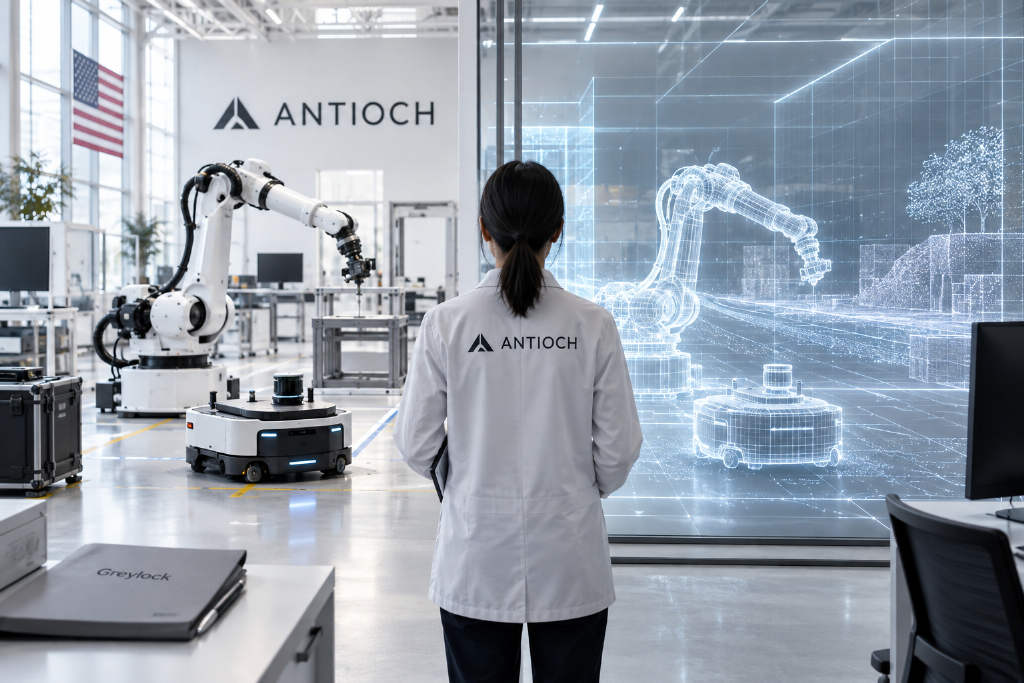
Antioch, a U.S. startup focused on training and validating robots inside digital environments that closely mirror the real world, closed a $32 million Series A on Sept. 8 led by Greylock. Combined with an $8.5 million seed round completed earlier this year, the company has raised $40.5 million in a little over a year. PANews said Antioch is part of a broader wave of companies drawing fresh capital as Physical AI becomes a new investment focus across the AI sector. The report argues that the infrastructure once grouped under the metaverse narrative never really disappeared. Instead, its center of gravity has shifted. NVIDIA’s Omniverse, once described as a foundation for the metaverse, is now defined on NVIDIA’s website as a set of libraries and microservices for building Physical AI applications, with product focus moving toward industrial digital twins, robot simulation and autonomous driving. PANews also points to a growing stack of specialized companies rebuilding a practical version of the virtual world: NavVis in spatial data capture, NdotLight in SimReady 3D assets for robot simulators, and Treble in acoustic simulation. The common thread is not immersion for consumers, but realism for machines. In this version of the virtual world, robots use simulation as a training ground before entering the physical world.