PICC

PICC
2026-08-31 08:40:56

PICC vice president says CXMT investment returned more than 20x, with more projects in reserve

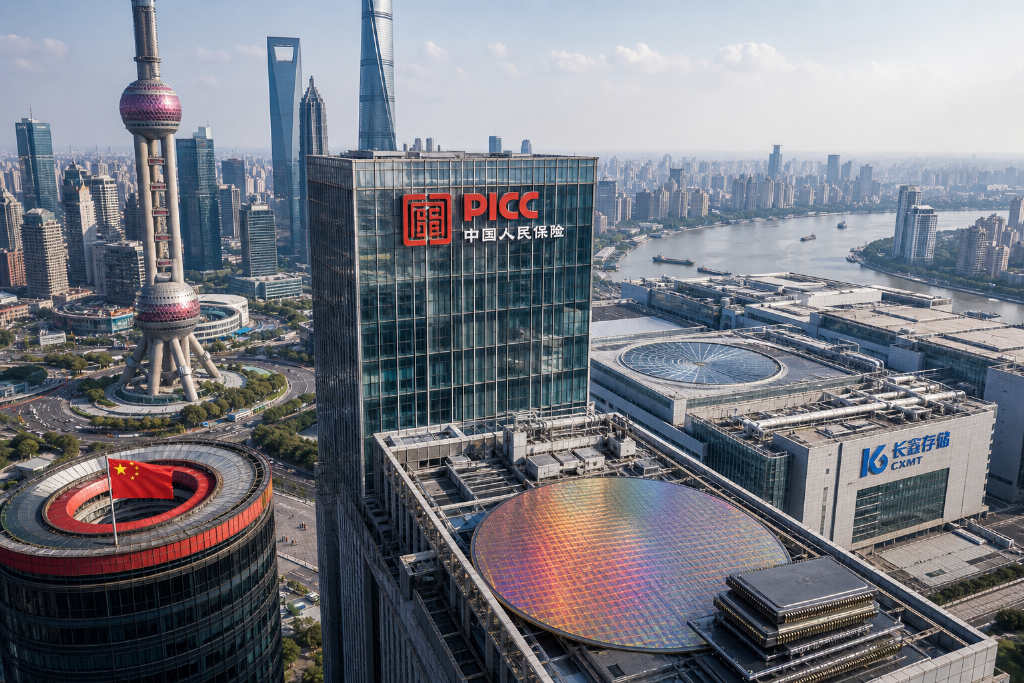
People's Insurance Company of China, or PICC, said an early investment in ChangXin Memory Technologies (CXMT) has generated a return of more than 20 times, based on the company's closing price on its July 27 debut day on Shanghai's STAR Market. The comment came from PICC Vice President Cai Zhiwei during the insurer's 2026 interim earnings briefing. Cai said PICC invested in CXMT in 2021 and used the stock's closing price on the day of its initial public offering to measure the gain. He also said the company will stick to a long-term investment approach and continue work around the "five major areas" of finance. According to Cai, PICC has already placed a batch of quality projects into its project reserve pool, and those investments may also deliver solid returns. The item was cited by Odaily, which referenced Jin10 as the source.

50
PICC vice president says CXMT investment returned more than 20x, with more projects in reserve
ChangXin Tech
2026-08-04 12:24:08

Who backed ChangXin Technology to its blockbuster listing? Hefei state capital, follow-on investors and Zhu Yiming stand out

ChangXin Technology made its STAR Market debut on July 27 and immediately reached a market value of RMB 3 trillion, making it the most valuable listed company in China’s A-share market and the largest technology company ever listed there by market capitalization. The story behind that listing is not a single investor win. It is the result of a decade-long funding chain that started with Hefei state-owned capital, expanded through nine financing rounds from 2018 to June 2025, and eventually involved 60 pre-IPO shareholders plus 30 strategic investors at the IPO stage. According to the report republished by MarsBit from the WeChat account Dushuyizhi, Hefei state capital emerged as the biggest financial winner, holding about 22.138 billion shares, or roughly 33.1% of the company, through several entities after the offering. Based on the first-day closing price of RMB 49 per share, that stake was worth RMB 1.08476 trillion. The report said that figure is roughly 70% of Hefei’s 2025 GDP of about RMB 1.421 trillion. The report also highlighted the role of founder Zhu Yiming and the management team, whose holdings approached RMB 98.6 billion on the first trading day, with Zhu’s personal stake valued at RMB 77.9 billion. External investors also posted outsized gains. Alibaba-related entities held more than 3.013 billion shares in total, valued at RMB 147.6 billion at the first-day close. Behind the listing, the report described three core forces: Hefei state capital, relay financing from state, industrial and insurance investors, and a founder-led operating team under a no-controlling-shareholder governance structure.

1540
Who backed ChangXin Technology to its blockbuster listing? Hefei state capital, follow-on investors and Zhu Yiming stand out
China Life
2026-07-22 11:42:07

Why China Life Sold GigaDevice: a disciplined rebalance behind a 682 million yuan exit

China Life Insurance said eight of its asset-management accounts sold about 1.1097 million shares of GigaDevice Semiconductor, cashing out roughly 682 million yuan in a trade completed on July 8 at prices between 611.46 yuan and 624.61 yuan per share. The sale came after GigaDevice had already fallen about 30% from its July 1 intraday record high of 843.38 yuan, following a sharp rally that had taken the stock from around 55 yuan in 2024 to one of the most crowded names in China’s semiconductor trade. The insurer described the move as a routine investment action based on portfolio allocation needs. On the same day it disclosed the reduction, China Life also said its asset arm had posted more than 10 billion yuan of net purchases in A-share and listed and over-the-counter equity funds, targeting broad-based ETFs and sectors tied to modern industrial systems and new quality productive forces. The article places those two actions in the same framework: tactical profit-taking in a single stock and strategic accumulation of equities at the portfolio level. It also links China Life’s move to a wider practice among long-term institutional investors, citing examples from BlackRock, Vanguard, Norway’s GPFG and CalPERS to argue that rebalancing is a standard discipline used to bring portfolios back to target risk exposures rather than a directional call on one asset.

1030
Why China Life Sold GigaDevice: a disciplined rebalance behind a 682 million yuan exit