OpenClaw 2.0 lands with shared sessions, rebuilt setup flow and broader security controls
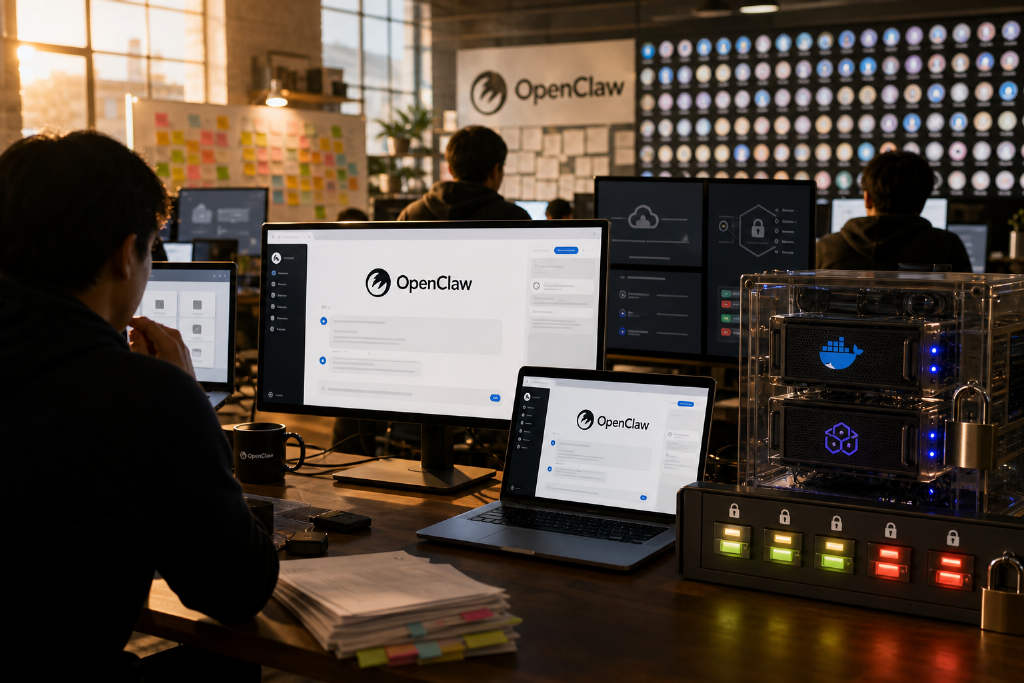
OpenClaw rolled out what its team describes as the project’s biggest release so far, shipping OpenClaw 2.0 over the weekend after a seven-week gap that broke with its near-daily cadence. The update reaches across installation, messaging, memory, skills, models, automations, browser tooling, native apps, plugins and security, turning what was initially meant to be a limited refresh into a much broader rewrite. According to the project announcement, 933 contributors worked on the release, including 569 first-time contributors, producing more than 16,000 pull requests. The new version changes onboarding by checking existing subscriptions, API keys and local Ollama models before asking for new configuration, and it moves users directly into a live conversation after model validation. The control interface has also been rebuilt around chat, with files, Git diffs, pull-request status, browser tools and a terminal organized around the conversation window. The headline addition is shared cloud sessions, designed so one person can step into an agent task already in progress without losing context. OpenClaw 2.0 also adds request-specific approvals, argument-scoped command permissions, Docker and Podman sandboxing, role-enforced execution and a team-level Secret Store. But those stronger protections are still disabled by default, leaving a gap with rivals such as Nous Research’s Hermes Agent, which has pitched itself around self-improving workflows and stricter security defaults since March.