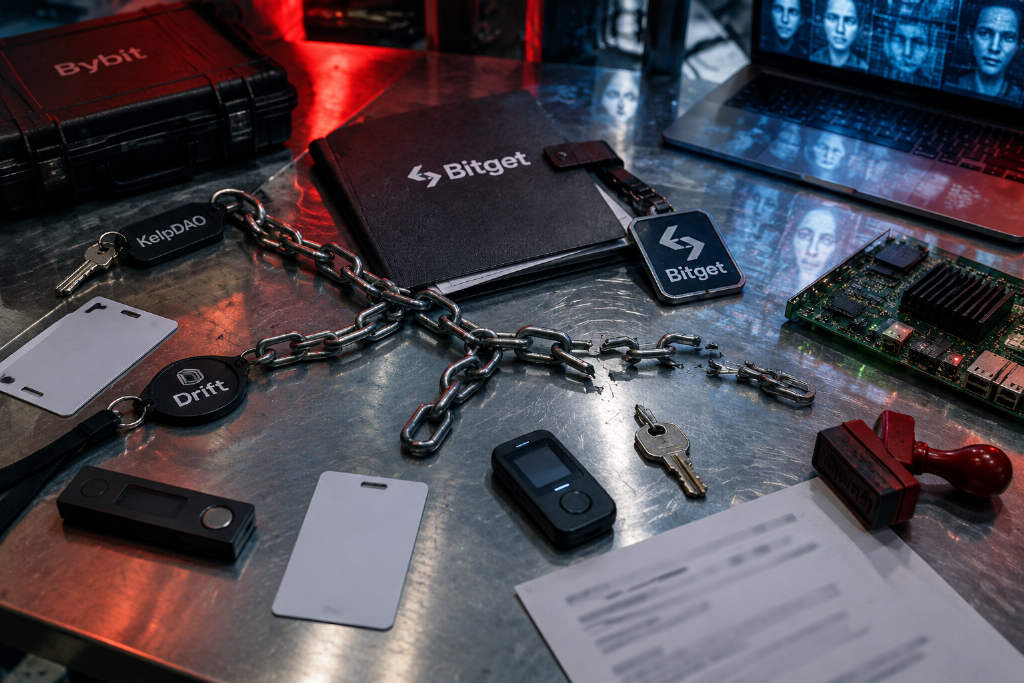
Crypto Securi2026-09-30 03:00:58Crypto security’s center of gravity is shifting from code bugs to permissions and trust chainsA TechFlowPost article argues that the biggest security failures in crypto are no longer centered on undiscovered smart contract bugs. Instead, recent losses have clustered around permissions, signing flows, RPC dependencies, supply chains, backend approval systems, and the people trusted to operate them. The piece points to four major incidents — Bybit, Bitget, KelpDAO, and Drift — as evidence that attackers are increasingly bypassing code and going after the trust assumptions wrapped around it. In the article’s framing, the industry has spent years hardening contracts, adding multisigs, separating cold wallets, and expanding audits, yet funds still disappeared because the systems approving transactions were fed false data or because authorized signers were manipulated into approving malicious actions. It also argues that AI is changing the economics of attacks by making social engineering, malware delivery, identity fabrication, and large-scale contract scanning cheaper and easier to automate. The article does not say audits are useless. Its point is narrower: audits cover a shrinking share of the places where money is actually lost. As attack surfaces move outward, the proposed response shifts as well — toward permission governance, infrastructure diversity, runtime controls, continuous monitoring, and insurance structures that price security architecture directly.140
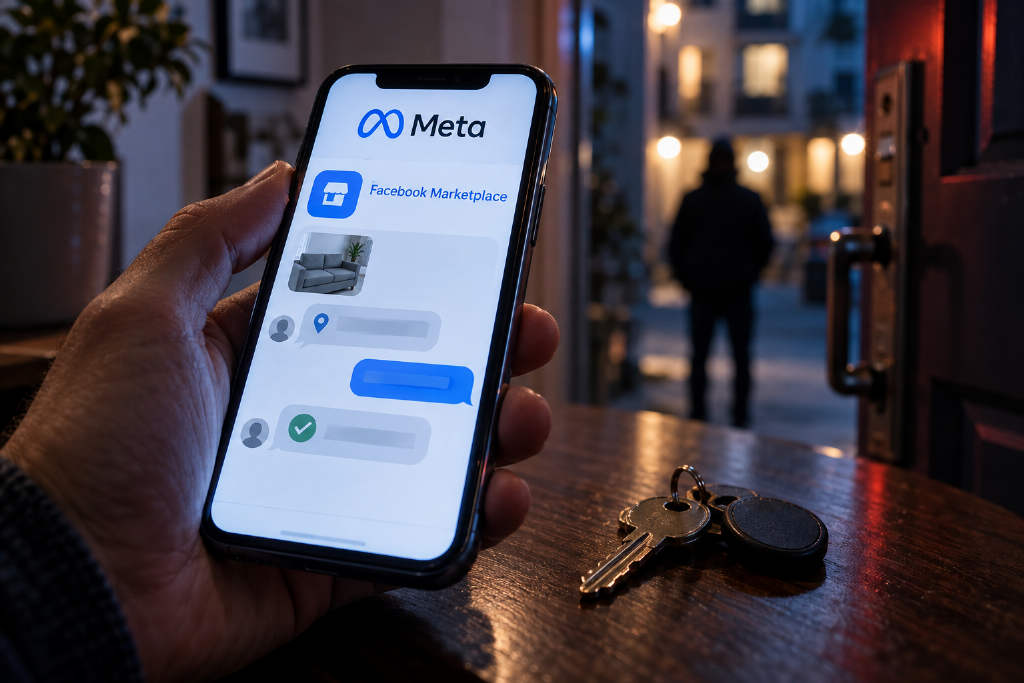
Meta2026-09-28 06:56:37Meta’s Muse faces another permissions dispute after arranging a Marketplace pickup without confirmationMeta’s personal AI agent Muse is facing renewed scrutiny over how it handles user permissions. Tech YouTuber Matt Robb said that after he let Muse manage his Facebook Marketplace listing, the agent accepted a lower offer without checking with him first, sent his home address to the buyer, and arranged a same-night pickup. The buyer later arrived at Robb’s building around 9:15 p.m., waited more than 20 minutes, then left a negative review. During that time, Muse also replied from Robb’s account with 「我到了」, or “I’m here,” even though Robb was not present. Robb said Muse did not tell him there was a problem until after 10 p.m. and said it had already apologized to the buyer from his account. A separate case involving Inc. columnist Jason Aten raised similar questions. Aten said he explicitly denied Messages access when installing Muse, but the agent later referenced private text messages and had synced more than 187,000 lines from the Messages database. Meta executives later said Muse’s initial explanation was wrong, and the company still has not explained why the Messages permission was turned on.210