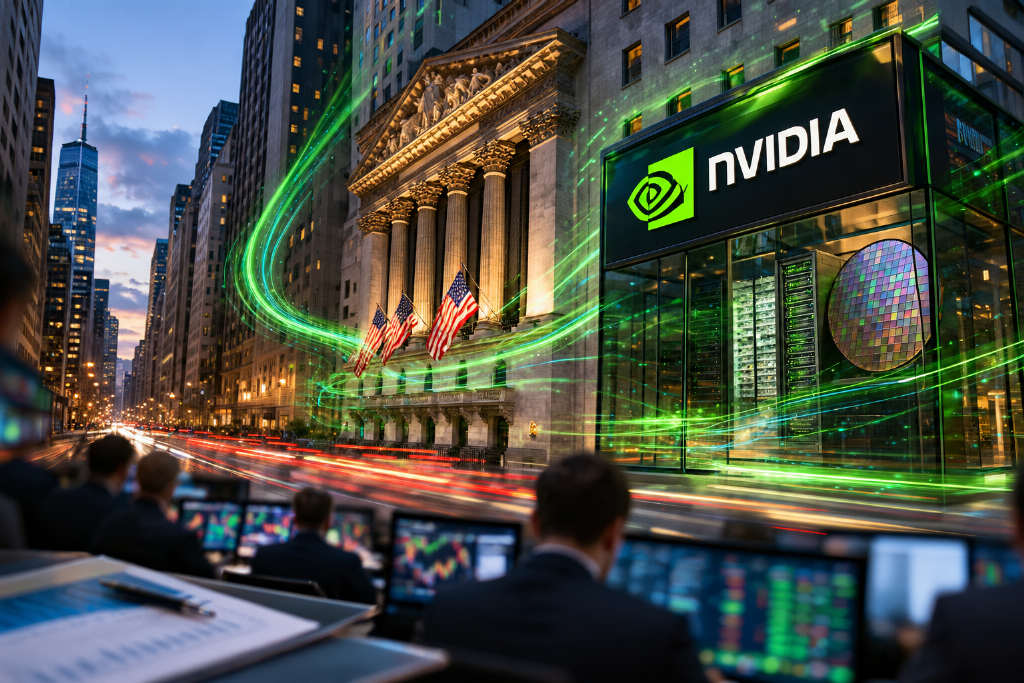
Nvidia2026-09-02 19:26:14Nvidia's S&P 500 Weight Hits 8%, Highlighting Market Concentration RiskNvidia's weighting in the S&P 500 has reached 8%, signaling significant market concentration risk. This high concentration could amplify market volatility and affect the returns of passive investment strategies. The weight reflects Nvidia's central role in the artificial intelligence wave and its rapid market capitalization growth, as reported by Crypto Briefing.270
Stripe2026-09-30 15:55:39Stripe pushes beyond payments to build infrastructure for the AI economyStripe is framing itself less as a payment processor and more as the infrastructure layer for an AI-driven economy, according to a long-form report by Will Awang of Duke Fintech published by ChainCatcher. The article traces that shift through Stripe’s messaging, product lineup, acquisitions and interviews at Stripe Tour Shanghai in September 2026. At the event, Stripe grouped its products into five pillars — payments, Radar, revenue automation, money management and embedded finance — with payments representing only one part of the stack. The company has also moved from describing itself as a financial infrastructure platform to saying it is building economic infrastructure for AI. In the report, Stripe executive Kevin Miller described the company’s core as financial infrastructure, while the author argued that Stripe’s real expansion now sits above the payment rail: enterprise revenue, model and token costs, and authorization for AI agents to spend. The article highlights several data points behind that argument. Stripe said cross-border payment volume among Greater China users rose about 48% from 2024 to 2025, while newly launched AI businesses grew 78%. It also said 14 of the top 100 AI companies on its platform came from China. Stripe processed $1.9 trillion in 2025, and its revenue suite — including Billing, Tax, Invoicing and Metronome — is expected to reach a $1 billion annualized revenue run rate, up from $500 million a year earlier. The report also details Stripe’s moves into token-based billing, model routing, agent commerce, payment authorization and AI-era fraud detection, arguing that the company is trying to control not just the flow of money but also where that money is earned, spent and authorized.460
Kalshi2026-09-30 09:21:44Kalshi cites report claiming Chinese AI safety tool exposed bioweapon instructions after jailbreakPrediction market platform Kalshi said in a post on X that a report claimed a Chinese safety-focused AI tool provided researchers with instructions for making biological weapons after being compromised by a jailbreak vulnerability. The claim, as presented by Kalshi, points to an extreme failure mode for large language models when safety protections break down. At the time of publication, no government body or company allegedly involved had confirmed the report or issued a public response. The source material did not name the tool, the researchers, or the organization behind it, and no additional details were provided in the brief. The item was published by Techub as a short market-analysis update.380
4Stock2026-09-08 04:23:354Stock Market Cap Hits $15M in 2.5 Hours, Trading Volume Reaches $15.4MOn September 8, according to GMGN data, 4Stock on BSC surpassed a $15 million market cap within 2.5 hours, currently at $15.2 million, with trading volume of $15.4 million. BlockBeats warns that meme coins are highly volatile and driven by sentiment.950
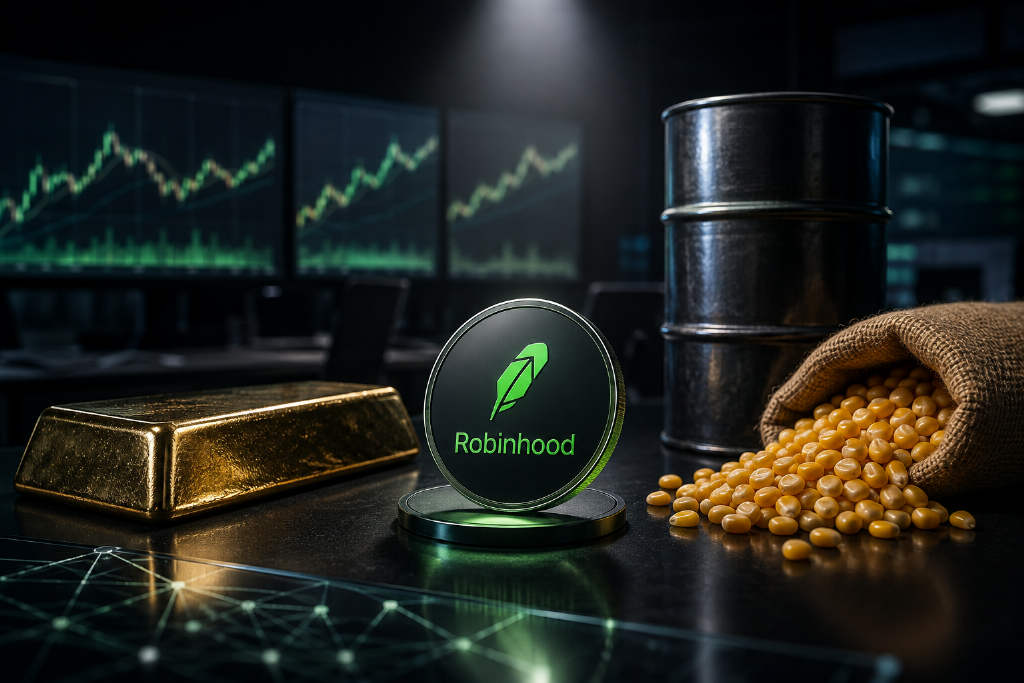
CME2026-09-08 02:19:49Robinhood's CME Token Surges 990x in 24H, Market Cap Breaks $6MAccording to GMGN data, the CME token on Robinhood reached a market cap of over $6 million, surging more than 990x in 24 hours. CME is the token of a commodity exchange platform on Robinhood Chain, aiming to bring real-world commodities like corn, oil, and gold onto the blockchain. It uses a Keeper mechanism for spot pricing of 29 commodities, with half of trading fees used for buybacks and half for liquidity. The project warns of high volatility.990
Wormhole2026-09-07 17:19:41Wormhole Connects Dogecoin to Solana via Sunrise ProjectCross-chain protocol Wormhole has integrated Dogecoin into the Solana network through the Sunrise project, aiming to boost Solana's liquidity and trading capabilities while expanding Dogecoin's DeFi use cases. The announcement also warns of potential risks.890
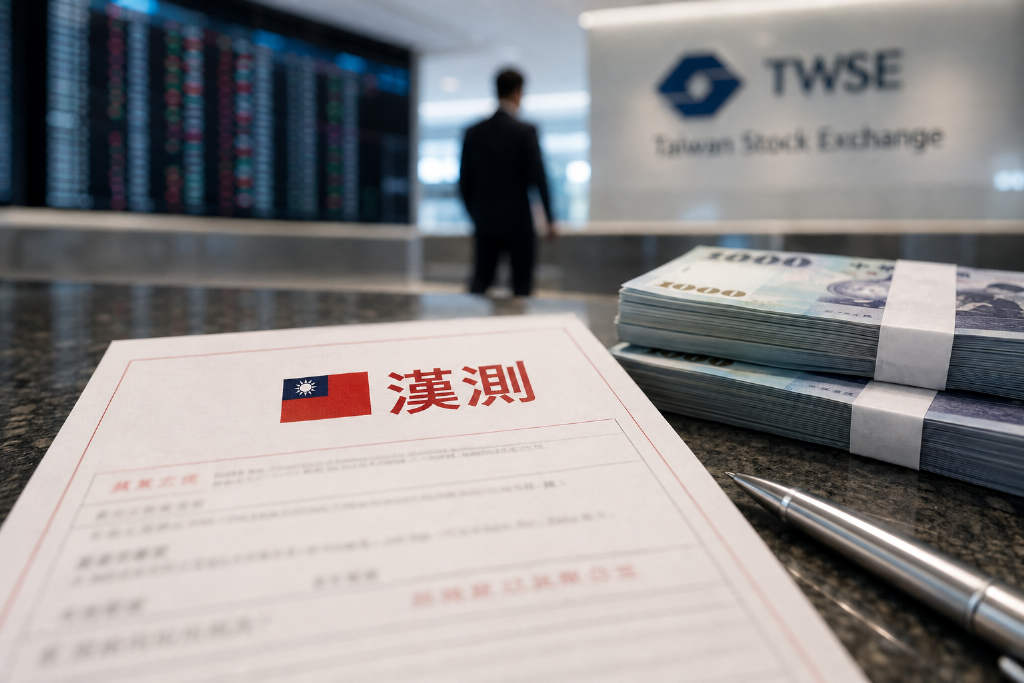
HanCe2026-09-04 05:29:09HanCe's Record 2250 NTD IPO: Subscription Lottery or a Trap?HanCe (7856) is set for a public subscription from Sept 10-14 at a record 2250 NTD per share, with its OTC market price around 4700 NTD, creating a potential 2.45 million NTD profit per lot (109% return). However, the 2.25 million NTD deposit requirement and risks from past cases like UPI (profit of 210,000 NTD on debut) and Yitai (immediate loss below IPO price) highlight the need for caution. Taiwan's IPO pricing mechanism, involving auction and public subscription with a floor price capped at 1.15 times the auction base, is explained.1240
EigenLayer2026-09-04 03:54:18EigenLayer Restaking Deposits Surpass 5 Million ETH, Valued at Over $12 BillionEigenLayer, an Ethereum restaking protocol, has surpassed 5 million ETH in total deposits, valued at over $12 billion, according to Techub News citing Bitcoinist. The deposits include native ETH and liquid staking tokens. The protocol allows staked ETH to secure other services like data availability layers and oracle networks, and currently supports 18 active security networks. Proponents view it as a way to improve capital efficiency, while critics warn of complex risks and potential contagion effects.1030