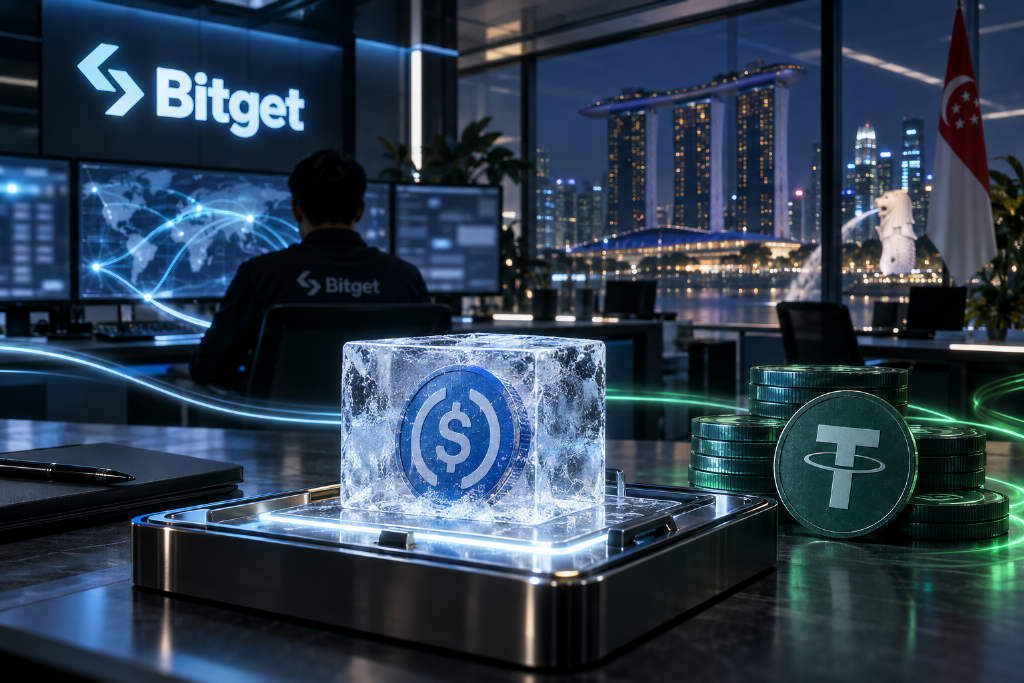
Circle2026-09-25 12:05:20Circle freezes $100,000 in USDC at Bitget hack-linked address as community presses Tether to actCircle has frozen 100,000 USDC held at an address linked to stolen Bitget funds, according to SomaXBT, a contributor to crypto nonprofit Security Alliance. The wallet still holds about 218,000 USDT, prompting calls from the community for Tether to follow with its own freeze. SomaXBT had previously identified the wallet as a third-hop address connected to Bitget’s initial hacked address and said the funds had remained unmoved for more than 2.5 hours after being spotted. Crypto KOL tanuki42 also launched a "Circle vs Tether" tracking thread at the time, asking which issuer would freeze the related assets first. Circle has now acted on the USDC portion, while whether Tether will freeze the remaining USDT is still unclear.190
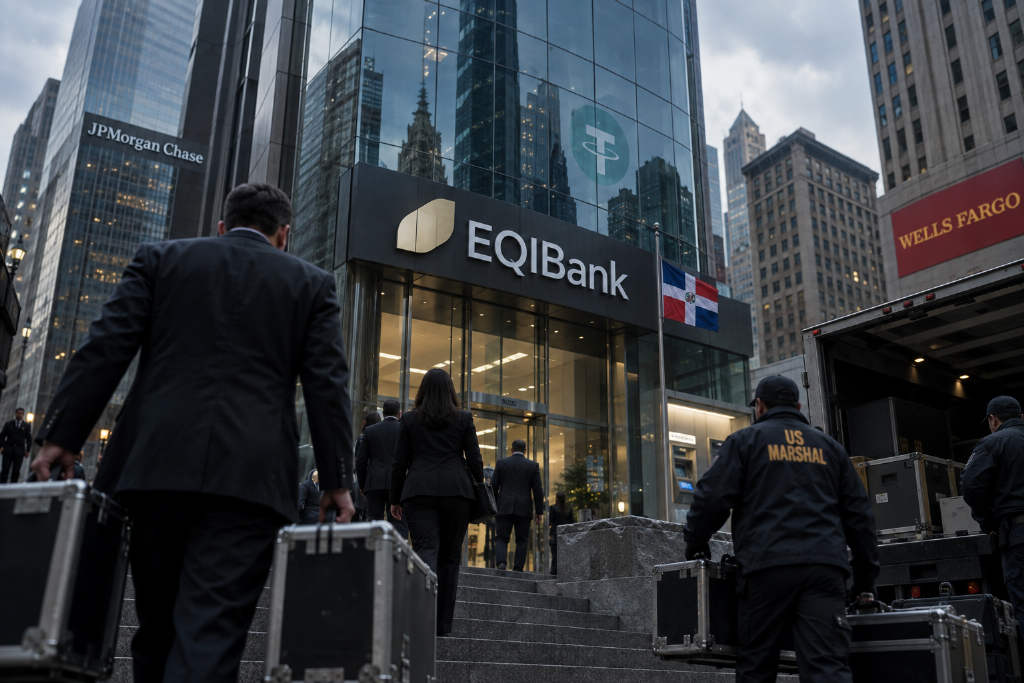
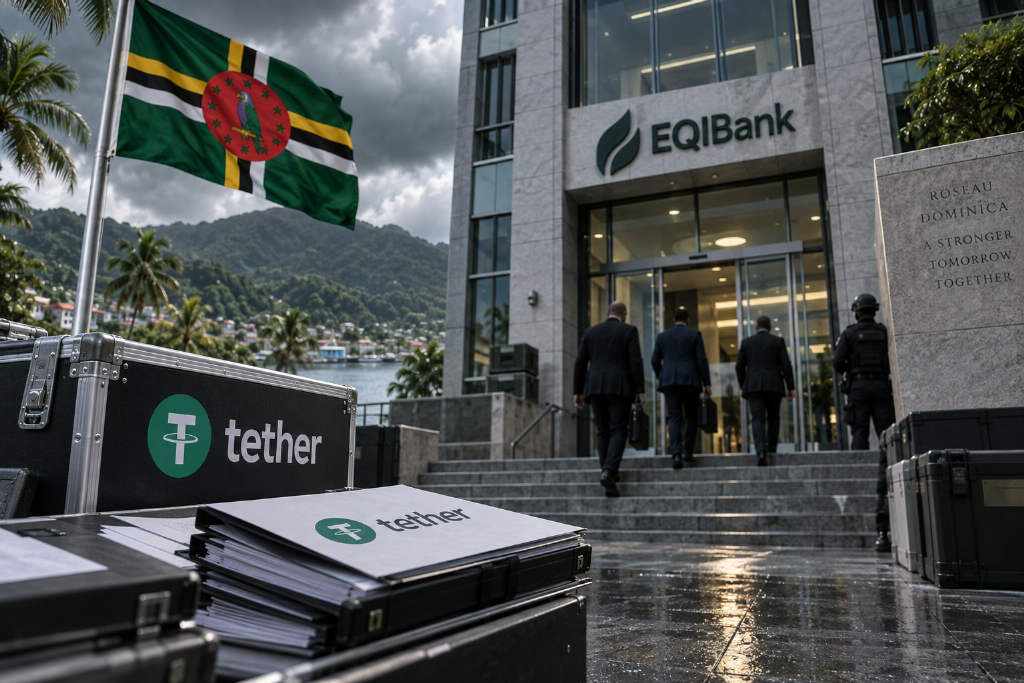
Tether2026-09-25 14:53:49Tether says assets held at EQIBank made up less than 0.034% of group totalTether said assets it held at Dominica-licensed digital bank EQIBank accounted for less than 0.034% of the group’s total assets, according to a CoinDesk report. Based on Tether’s June disclosure of $187.75 billion in total group assets, the company’s exposure would be capped at roughly $64 million, though it did not disclose the exact amount. The report said EQIBank used U.S. payments processor Capstone to handle client funds, with transfers moving through accounts at Wells Fargo and JPMorgan Chase. U.S. prosecutors have seized funds tied to those Capstone accounts and filed a civil forfeiture case, alleging the processor misrepresented its business to banks. EQIBank said about $89 million had been seized, equal to around 80% of its monetary assets, a situation that could leave the bank facing liquidation risk. EQIBank previously provided banking services to Tether, including wire transfers tied to USDT purchases and redemptions. Tether said it was not aware of the Capstone-related conduct described by the U.S. Department of Justice.210
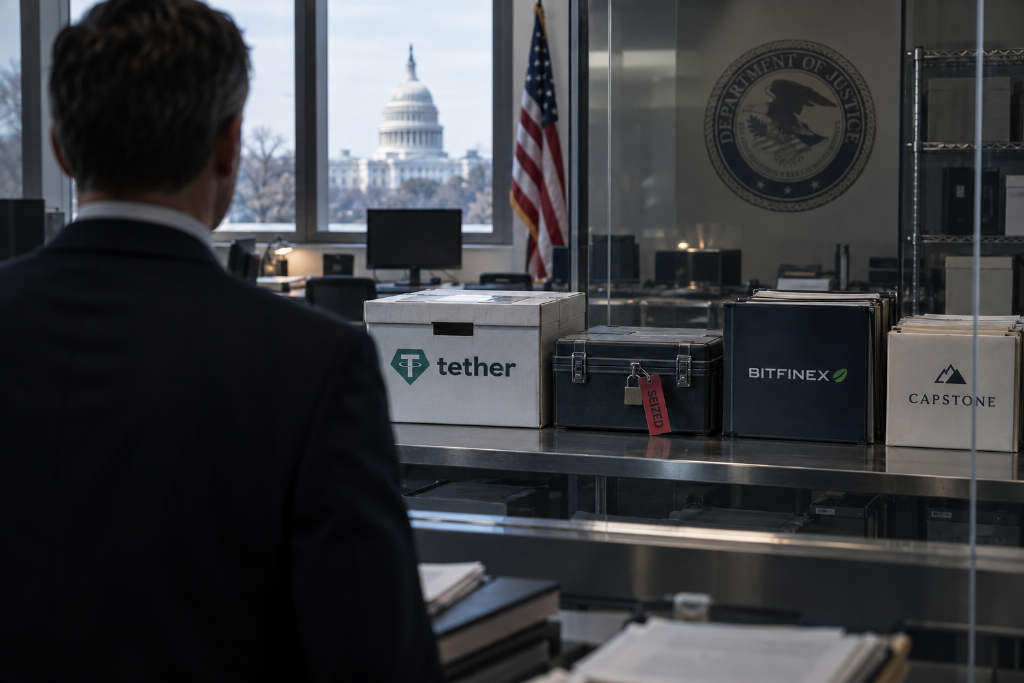
Tether2026-09-25 14:09:54U.S. prosecutors seize bank accounts of Capstone, a payments firm tied to TetherU.S. federal prosecutors have seized the bank accounts of Capstone, according to a report cited by Techub News and attributed to the Financial Times. Capstone is described as a payments company that handled business for stablecoin issuer Tether and its affiliated exchange, Bitfinex. The brief report did not include additional details on the scope of the seizure, the timing, or any related allegations. Techub News published the item as a short market update, citing the Financial Times as the source of the information. No further information was disclosed in the source material provided.240
Tether2026-09-25 14:47:08Tether says EQIBank exposure is below 0.034% of group assets after U.S. asset seizureTether said its exposure to EQIBank, a Dominica-licensed bank whose assets were seized by U.S. authorities, is less than 0.034% of the group’s total assets. Based on the company’s June disclosure of $187.75 billion in total group assets, that implies a maximum exposure of roughly $64 million, though Tether did not disclose the exact figure. The company also said it had no prior knowledge of the conduct alleged by the U.S. Department of Justice against U.S. payment processor Capstone. Court documents say EQIBank held and moved client funds through Capstone, with the money kept in accounts at Wells Fargo and JPMorgan Chase. U.S. prosecutors have seized funds in those accounts and filed a civil forfeiture action, alleging that Capstone misrepresented the nature of its business to banks. EQIBank said about $89 million was seized, equal to roughly 80% of its monetary assets, and that it could face liquidation as a result. CoinDesk reported that EQIBank had previously provided banking services to Tether, including wire transfers tied to USDT purchases and redemptions. Tether’s disclosure does not indicate a direct threat to USDT reserves or its dollar peg, but it puts counterparty risk in focus for stablecoin issuers that rely on banks and payment processors for fiat access and redemptions.250
Tether2026-09-22 00:06:30Paolo Ardoino to host Reddit AMA on Oct. 7 focused on on-device AI and decentralized technologyTether Chief Technology Officer Paolo Ardoino said on X that he will hold a Reddit AMA on Oct. 7 at 3:00 p.m. UTC. The session is set to cover on-device AI runtimes, privacy, local inference, and the future of decentralized technology. In the same post, Ardoino said Tether had previously addressed financial inclusion through USDT and is now tackling what he described as intelligence inclusion through the QVAC project. He also invited community members to join the discussion. The announcement was attributed to Ardoino’s post on X, cited by Techub News.260
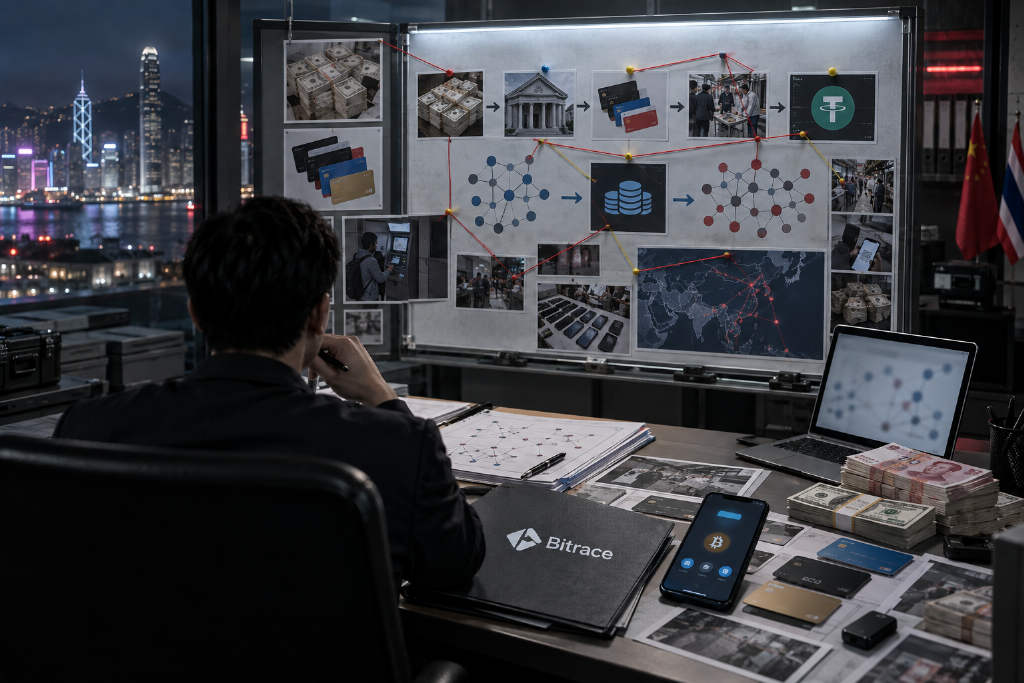
Policy and Re2026-09-19 14:23:50Bitrace breaks down crypto laundering jargon used in Chinese-speaking crime networksBitrace, in an article republished by WuBlockchain, outlined a set of terms used in Chinese-speaking crypto money-laundering circles, focusing on "Liao," "Liao laundering," "type of Liao," and "Liao adulteration." The piece says these coded expressions are common inside organized crime networks in East and Southeast Asia and can be difficult for investigators and researchers, especially those unfamiliar with Chinese language and culture, to interpret accurately. In the article, "Liao" refers specifically to fiat funds tied to illegal activity such as fraud, extortion, online gambling, and human trafficking. In most cases, it means electronic balances sitting in bank accounts or other financial-platform accounts that are waiting to be cleaned. Bitrace says the common methods include card-to-USDT, QR-to-USDT, cash-to-USDT, and converting cash into material assets such as precious metals or other easily resold goods. The article also explains how laundering chains are priced by risk. It classifies funds by victim type and crime type, then describes "Liao adulteration," a practice in which a fund provider claims the money is low-risk while actually passing along higher-risk proceeds to cut laundering costs. Bitrace cites a Tron address frozen by Tether on Sept. 2, 2026, saying the case showed how misjudging the toxicity of funds can lead to wallet controls and losses of more than $625,000.360
Allium2026-09-16 01:19:11Allium says stablecoin supply hit $303 billion in August as 2026 transfers reached $85 trillionBlockchain data platform Allium has released its “State of Stablecoins and Payments: September 2026” report, laying out a broad snapshot of supply, transfers and payment activity across the stablecoin market. The report says stablecoin supply reached $303 billion in August 2026, up 6% year over year, with Tether and Circle together accounting for 85% of the total. Allium said exchanges held $89 billion in stablecoins, while DeFi protocols held $26 billion. Over the first eight months of 2026, stablecoin payment volume came in between $401 billion and $527 billion, representing annual growth of 42% to 63%. Businesses received 58% to 64% of those payments, and B2B was the largest channel. The report also said cross-border stablecoin payments were growing seven times faster than traditional fiat rails. From January through August, total transfer volume reached $85 trillion. After excluding internal exchange transfers, DeFi activity and infrastructure transfers, Allium estimated real economic activity at $4.0 trillion. Within that figure, transactions accounted for 69%, store-of-value use made up 13%, and payments reached as much as 13%. The report also highlighted B2B settlement, domestic payment share, wallet flows in Thailand, Turkey, Indonesia and Mexico, activity on the x402 protocol, and monthly spending through Ether.fi Cash.410
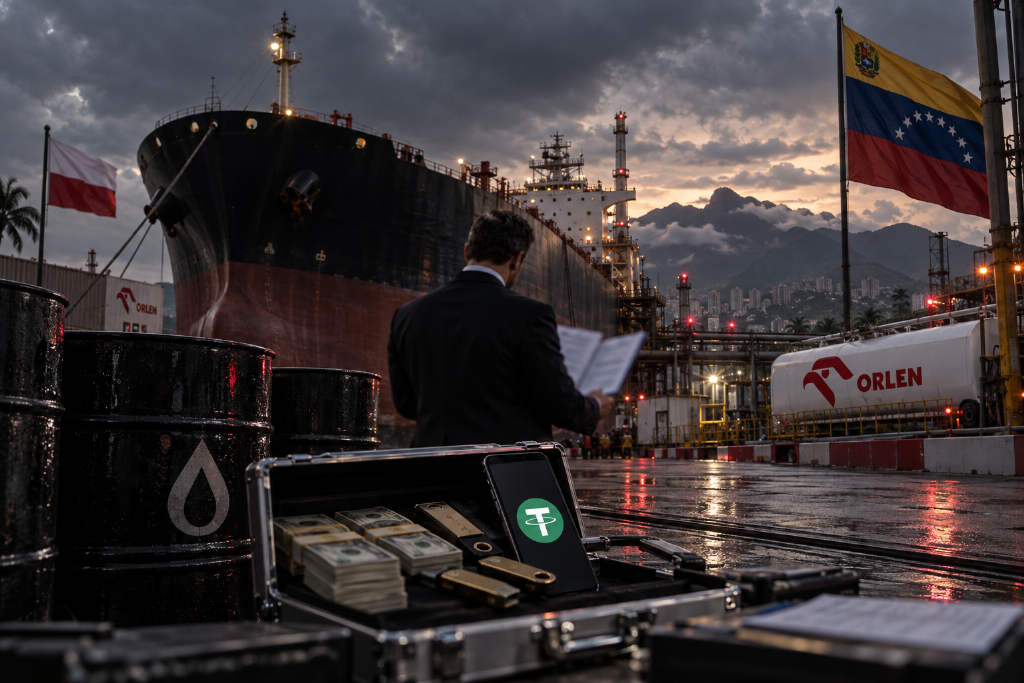
USDT2026-09-15 13:54:32USDT tied to failed Venezuela oil deal that left Orlen out about $230 millionCointelegraph reported that Tether’s USDT was used in parts of a failed Venezuelan oil transaction that resulted in roughly $230 million in losses for Polish state-owned energy group Orlen. The deal took place in late 2023, when Venezuela’s state oil company PDVSA began requiring some payments in USDT as it sought to bypass U.S. financial sanctions. In November 2023, Samer Awad, a former executive at Orlen Trading Switzerland, led a purchase of 6 million barrels of Venezuelan crude from PDVSA. On Dec. 4, Orlen sent a $230 million prepayment to Dubai-based seller Hannon International Middle East. According to the report, Hannon then used multiple crypto brokers and intermediaries to convert funds into USDT, but much of the money disappeared through layered transfers. Orlen ultimately received only about $29 million worth of crude and terminated the contract. The report also said Warsaw regional prosecutors opened an investigation into the related oil contracts in January 2025.680