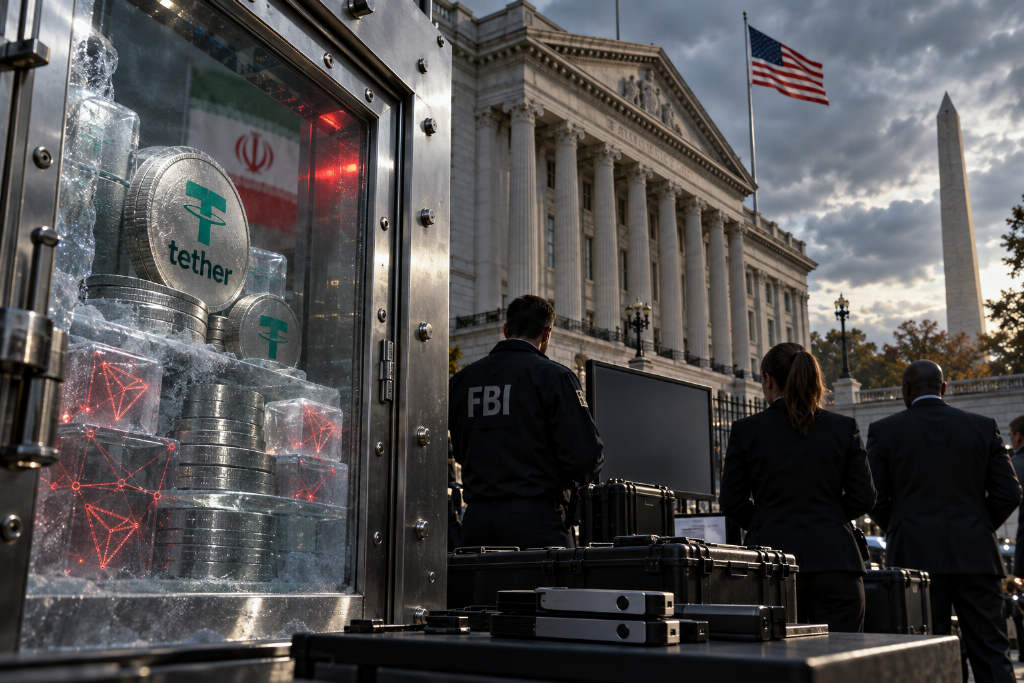
Tether2026-09-28 13:24:20Tether says it helped freeze about $550 million in USDT tied to Iranian sanctions networks this yearTether said on Sept. 28 that it has helped U.S. and international law enforcement agencies freeze about $550 million in USDT linked to the Central Bank of Iran and Iranian sanctions networks since the start of 2026. The company said that in April, acting on information provided by the U.S. Office of Foreign Assets Control, or OFAC, and U.S. law enforcement, it froze more than $344 million in USDT held across two addresses. In July, after the U.S. Treasury expanded sanctions targeting the Central Bank of Iran, Tether said it froze more than $130 million in USDT across four TRON addresses. Tether said the two actions together totaled about $550 million. The company also disclosed broader enforcement figures, saying it has worked with more than 340 law enforcement agencies across 67 jurisdictions, supported more than 2,900 investigations, and frozen more than $4.9 billion in assets overall. CEO Paolo Ardoino said public blockchains allow investigators to trace fund flows and that Tether can freeze funds after receiving credible information from authorities.210
Policy Regula2026-09-28 13:02:54Senate Democrats’ probe says USDT has become a major payment tool in IranA probe from the Democratic side of the U.S. Senate said Tether’s USDT stablecoin has become a major means of payment in Iran, according to ChainCatcher. The investigation found that among more than 800 sanctioned crypto wallets, about 84% primarily or exclusively used USDT. The report adds to earlier findings from the U.S. Senate Permanent Subcommittee on Investigations, which said its review of blockchain records, sanctions lists, and asset seizure notices showed that sanctioned wallets were mainly located on the Tron and Ethereum networks and had conducted USDT transactions. The findings place renewed attention on the use of dollar-pegged stablecoins in sanctioned crypto activity.190
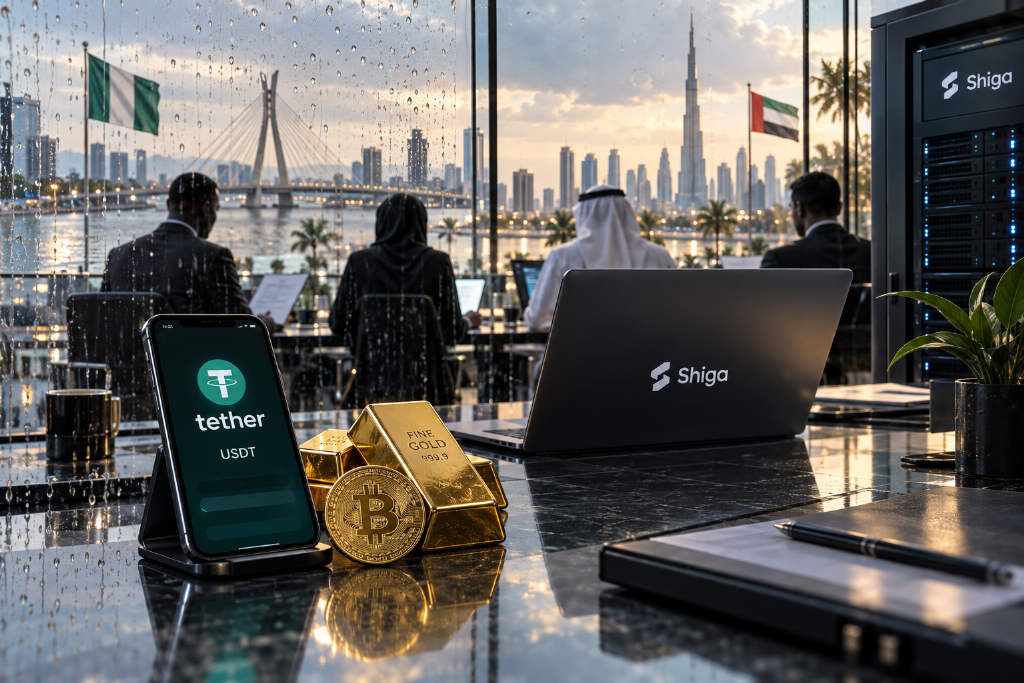
Tether2026-09-28 12:25:00Tether partners with Shiga to roll out self-custody products in Africa and the GCCTether has partnered with fintech company Shiga to launch self-custody financial products for users and institutions in Africa and the Gulf Cooperation Council, according to an official announcement cited by ChainCatcher. The collaboration will use Tether’s open-source Wallet Development Kit, or WDK, as the technical base for the rollout. The two companies plan to introduce two flagship offerings. The first is ENTA, a self-custody wallet for individuals and businesses that supports funding with fiat currency or Bitcoin and allows users to hold and transfer Tether (USDT), Bitcoin, and Tether Gold (XAUT). The second is Pulse, an infrastructure product for banks and financial institutions designed to help them tailor digital asset services to specific payment rails and settlement workflows while keeping key control through private deployments. Shiga is also in the final approval stage for a Nigerian digital asset intermediary license. Once approved, the company plans to operate compliant digital asset trading, brokerage, and custody services in the country.280
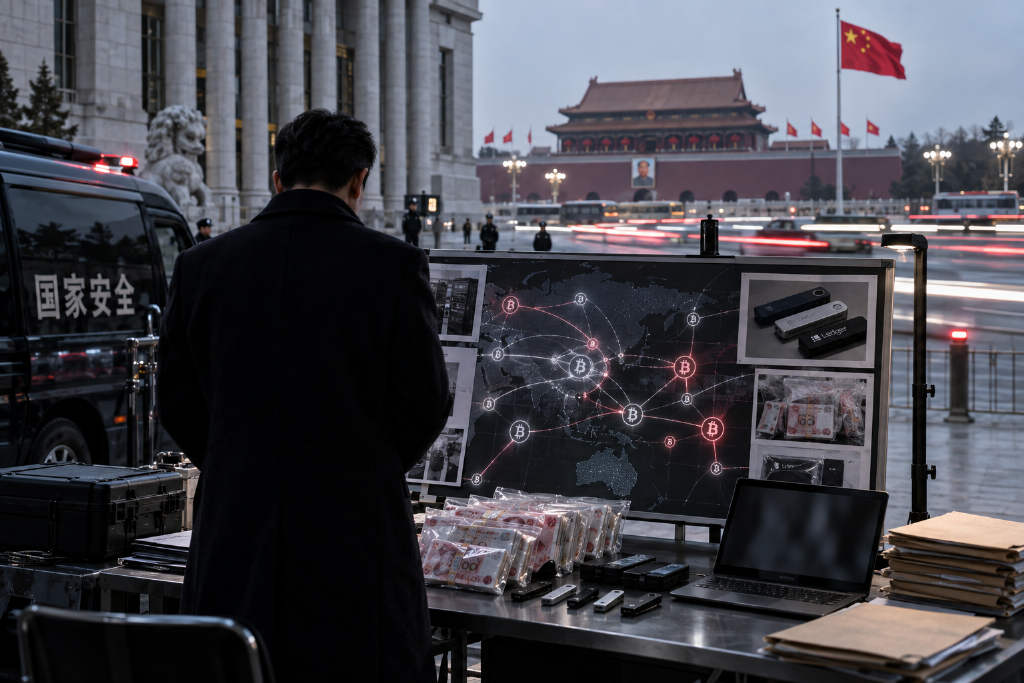
Ministry of S2026-09-28 10:30:59China’s Ministry of State Security says crypto “anonymity” is only superficial and on-chain identities can be tracedChina’s Ministry of State Security said in a post published on its official WeChat account on Sept. 28 that the commonly cited features of virtual currencies — “anonymous transactions” and being “untraceable” — are only superficial. The ministry said blockchain systems are public and tamper-resistant by design, with every transaction permanently recorded on a public ledger. According to the post, professional institutions can use on-chain data analysis and big-data matching methods to trace the real identities behind wallet addresses and reconstruct the full path of fund flows. The article also said virtual currencies have become an important tool in illegal activities including money laundering, cyberattacks, and overseas espionage and theft of secrets. The post added that in February 2026, the People’s Bank of China and other departments reiterated that virtual currencies such as Bitcoin, Ether, and Tether cannot circulate as currency in the market. It said related business activities are classified as illegal financial activities and are strictly prohibited.240
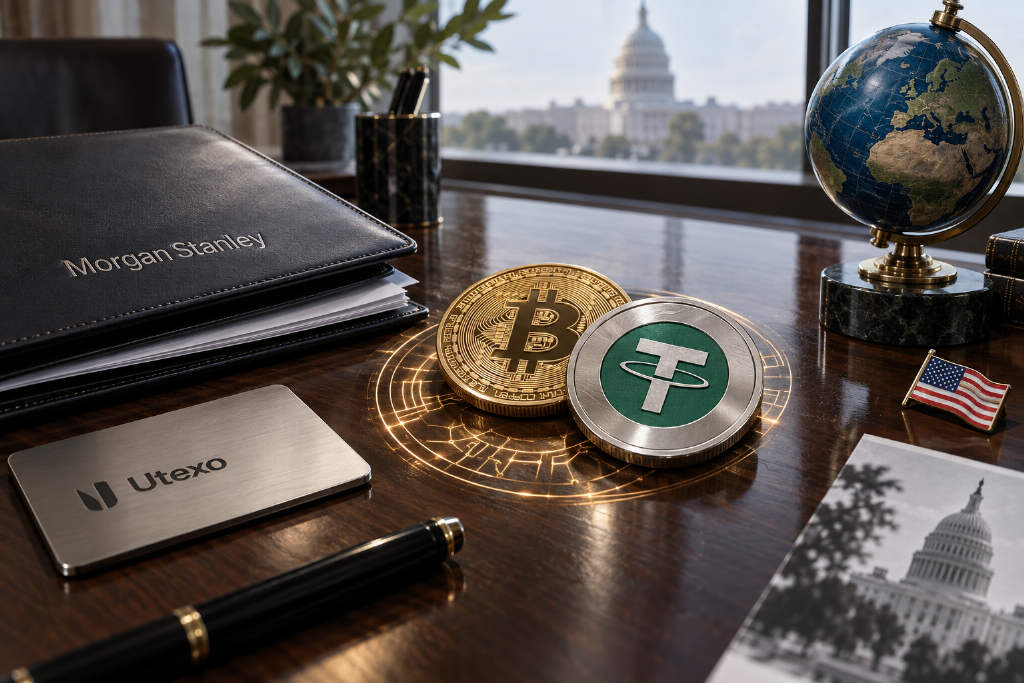
Tether2026-09-28 02:35:31Tether CEO says USDT is returning to BitcoinUtexo co-founder Viktor Ihnatiuk said on X that he met with a Morgan Stanley team in Washington to discuss potential cooperation around expanding USDT adoption on the Bitcoin network in Europe and globally. Tether CEO Paolo Ardoino later reposted that message and wrote that "USDT is returning to Bitcoin." The post points to talks around using Bitcoin as a network for USDT, though no additional deal terms or rollout details were disclosed in the source. The remarks came from social media posts cited in the original report.290
Ministry of S2026-09-28 01:22:58China’s Ministry of State Security says virtual currency is traceable and warns of criminal useChina’s Ministry of State Security said in a WeChat post titled "Virtual currency crimes cannot be traced? Think again!" that virtual currency has become an important tool for illegal and criminal activity. The article listed money laundering, cyberattacks, and espionage-related theft of secrets among the risks it associates with virtual currency use. The ministry argued that the idea of virtual currency being truly anonymous is a false proposition. It said blockchains are open and transparent, on-chain data cannot be tampered with, and transaction records are permanently preserved, providing a basis for full-chain tracing. It added that wallet address anonymity only creates a temporary separation from a real identity, while fiat conversion can leave traces such as device identifiers and IP addresses. The post also summarized its view with three points: examine the ledger, trace the path, and look at the private key. It warned that self-custodied private keys cannot be recovered if lost, while assets held by platforms carry risks if those platforms collapse or lose contact. The article also referenced a February 2026 notice from the People’s Bank of China and other departments, and provided reporting channels including 12339 and www.12339.gov.cn.270
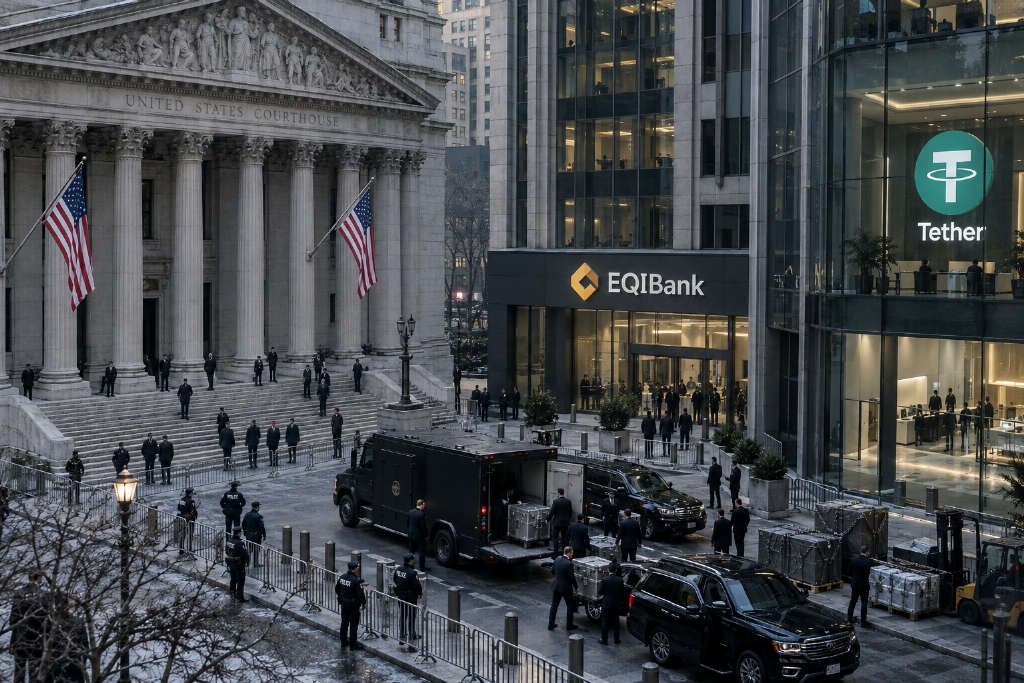
Tether2026-09-27 02:10:51Tether says partner bank EQIBank had $89 million frozen by U.S. prosecutorsTether said on Thursday that U.S. prosecutors froze $89 million tied to EQIBank, a digital bank that handled remittance flows for the company. The amount was reported to be about 80% of EQIBank’s cash holdings. Tether said its own exposure to EQIBank accounted for less than 0.034% of the group’s $18.775 billion in total assets, putting the impact on reserves at a limited level and leaving USDT’s dollar peg without a direct threat. The case, highlighted by the Financial Times and The Information, points to a less visible layer of stablecoin risk: dependence on banks, payment processors and clearing channels that sit between issuers and end users. Court filings said payment processor Capstone, which held funds in the U.S. for EQIBank and routed customer money through accounts at Wells Fargo and JPMorgan, concealed the true nature of its business from banks. Prosecutors then seized funds from those accounts and filed a civil forfeiture action. Tether said EQIBank handled wire transfers for USDT subscriptions and redemptions but did not custody the company’s main reserves. The episode also drew attention to concentration risk across crypto banking channels, as EQIBank reportedly provided services linked to transactions for Binance, Kraken and Coinbase.200
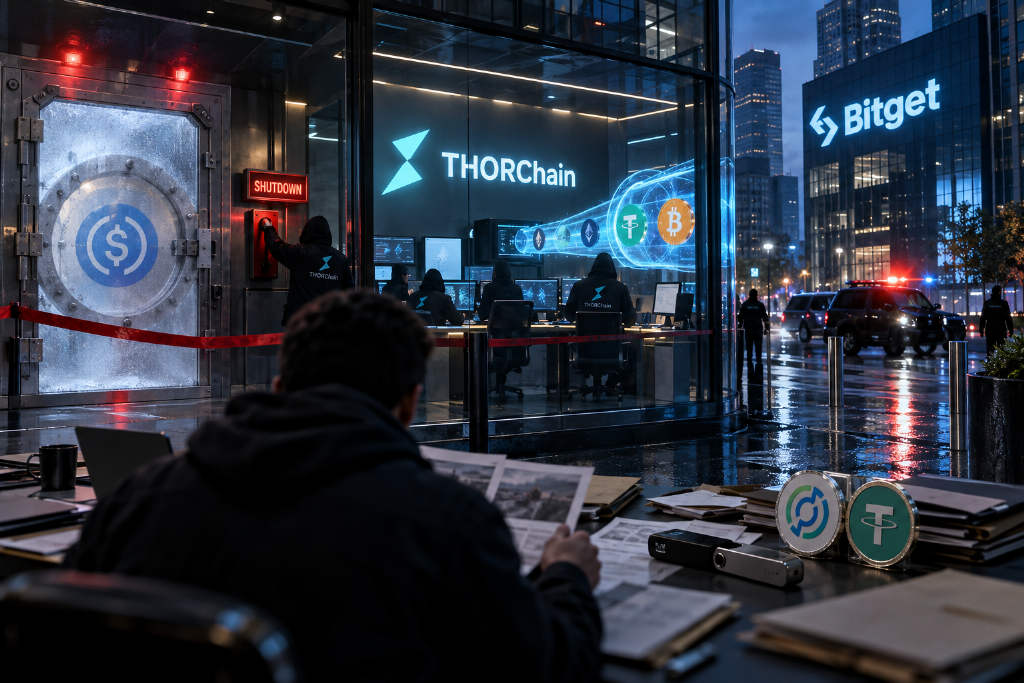
SlowMist2026-09-27 02:19:22SlowMist founder questions THORChain over response to Bitget hackSlowMist founder Cos questioned THORChain on Sept. 27, saying the protocol had shown a double standard in how it handled security incidents. In his post, he described the Bitget theft as a widely known, public, large-scale and clearly identifiable hack, adding that traces linked to North Korean hackers emerged quickly. He said Circle and Tether had already taken action to freeze related funds, and singled out Circle for freezing USDC held by the attacker. Cos also argued that THORChain had moved quickly to intervene when it faced its own theft in the past, despite describing itself as a decentralized platform. In contrast, he said that in this industry-wide incident, THORChain ignored communication and coordination with other parties, compared itself to Bitcoin and Ethereum, claimed it had no authority to intervene, and continued to collect fees generated by large cross-chain transfers tied to North Korean hackers. He added that decentralization should not be used as a slogan and said the key issue in a major industry incident is to identify what the industry should solve together.250