VASPs

Taiwan
2026-07-27 11:00:38

Taiwan passes virtual asset services law, opening a tougher licensing race for VASPs and stablecoin issuers

Taiwan’s legislature on July 1 passed the Virtual Asset Service Act, creating a formal licensing regime for virtual asset service providers and stablecoin issuers. Under the law, firms must obtain approval from the Financial Supervisory Commission before operating. Platforms that have already completed anti-money laundering registration will have 12 months to apply for a license and another 21 months to secure final approval. Operating without approval after that can bring up to seven years in prison and fines of up to NT$100 million, while fraud or market manipulation can carry prison terms of three to 10 years and fines of up to NT$200 million. The article says Taiwan’s framework closely mirrors the European Union’s Markets in Crypto-Assets Regulation, or MiCA, especially on stablecoin reserves, bankruptcy remoteness and the ban on interest payments. But it argues Taiwan goes further by writing criminal liability directly into law. The legislation also allows traditional financial institutions to apply to run VASP businesses, setting up a more direct competitive challenge for existing crypto firms. A separate resolution asks the regulator to submit, within one year, a plan on opening crypto derivatives to local firms, leaving a narrow path for future expansion if companies can survive the approval period.


220
Taiwan passes virtual asset services law, opening a tougher licensing race for VASPs and stablecoin issuers
South Korea
2026-07-26 13:01:00

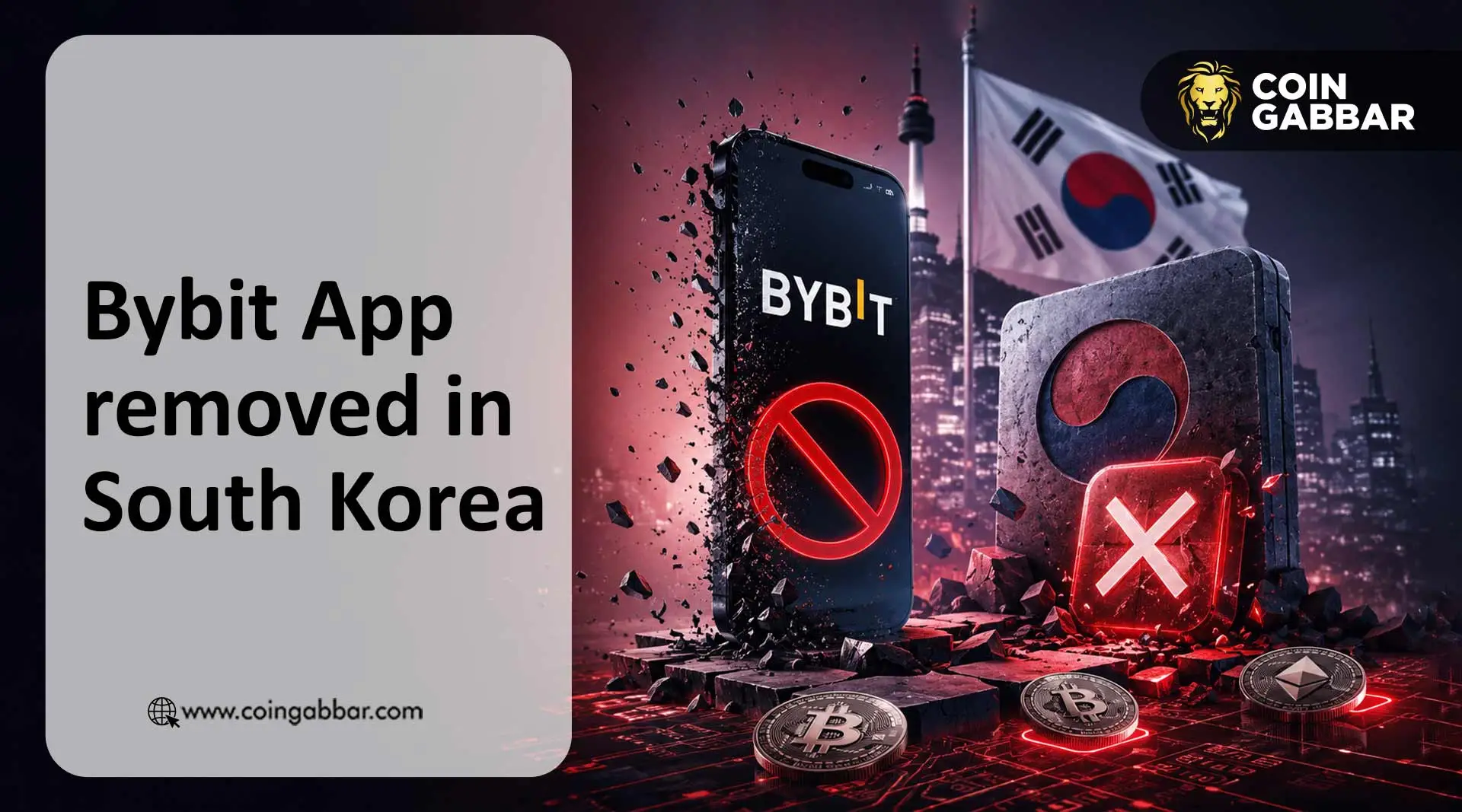
At Least 29 Crypto Exchange Apps Blocked From New Installs on Google Play in South Korea

At least 29 overseas cryptocurrency derivatives exchange apps, in addition to OKX and Bybit, can no longer be newly installed from Google Play in South Korea, according to a report cited by PANews from Digital Asset. The affected apps include MEXC, KuCoin, BingX, Gemini, BTCC, Phemex, and Bitmex. In Play Store search results, these apps are shown as unavailable or marked with notices such as “not available in your region of residence.” Of the 29 apps, 14 had previously been identified by South Korea’s Financial Intelligence Unit, or FIU, as unreported virtual asset service providers and referred to law enforcement agencies. Another 15 had not been referred, but were still blocked by Google Play. The report said Google has, since January this year, suspended regional support for apps operated by virtual asset service providers that are not registered with the FIU under its own policies. The Play Store restrictions do not affect access to those exchanges through web browsers or installation via Apple’s App Store.

800
At Least 29 Crypto Exchange Apps Blocked From New Installs on Google Play in South Korea
South Korea
2026-07-24 10:45:16

South Korea Eyes Opening Crypto Transfer Licenses to Fintech Firms

South Korean authorities are drafting enforcement rules for the Foreign Exchange Transactions Act, considering whether to allow fintech companies to participate in a new virtual asset transfer licensing regime set to take effect in December, potentially breaking the current exchange-dominated market.

270
South Korea Eyes Opening Crypto Transfer Licenses to Fintech Firms
Brazil
2026-07-23 23:55:15

Brazil's Central Bank Mandates 2027 Capital Rules for Crypto Firms, Aligning Oversight with Traditional Finance

Brazil's central bank introduces new regulations requiring crypto asset service providers to maintain minimum capital buffers, establish risk management structures, and submit regular reports from 2027. Firms are classified as Type 3 entities, overseen similarly to securities dealers. All VASPs must transition to Segment 4 by June 2028, and Segment 5 institutions are barred from offering virtual asset services.

650
Brazil's Central Bank Mandates 2027 Capital Rules for Crypto Firms, Aligning Oversight with Traditional Finance