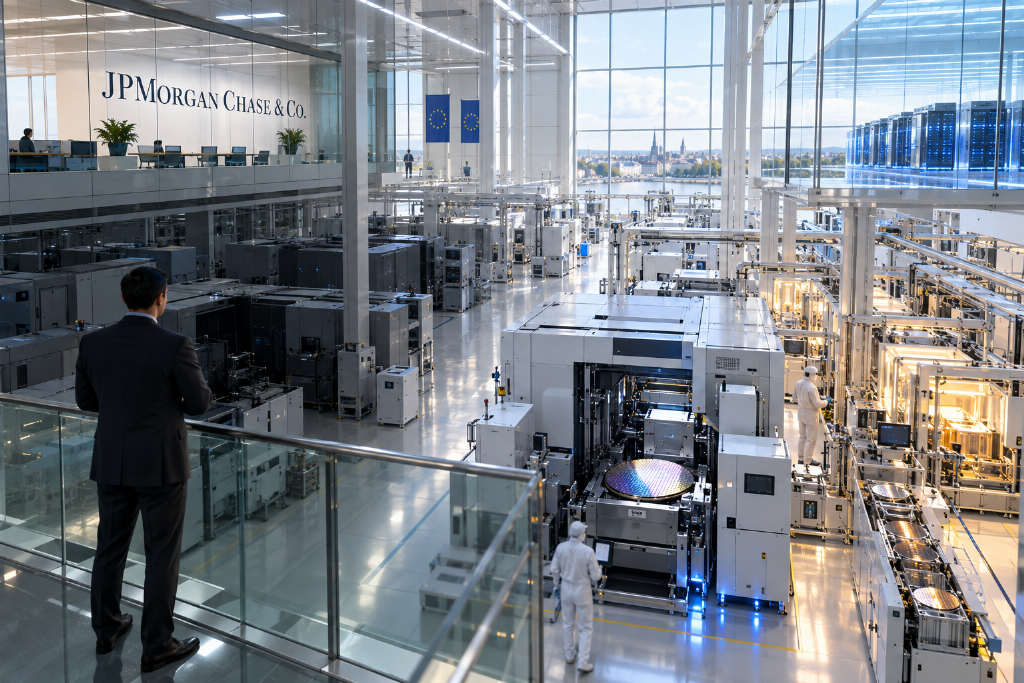
JPMorgan2026-09-28 09:06:47JPMorgan says AI trade pullback may draw investors back to semiconductor stocksJPMorgan analysts said the recent pullback in the global AI trade has improved investor positioning and made valuations look more attractive, a shift that could encourage investors to re-enter the space, with semiconductor stocks standing out as a key area of focus. The bank said the reset in positioning may help support renewed interest in the sector after the recent retreat. JPMorgan also pointed to continued strong earnings performance and evidence of AI commercialization as factors that could keep investors engaged with the group. The comments frame the recent decline not as an isolated setback, but as a development that may create room for fresh allocation decisions, particularly in semiconductor names tied to the broader AI theme.290
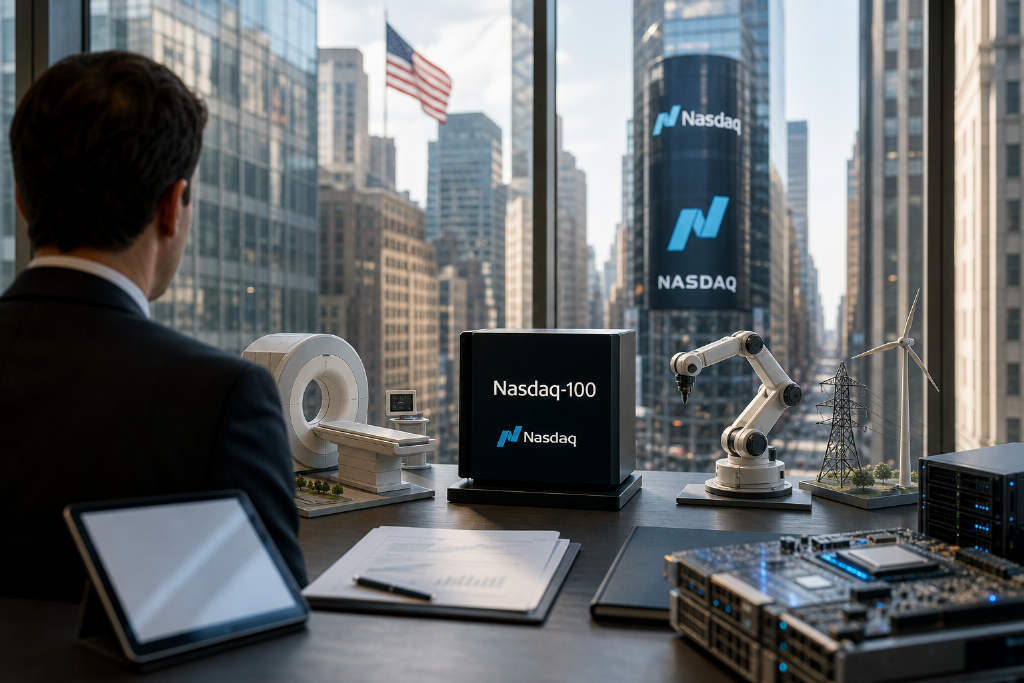
Ed Yardeni2026-08-26 16:00:00Ed Yardeni says markets are showing AI fatigue, warns against chasing single AI stocksWall Street veteran and Yardeni Research President Ed Yardeni said he has turned more cautious on the artificial intelligence trade, arguing that markets are already showing signs of "AI fatigue." According to Morningstar, Yardeni said it is difficult to identify the ultimate winners and losers at this stage, so investors should avoid chasing individual AI names directly. For those seeking AI exposure, he said diversified vehicles such as Nasdaq-100 index funds are a better fit. Yardeni added that he prefers sectors likely to benefit from AI adoption rather than companies whose appeal rests only on AI technology itself. He specifically pointed to finance, healthcare, industrials, and energy. He also contrasted the current rally with the dot-com bubble, saying the late-1990s run was driven by FOMO, while today’s market is supported by what he called FEMO, or "fantastic earnings momentum." He cited forward price-to-earnings ratios of about 17 for semiconductors and around 20 for the broader market, both well below 1999 bubble levels. Yardeni said the "Roaring 2020s" still have roughly an 80% chance of continuing as long as the U.S. economy avoids recession.1060
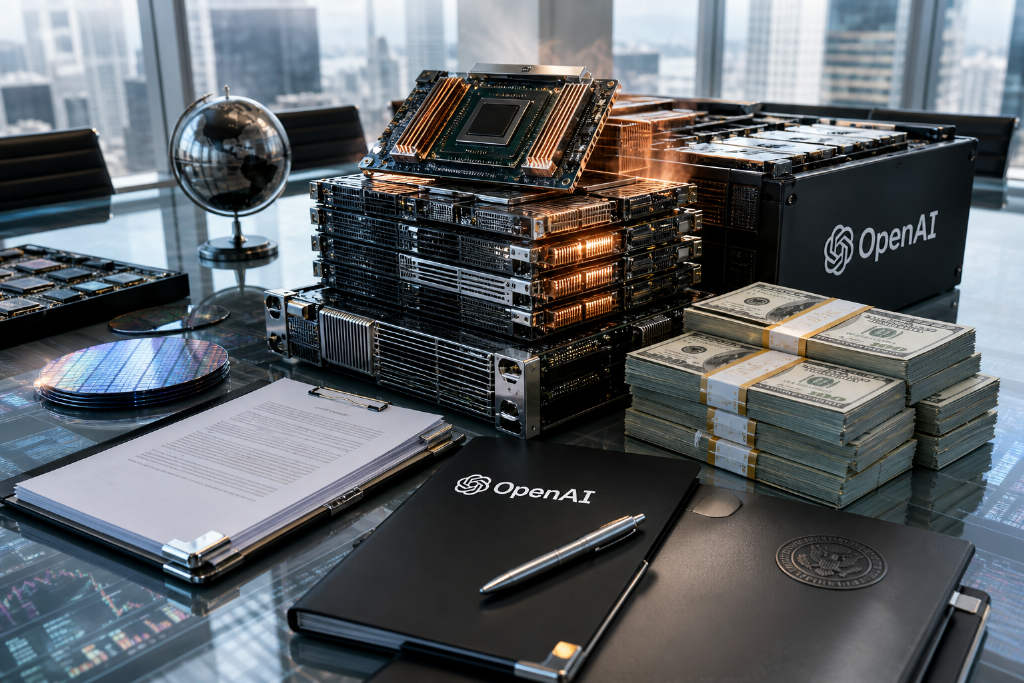
OpenAI2026-08-25 08:14:21OpenAI raises $122 billion as Altman says compute is its costliest line itemOpenAI has secured $122 billion in funding, according to Techub News. Chief Executive Officer Sam Altman said AI compute has become the company’s most expensive item, putting the cost structure behind advanced model development in focus. The funding round stands out for its size and points to a sharper escalation in the AI arms race. It also carries broader weight for global technology investment flows and valuation benchmarks, as capital continues to concentrate around companies building large-scale AI systems. The update was cited by Crypto Briefing in the source digest.910
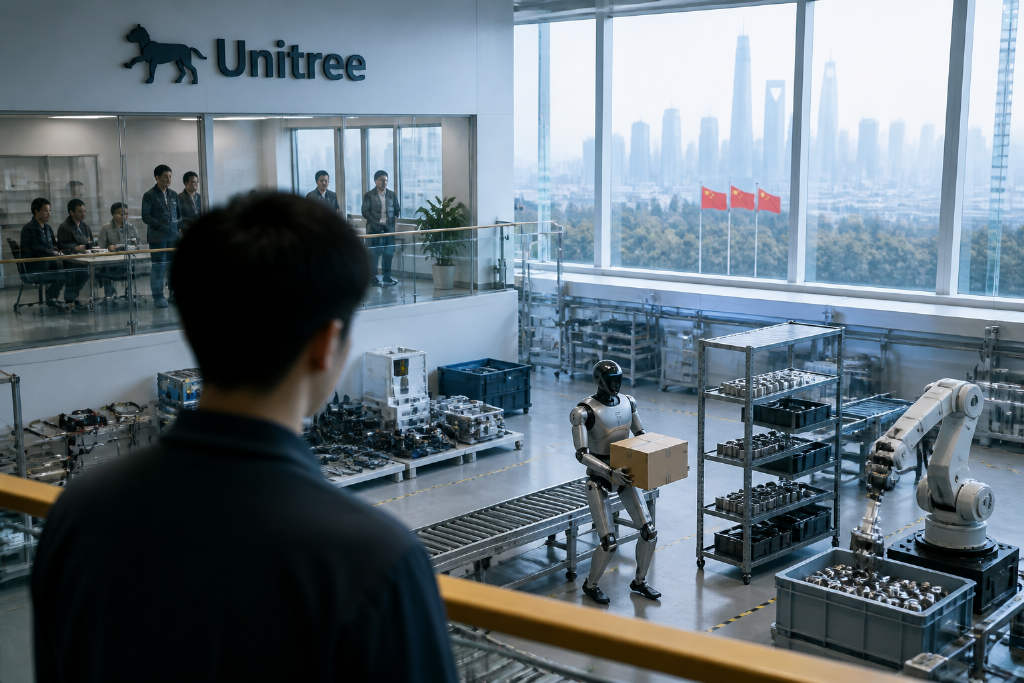
Embodied AI2026-08-23 05:19:00Embodied AI’s valuation surge runs ahead of proven demand, technology, and pricing logicA Late Post report cited by PANews paints a crowded and overheated embodied AI market in China, where capital has rushed into humanoid robots, dexterous hands, data collection, joint modules, and tactile sensors long before the sector has established durable industrial demand or a broadly accepted valuation framework. In the first half of 2026 alone, domestic embodied AI financing exceeded RMB 90 billion, and 22 companies were valued above RMB 10 billion, according to IT Juzi. Yet field observations described in the report show many robots still move too slowly for real factory deployment, while some revenue is tied to research, education, data collection loops, channel stocking, or related-party structures rather than large-scale end-user adoption. Unitree’s listing has become the market’s closest thing to a public benchmark. Morgan Stanley said more than 10,000 embodied robots were actually shipped in China last year, with Unitree accounting for 5,215 units. Its 2025 revenue reached RMB 1.699 billion, but the report notes that more than 70% of revenue as of last September came from research and education, and less than 10% came from industry applications. The broader question now is whether public markets will price Unitree as a high-growth embodied AI platform with future "brain" capabilities, or more like a strong engineering and hardware company. That answer may shape how long today’s private-market valuations can hold.1780
AI investment2026-08-16 03:24:08AI Cuts Startup Costs but Makes Top-Tier Venture Stakes More ExpensiveAccel’s latest $3.5 billion fundraise, announced on Aug. 11, came just four months after it raised a $5 billion late-stage fund, giving the firm $8.5 billion in fresh capital to deploy into what it calls an AI “supercycle” still in its early innings. The contradiction at the center of the market is becoming clearer: AI tools are helping startups build products and validate business models with smaller teams and less upfront spending, yet the price of buying meaningful ownership in the best AI companies is rising fast. Data cited from Carta show smaller startup teams, lower headcount at later stages, and a funding market that is splitting in two. Lightweight companies can get started with less money, while elite AI startups founded by researchers and executives from places such as Google, DeepMind, and OpenAI are raising unusually large seed rounds at valuations once reserved for growth-stage businesses. Carta and Crunchbase data also point to capital concentrating in a narrow group of leaders, with later-stage rounds gaining share and mega-rounds taking a growing portion of venture dollars. For venture firms, the issue is no longer just getting into a coveted deal. It is having enough capital to keep up as valuations climb and dilution falls.1390
Goldman Sachs2026-08-05 02:50:29Goldman Sachs Details Eight Key Focus Points for Korea's Memory Chip SectorGoldman Sachs has published a report detailing eight focus areas for South Korea's memory chip industry. The headline explicitly mentions valuations, long-term agreements, inventory, the competitive impact of ChangXin Memory Technologies, and share buybacks as being among the key topics. The phrase 'and more' in the headline indicates that additional focus areas exist but have not been enumerated in the brief news item. OdailyHot published this item on August 5, 2026, under the market analysis category. No further details, including specific figures, company names, or the full text of the Goldman Sachs report, have been disclosed. This summary therefore reflects only the information present in the original headline and publication metadata. A single cover image accompanies the post. Readers seeking a complete understanding of the eight focus points will have to wait for the full report to be released. The original news flash carries no additional narrative beyond what is stated here.1820