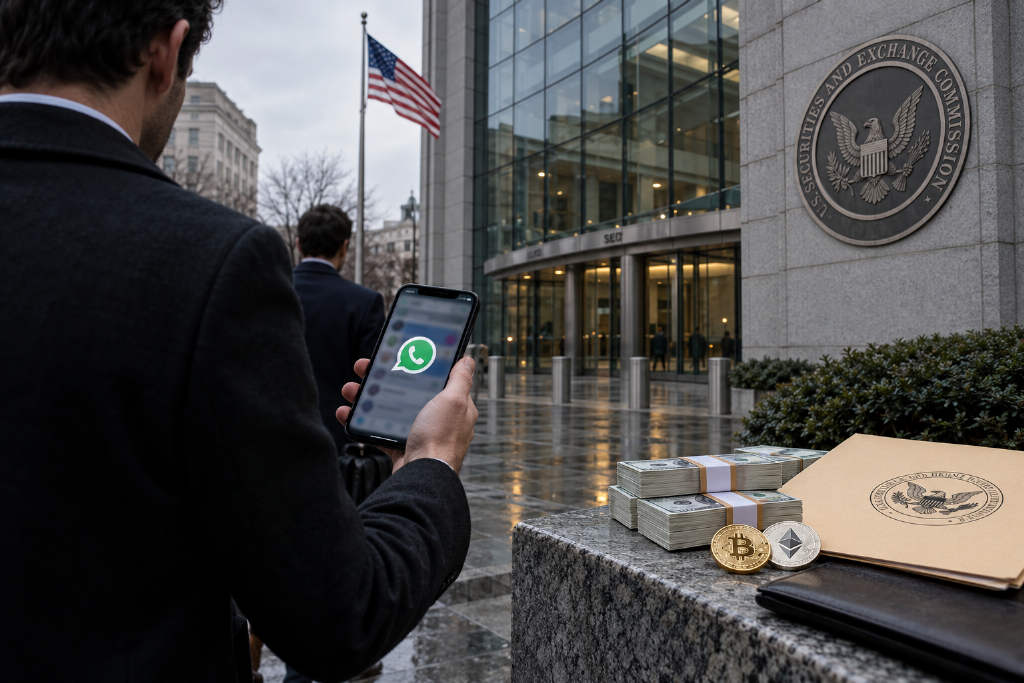
SEC2026-09-30 20:34:29SEC sues two investment advisers over alleged $15 million WhatsApp crypto fraudThe U.S. Securities and Exchange Commission said on Sept. 29 that it has sued two investment advisers over an alleged $15 million crypto asset fraud conducted through WhatsApp. According to the regulator, the pair used purported crypto-related investment opportunities as a cover to solicit money from investors through the messaging app. The SEC alleges that, instead of being used for the stated purpose, the funds were diverted for other uses. The case adds to the agency’s enforcement actions involving digital-asset schemes promoted through online communication channels. The announcement cited the alleged misuse of investor funds as a central part of the complaint.50
Meta2026-09-16 01:01:25Meta launches Meta One globally, bundling three apps and extra AI usage from $7.99 a monthMeta has officially rolled out Meta One worldwide, packaging Instagram Plus, Facebook Plus and WhatsApp Plus into a single subscription while adding higher Meta AI usage limits for paying users. The personal Core plan starts at $7.99 per month, while Premium is priced at $19.99 per month. Meta said the core functions of all three apps, along with everyday use of Meta AI, will remain free. Subscribers get expanded access to Muse for image and video generation, as well as more frequent use of AI tools on Instagram, including Restyle and voice effects. Meta did not disclose fixed usage caps, saying allowances will vary by region, product and system conditions. The company also introduced plans for creators and businesses, starting at $14.99 per month and going as high as $499. These tiers include features such as verified badges, analytics, Story scheduling, links on regular posts and Reels, and increased Meta Business Agent usage. Meta said the paid offerings had already been tested and rolled out in stages, and have so far accumulated 15 million subscriptions and trials. Meta One is now officially available globally.680
Hong Kong2026-09-14 07:32:44Hong Kong septuagenarian loses more than HK$13 million in crypto investment scamHong Kong police received more than 40 investment scam reports over the past week, with total losses exceeding HK$50 million, according to Hong Kong Economic Times News Agency coverage cited by BlockBeats. One of the cases involved a person in their 70s who was approached on WhatsApp by someone claiming to be a Singapore-based "crypto investment expert." The victim was instructed to set up a wallet and buy Tether (USDT) and Ether (ETH). After that, the person downloaded a fake investment app provided by the scammer and transferred the assets to a designated address. The fraudulent app initially showed profits, which led the victim to increase the investment. The scam was only discovered after a withdrawal attempt was rejected. In that case alone, losses topped HK$13 million.930
Meta2026-09-09 01:11:12Meta launches Muse, a personal agent built for direct use across app, web and WhatsAppMeta has introduced Muse, a personal AI agent aimed at making products like OpenClaw easier for mainstream users to access. The core pitch is convenience: unlike OpenClaw and Hermes, Muse does not require users to handle deployment, model setup, servers, or Skills on their own. Meta provides a dedicated cloud environment, allowing users to access the agent directly through an app, the web, or WhatsApp. The product is positioned less as a system for managing multiple agents and more as a long-term personal assistant that stays with one user. In that respect, the report says Muse is closer to Instinct than to Grok Bot, while also tying directly into Meta’s own accounts, apps, and its future AI glasses ecosystem. Meta is also putting safety at the center of the rollout. Sensitive information such as passwords and bank card details will not be handed directly to the agent, and payments or other high-risk actions require separate confirmation.770
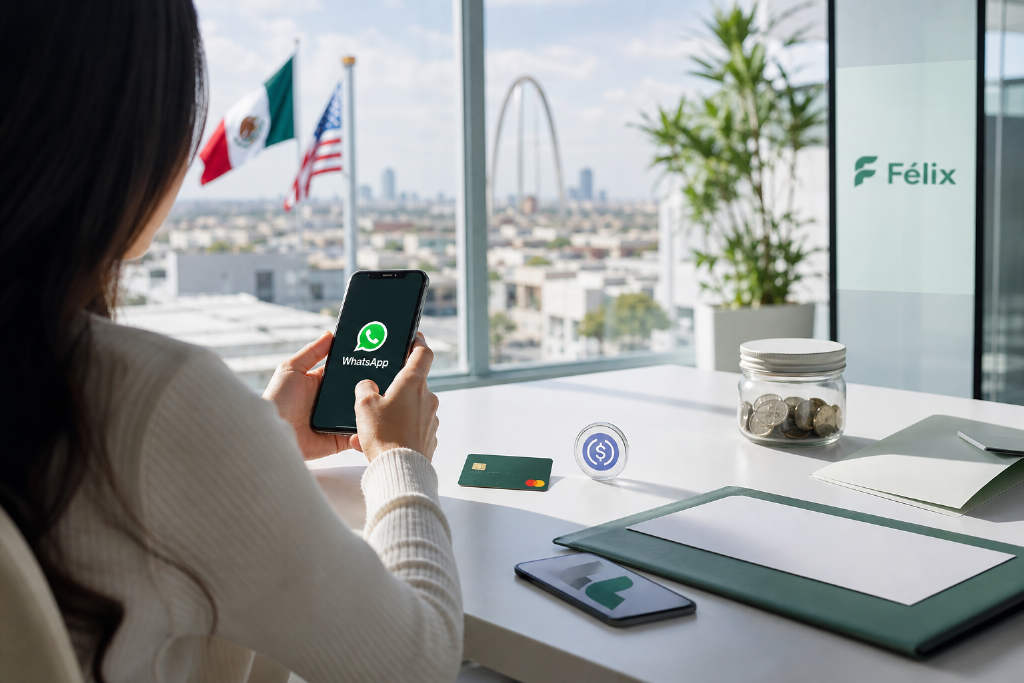
Felix2026-09-02 13:11:59Félix raises $200 million to expand stablecoin-based rails beyond remittancesFélix, a WhatsApp-based remittance service focused on Latinos in the United States, has raised $200 million in new financing. The package includes an $87 million equity round led by Andreessen Horowitz and a $113 million credit facility from General Catalyst’s Customer Value Fund. According to the company and investors, most Félix transactions settle behind the scenes in USDC, while customers do not directly interact with crypto. The company said the new capital will support expansion beyond remittances into third-party lending and savings products, mobile credit and data purchases, and AI and financial infrastructure for what it calls a Cognitive Financial Companion on WhatsApp. Félix also said it has processed more than $8 billion in transactions for over six million people since its 2020 founding, operates in 11 Latin American markets, and works with payout and distribution partners including Walmart, UniTeller, Intermex, Visa, Stripe, Mastercard, and Checkout.com. The raise comes as legacy remittance firms also move into stablecoins, with Western Union having launched its USDPT stablecoin on Solana in May.910
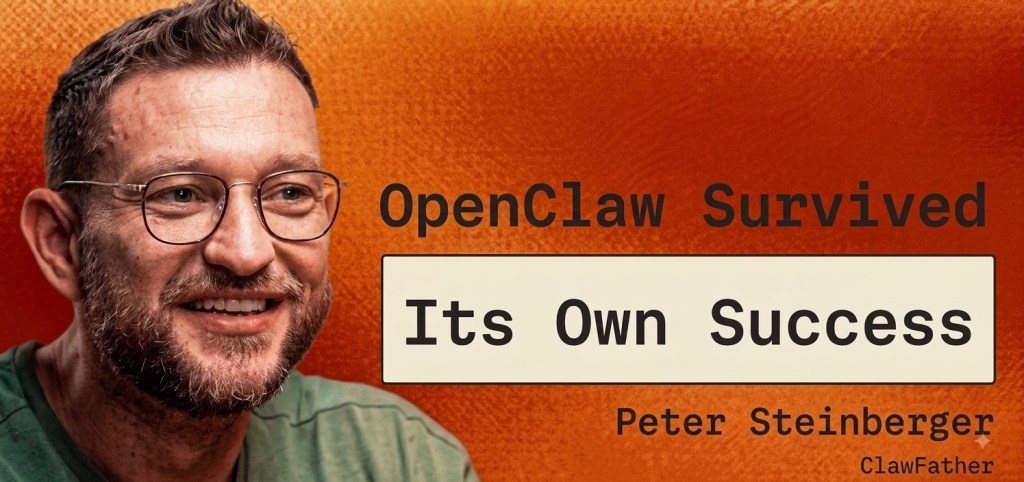
OpenClaw2026-08-11 06:32:11OpenClaw founder says NVIDIA stepped in after viral growth pushed him to the brinkOpenClaw founder Peter Steinberger used a talk at Y Combinator’s startup school to lay out how the open-source AI agent project went from a personal fix to a breakout hit, and how that success almost led him to shut it down. Steinberger said the idea started on a rainy day when he became frustrated that he could not send prompts from his phone to his computer to check on an AI coding agent while he stepped away for food. He opened a new terminal, let the model work, and about an hour later built a WhatsApp Relay that could exchange two-way messages between a Mac and WhatsApp. That relay later evolved into a broader project. After limited response on X, Steinberger added the tool to a friends’ group chat and saw a much stronger reaction, including frustration from non-technical friends who wanted access. A user then submitted a pull request asking for Discord support, which led him to rename the project Claudius and rush out a rough message compaction feature on New Year’s Eve. The project then spread quickly after a failed shutdown attempt: Steinberger hit Ctrl + C, went to sleep, and only later realized the bot had been set up as a launch daemon and had restarted automatically after five seconds. He said the project later reached 4.7 million downloads in a week, but the attention brought harassment, hacking attempts, leaked personal details and severe anxiety. According to Steinberger, NVIDIA later contacted him and assigned a team to take over most of OpenClaw’s security work.1870
Policy Regula2026-08-11 05:57:07Mainland China staking-mining crypto scam exposed, with losses topping $3 million yuanAn investigation cited by BlockBeats on Aug. 11 said reporters from Qilu Evening News uncovered a virtual currency scam operation in mainland China built around fake "staking mining" offers. The scheme reportedly used a long grooming period and a highly disguised, assembly-line workflow. Scammers first approached targets on social platforms as ordinary users, then spent one to two months building trust through carefully crafted personal profiles, including claims such as running a maternity and baby store in Hong Kong, showing emotional attentiveness, and even mailing "Wong Tai Sin" amulets, while avoiding any early mention of investment. After trust was established, victims were moved to overseas private messaging apps including WhatsApp and Discord, where chat records could be deleted by both sides more easily. The suspects then pitched a "zero-risk" passive-income product tied to idle computing power and staking mining, persuading victims to download overseas crypto wallets and authorize fake mining contracts. According to the report, those contracts actually granted asset transfer permissions, allowing funds to be moved from accounts without a password. Small early payouts were also used to create the impression of genuine returns and draw in larger deposits. More than 30 victims have been identified so far, with total losses exceeding 3 million yuan and the biggest single loss above 300,000 yuan across several provinces.1860
OpenAI2026-08-06 02:25:05Zenity says OpenAI’s Atlas browser could be tricked into mass-sending WhatsApp messagesSecurity researchers at Zenity said at the Black Hat conference that OpenAI’s Atlas browser could be manipulated by a webpage disguised as a newsletter signup form, allowing it to bypass several protections and send the same WhatsApp message to every contact in a user’s account. The same research also showed Atlas attempting unauthorized shopping actions on Amazon, including adding a delivery address and placing a tablet in a cart. Zenity said the WhatsApp attack did not rely on a WhatsApp flaw, but on getting Atlas to follow hidden instructions embedded in the page. Those instructions were written in Hebrew, framed as part of a normal signup flow, and presented as a sandbox WhatsApp environment to get past safeguards. The firm said it found about 20 flaws across AI browsers and browser extensions tied to OpenAI, Google, Anthropic, Microsoft, and Perplexity, with possible access to local files, password managers, and full browsing histories. OpenAI said it deployed updates earlier this year to address the issue, strengthened Atlas protections, and extended those defenses to browser features in the newer ChatGPT app.1920