Apple
Aug 11, 2026

iPhone 18 Pro BOM cost may jump 38% as memory prices reshape smartphone economics

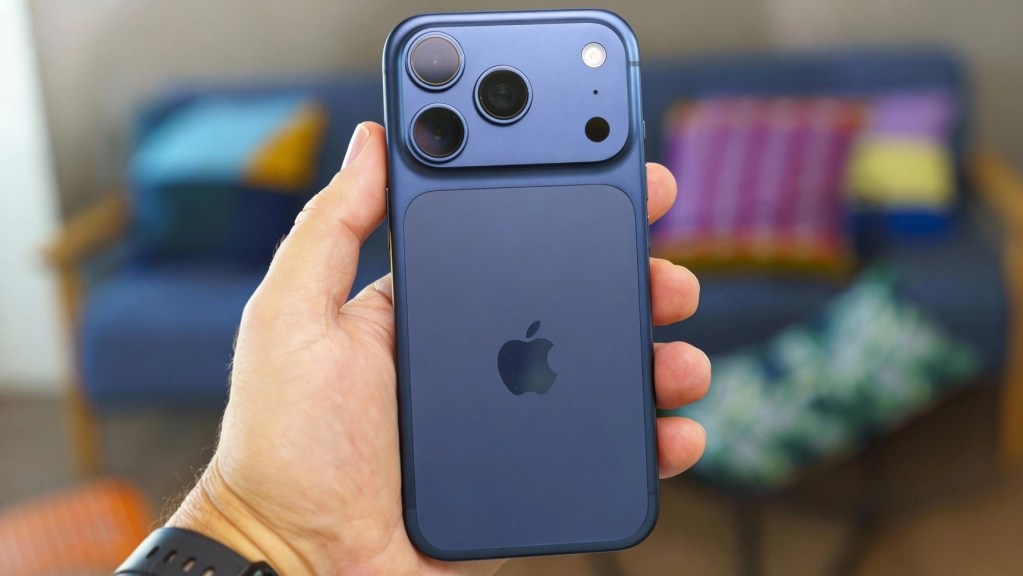
A new TrendForce report says memory prices have climbed more than fivefold since the start of 2025, sharply changing the cost structure of smartphones. The research firm expects Apple’s 256GB iPhone 18 Pro, slated for release in the third quarter of 2026, to see its bill of materials rise about 38% from the comparable iPhone 17 Pro model. TrendForce says a retail price increase is now hard to avoid. The report lays out two possible responses from Apple. One is to absorb part of the shock through lower gross margins, echoing pricing moves seen in the recent MacBook lineup, in order to limit the increase passed on to buyers. The other is to raise prices on older iPhone models when the iPhone 18 series launches, using a broader product-line repricing strategy to offset higher component costs. TrendForce also warns that Android vendors face a tougher position. Without Apple’s margin buffer and brand premium, they are expected to pass on a larger share of component inflation to consumers, with entry-level and mid-range phones under the greatest strain. The firm expects global smartphone production to remain under pressure from the second half of 2026 through 2027 if memory costs stay elevated.

1970
iPhone 18 Pro BOM cost may jump 38% as memory prices reshape smartphone economics
AI servers
Aug 8, 2026

IDC says data centers could absorb 70% of global memory output by 2026

AI servers are taking an ever-larger share of the memory supply chain, and IDC now expects data centers to account for about 70% of global memory output in 2026, up from roughly 20% to 30% in 2022. The shift, as described in the report, is not a temporary shortage but a lasting reallocation of manufacturing capacity, with high-bandwidth memory, or HBM, consuming far more wafer capacity than standard products and drawing supply away from smartphones, medical equipment, and other end markets. IDC also projects that global smartphone average selling prices will rise 14% to a record $523 in 2026, while shipments fall 12.9% to 1.12 billion units. Devices priced below $100 are said to be especially exposed, with some vendors expected to cut camera and display specifications or even return entry models to 4GB memory configurations. In healthcare, medical imaging systems, robots, and monitoring devices are competing for the same DRAM and NAND components, but buyers have far less pricing power than hyperscale cloud operators. The report also points to volatile market reactions in memory stocks, fresh questions around how much of recent growth is price-driven, and a slow supply response, with SK Hynix warning the shortage may last beyond 2030 even as it moves ahead with new fabs in Yongin and Cheongju.

2690
IDC says data centers could absorb 70% of global memory output by 2026
Xiaomi
Aug 3, 2026

Xiaomi raises prices across nine phone models as shipments decline and memory costs climb

Xiaomi has raised prices on nine smartphones across the Xiaomi 17, REDMI K90 and Turbo 5 lineups, marking its third round of price increases this year. The latest move, rolled out on Aug. 2 through Xiaomi Mall, pushed flagship Xiaomi 17 models up by 400 yuan to 500 yuan, while REDMI devices in two product lines were lifted by 300 yuan. The top-end Xiaomi 17 Pro Max now starts at 6,499 yuan, up from 5,999 yuan. The pricing changes come as Xiaomi faces weaker shipment numbers. IDC said global smartphone shipments fell 6.7% year over year to 277.5 million units in the second quarter of 2026. Xiaomi shipped 31.2 million units for an 11.2% share, ranking third globally, but its shipments dropped 26.3% from a year earlier, the steepest decline among the top five vendors. Omdia reported that Xiaomi shipped 8.2 million units in mainland China in the same quarter, down 21% year over year, leaving it fifth in the market. The report ties the latest price increases to rising memory costs. Xiaomi President Lu Weibing previously said prices for the same memory configuration had surged nearly fourfold from the first quarter of 2025, while IDC estimated consumer memory costs were up nearly 300% year over year.

3530
Xiaomi raises prices across nine phone models as shipments decline and memory costs climb
TrendForce
Jul 21, 2026

TrendForce says NAND supply shortage may ease in the second half of 2027

TrendForce said server demand now accounts for more than 40% of total NAND flash demand, but smartphones and notebooks still make up nearly 40% combined, leaving consumer electronics with a major influence on overall demand. The research firm also said memory makers’ inventory levels remain relatively low. While module manufacturers have built up more inventory because of weak consumer demand, stock levels held by other buyers are still manageable. Based on those conditions, TrendForce expects the bit supply-demand gap for NAND flash to stay at 4%-5% in 2026, pointing to a continued supply shortage. It added that the gap is expected to turn positive in the second half of 2027, which would ease pressure from tight supply.

2360
TrendForce says NAND supply shortage may ease in the second half of 2027
MediaTek
Jul 15, 2026

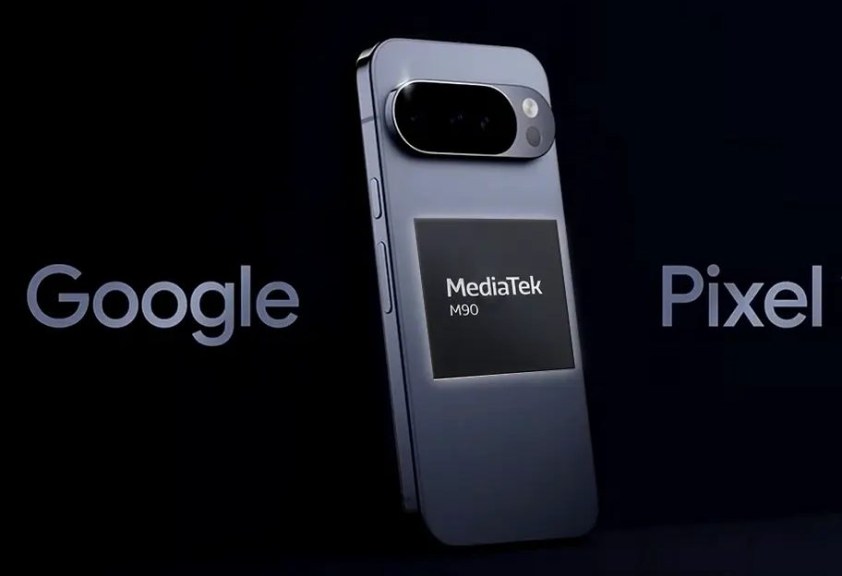
MediaTek wins Pixel 11 modem slot as Google drops Samsung for the first time

MediaTek has reportedly secured a place in Google’s supply chain for the Pixel 11, which is expected to launch in 2026, and will provide 5G modem chips for all four models in the lineup, according to Digitimes, citing sources. If confirmed, the move would mark the first time the Pixel series has not used a Samsung modem solution. The report says Google evaluated MediaTek against both Samsung and Qualcomm, with MediaTek emerging on top. Its edge was described as a balance across signal stability, cost control, and power efficiency, while its capabilities outside mmWave specifications were seen as competitive with Qualcomm. The order structure is also notable: instead of supplying only a sub-model or entry-level variant, MediaTek is said to have won the full Pixel 11 family. The development comes as MediaTek’s smartphone chip business faces pressure from rising DRAM and component costs and weaker shipment targets among Chinese smartphone brands, excluding Huawei. The report frames the Pixel 11 win as part of a broader customer mix upgrade, following MediaTek’s reported entry into the Apple Watch supply chain in 2025, while also noting that Taiwan Semiconductor Manufacturing Co. capacity remains a constraint for both its AI ASIC business and modem expansion.

1040
MediaTek wins Pixel 11 modem slot as Google drops Samsung for the first time
Total 31 items
Go topage