Google2026-09-30 16:13:32Google develops watermarking method for AI-designed proteins to address biosafety risksGoogle researchers have developed a method to add watermarks to proteins designed by artificial intelligence, according to a Techub News brief citing Ars Technica AI. The reported goal is to address biosafety risks tied to the growing use of AI in biotechnology. The report says current software used to identify potentially threatening proteins cannot effectively distinguish proteins generated by AI. By adding a watermark, the new method is intended to separate AI-designed proteins from naturally occurring ones, which could improve both regulatory oversight and traceability. The development is described as an early response within biotechnology to the risks that AI may introduce. The same class of AI tools has already shown success in designing enzymes that could help digest plastic or block toxic proteins. At the same time, the report notes that such systems could also be used to create toxins or alter the behavior of viral proteins. The item was published by Techub News under the policy and regulation category.60
Uniswap2026-08-16 02:15:25Hayden Adams jokes that Uniswap will "watermark" trades to comply with EU AI rulesUniswap founder Hayden Adams made a tongue-in-cheek comment after citing Anthropic’s explanation that it would implement watermarking to comply with the European Union’s AI Act. Adams said Uniswap would also "watermark" trades by changing routing logic. In his joke, he said the protocol used to choose the best route but would now choose a different one instead. He added that this somehow would have no real impact on execution quality, "if I redefine the word ‘real’." Adams explicitly noted that the post was a joke. The remark did not announce any actual product or policy change at Uniswap; it was framed as satire tied to the EU legal compliance discussion referenced in Anthropic’s statement.1060
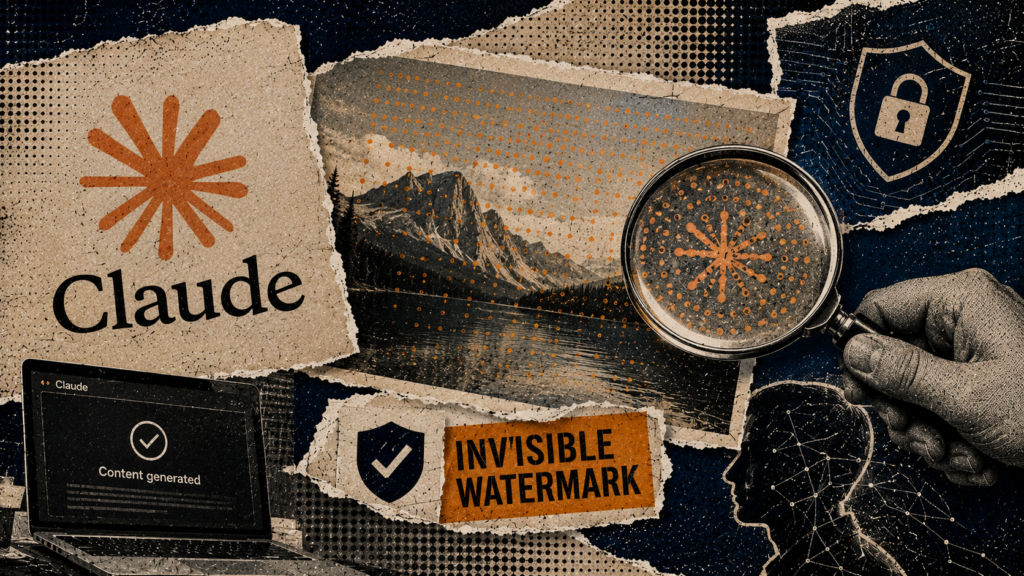
Anthropic2026-08-11 07:33:04Anthropic to add invisible watermarking and C2PA signatures across Claude-generated contentAnthropic said Claude-generated content will carry machine-readable markers worldwide starting Aug. 2, 2026, adding invisible text watermarking and C2PA-based signed provenance metadata to meet transparency rules under the European Union’s AI Act. The company said the rollout will cover Claude apps, its API platform, Claude Code, and services accessed through cloud partners including AWS, Google Cloud, and Microsoft Foundry. New models launched after that date will support the markers from day one, while older models are being updated. Anthropic described the system as a two-part approach. Text outputs will include embedded signals designed to remain invisible to readers and to persist when content is copied and pasted. File outputs such as SVG, PNG, and JPG will carry signed metadata intended to show whether Claude handled the file and whether it was later tampered with. The company also said it will publish technical documentation for detection methods so users and third parties can verify whether content passed through Claude. Anthropic also acknowledged the limits of the system. A detected marker does not prove Claude was the original author, since users may use the model for proofreading, translation, or summarization of human-written text. The absence of a marker also does not prove human authorship, especially for older model outputs, heavily revised text, short passages, or images altered through screenshots or format conversion.1870
Suno2026-08-07 02:42:48Suno says it will watermark AI-generated music in coming weeks as copyright cases advanceSuno says it plans to add watermarks to all audio generated by its models in the coming weeks, giving partner platforms a way to label or block AI-made tracks. The company did not say what technology it will use, did not provide a launch date, and did not disclose how download limits may change. The announcement came after a German court ruled on July 31 that Suno violated local music licensing rules, while Sony’s copyright case against the company in the U.S. also moved forward in July at the summary judgment stage. Suno said the watermark would embed an inaudible code in the waveform and would be durable, resistant to tampering, and not affect audio quality. The company said the goal is to help partners fight fraud and abuse. Still, the legal focus remains on how Suno obtained training data, not whether finished outputs carry labels. The report also points to a 2025 data breach that allegedly showed Suno scraped material from YouTube, Deezer, and Genius for model training, an incident that has since led to a class action lawsuit in Massachusetts.1880