From beginner to advanced — master exchanges, wallets and blockchain essentials
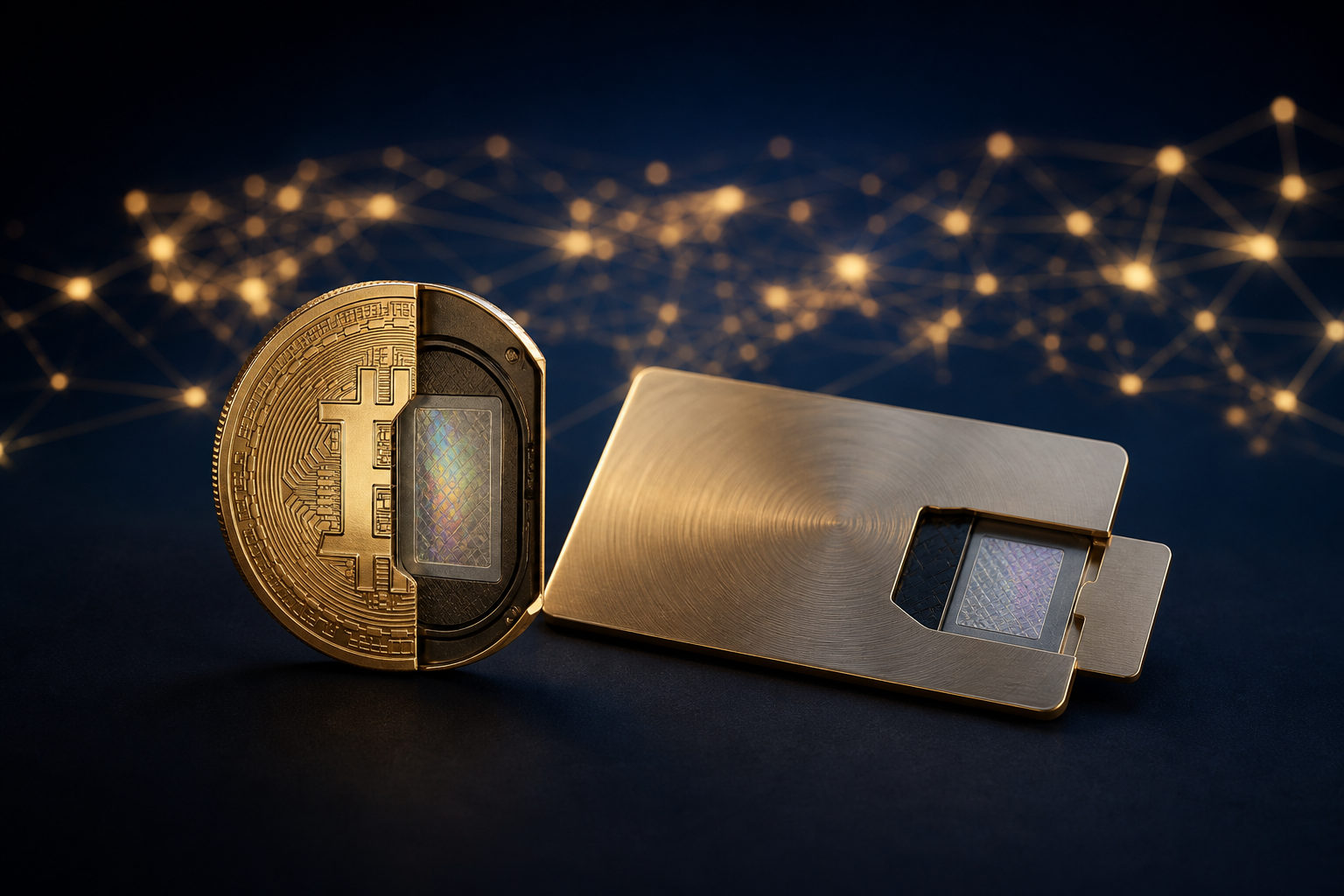
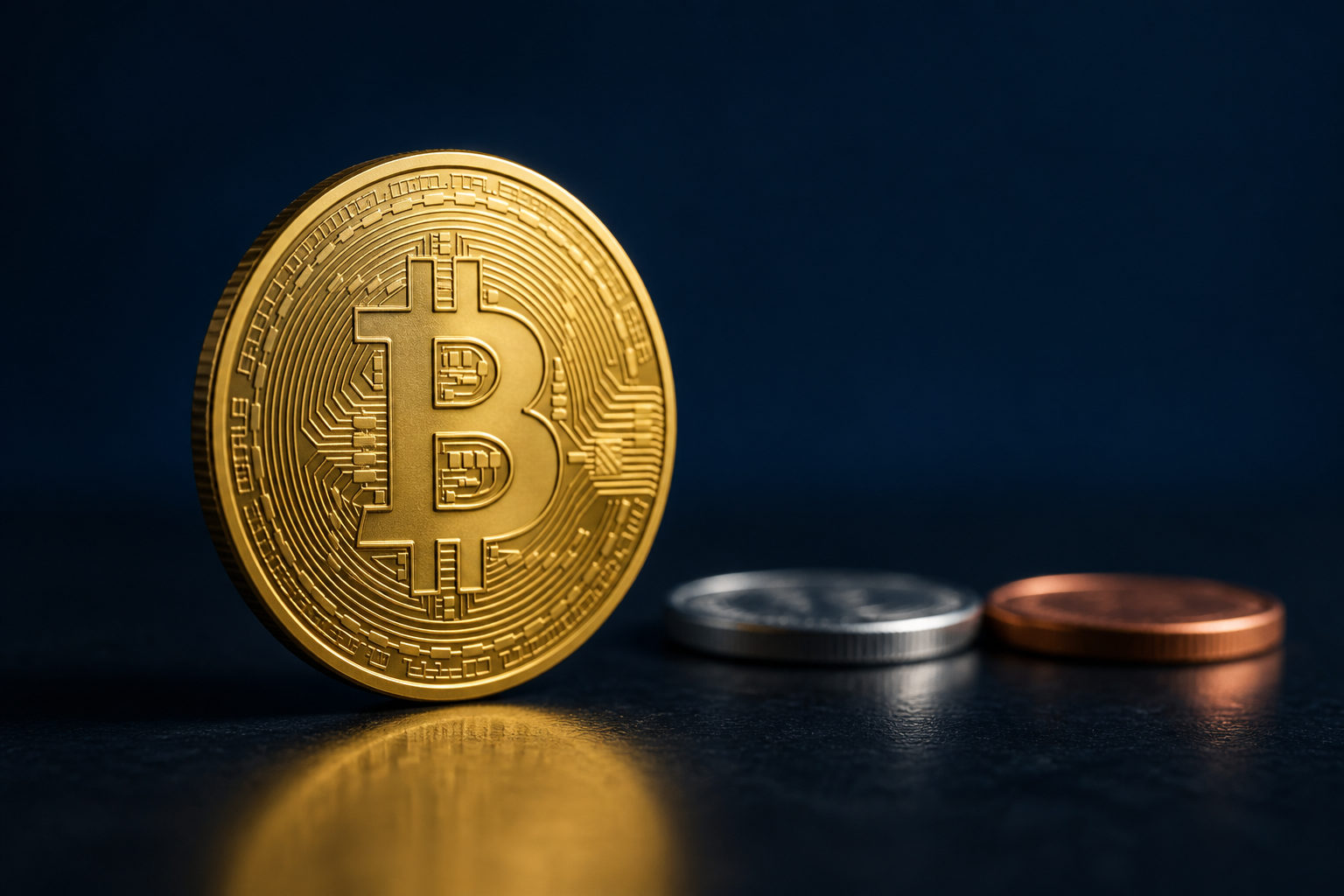
A physical bitcoin is usually a collectible or a private-key container, not Bitcoin itself. The real asset exists on-chain, not inside a metal coin.
Bitcoins are not physical coins. Bitcoin is a digital asset on a blockchain, controlled by private keys and transferred through network verification.
Yes, but most physical bitcoins are collectibles, not actual BTC. Check whether they include a verifiable wallet, sealed private key, and safe transfer process.
How much is a physical bitcoin worth? Start with the BTC it represents. As of August 1, 2026, BTC is $62925, then add any collectible premium.
How much is a gold bitcoin worth? As of August 1, 2026, Bitcoin is $62944, but gold, silver, or copper bitcoin coins may be collectibles only.
A real bitcoin is not a physical coin. It is a digital asset recorded on the Bitcoin blockchain and controlled through private keys.
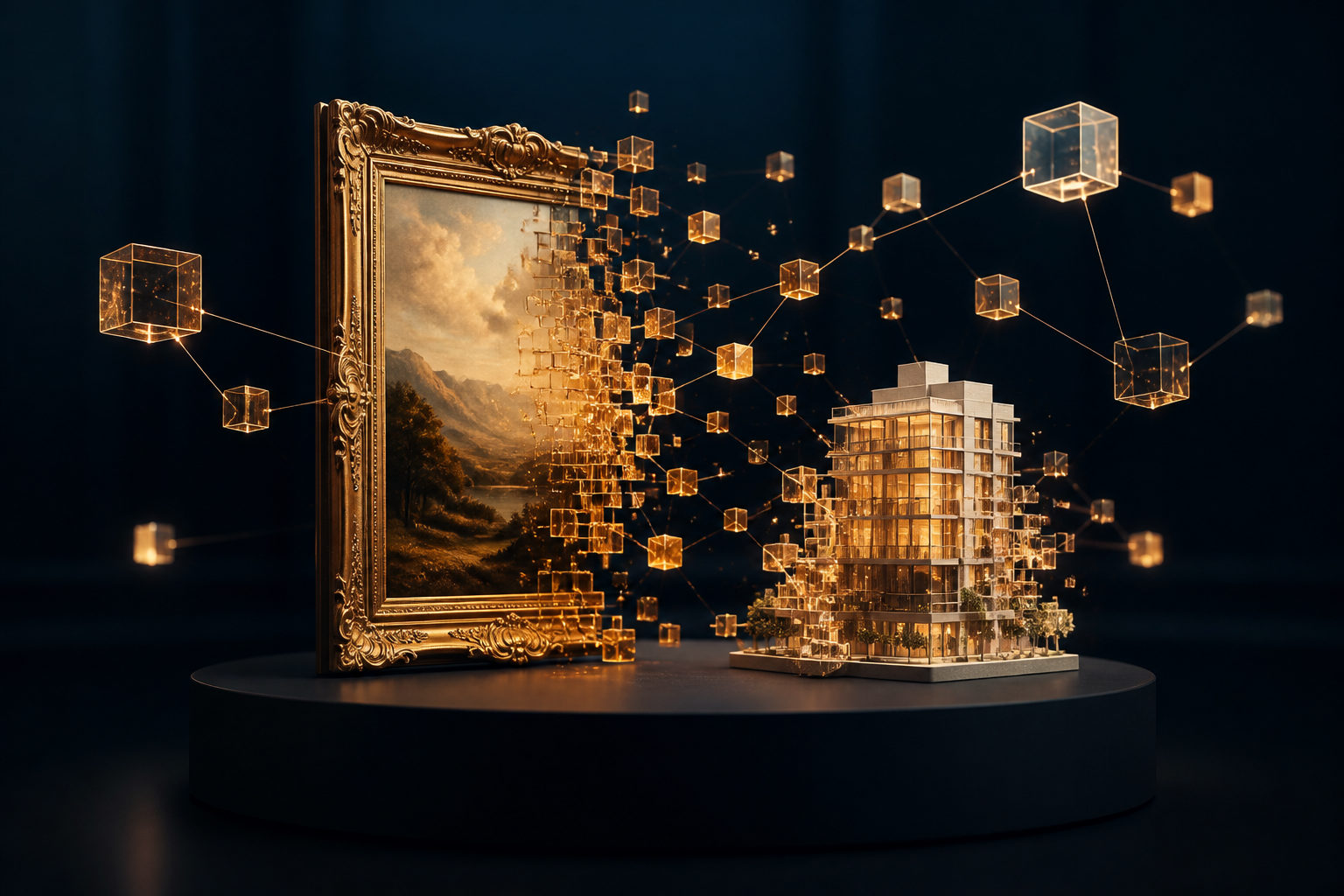
Tokenization is converting real-world assets or rights into digital tokens on a blockchain. These tokens represent ownership or a stake in the asset and can be easily traded or transferred within the blockchain ecosystem. This process is very important because it guarantees enhanced security, ensuring that ownership and transactions cannot be tampered with through blockchain technology. Tokenization also improves efficiency since it reduces costs and eliminates intermediaries, streamlining the transfer of assets. This process improves liquidity because tokenization enables fractional ownership, making traditionally illiquid assets like real estate or art accessible to a broader audience and easier to trade.