Bit.Fan Crypto Academy

Learn Crypto with Bit.Fan Academy

From beginner to advanced — master exchanges, wallets and blockchain essentials

exchange%20account

How to “Wash” Bitcoins: Risks and Safer Legal Options

“Washing” bitcoins usually means hiding the source of funds. That creates legal and compliance risk; this guide explains why and what to do instead.

How to “Wash” Bitcoins: Risks and Safer Legal Options

How to Use a Bitcoin Voucher Safely
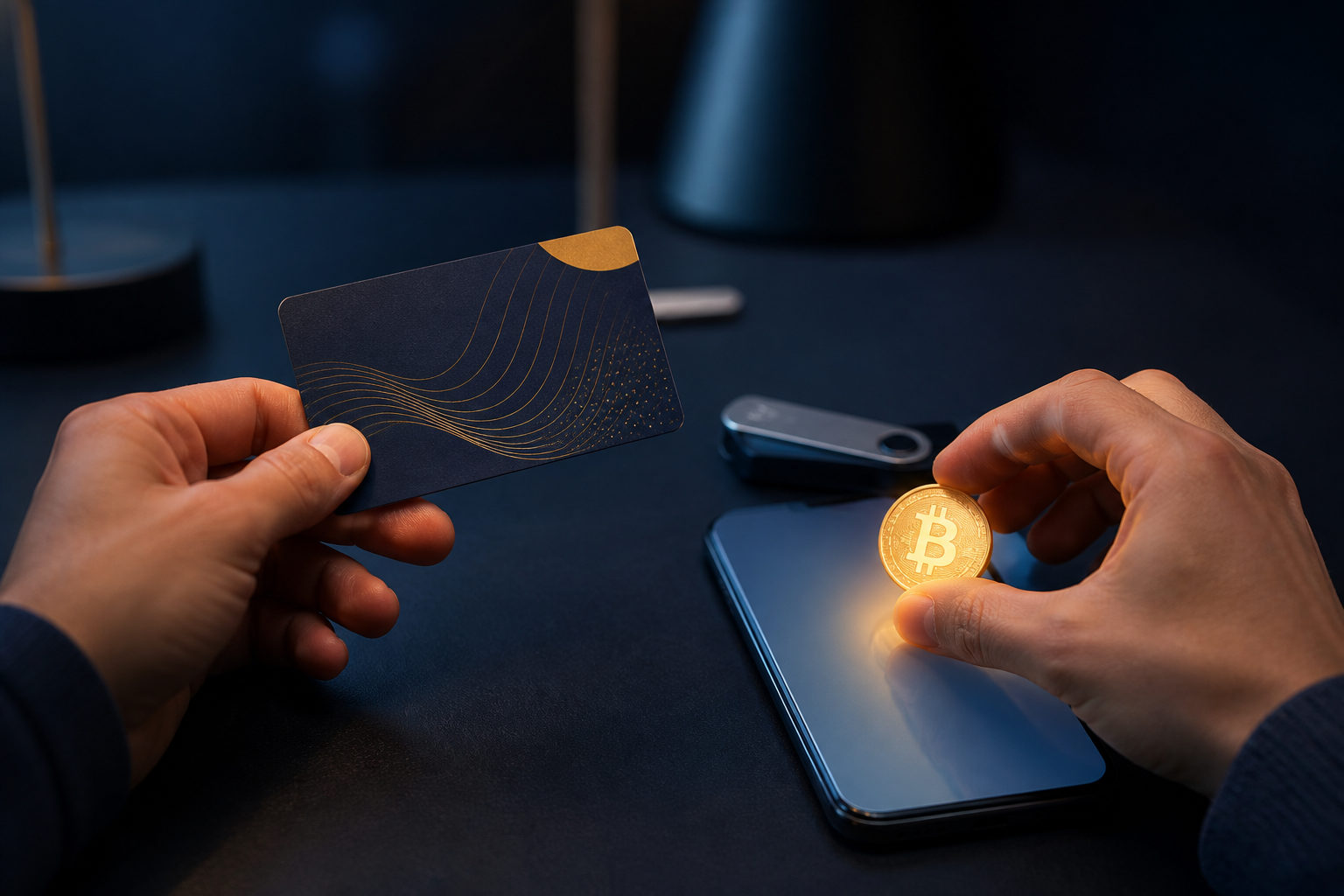
How to use a bitcoin voucher: verify the voucher type and source, redeem it through the official interface, then move BTC to your own wallet.

How to Use a Bitcoin Voucher Safely

How to Use a Bitcoin Wallet Safely
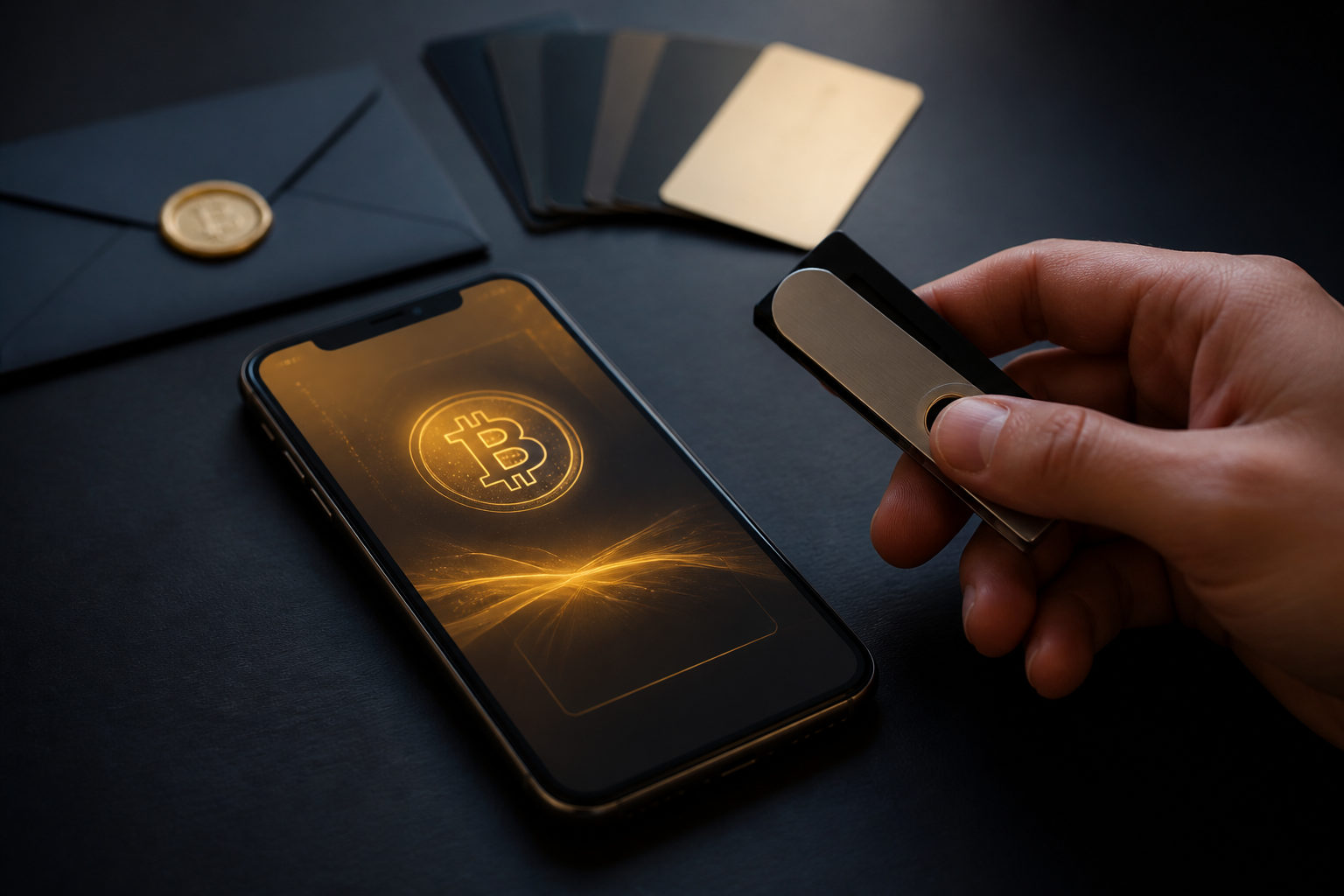
How to use a bitcoin wallet starts with one rule: protect your private keys, verify addresses, test transfers, and keep a real backup.

How to Use a Bitcoin Wallet Safely

How to “Upload” Bitcoins: What It Really Means
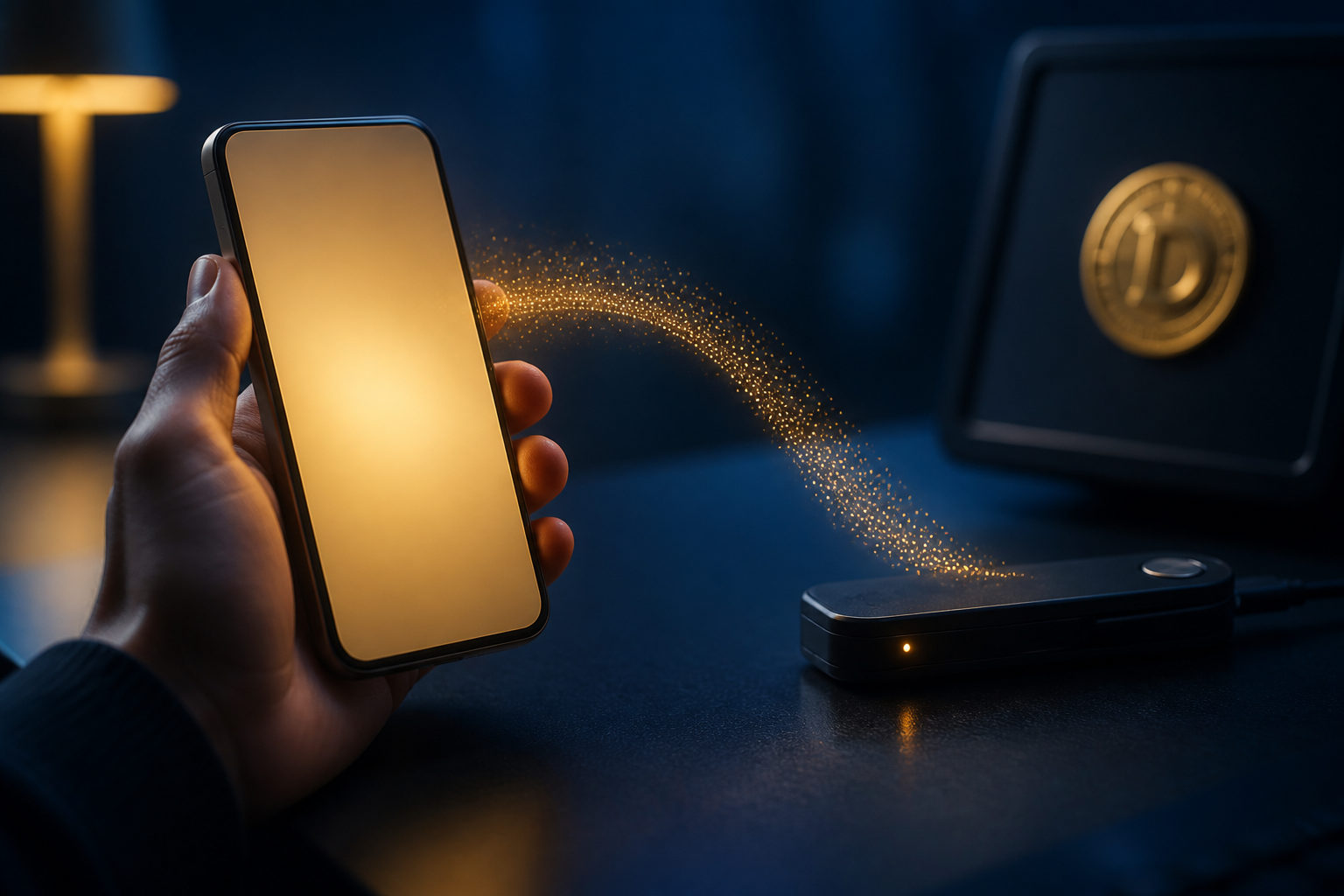
“Upload bitcoins” usually means sending BTC to a wallet, exchange, or another address. The real job is matching the right address and network.

How to “Upload” Bitcoins: What It Really Means

How to Transact With Bitcoin: A Practical Guide
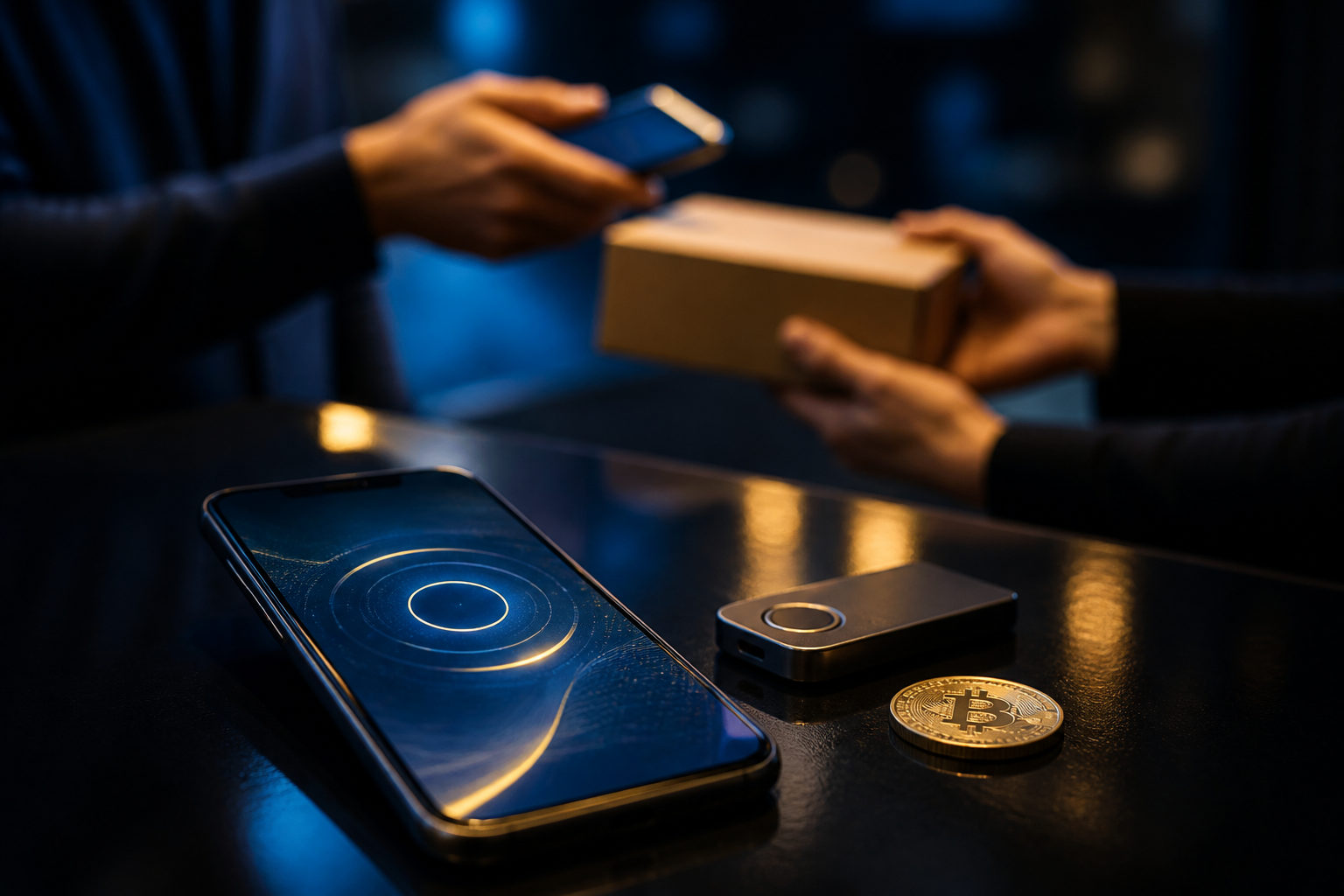
How to transact with bitcoin: set up a wallet, verify the address, choose the fee, send the payment, and wait for confirmation before delivery.

How to Transact With Bitcoin: A Practical Guide

How Traceable Is Bitcoin? What Users Should Know

Bitcoin is highly traceable on-chain. Transactions are public, and identity becomes easier to infer when addresses connect to exchanges or public records.

How Traceable Is Bitcoin? What Users Should Know

How to Store Bitcoin on Trezor Safely
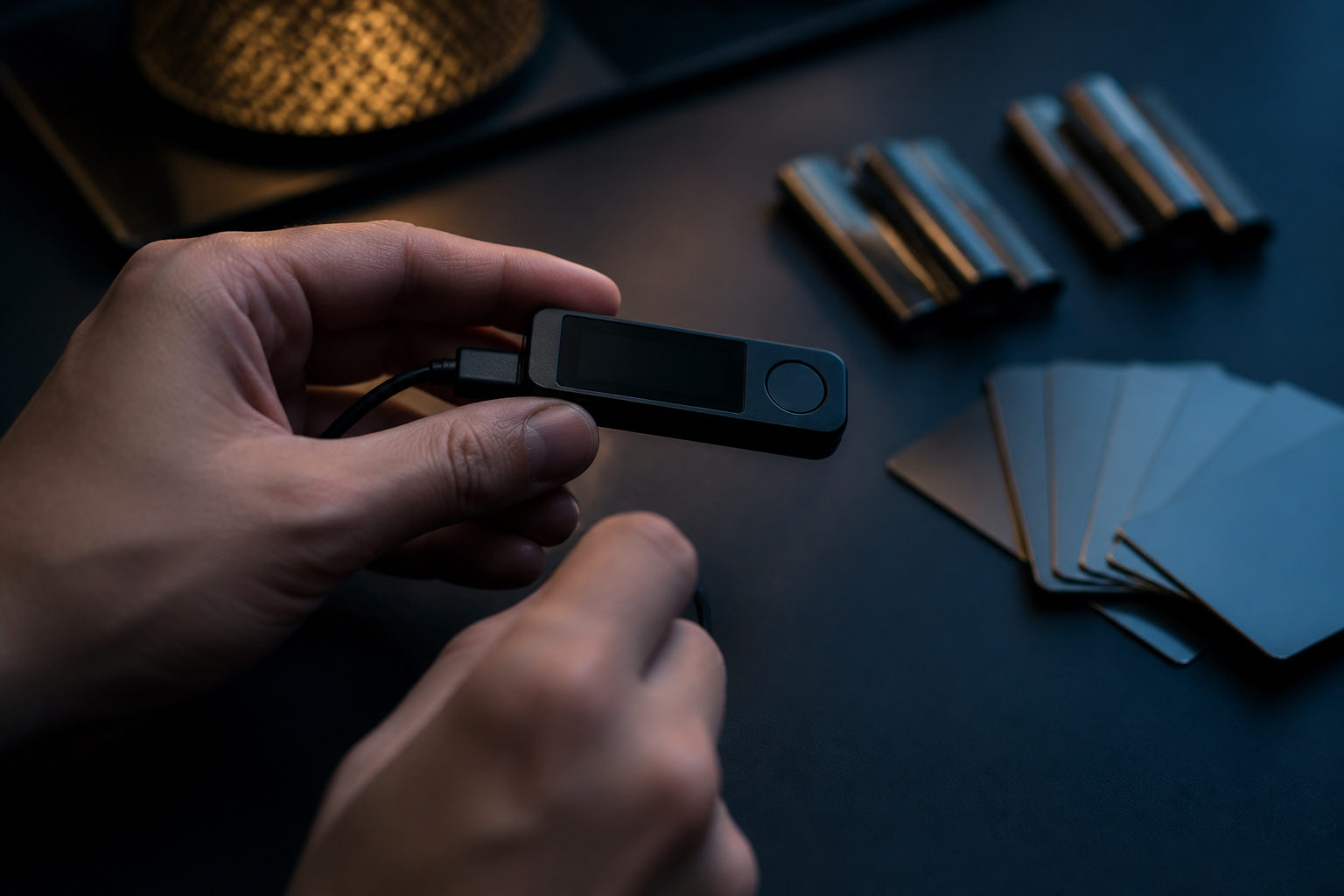
To store bitcoin on Trezor, set up the device, back up the recovery seed offline, verify the receive address on-screen, then send BTC.

How to Store Bitcoin on Trezor Safely

How to Send Bitcoin Without Verification
Sending bitcoin usually does not require ID verification if you control the private keys. The real job is checking address, fees, and backup safety.

How to Send Bitcoin Without Verification