


Learn Crypto with Bit.Fan Academy

From beginner to advanced — master exchanges, wallets and blockchain essentials

mobile wallet

Where Is My Bitcoin Wallet? How to Find Access
“Where is my bitcoin wallet” usually means finding your app, device, or exchange account—and checking whether you still control the seed phrase or private key.

Where Is My Bitcoin Wallet? How to Find Access

Who Takes Bitcoin? Merchants, Platforms, and People
Who takes bitcoin? Many do, but mainly in online services, cross-border work, digital goods, and some local shops. The key is how payment is handled.

Who Takes Bitcoin? Merchants, Platforms, and People

Where to Store a Bitcoin Wallet Safely
Where to store a bitcoin wallet depends on who controls the private keys, how often you use it, and how much recovery risk you can handle.

Where to Store a Bitcoin Wallet Safely

Can Bitcoin Be Seized? It Depends on Custody
Bitcoin can be seized in some cases. Exchange-held BTC is easier to freeze, while self-custodied BTC depends on who controls the private keys.

Can Bitcoin Be Seized? It Depends on Custody

Is Bitcoin Portable? Yes, If You Control the Keys
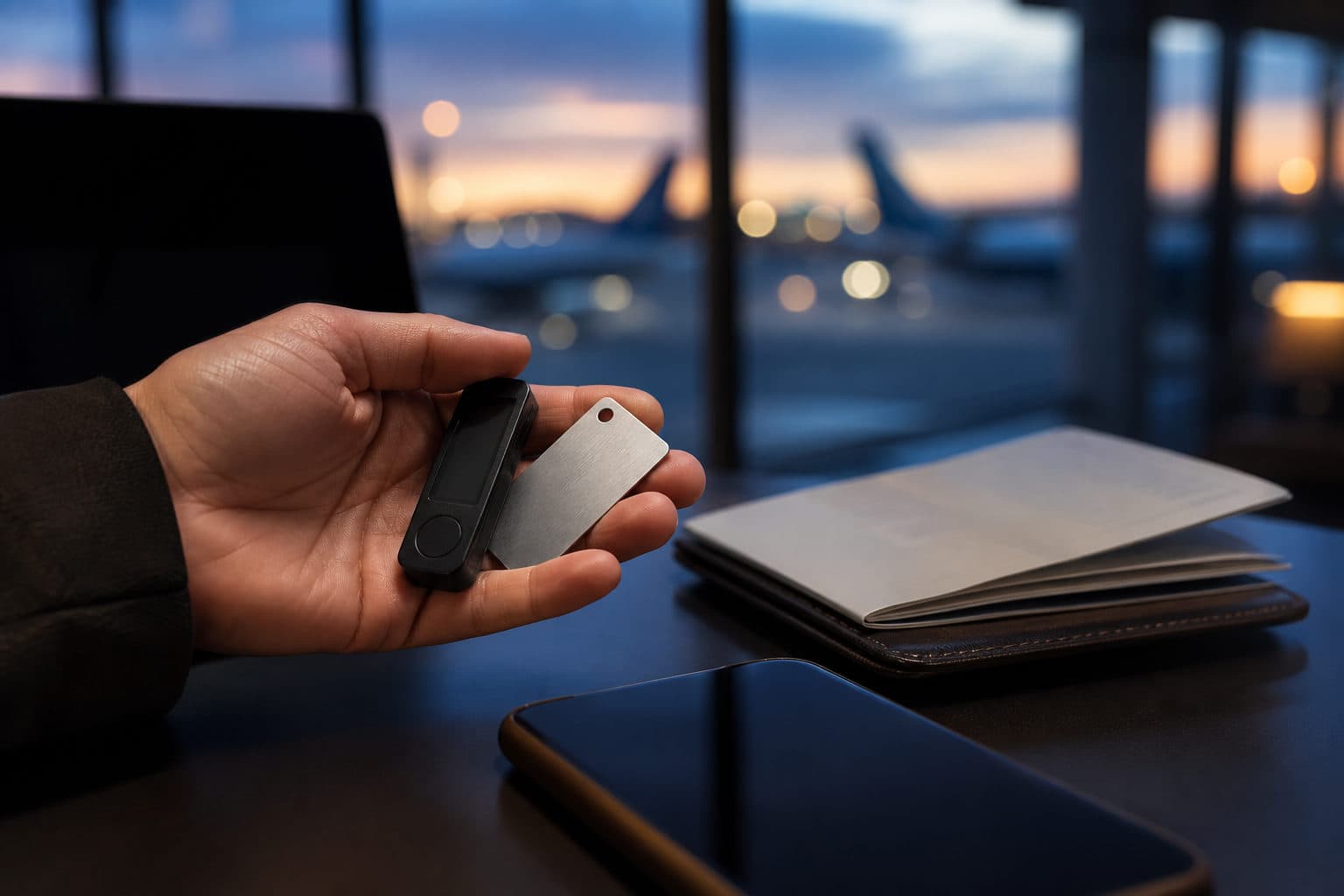
Bitcoin is portable because control can move across devices and borders. What matters is key backup, wallet type, and safe recovery.

Is Bitcoin Portable? Yes, If You Control the Keys

What Is a Bitcoin Node? A Simple Guide
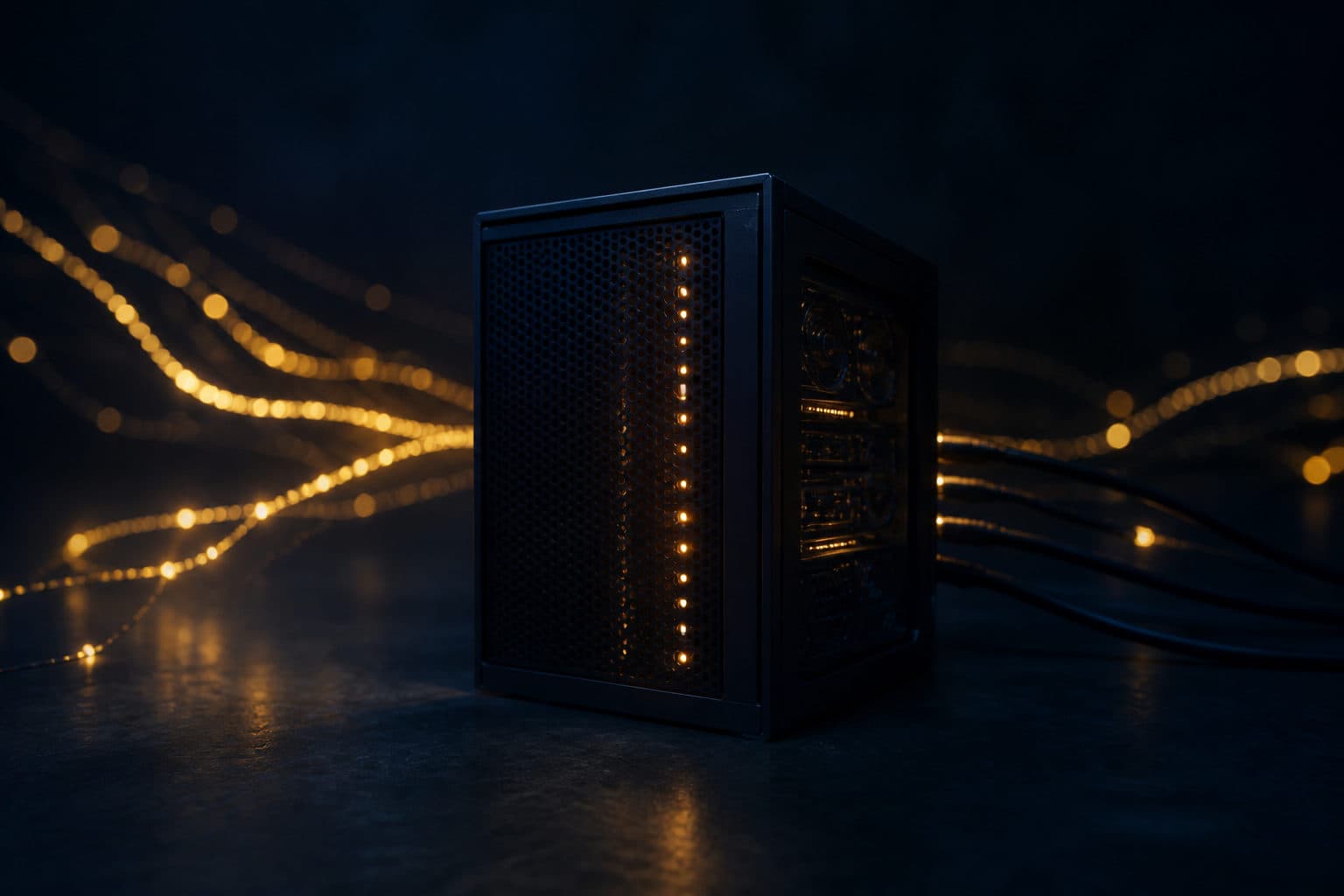
A bitcoin node runs the network’s rules, checks transactions and blocks, and helps keep the shared ledger accurate without a central server.

What Is a Bitcoin Node? A Simple Guide

What Is Bitcoin Native SegWit?
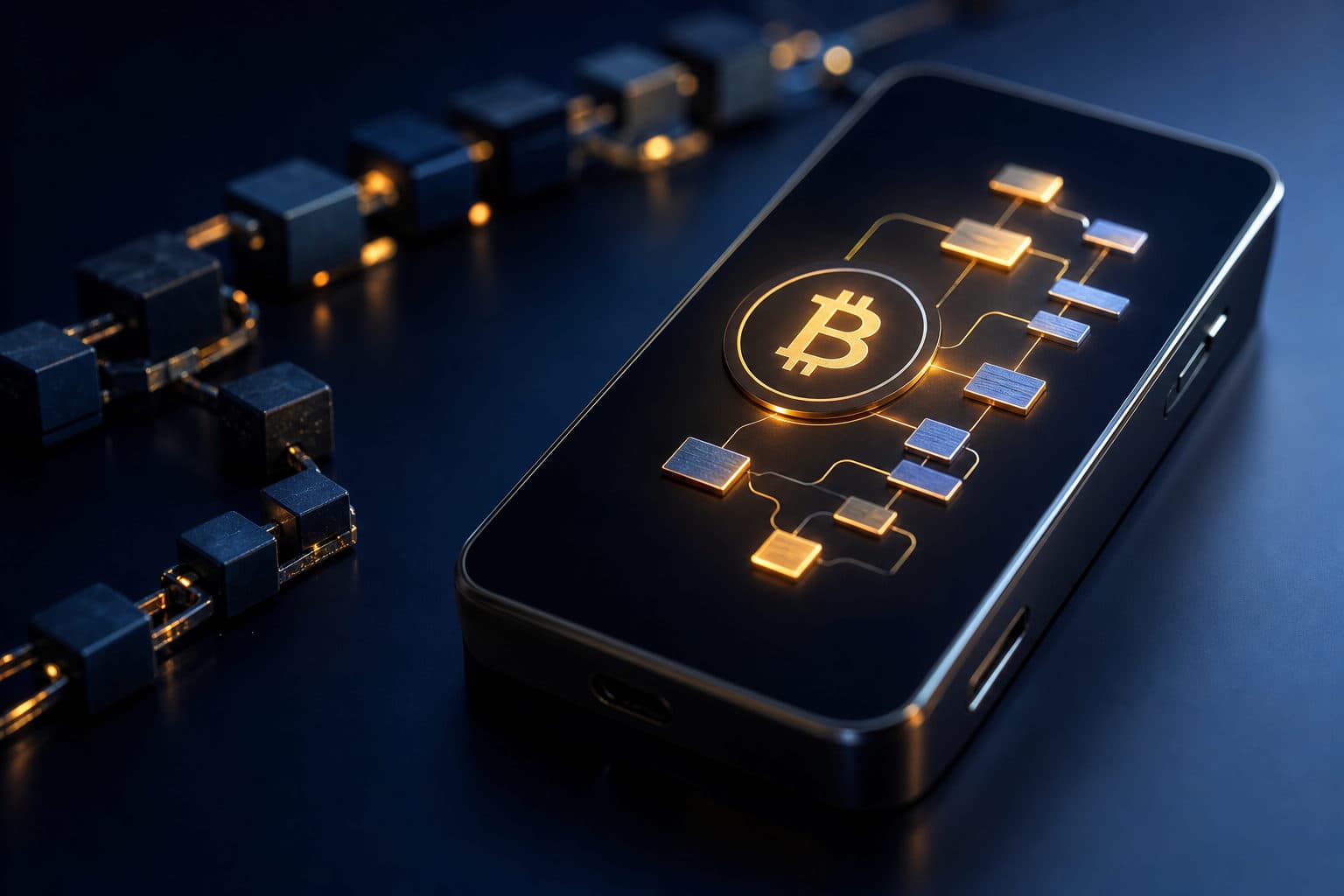
Bitcoin Native SegWit usually means a bc1 address format that improves fee efficiency and modern wallet compatibility for everyday BTC transfers.

What Is Bitcoin Native SegWit?

What Is the Most Secure Bitcoin Wallet?
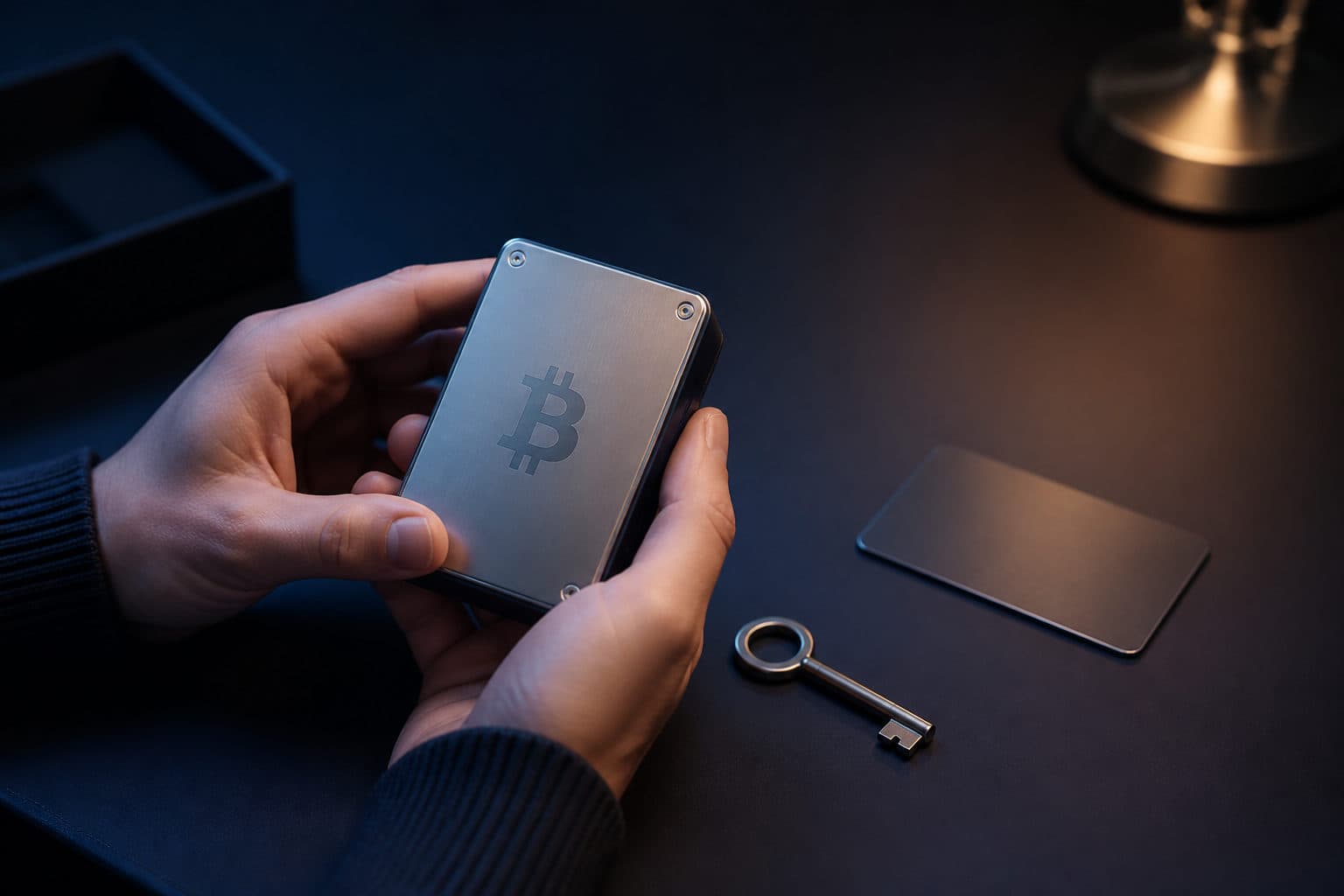
The most secure Bitcoin wallet depends on private key control, offline backups, and careful transaction checks before you send BTC.

What Is the Most Secure Bitcoin Wallet?
Total 70 items

Go topage
