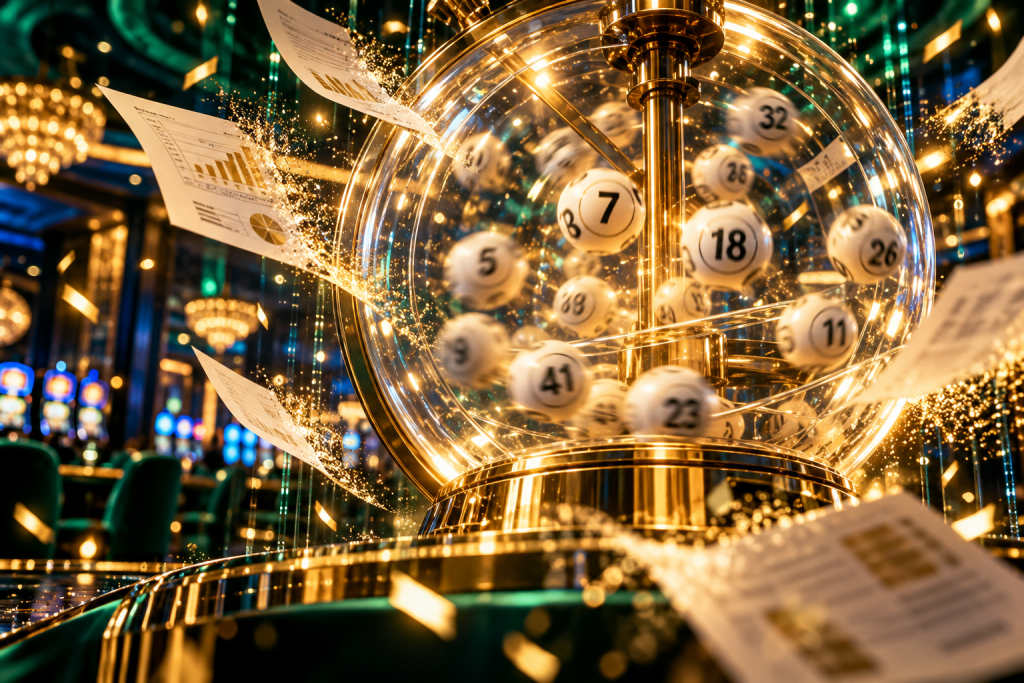
kenoHow Keno Draws Are Checked for FairnessKeno results come from a random number generator or a physical ball machine, and the question of whether a draw is rigged is answered by how the game is tested and audited, not by the outcome of any single round.150
kenoHow Keno Draws Are Run and CheckedKeno draws are built on random number generation and are not rigged in the sense of per-player targeting. This article explains how the draw works, what is verified, and where you can check the results for the game you play.110
kenoKeno Lotto Odds: Why No System Changes the DrawKeno lotto outcomes are drawn randomly, so no number pattern or betting system can guarantee a win. This article explains how keno odds work, what the house edge means, and what changes your expected loss.150
kenoWhy Keno's Legal Status Varies by StateKeno's legal standing depends on how a state classifies the game, not on a single national rule. Learn which documents and agencies decide the answer for Nebraska and elsewhere.220
kenoKeno Losses and Your Tax Return: The Real RulesGambling losses, including keno, are handled differently from most other expenses. This explains the document trail you need and why the answer depends on your whole tax picture.160
kenoChecking a Keno App Without GuessingHow to evaluate any keno app for yourself: what legitimacy means for a gambling product, which documents and licences carry the real answer, and why app-store presence alone proves nothing.90
kenoHow Keno Draws Work and How to Read a TicketKeno is a lottery-style numbers game where you pick spots and hope they match the draw. This explains how the draw works, what the pay table controls, and where the specific rules for a state game are published.90
kenoKeno and Kansas Law: How to Check the RulesKeno's legal status depends on where it is offered and who runs the game. This article explains how to verify the rules that apply to a specific venue or online product in Kansas.140