Official Sponsorship Exodus: Kraken Stands Alone
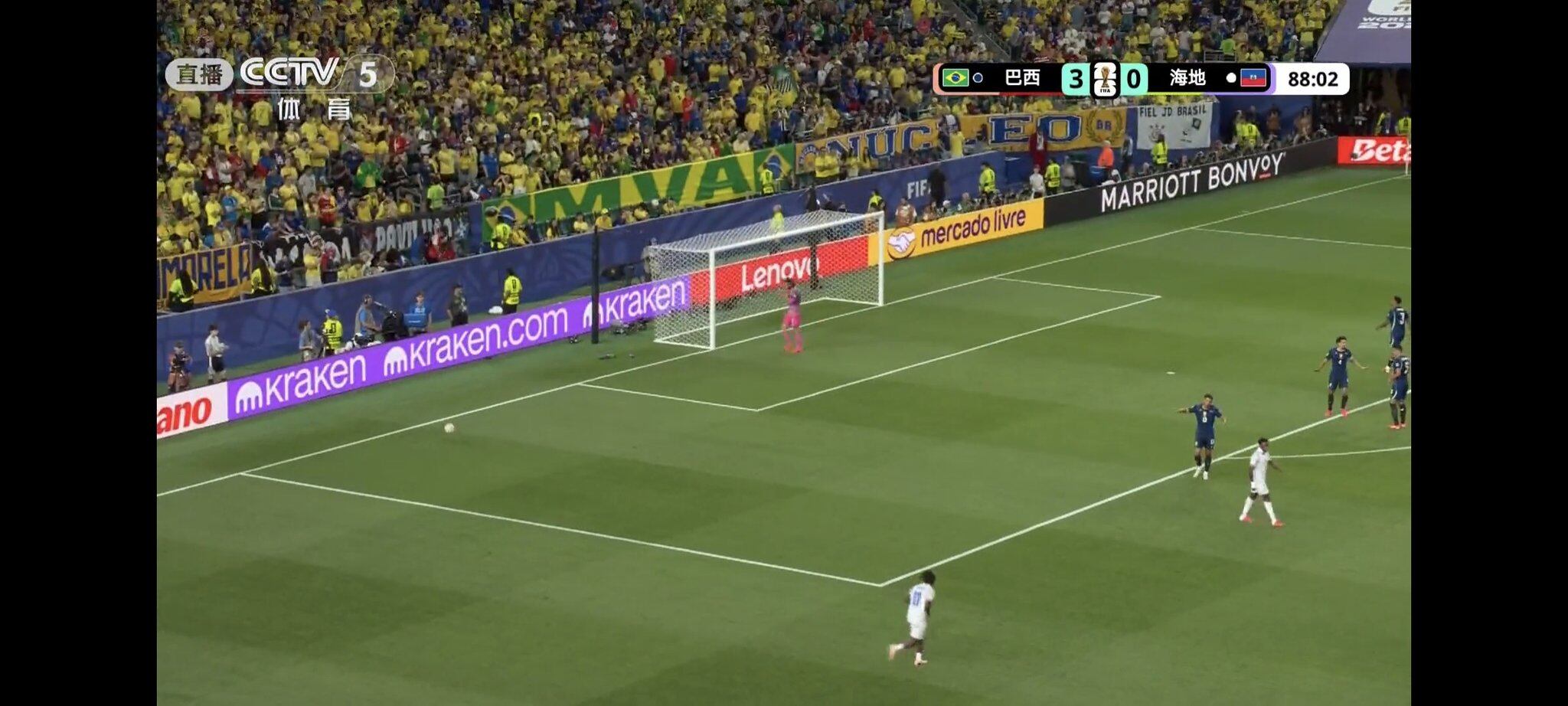
FIFA's 2026 World Cup is expected to generate a record $2.5–3 billion from marketing and sponsorship, up from $1.8 billion in 2022. However, crypto companies have largely disappeared from the official sponsorship tiers. FIFA's sponsorship structure includes three levels: long-term partners (Lenovo, Coca-Cola, Visa), 2026-exclusive global sponsors (Hisense, McDonald's, Mengniu), and regional/event suppliers. In the crypto space, only Kraken has secured a spot as the 'Official Crypto Exchange Partner for North America and Europe,' a third-tier regional supplier granting on-pitch advertising and fan engagement rights in 16 host cities. In stark contrast, during the 2022 World Cup, Crypto.com was a second-tier sponsor and Algorand served as the official blockchain platform. The absence of other crypto giants highlights a strategic retreat from expensive official deals.
Pivot to Top IPs: OKX with Manchester City & Haaland, Binance with Ronaldo
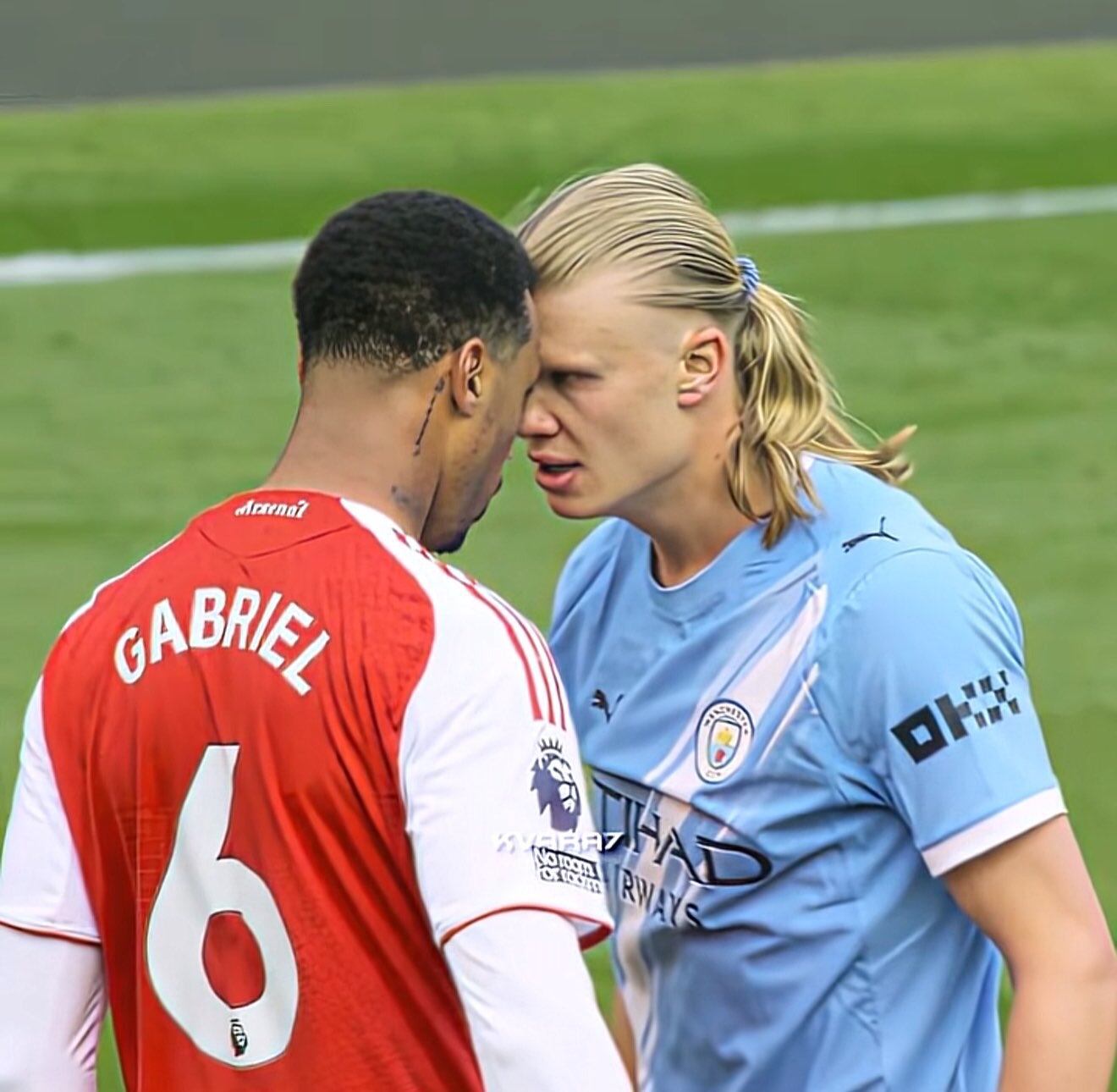
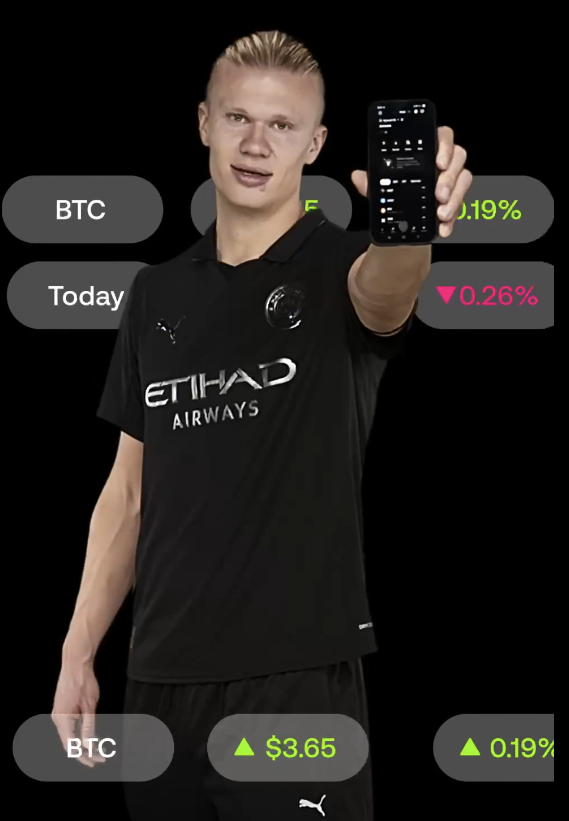
Instead of buying official FIFA sponsorship, crypto firms are directly partnering with clubs and athletes that command massive fan bases. OKX has sponsored Manchester City since March 2022, now occupying the sleeve ad on both men's and women's first-team jerseys, with total payments exceeding $70 million over three years. City's star Erling Haaland appears regularly in OKX's global campaigns for its Web3 wallet and trading products. Binance took a different route by signing an exclusive long-term deal with Cristiano Ronaldo in mid-2022, securing his image rights and launching a CR7 NFT collection. Although the NFT series triggered a $1 billion class-action lawsuit from US investors in late 2023 (still pending), the partnership continues with Ronaldo featuring in Binance ads. Notably, Binance has become cautious: it terminated its five-year contract with the Argentine Football Association (AFA) in July 2023, worth an estimated $8 million annually, citing product delivery disputes.
Bitget & Messi, and a Flood of Crypto Sponsors for Argentina
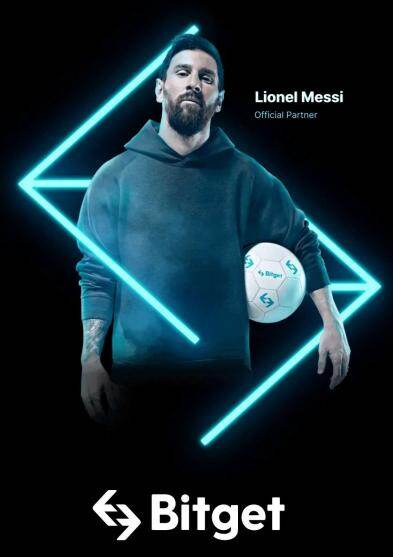
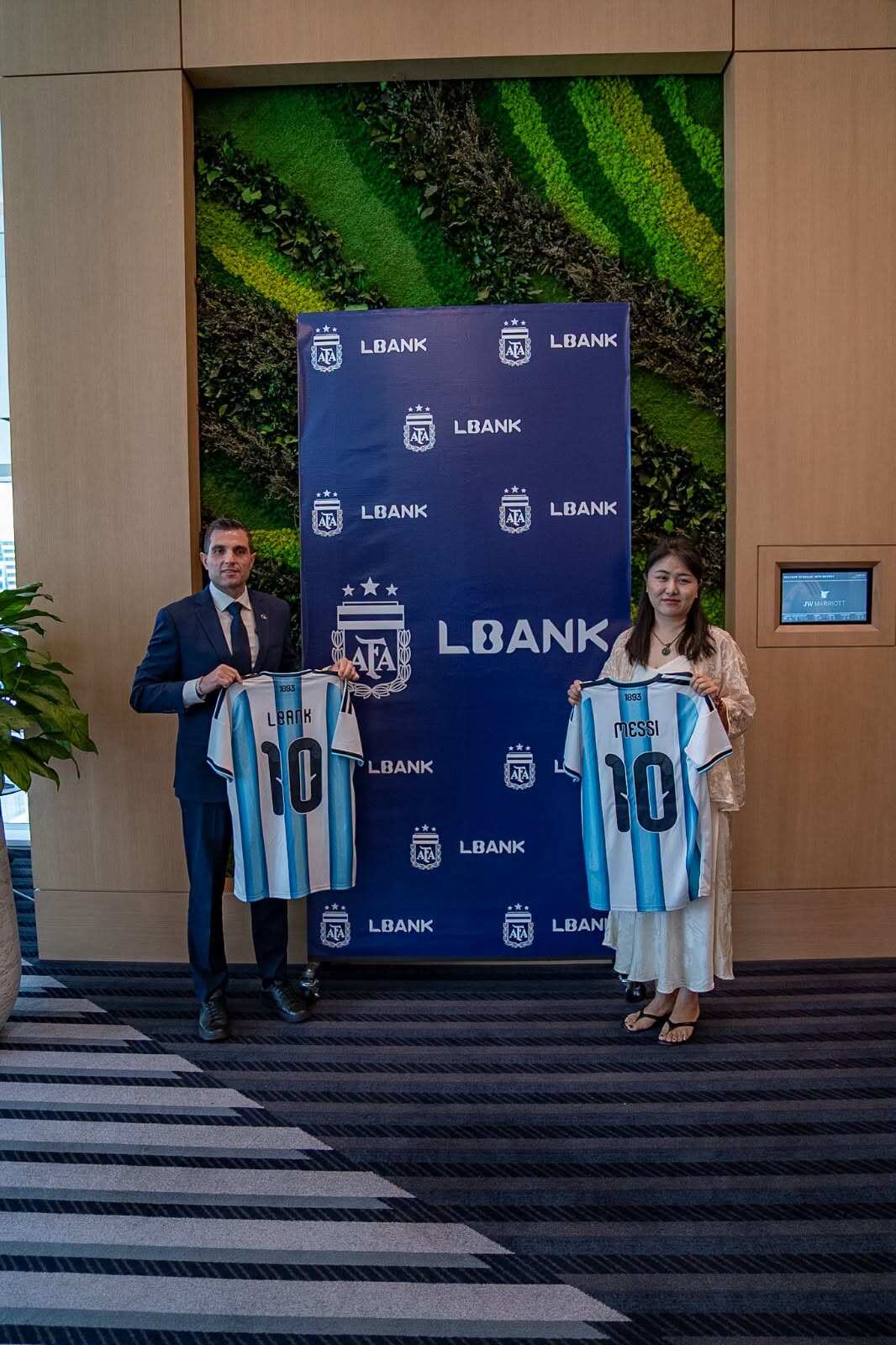
Bitget followed a similar playbook by naming Lionel Messi its global brand ambassador in 2022, leveraging his iconic No. 10 jersey and Bitget's copy trading product. Messi's World Cup victory made this a landmark deal, though the downside is that Bitget's logo cannot appear on the pitch. Meanwhile, the Argentine Football Association has become a magnet for second-tier crypto platforms: Nexo, BTCC, XBO.com, Deepcoin, and ATFX have all signed regional or global sponsorship deals covering South America and Asia (Vietnam, Taiwan). These platforms hope to attract deposits by associating with Argentina's World Cup campaign, even as Binance withdrew.

Kalshi's Creative Workaround: $20 Million for World Cup Exposure
Prediction market platform Kalshi is not an official FIFA sponsor, yet its logo appears on stadium perimeter boards. The trick: ADI Predictstreet became FIFA's official prediction market partner in April 2026, and Kalshi struck a strategic brand and product partnership with ADI Predictstreet on June 26. For $20 million, Kalshi gained shared advertising space during the knockout stage, appearing alongside ADI Predictstreet on TV and digital platforms. Compared to FIFA's reported $150 million sponsorship offer to Kalshi, the firm achieved similar visibility at less than one-seventh the cost—a textbook example of creative cost efficiency.
Cooling Market: ROI Takes Center Stage, New Deals Dwindle
Compared to the 2022 World Cup cycle, new crypto sponsorship deals for 2026 have notably decreased. The macro environment plays a role: after Bitcoin's all-time high in November 2021, the 'mass adoption' narrative drove capital into sports marketing, but by 2026 market sentiment has soured. More importantly, top crypto firms have grown disillusioned with mega-sponsorships. In April 2026, Bybit CEO Ben explained why the company did not renew its Red Bull F1 sponsorship: commercial value of such deals declines yearly while activation costs rise, sometimes exceeding the sponsorship fee itself; furthermore, the invitee list becomes entrenched, creating awkward obligations. The same logic applies to World Cup sponsorships. Crypto companies now prioritize ROI: instead of spending over $100 million on an official title, they prefer to back a potential champion team, a superstar, or even 'piggyback' on an existing partner's ad space, as Kalshi did. The era of flaunting 'money power' has given way to a more scattered, low-key, and effective approach to sports marketing.