
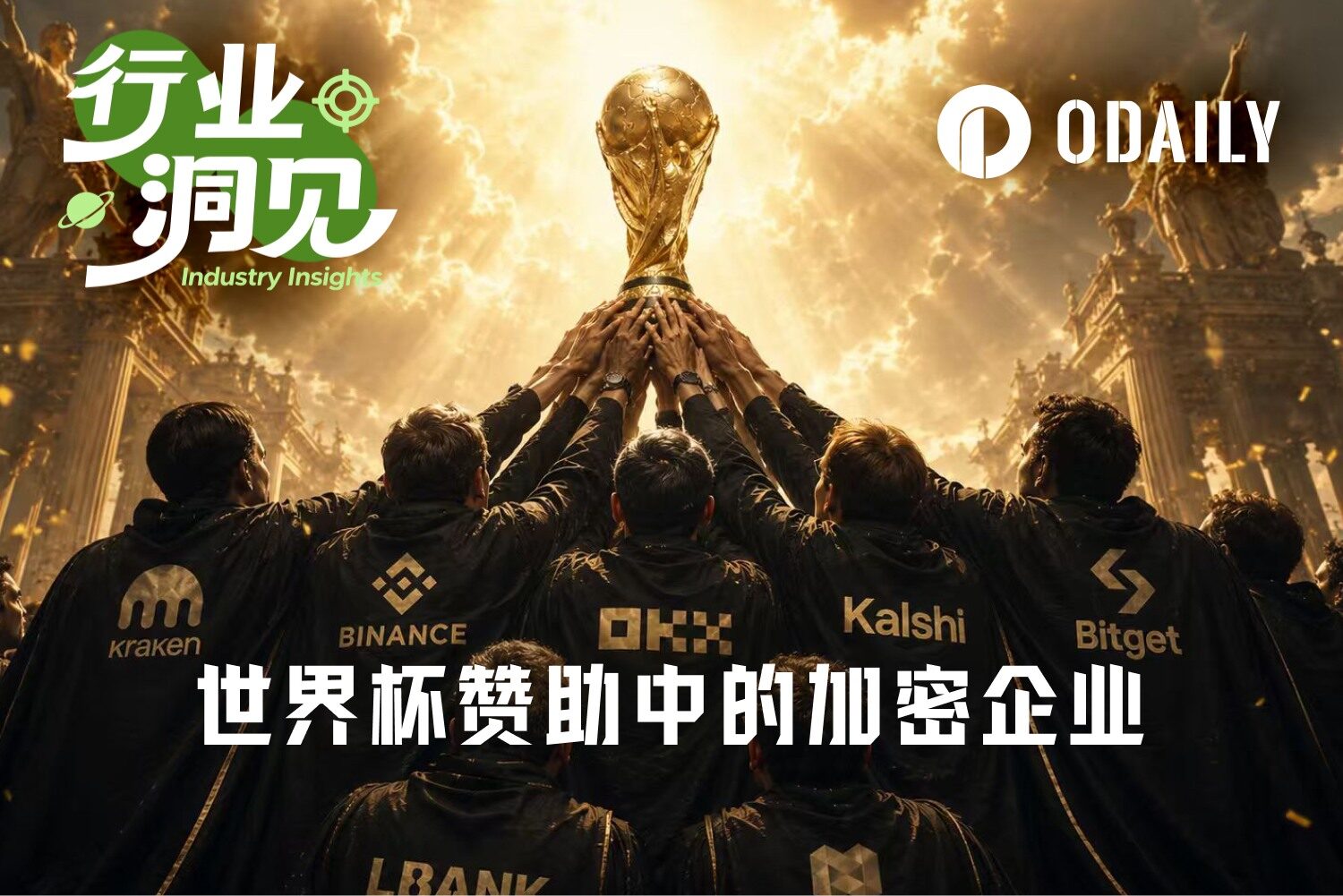
World Cup Sponsorship Landscape: Crypto Firms Shift from Mega Deals to ROI-Driven Tactics
The 2026 FIFA World Cup is set to generate record sponsorship revenue of $2.5–3 billion, up from $1.8 billion in 2022. Yet crypto companies have largely retreated from FIFA’s official sponsorship tiers. This year, only Kraken signed on as the official crypto exchange sponsor for North America and Europe (third-tier regional supplier), gaining pitch-side advertising and fan activation rights across 16 host cities. Compare to 2022 when Crypto.com was a second-tier global sponsor and Algorand served as the official blockchain platform, while numerous crypto firms poured money into club and player sponsorships.

The core reason: FIFA’s high fees no longer justify the ROI for crypto firms. Second-tier sponsorship deals cost between $65 million and $95 million. Equivalent budgets can now secure top-tier club partnerships or direct star endorsements, offering more efficient audience reach.
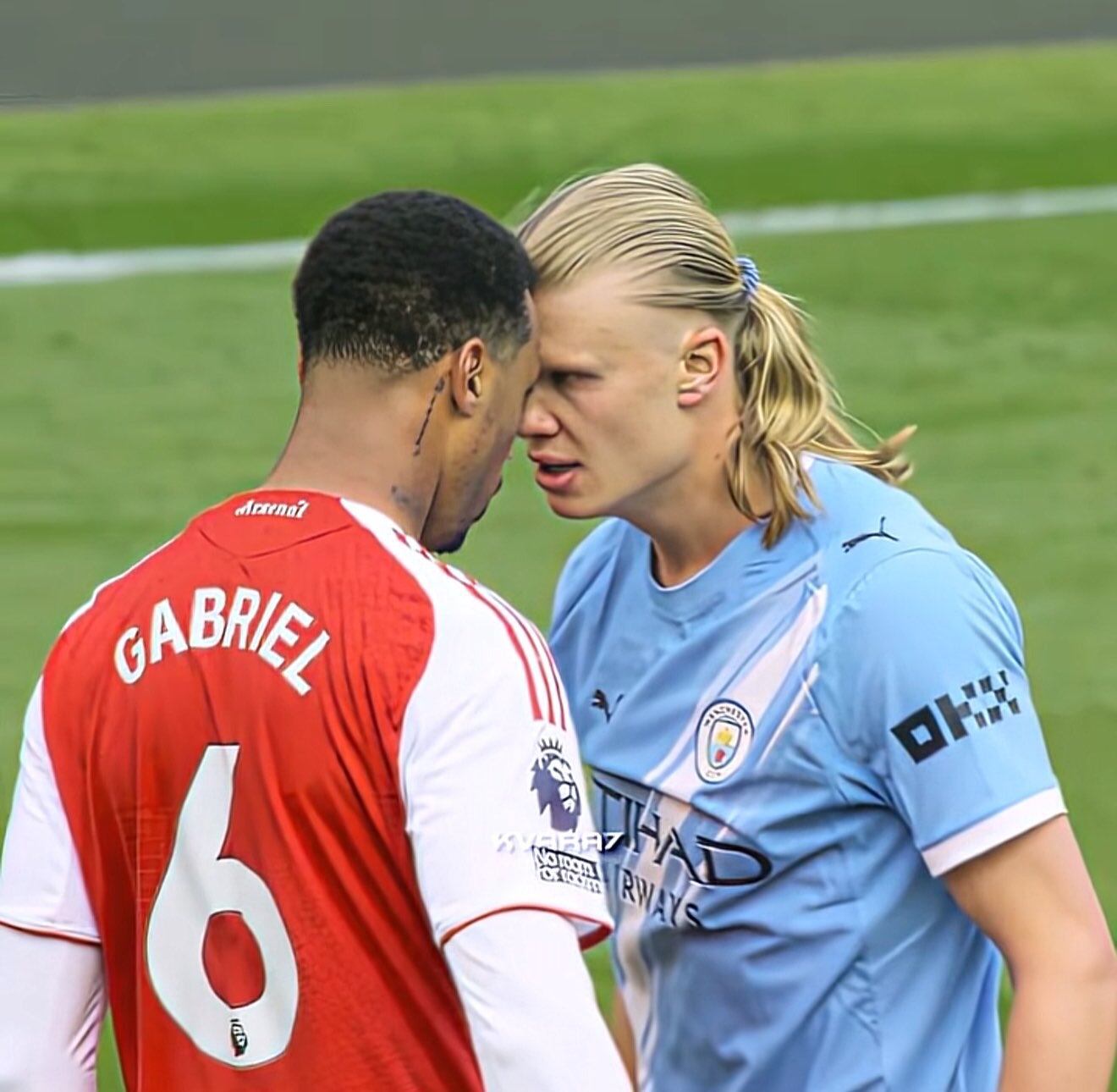
OKX, Binance, Bitget: New Strategies via Superstar and Club Deals
OKX Deepens Ties with Manchester City and Haaland: OKX has been partnering with Manchester City since March 2022. It now occupies the shirt sleeve position for both men's and women's first teams, with a three-year deal valued at over $70 million. More importantly, star striker Erling Haaland features prominently in OKX's global marketing for its Web3 wallet and trading products, leveraging his massive social media influence.
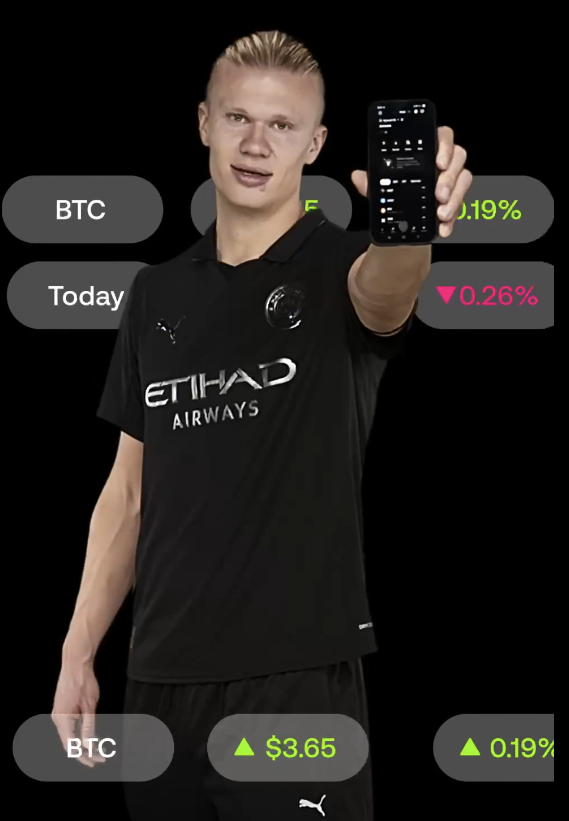
Binance Goes Direct with Ronaldo: Binance secured a long-term exclusive partnership with Cristiano Ronaldo in mid-2022, including image rights and brand ambassadorship, along with CR7 NFT collections. Despite a $1 billion class-action lawsuit filed by U.S. investors in late 2023 alleging misleading NFT promotions, the collaboration continues. However, Binance has significantly reduced new football sponsorship activity. In July 2023, it terminated a 5-year contract with the Argentine Football Association (reportedly worth $8 million per year) due to product delivery disputes, which likely dampened its appetite for expansion.

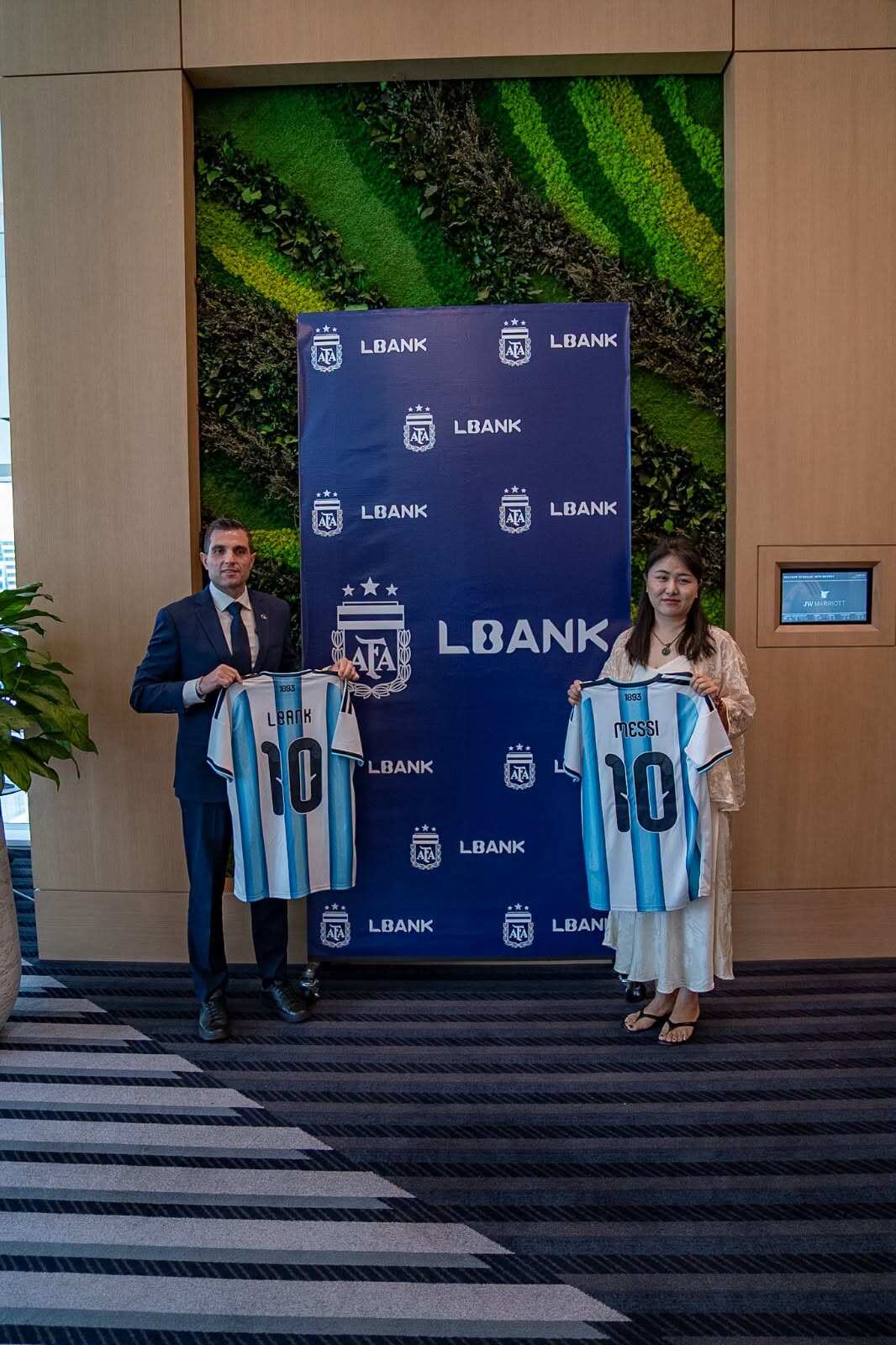
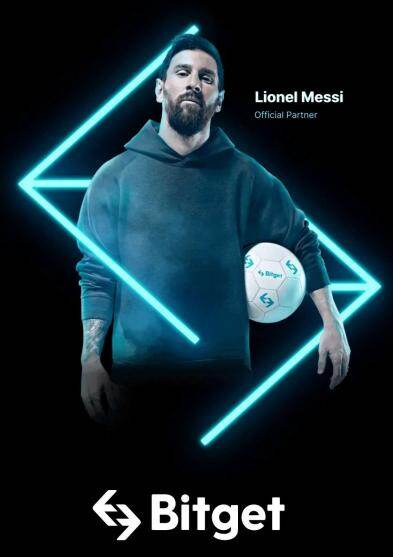
Bitget Signs Messi: Bitget appointed Lionel Messi as its global brand ambassador in 2022, tying his iconic No. 10 jersey to Bitget's copy trading products. Messi's World Cup victory turned this into a classic marketing case. However, personal endorsement means Bitget's logo doesn't appear on the pitch or in game footage.
Argentine Football Association Becomes Crypto Sponsor Hub: Despite the Binance breakup, the AFA now holds the most crypto sponsors among national teams: Nexo (April 2026, South America/Latin America digital asset partner), BTCC (April 2026, regional partner), XBO.com (2025, one-year global sponsor focusing on 2025 events and 2026 preparation), Deepcoin (March 2026, regional sponsor covering Vietnam and Taiwan), and ATFX (January 2026, regional partner). These second-tier exchanges target the AFA's global following at relatively low cost to attract user deposits.
Kalshi’s ‘Curveball’ Bypasses FIFA Official Sponsorship
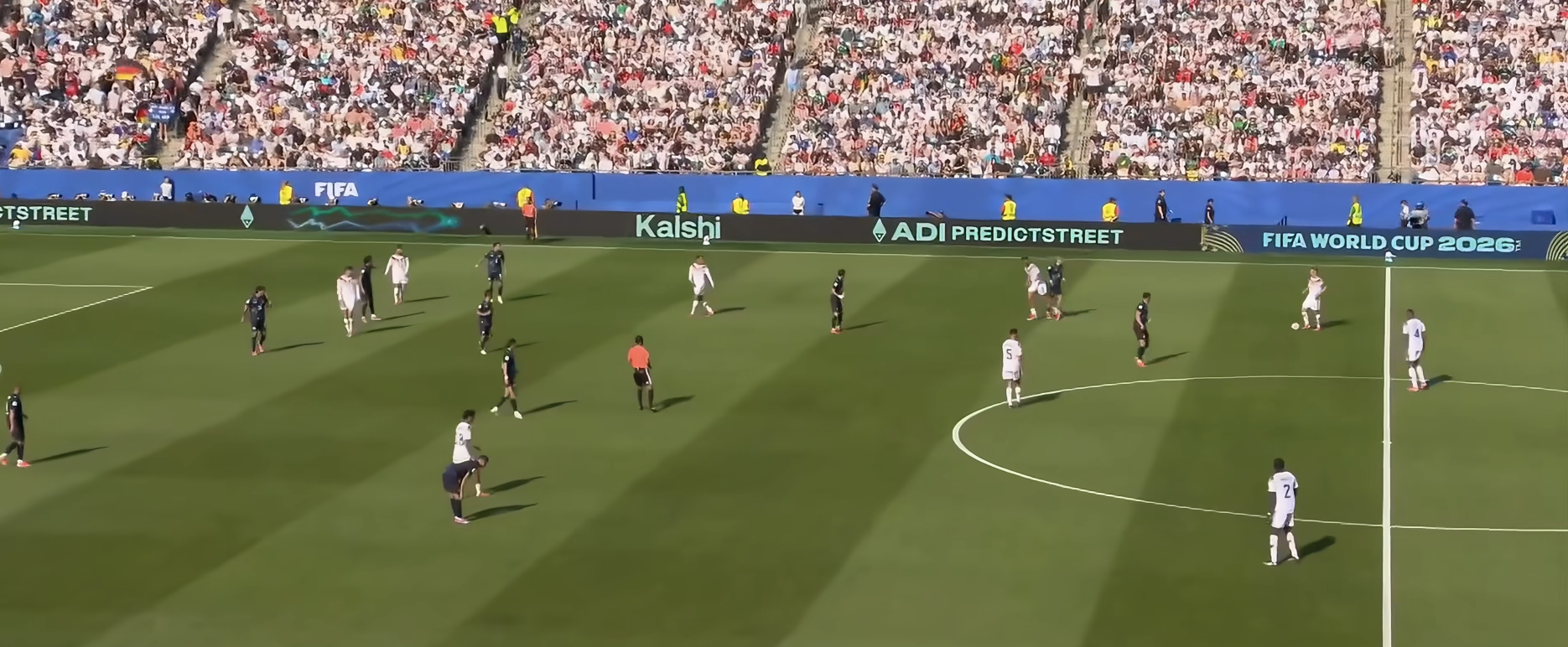
Prediction market Kalshi turned down FIFA's reported $150 million official sponsorship offer. Instead, it struck a strategic branding and product partnership with ADI Predictstreet, FIFA's exclusive official prediction market partner. Kalshi paid approximately $20 million to share pitch-side ad space during the knockout stages, appearing on stadium, TV, and digital platforms alongside ADI Predictstreet. This clever workaround achieved massive exposure at a fraction of the official cost, making it the most ingenious crypto marketing move of the tournament.
Why Crypto Firms Are Abandoning Official Sponsorships
While crypto sponsorship of major events hasn't disappeared, new signings have slowed sharply compared to 2022. The bull market and 'mass adoption' narrative of 2021-2022 drove a flood of crypto cash into sports sponsorships. By 2026, market conditions and industry confidence have cooled, forcing firms to become more ROI-conscious. Moreover, activation costs for top-tier events keep rising. In April 2026, Bybit CEO Ben explained why his company didn't renew its Red Bull F1 sponsorship: commercial value declined year-on-year while activation costs (including staffing) skyrocketed. Furthermore, the guest list became entrenched with 'guanxi' expectations, creating a lose-lose situation.
The same logic applies to the World Cup. Crypto firms increasingly choose to bet on champion teams, star players, or even sneak onto pitchside boards like Kalshi, rather than spend hundreds of millions on a 'FIFA partner' label. The World Cup remains the world's most premium traffic pool, but crypto sponsorship strategies have evolved from showy 'money-printing' to dispersed, low-key, and high-ROI partnerships.