
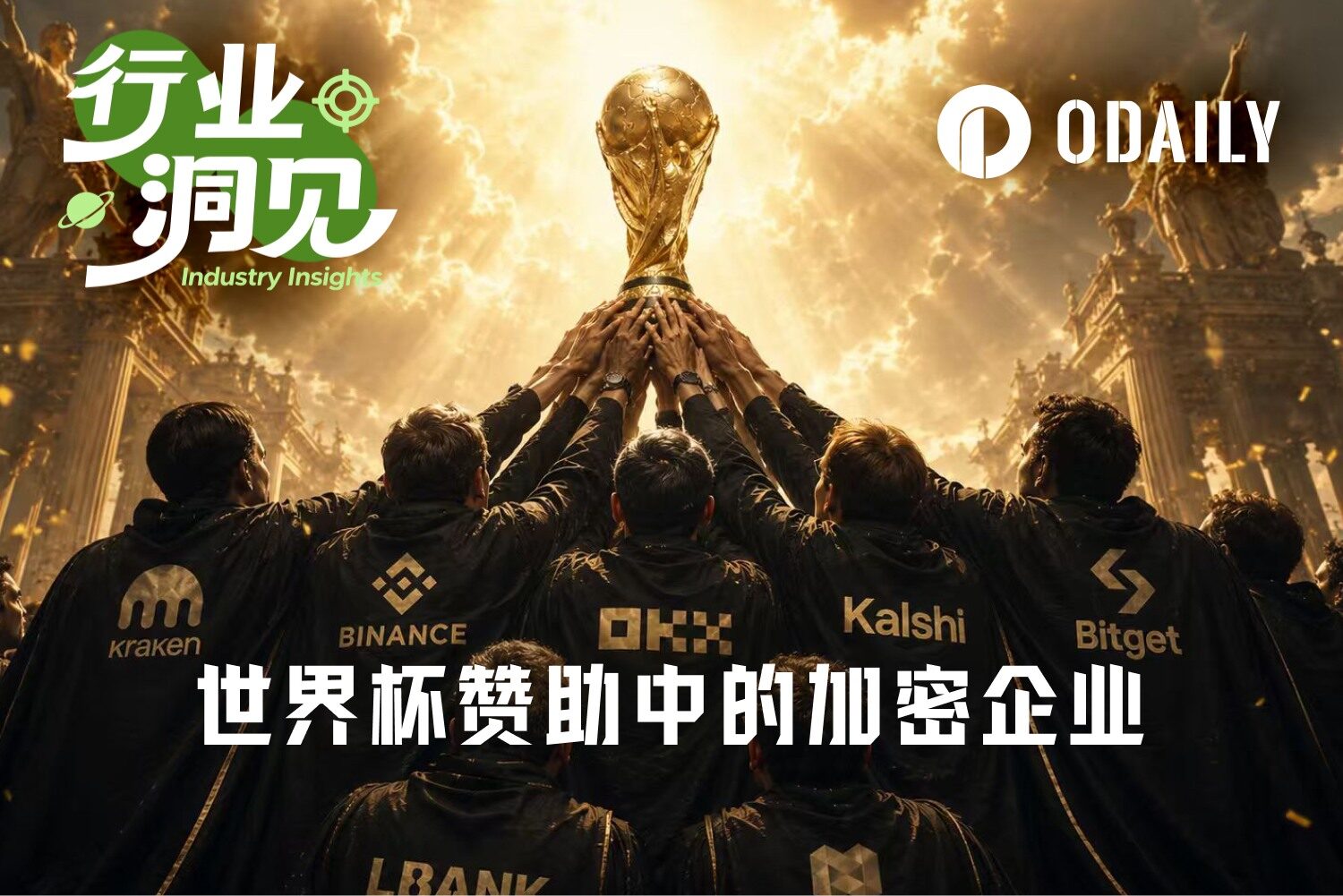
World Cup Sponsorship: $2.5-3 Billion Revenue Pool, Yet Crypto Goes Quiet
Capturing the global audience's attention simultaneously is a rare advertising opportunity for international businesses. The 2026 FIFA World Cup is estimated to generate $2.5-3 billion in revenue for FIFA, with sponsorship contracts alone contributing significantly, up from $1.8 billion in 2022. Despite this massive exposure potential, crypto firms have largely disappeared from FIFA's official sponsorship system. FIFA's sponsorship is divided into three tiers: Tier 1 multinational partners (Lenovo, Coca-Cola, Visa, etc.); Tier 2 global sponsors for the 2026 World Cup only (Hisense, McDonald's, Mengniu, etc.); and Tier 3 regional and event suppliers (Airbnb, American Airlines, etc.). In the crypto space, only Kraken secured a Tier 3 spot as the official crypto exchange sponsor for North America and Europe, gaining pitch-side LED advertising and fan engagement events in 16 host cities.
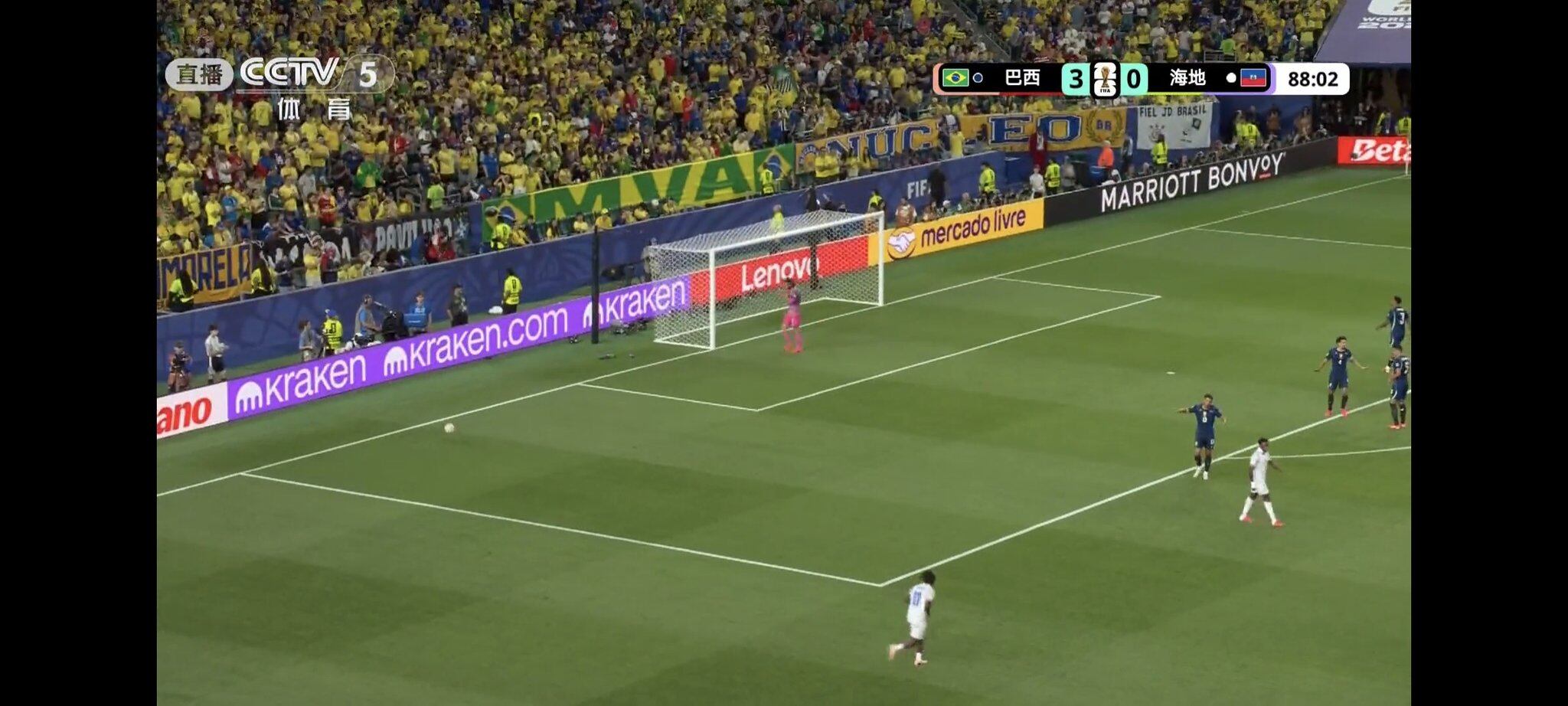
Kraken: The Sole Official Crypto Sponsor, Spending Less Than 2022 Peers
Kraken's Tier 3 investment is modest compared to 2022, when Crypto.com paid an estimated $65-95 million for Tier 2 status and Algorand became the official blockchain platform. However, crypto companies have not abandoned the World Cup; instead they have redirected budgets toward national teams and star players—“traffic nodes” with built-in fan bases—seeking better value.
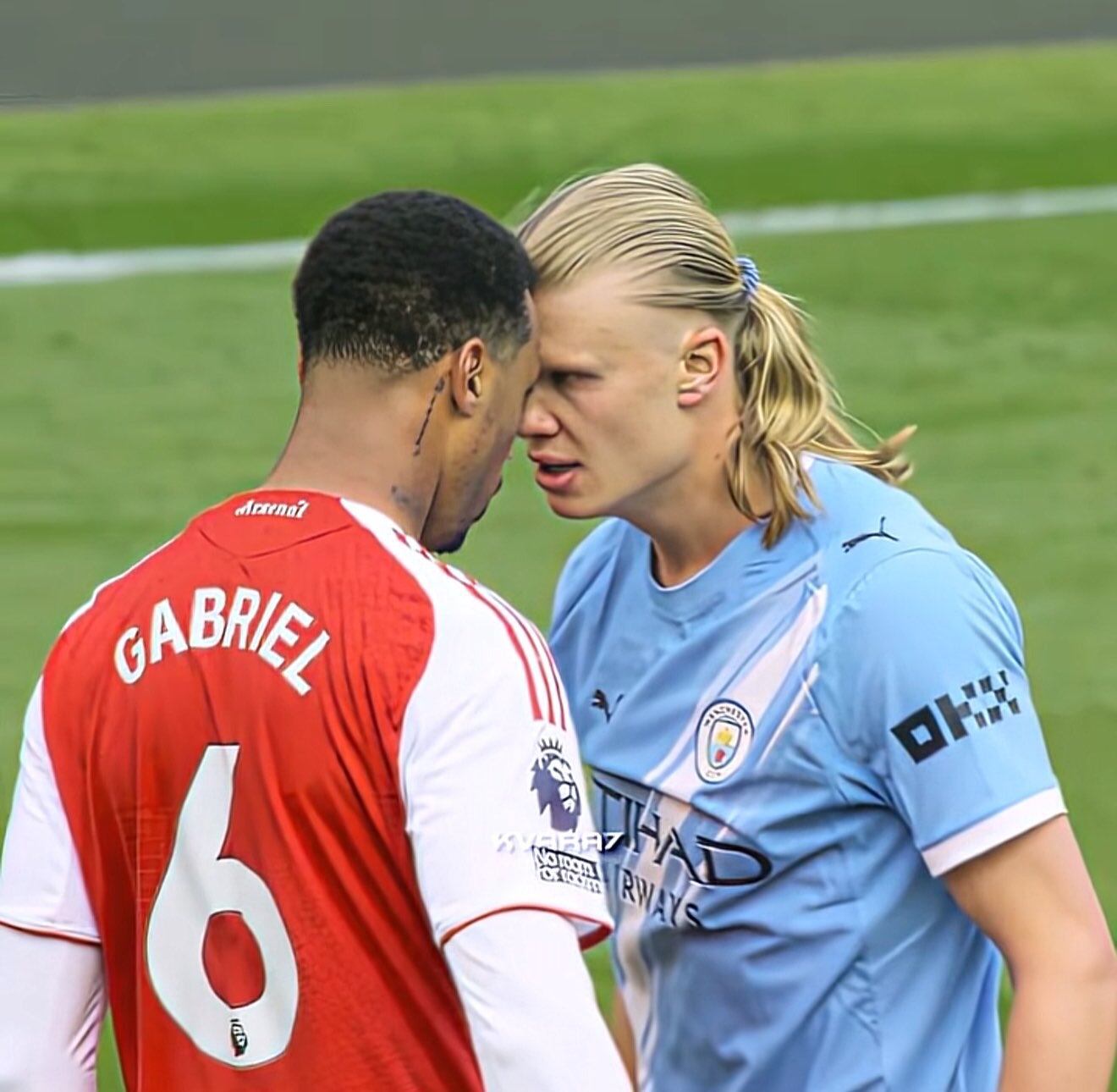
OKX: Betting Big on Manchester City and Haaland
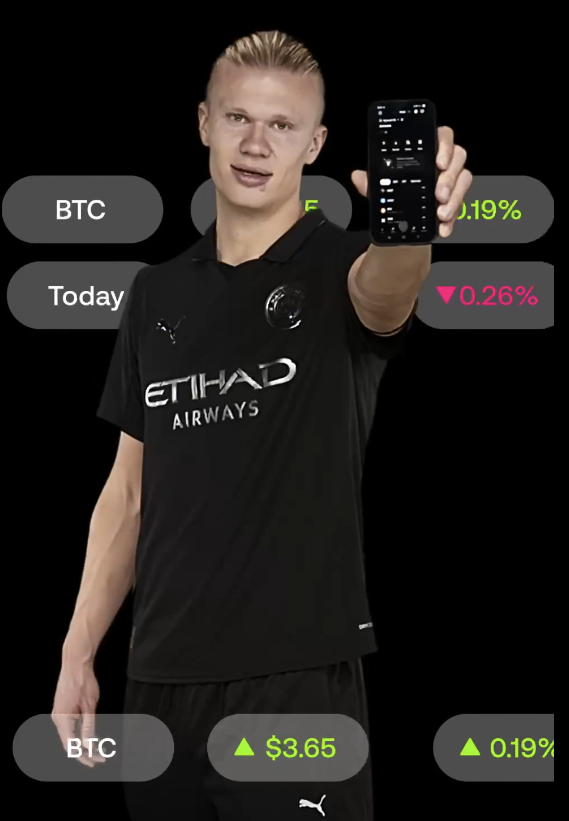
OKX exemplifies this strategy. Since March 2022, OKX has been a core sponsor of Premier League giant Manchester City, occupying sleeve advertising on both men's and women's first-team jerseys. Reports indicate the three-year deal is worth over $70 million. OKX also locked in City star Erling Haaland, featuring him in global ads for OKX Web3 wallet and trading products. Haaland's on-pitch visibility with OKX branding during the World Cup has generated immense exposure.
Binance: Direct Link to Ronaldo, but Legal Shadows Loom
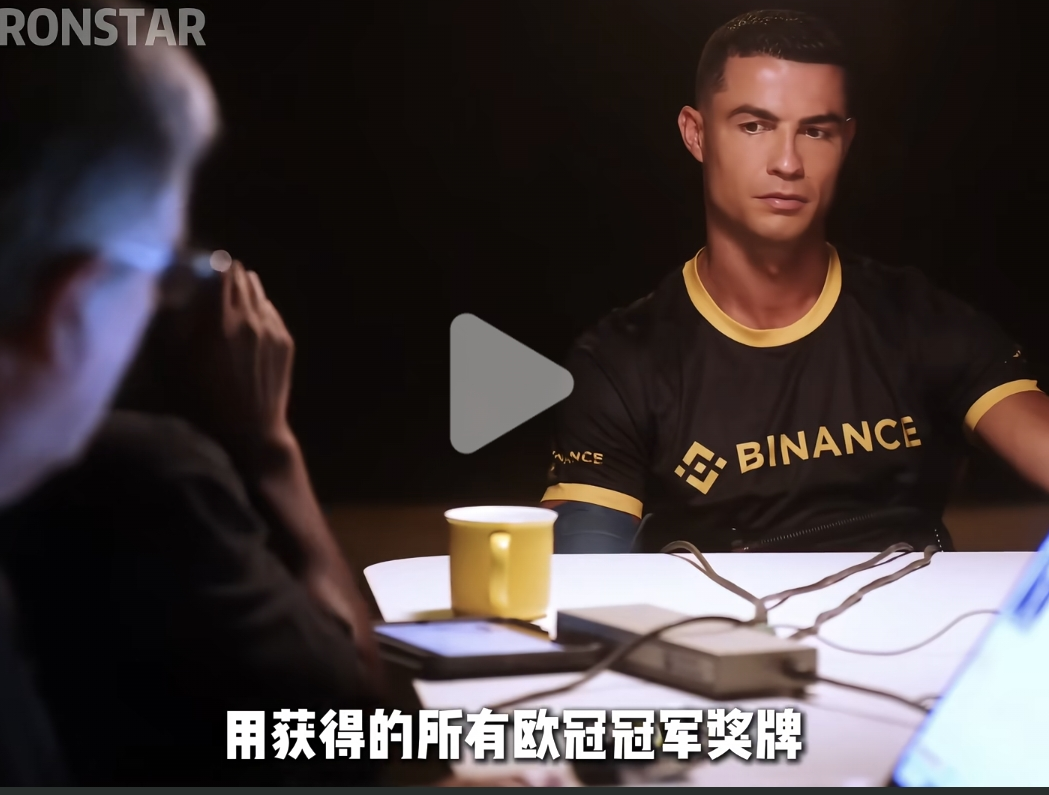
Unlike OKX's indirect access via club, Binance signed a long-term exclusive partnership directly with Cristiano Ronaldo. In November 2022, Binance launched the CR7 NFT collection, but the move later sparked a $1 billion class-action lawsuit filed by U.S. investors in late 2023, accusing Ronaldo of misleading promotion. The case remains unresolved, but the collaboration continues—Ronaldo still appears in Binance's global ads. On the national team front, Binance inked a five-year deal with the Argentine Football Association (AFA) in 2022 but terminated it in July 2023 due to product delivery disputes, with an annual value of around $8 million. This experience likely deterred Binance from further football sponsorship expansion.
Argentina FA: The Most Crypto-Sponsored National Team
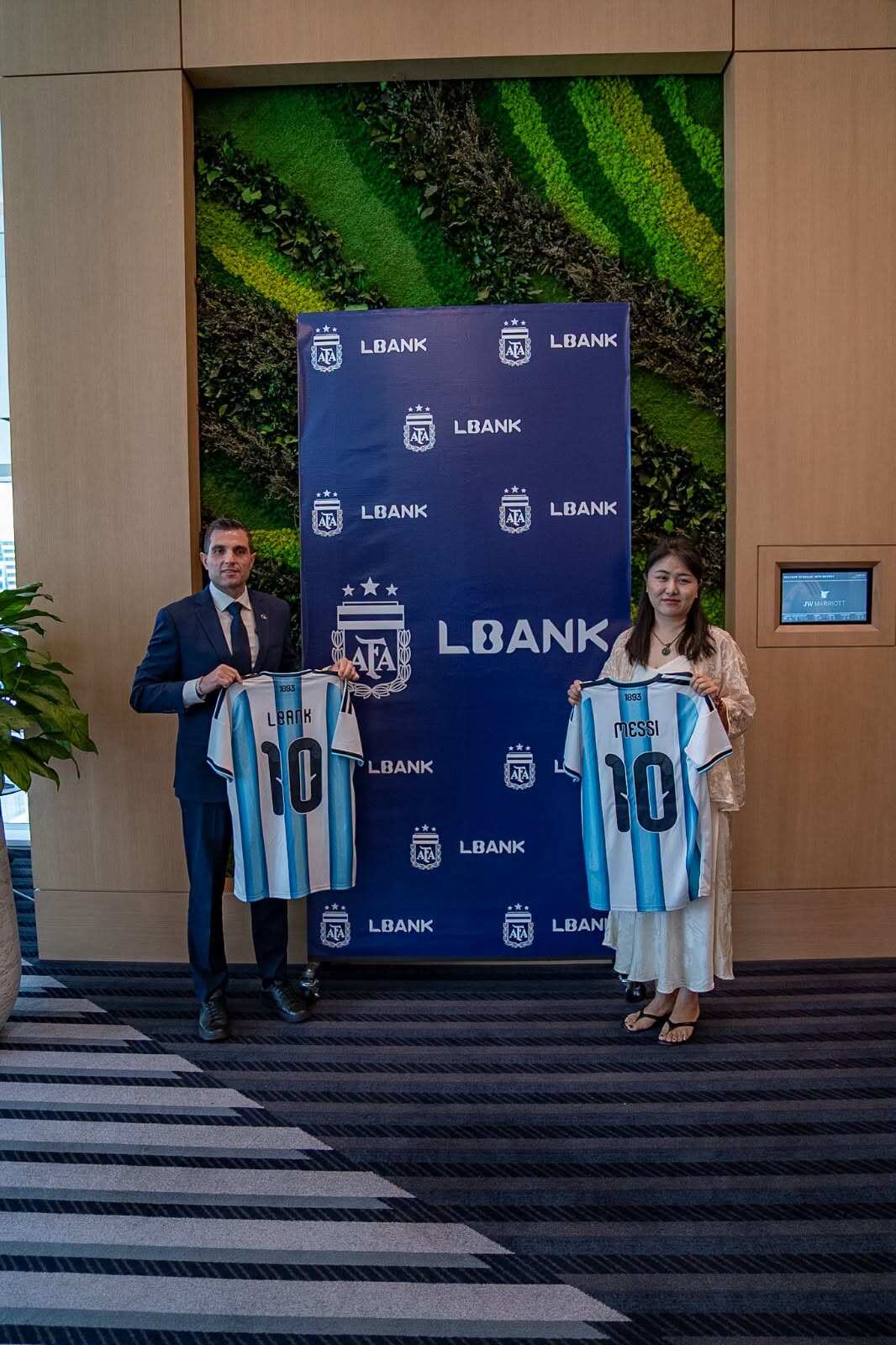
After Binance's exit, other crypto platforms quickly filled the gap. Nexo (signed April 14, 2026), BTCC (April 2, 2026), XBO.com (one-year deal in 2025), Deepcoin (March 2026), and ATFX (January 2026) all secured multi-year or one-year partnerships with the AFA, covering various regions. LBank also ran joint campaigns. The Argentine FA has become the most crypto-sponsored football association, effectively monetizing its global appeal to attract user deposits for second-tier exchanges and lending platforms.
Bitget: Tying to Messi, a Classic Marketing Play
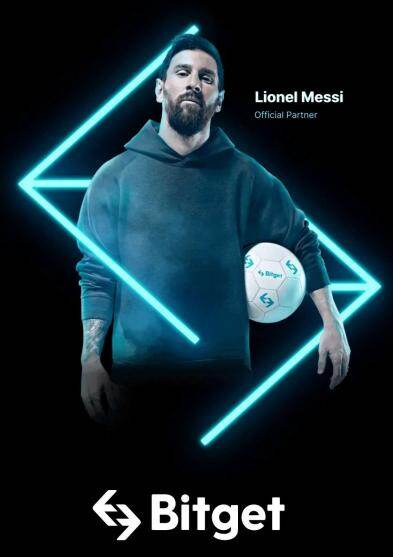
Bitget named Lionel Messi its global brand ambassador in 2022, leveraging his iconic No. 10 jersey and Bitget's copy trading product for worldwide campaigns. Messi's World Cup victory with Argentina in 2022 turned this into a landmark case for Bitget's brand history. The contract remains active, though the limitation is that Bitget's logo cannot appear on the pitch during matches—it only appears in Messi's personal endorsements.
Kalshi: Piggybacking for $20 Million Instead of $150 Million
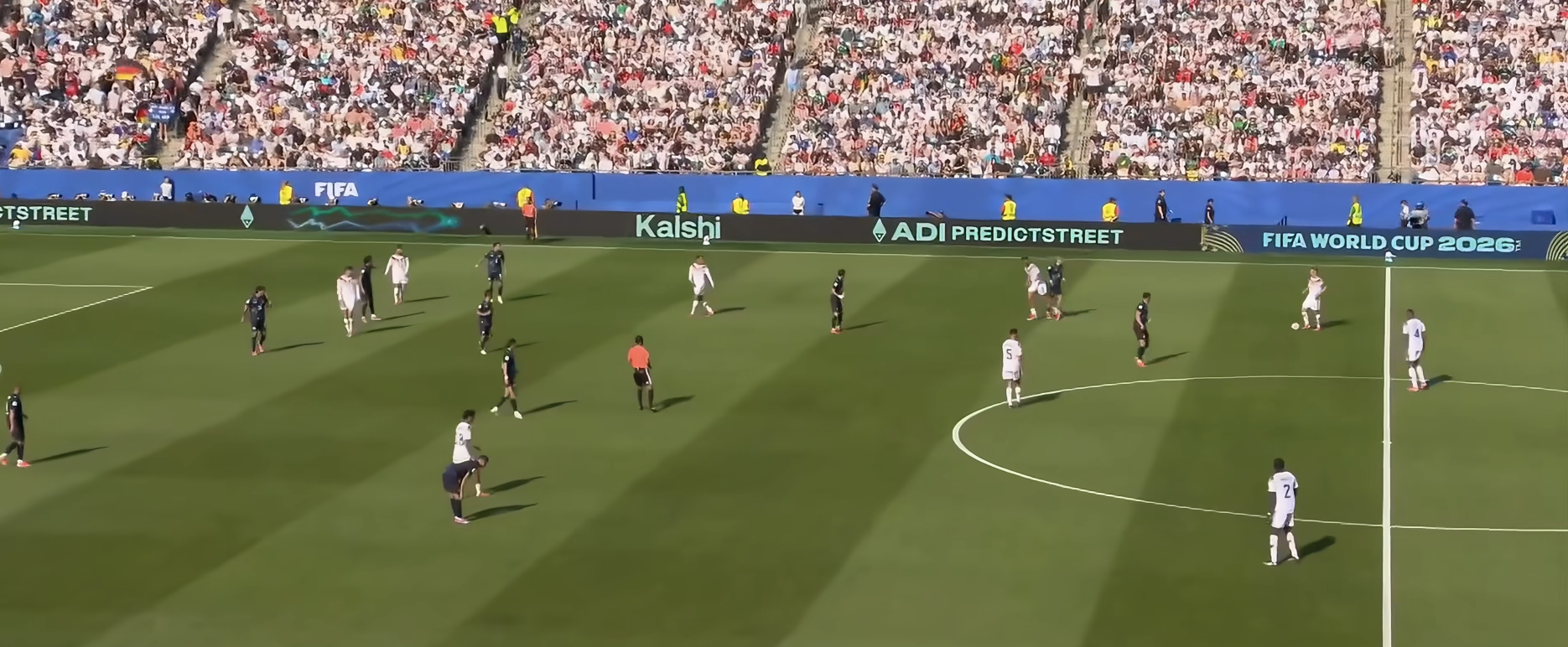
Prediction market platform Kalshi did not secure FIFA official sponsorship, but it found a loophole. After ADI Predictstreet became the sole official World Cup prediction market partner on April 2, 2026, Kalshi struck a strategic brand and product partnership with ADI Predictstreet on June 26, 2026. The agreement allowed joint brand promotion during the knockout stages, with shared advertising boards in stadiums, TV, and online platforms. Kalshi reportedly rejected FIFA's $150 million sponsorship quote and instead paid ADI Predictstreet around $20 million for the shared exposure, achieving far better ROI.
The Shift: From 'Money Power' to ROI First
The logic behind crypto World Cup sponsorship is undergoing a fundamental change. Compared to the bull-market splurge of 2022, the 2026 crypto landscape shows weakened market confidence and lower industry fervor, pushing firms to prioritize return on investment. Bybit CEO Ben explained in April why the company did not renew its Red Bull F1 sponsorship: the commercial value of F1 sponsorship has declined annually, activation costs keep rising, and the invite list became mired in 'guanxi' politics, making it counterproductive. Similar issues apply to World Cup sponsorships. Instead of spending over $100 million on an official badge, crypto firms now prefer to back a championship team, a superstar, or even sneak a share of an ad board. The World Cup remains the ultimate traffic magnet, but crypto's approach has evolved from flaunting 'money power' to targeted, low-key, and efficient partnerships.