FIFA's Sponsorship System and Crypto's 'Disappearance'
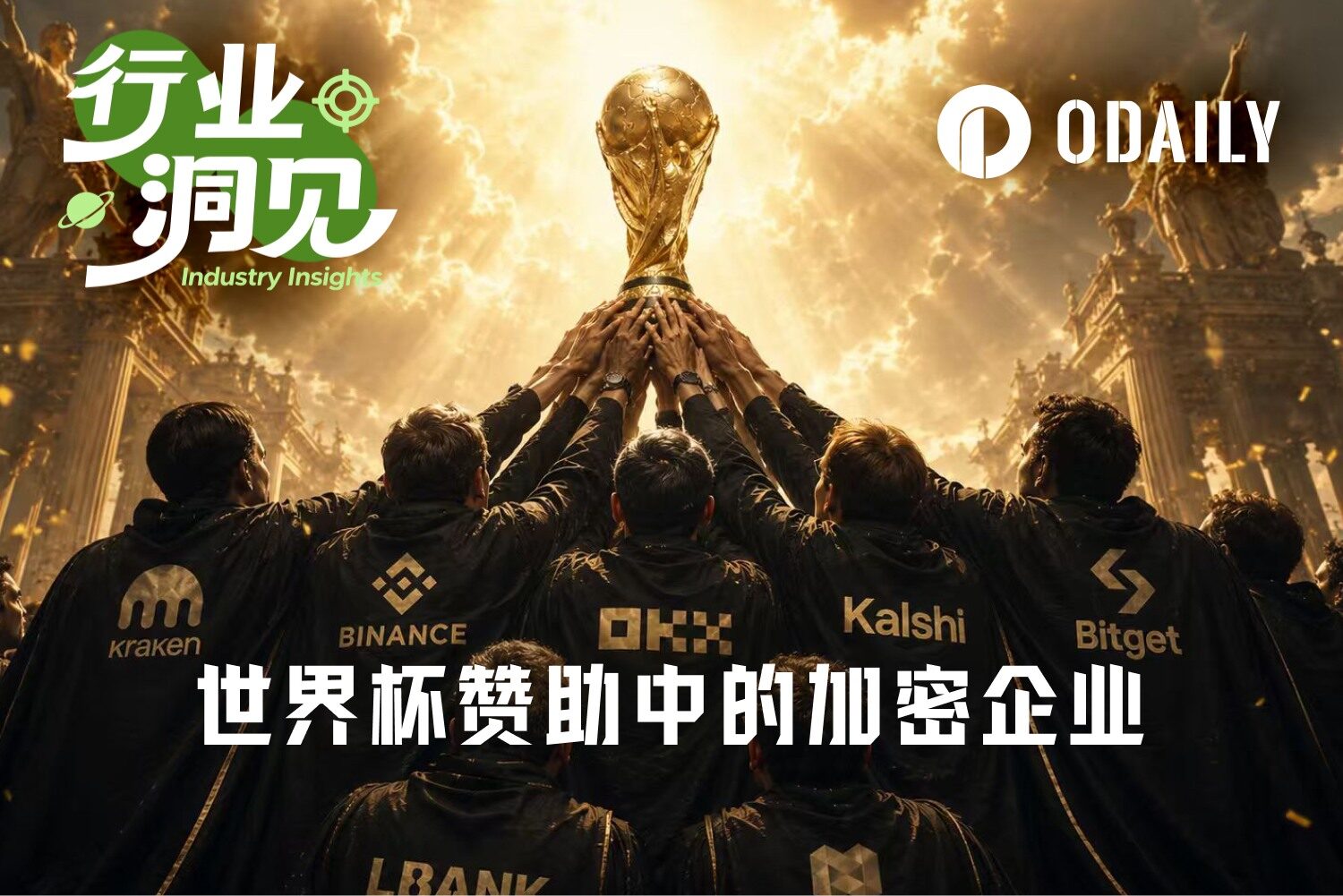
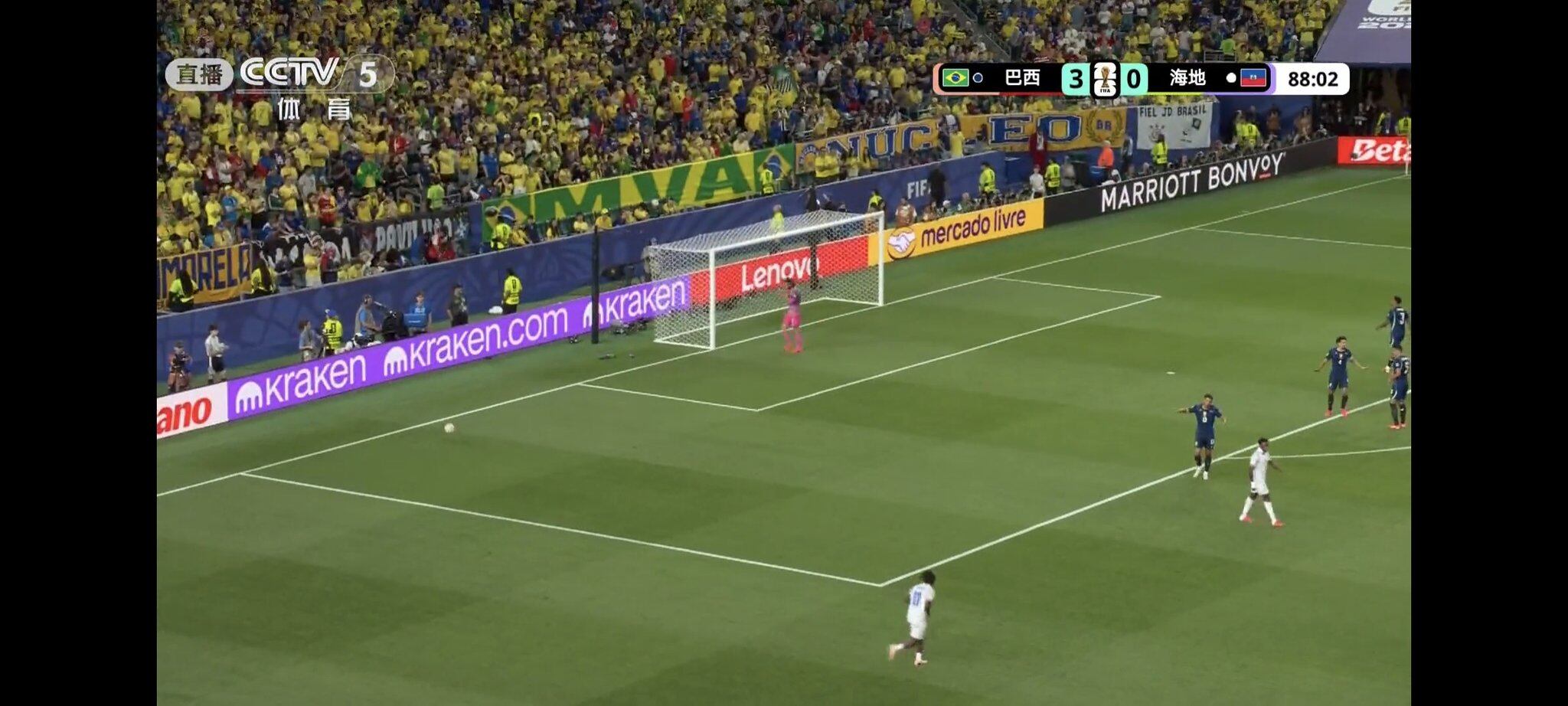
The 2026 World Cup has drawn unprecedented global attention. FIFA expects marketing and sponsorship revenue to reach $2.5-3 billion, far exceeding the $1.8 billion in 2022. Under FIFA's three-tier sponsorship structure (Tier 1 multi-year partners like Lenovo, Coca-Cola, Visa; Tier 2 global sponsors like Hisense, McDonald's, Mengniu; Tier 3 regional suppliers like Airbnb, American Airlines), only one crypto firm made the official list: Kraken, as the official crypto exchange partner for North America and Europe (Tier 3). Kraken gained stadium turf ads and fan engagement activities in 16 host cities. In contrast, the 2022 World Cup saw Crypto.com as a Tier 2 sponsor and Algorand as the official blockchain platform, with crypto firms also heavily sponsoring clubs and star players.
OKX's Deep Ties with Manchester City: Sleeve Ads and Star IP
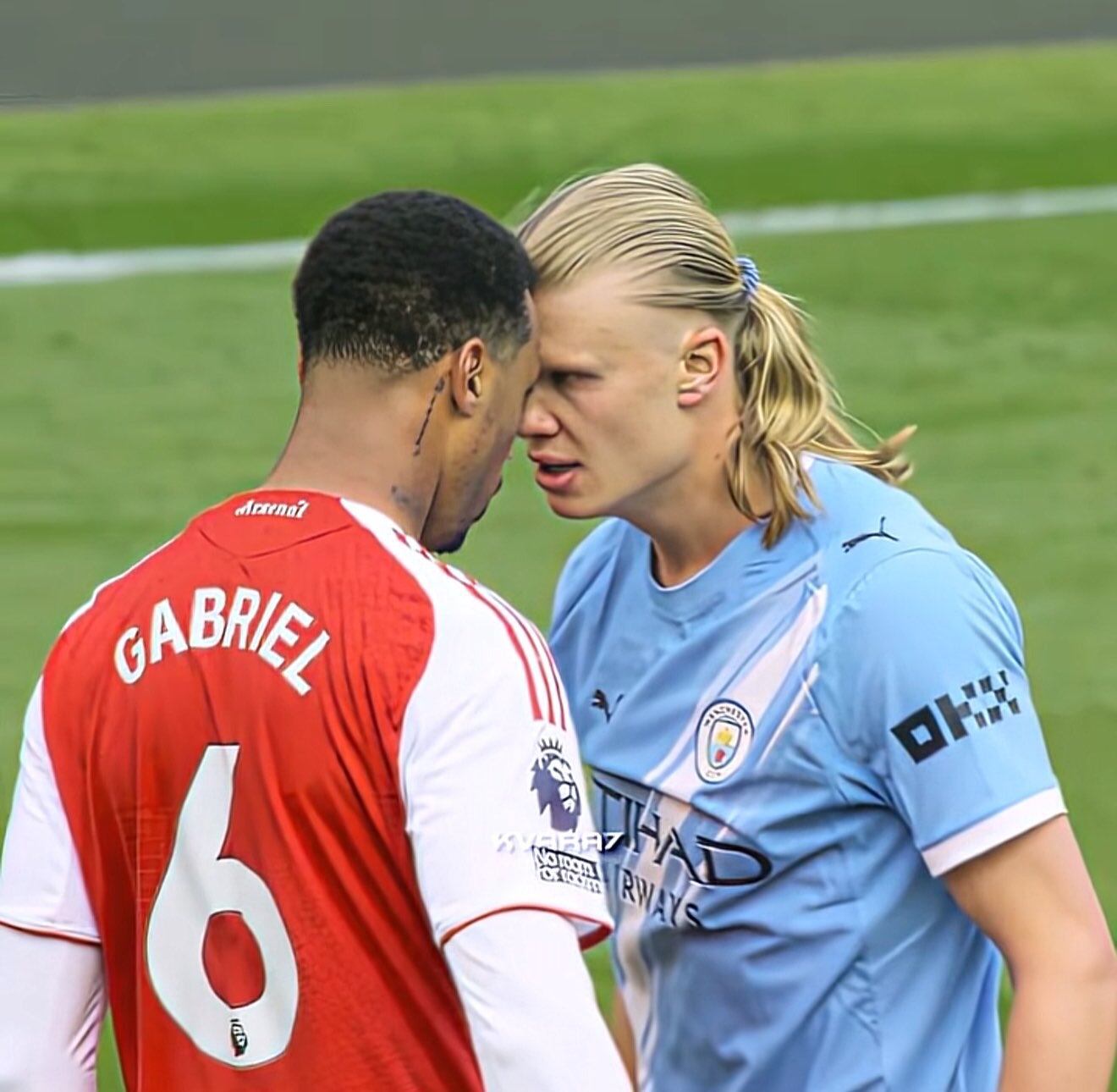
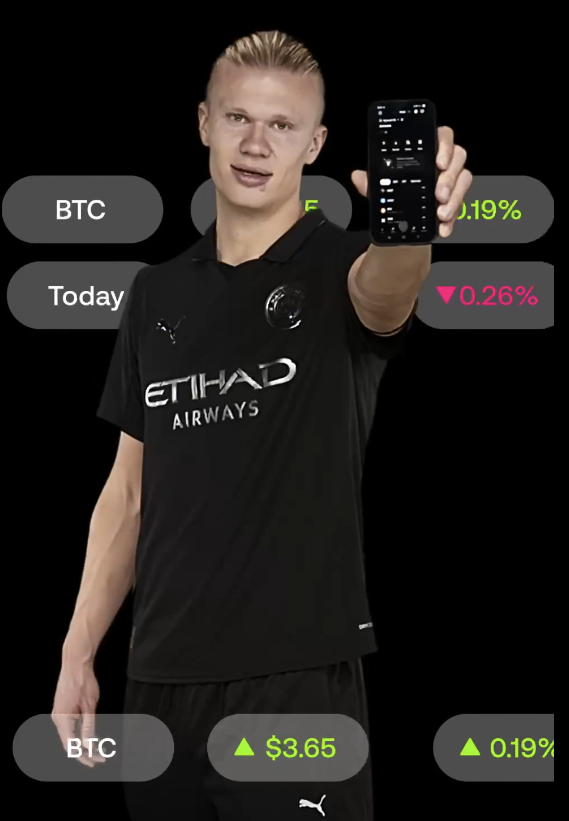
OKX leads the pack in football sponsorships. Since March 2022, it has partnered with Premier League giant Manchester City, now occupying sleeve ad spots on both men's and women's first-team jerseys, paying over $70 million over three years. OKX also integrates City superstar Erling Haaland into global marketing materials, including promotional videos for its Web3 wallet and trading products, leveraging his massive social media reach.
Binance's Ronaldo Deal: Image Rights and NFT Risks
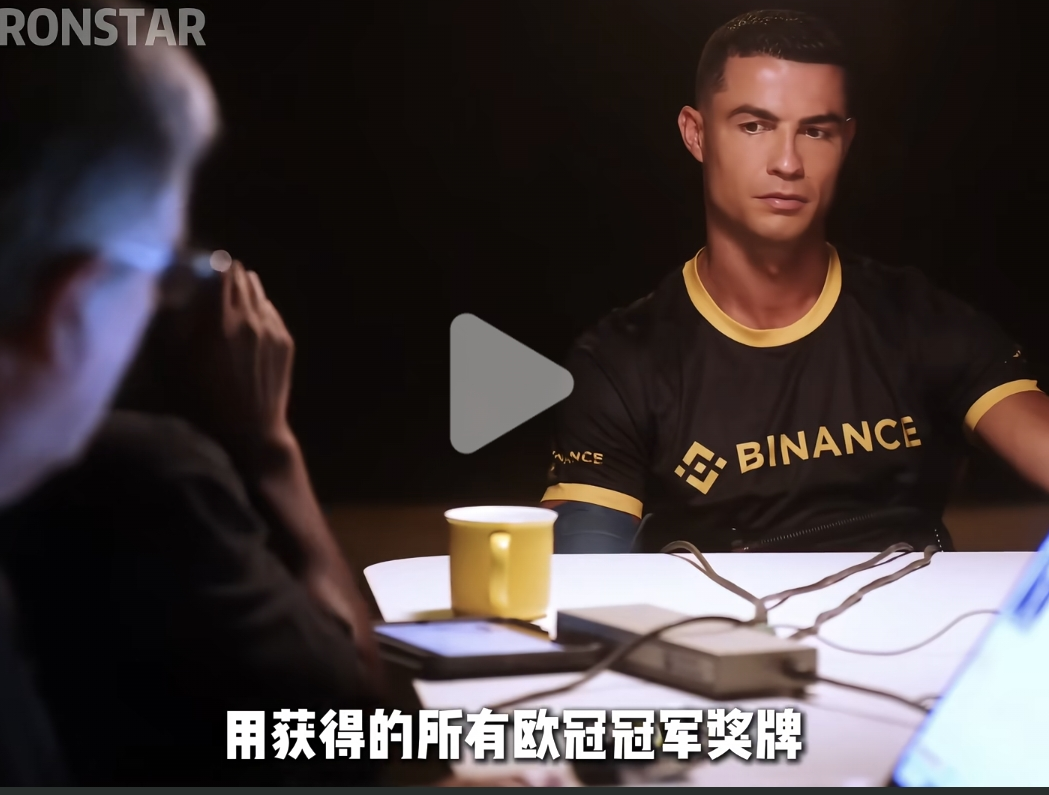
Binance opted to directly secure football icon Cristiano Ronaldo with a long-term exclusive deal in mid-2022, covering image rights, brand ambassadorship, and NFT collaborations. The CR7 NFT collection launched in November 2022 later triggered a class-action lawsuit in late 2023 seeking $1 billion in damages from Ronaldo for allegedly misleading investors. Despite the legal risk, the partnership continues. Binance had also signed a five-year deal with the Argentine Football Association (AFA) reportedly worth $8 million annually but terminated it in July 2023 due to product delivery disputes, and has since refrained from expanding football sponsorships.
Argentina's Crypto Sponsorship Matrix and Bitget's Messi Strategy
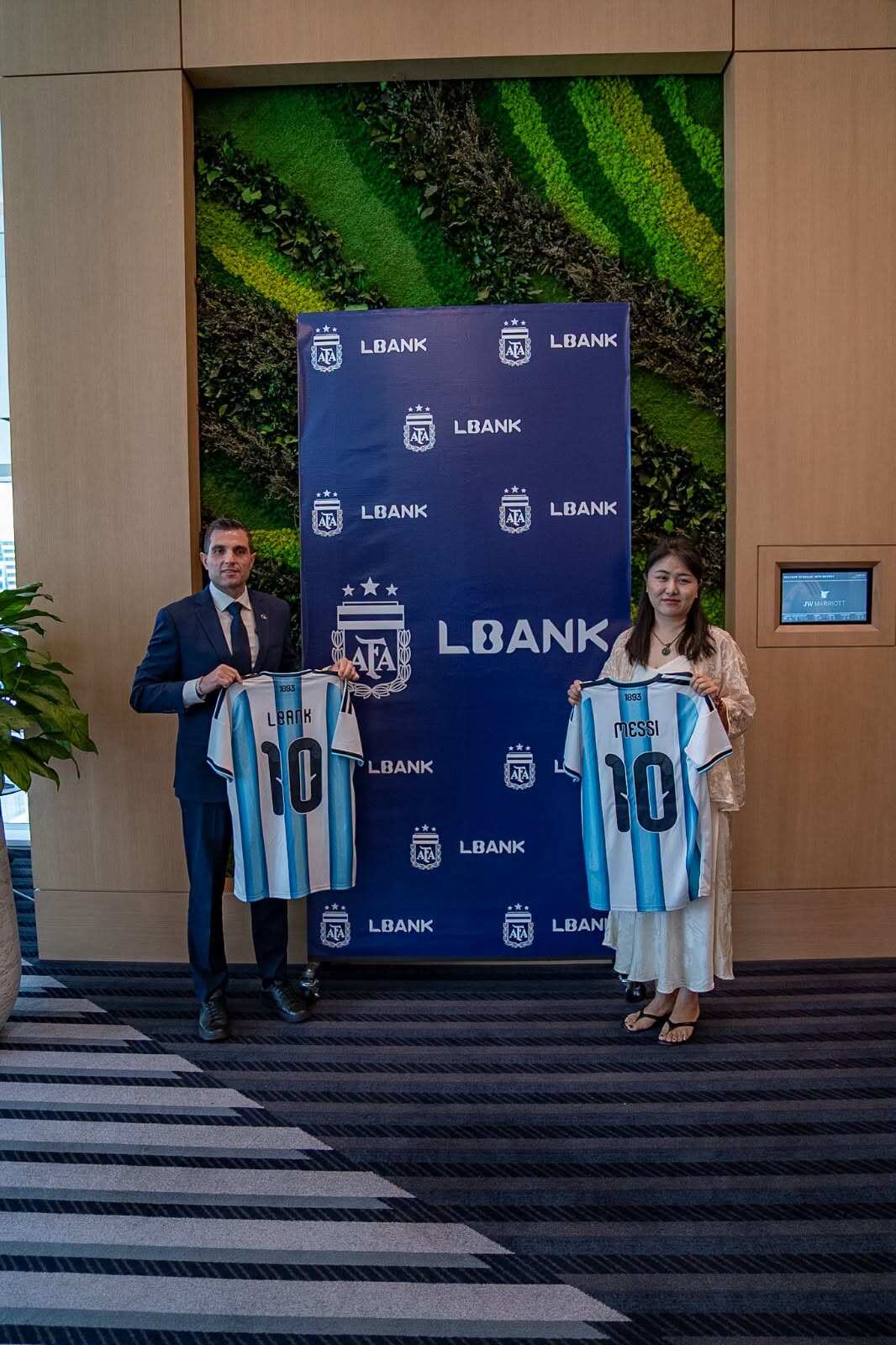
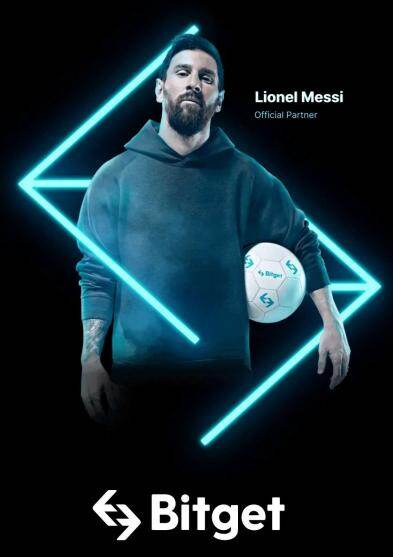
The Argentine Football Association now holds the most crypto sponsorships among national teams: Nexo (South America digital asset partner), BTCC (regional partner), XBO.com (2025 global sponsor), Deepcoin (Asia/regional markets), and ATFX (regional partner). Bitget, meanwhile, directly signed Lionel Messi as global brand ambassador, capitalizing on his 2022 World Cup victory to promote copy trading products. However, a key drawback is that Bitget's logo cannot appear on the field alongside Messi's jersey during matches.
Kalshi's Clever Bypass: $20 Million Instead of $150 Million
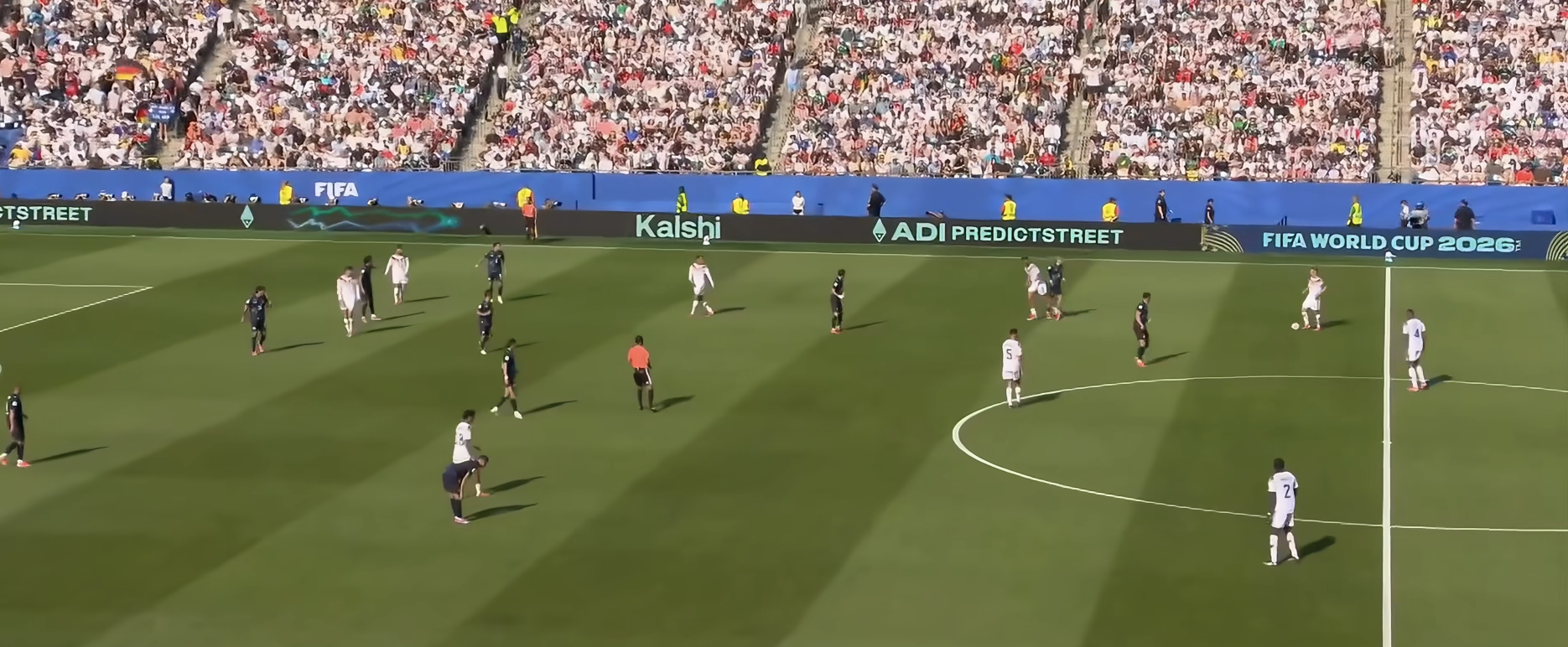
Prediction market Kalshi rejected FIFA's $150 million sponsorship offer. Instead, it struck a strategic partnership with ADI Predictstreet, FIFA's official prediction market partner. Kalshi paid approximately $20 million to share stadium ad space during the knockout stage, appearing alongside ADI Predictstreet on pitch-side boards—a highly cost-effective exposure.
Shift in Sponsorship Logic: From 'Invalid Exposure' to ROI Focus
Compared to the previous World Cup, new crypto sponsorship deals in 2026 have notably decreased. Industry conditions have changed: during the 2021-2022 bull run, Bitcoin hit all-time highs and the 'mass adoption' narrative drove massive capital into sports sponsorships; by 2026, market confidence has waned. Bybit CEO Ben recently explained why the firm did not renew its Red Bull F1 sponsorship: commercial value declined annually, activation costs rose, executive team expenses could exceed the sponsorship fee, and guest invitations became entangled with 'guanxi' (personal relationships), sometimes harming business. Similar dynamics apply to World Cup sponsorships—crypto firms increasingly prioritize ROI, directing budgets toward champion teams, star players, or even 'ad-jacking' tactics. The approach has shifted from showcasing 'super spending power' to fragmented, low-key, and result-oriented collaborations.