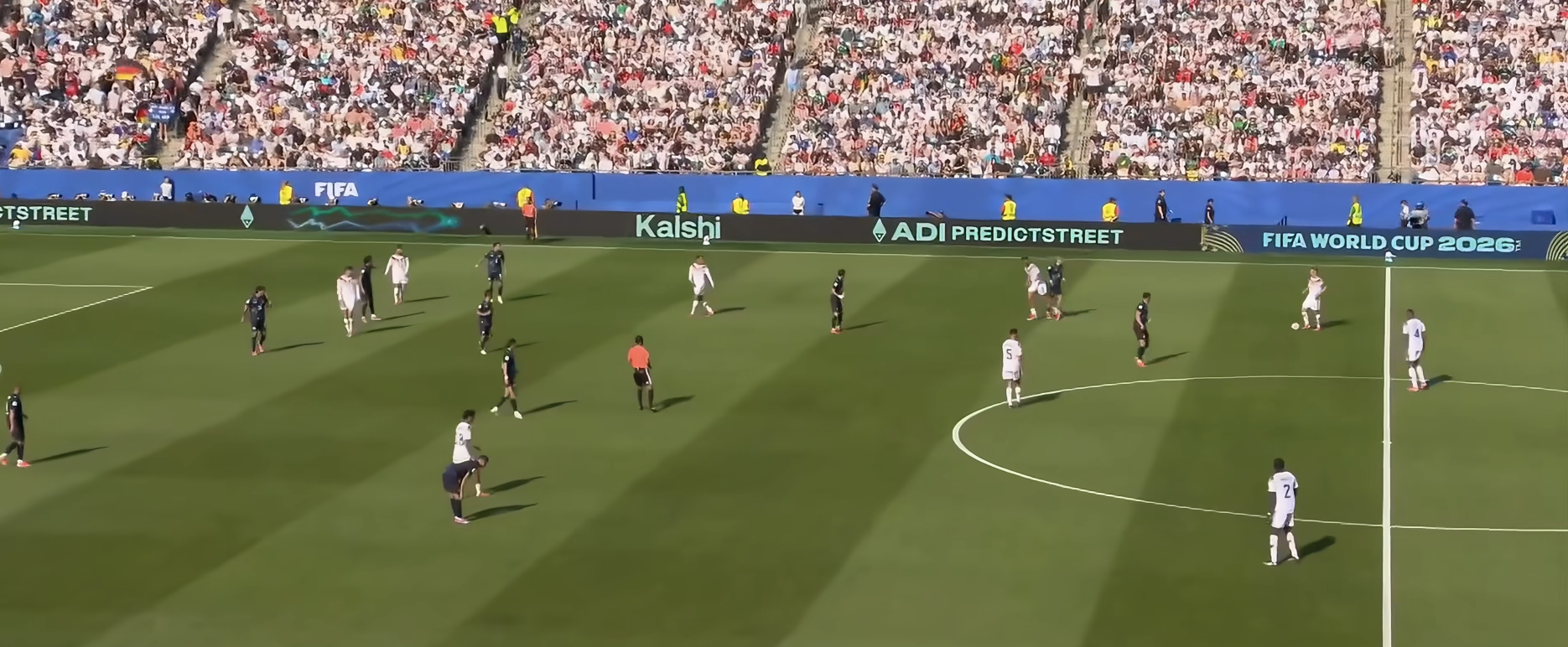
The FIFA World Cup remains the world's most valuable advertising stage, with estimated marketing and sponsorship revenue of $2.5–$3 billion for the 2026 edition, up from $1.8 billion in 2022. However, crypto companies have largely disappeared from FIFA's official sponsorship roster this year—only Kraken entered as a North American and European official crypto exchange sponsor (tier 3), gaining pitch-side ad boards and fan activation rights in 16 host cities.
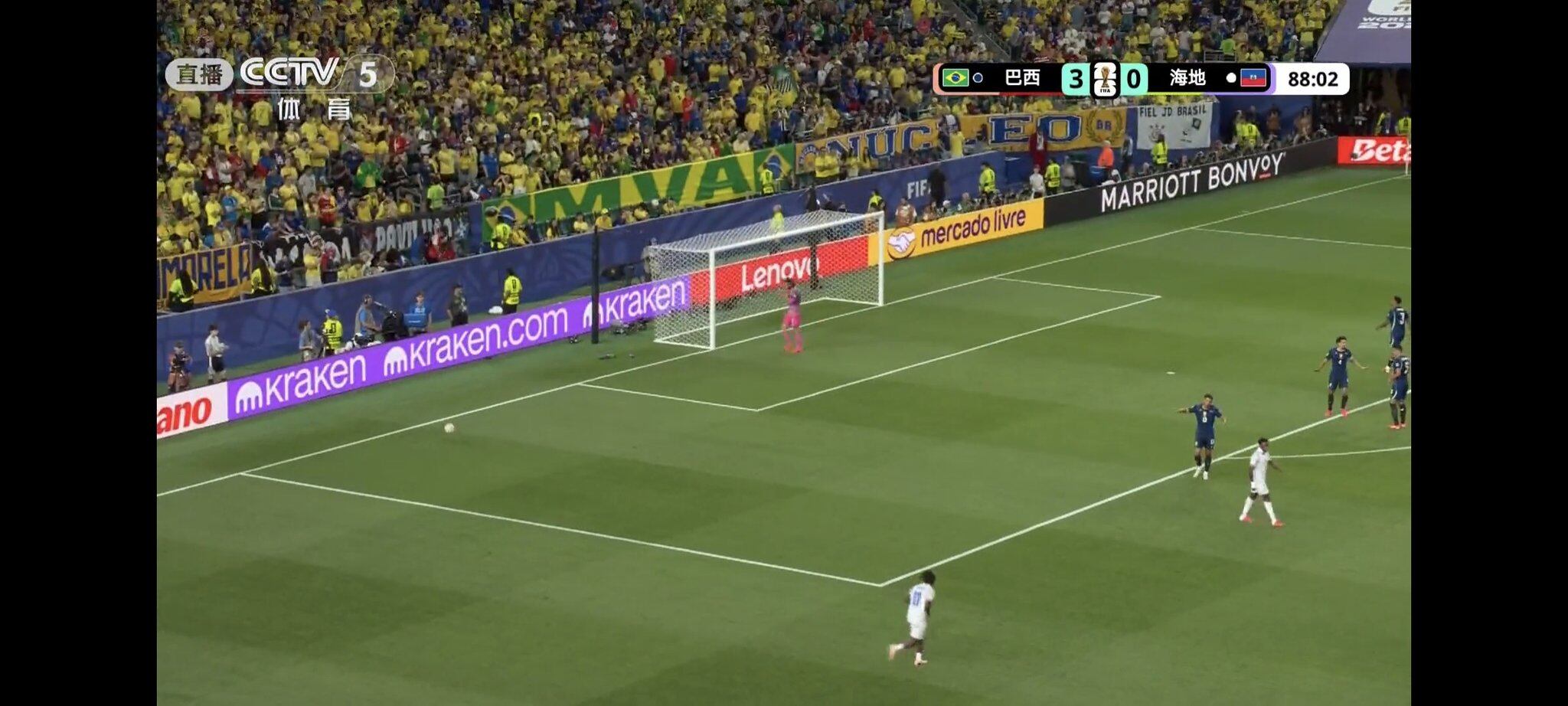
In contrast, 2022 saw Crypto.com as a tier-2 sponsor and Algorand as the official blockchain platform. But crypto firms haven't abandoned the World Cup; they've simply changed tactics. Instead of paying FIFA's hefty premiums (estimated $65–$95 million for tier 2), they now focus on clubs, national teams, and individual stars that come with massive fan bases and direct engagement potential.
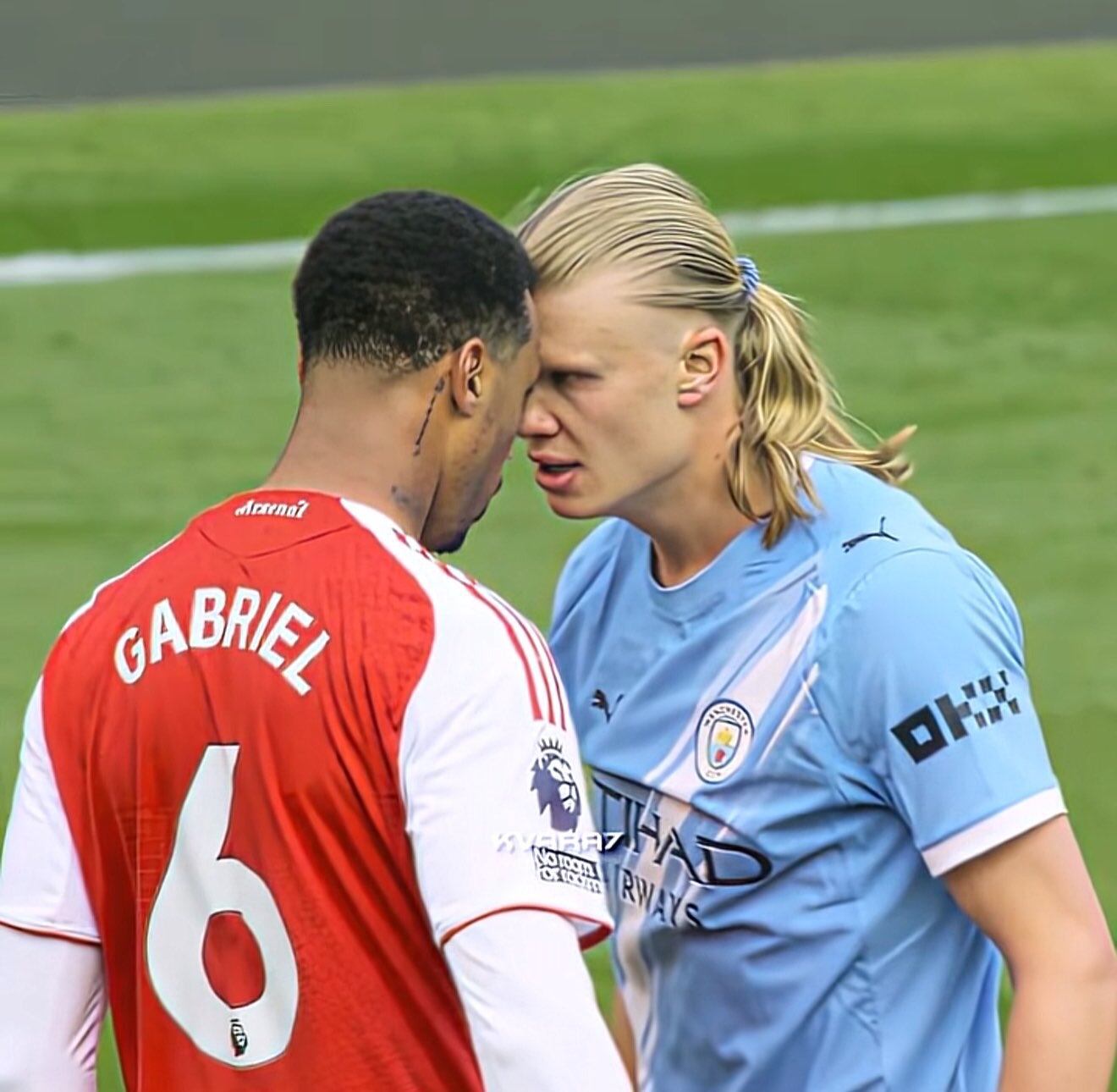
OKX Doubles Down on Manchester City and Haaland
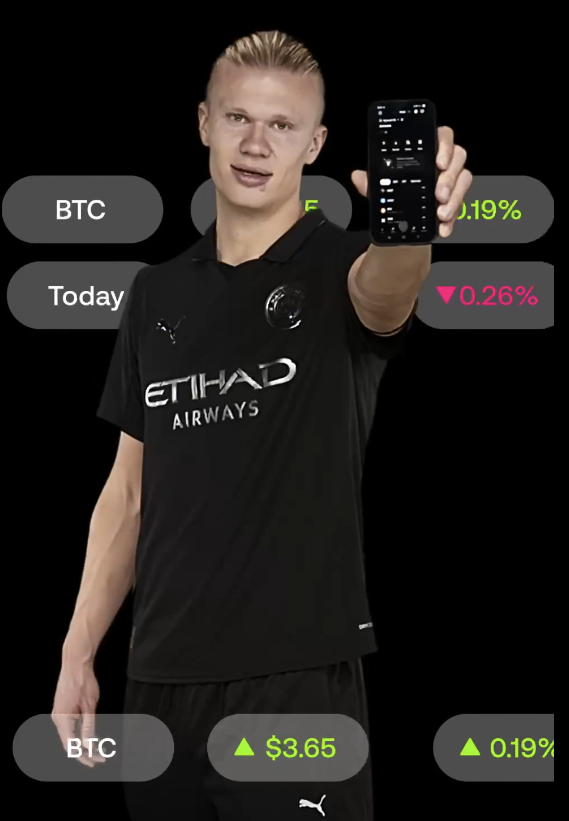
OKX began its partnership with Premier League giant Manchester City in March 2022, reportedly paying over $70 million over three years for sleeve branding on both men's and women's first teams. More crucially, OKX integrated star player Erling Haaland into global marketing campaigns, featuring him in ads for OKX Web3 wallet and trading products. Haaland's immense on- and off-pitch appeal generates viral social media reach that a generic FIFA sponsorship cannot match.
Binance Ties Directly to Cristiano Ronaldo, but New Moves Slow
Binance chose to sign a long-term exclusive deal with Cristiano Ronaldo, acquiring his image rights and brand ambassadorship. They launched a CR7 NFT collection in November 2022. Despite a $1 billion class-action lawsuit filed by US investors in late 2023 alleging Ronaldo misled investors through the NFT promotion, the partnership remains active. However, Binance's appetite for new football sponsorships has waned: it terminated a five-year contract with the Argentine Football Association (AFA) in July 2023 (reportedly worth $8 million annually) due to product delivery disputes. This experience likely tempered further expansion.

Argentina FA Becomes Crypto Sponsorship Hub; Bitget Locks Messi
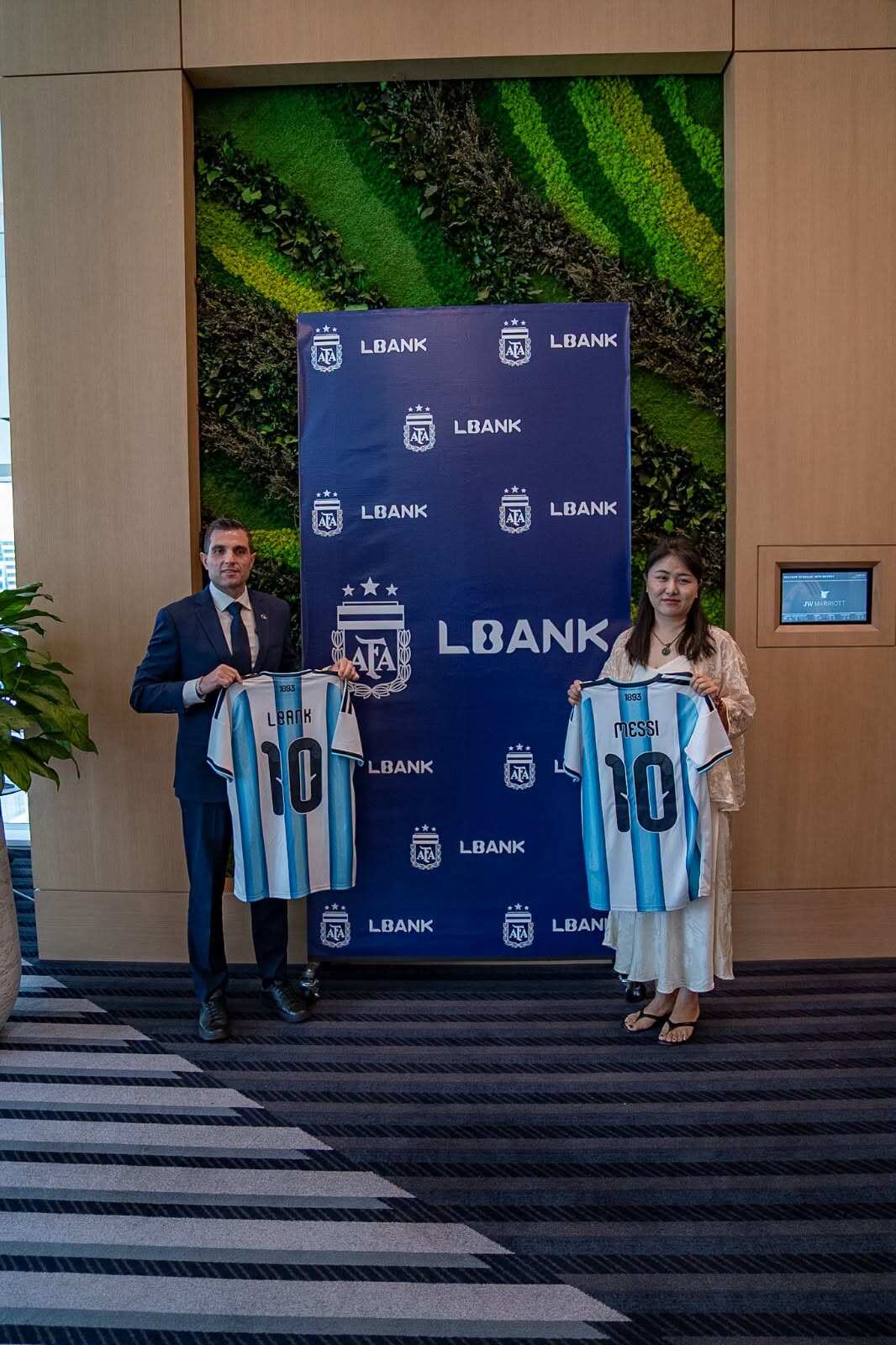
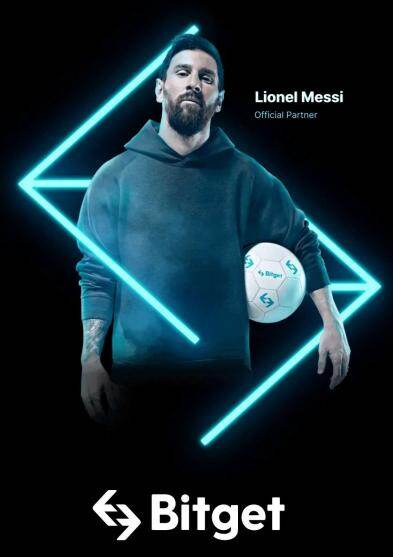
Despite losing Binance, the AFA has become the most crypto-sponsored national team, signing deals with Nexo, BTCC, XBO.com, Deepcoin, and ATFX across regional and global partnerships. Meanwhile, Bitget directly signed Lionel Messi as global brand ambassador in 2022. Messi's World Cup victory propelled Bitget's copy trading product to global recognition, making the partnership a textbook case of high-ROI star endorsement.
Kalshi's Clever 'Free-ride' on FIFA Ad Space
Prediction market Kalshi reportedly declined FIFA's $150 million sponsorship offer. Instead, it struck a strategic brand and product partnership with ADI Predictstreet, the official World Cup prediction market partner. Kalshi paid approximately $20 million to share ad boards during the knockout stage, appearing alongside ADI Predictstreet on pitch-side displays. This cost-effective approach delivered World Cup visibility at a fraction of the official price.
From 'Money Power' to ROI: The New Sponsorship Logic
Compared to the 2022 World Cup, new crypto sponsorship signings are notably fewer. The 2022 cycle coincided with a frothy bull market and 'mass adoption' narrative, flooding sports with crypto money. By 2026, market confidence and token prices have cooled. Additionally, Bybit CEO Ben explained why the company did not renew its Red Bull F1 contract: sponsorship commercial value declined year-over-year, activation costs rose, and invited guests became entitled—creating negative business dynamics. This disillusionment now extends to World Cup sponsorships. Crypto firms still want the global audience, but they now insist on measurable ROI. Spending tens of millions on an official FIFA badge feels less appealing than targeting a championship team, a superstar, or even cleverly piggybacking on an existing ad board.