
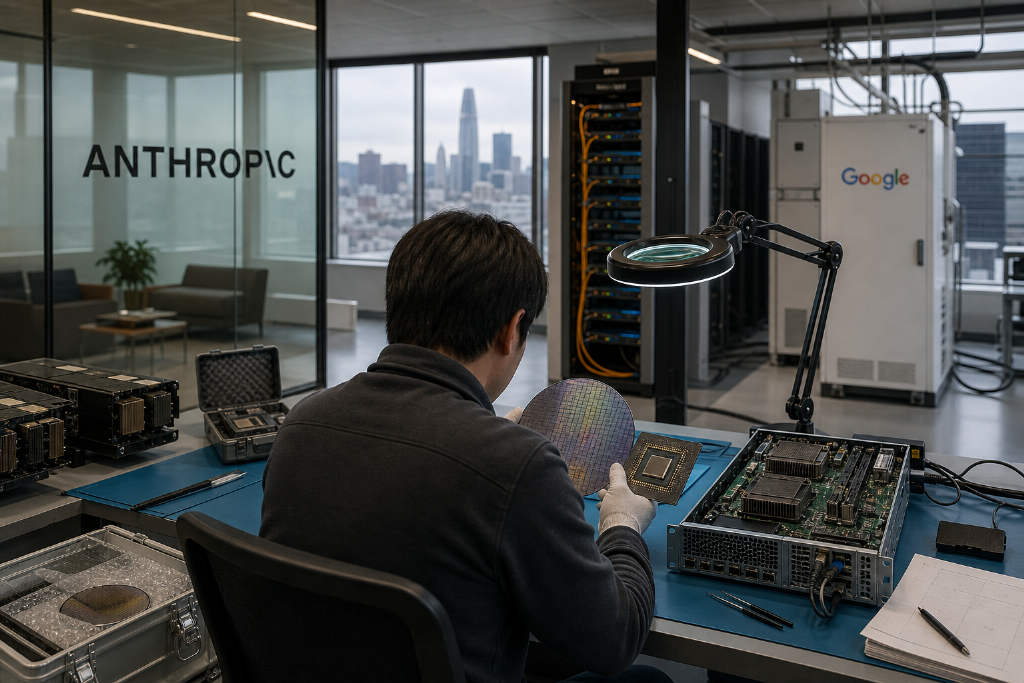
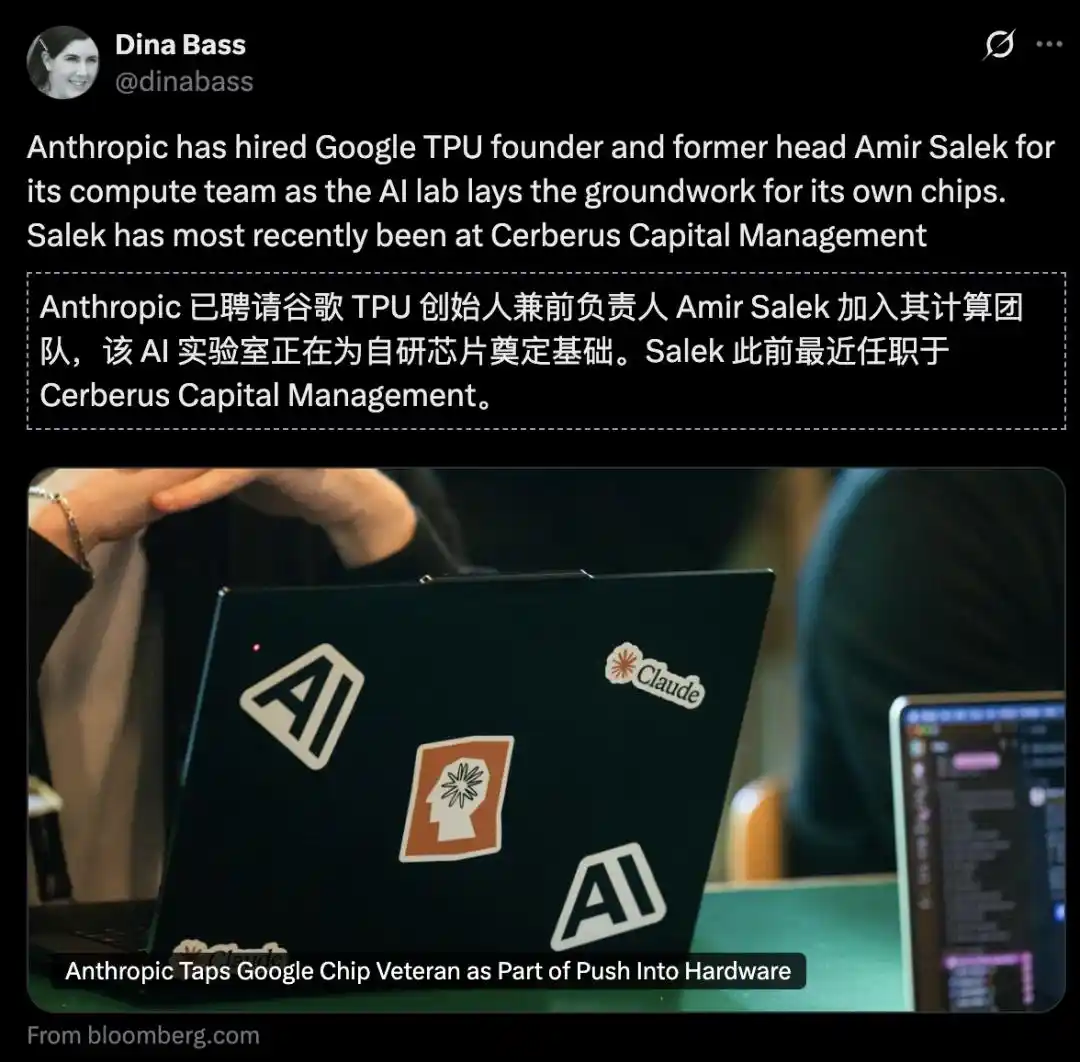
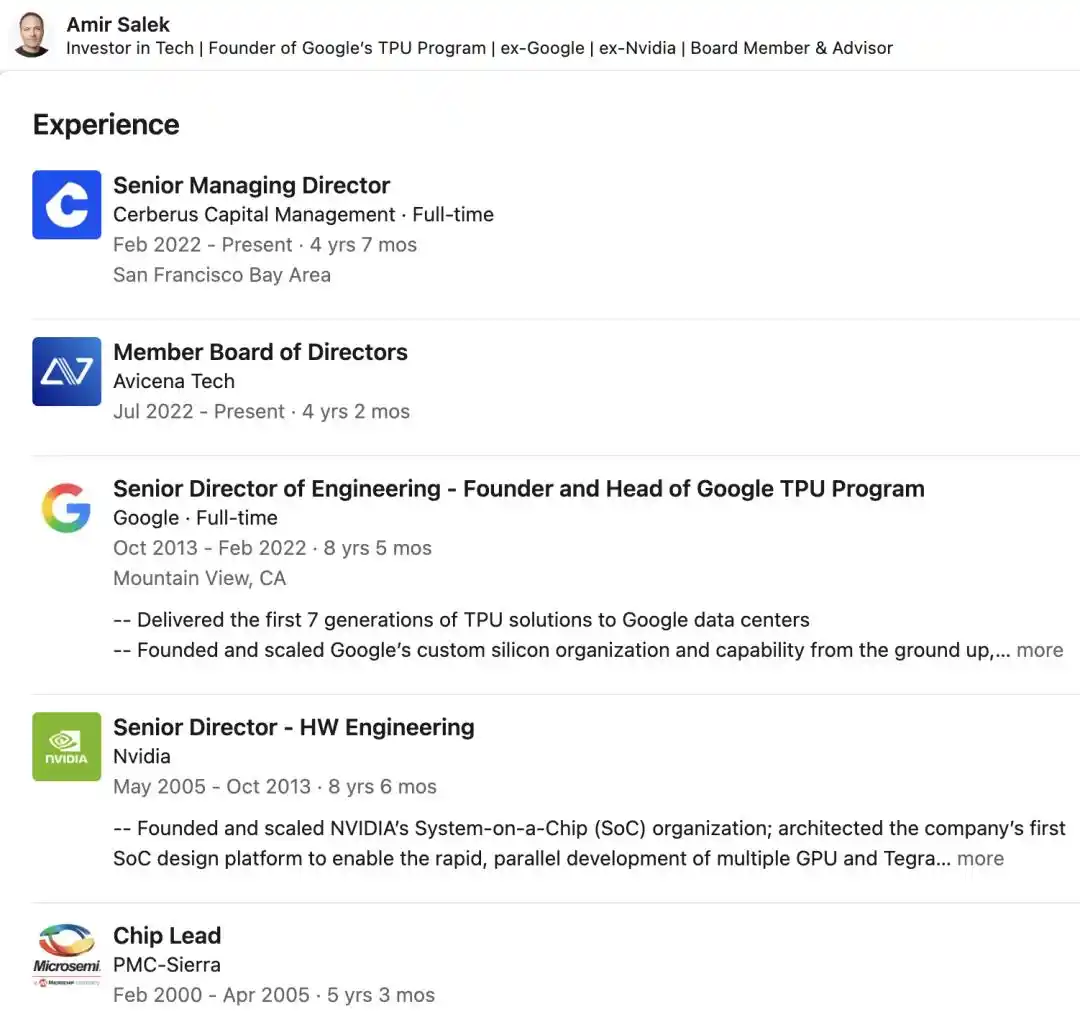
Anthropic has reportedly hired former Google executive Amir Salek, a move that adds one of the best-known names in AI hardware to the company’s expanding silicon effort.
According to the source material, Salek is widely associated with Google’s Tensor Processing Unit, or TPU, program and is described there as a key figure behind the project. At Anthropic, he will report to compute head James Bradbury.
The hire has drawn attention because Anthropic is not only building models. It is also assembling the people, hardware strategy, and infrastructure needed to control more of the compute stack.
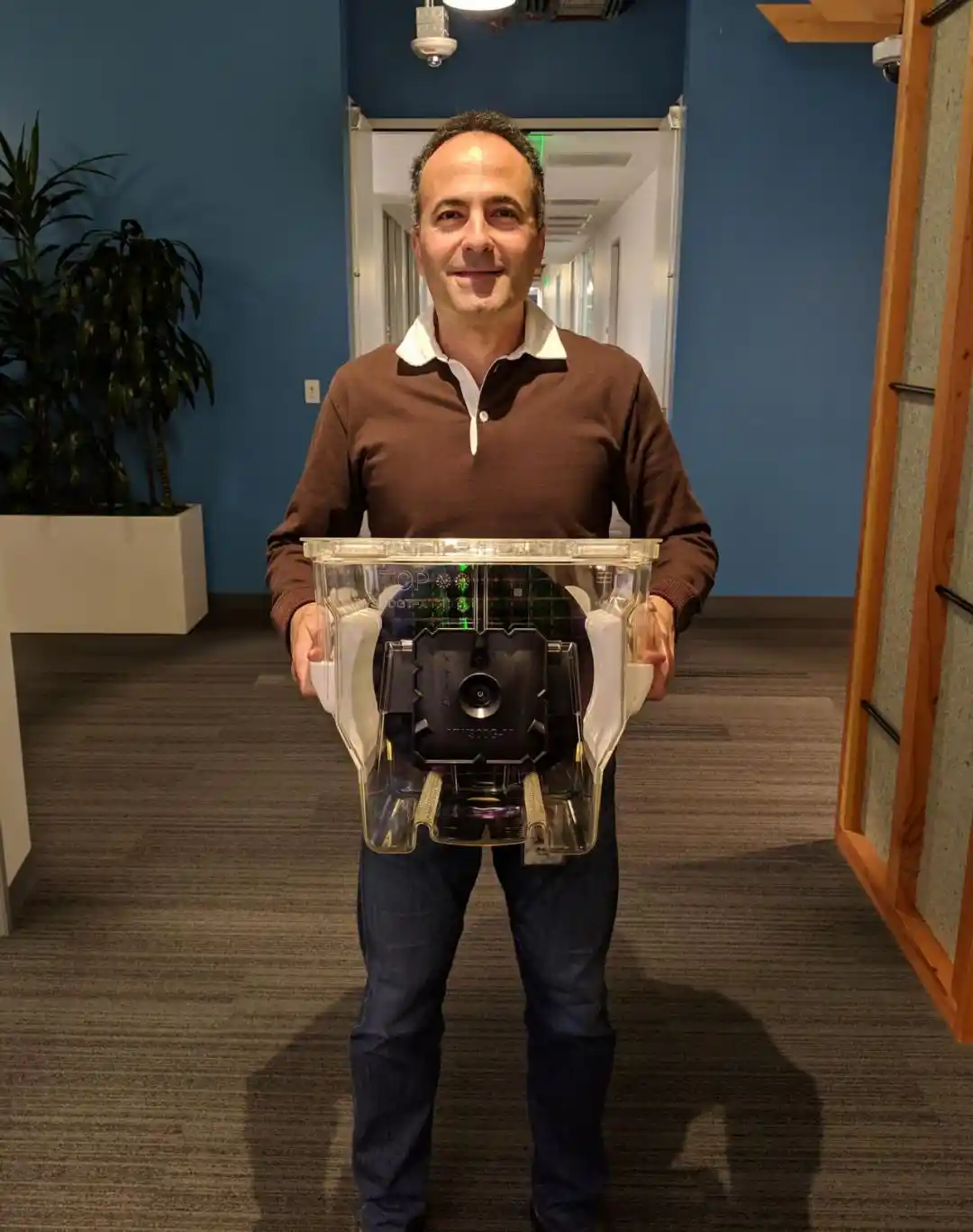
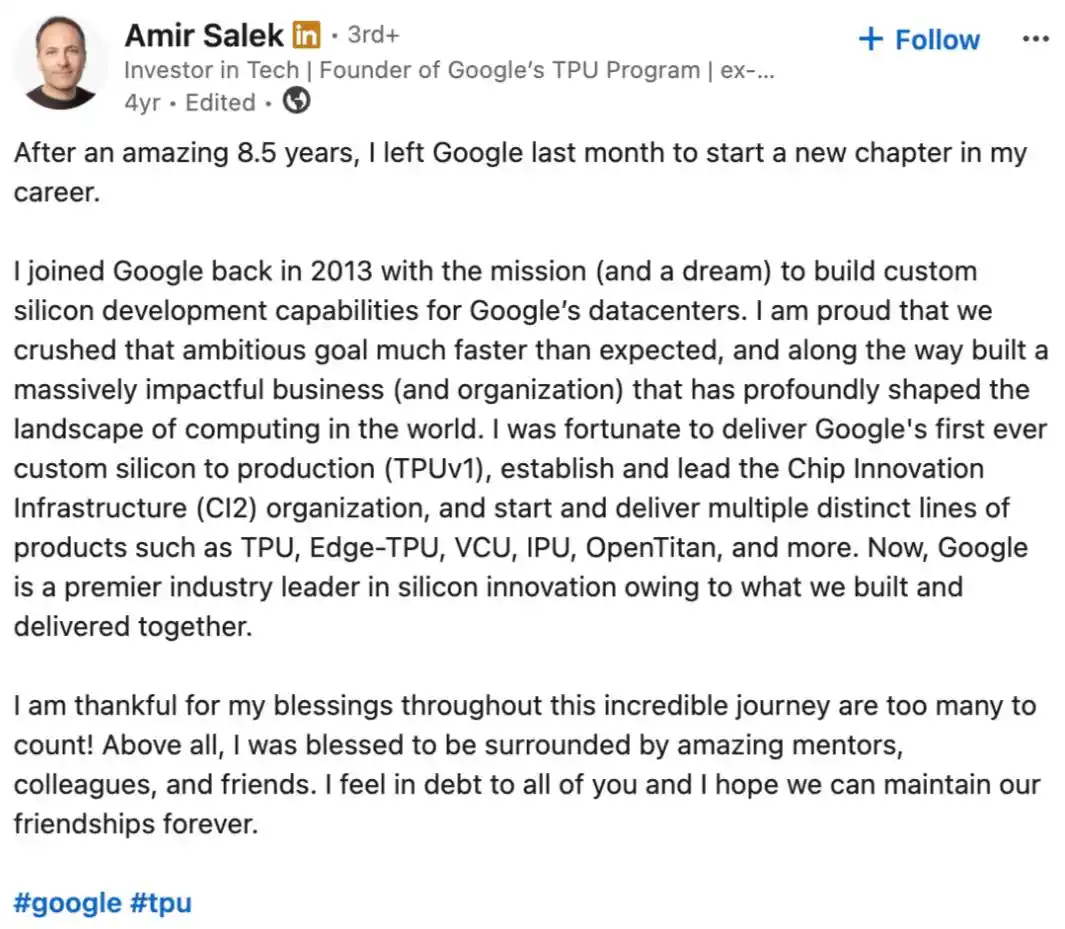
Before joining Google, Salek worked at Nvidia, where he led the company’s SoC design team, according to the input. He joined Google in 2013 and went on to help build its custom silicon group from the ground up. The source says he led delivery of the first seven TPU generations during a nine-year run at the company.
TPUs were developed by Google as custom AI and machine-learning hardware, and the source frames that effort as part of Google’s attempt to reduce reliance on Nvidia.
After leaving Google in 2022, Salek joined Cerberus Capital Management as a senior managing director. He has now moved to Anthropic, bringing experience that spans chip design, management, and capital-intensive hardware operations.
Anthropic has also recruited from OpenAI’s chip ranks
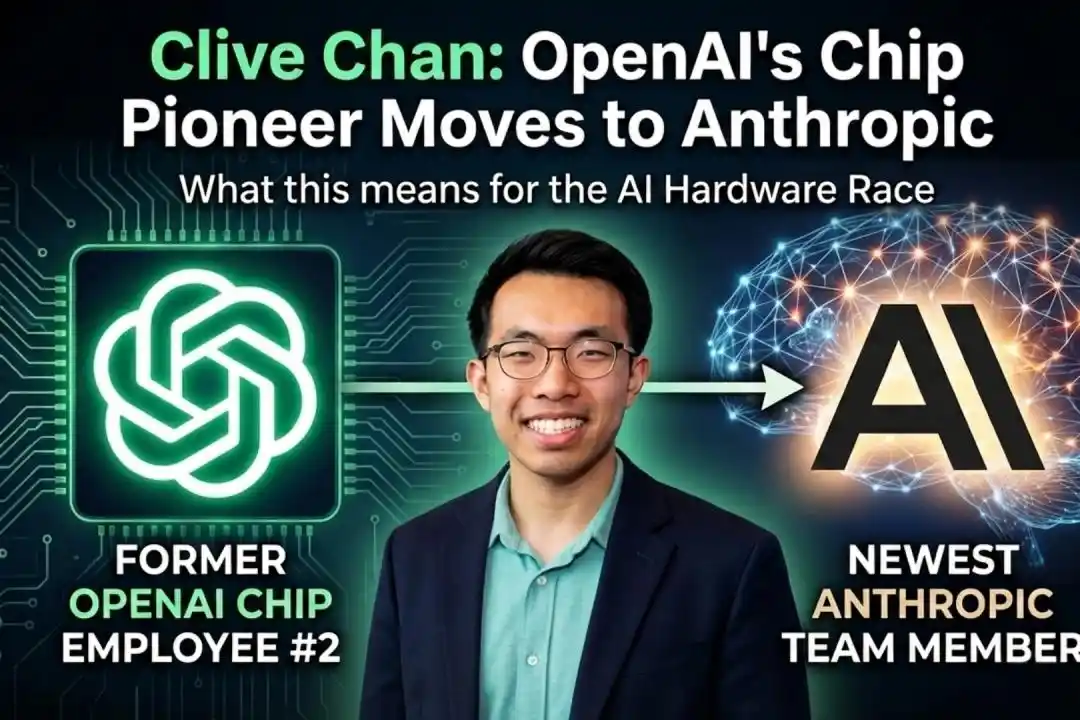
Salek is not the only hardware hire mentioned in the report. The source says Clive Chan moved to Anthropic in June.
Chan is identified as the second hardware employee on OpenAI’s in-house chip team and an early core member of OpenAI’s confidential chip project codenamed Jalapeno. That gives Anthropic hardware talent with direct ties to both Google’s TPU history and OpenAI’s own silicon program.
The timing matters. The source says Anthropic formally established an internal Custom Silicon division this month, making the company’s direction harder to miss.
Why Anthropic is pushing deeper into chips
The source links Anthropic’s chip plans to cost pressure, supply constraints, and the need for tighter model-hardware integration.
It says Anthropic’s compute spending in 2026 is estimated at $19 billion. It also says the company’s inference costs in 2025 came in 23% above budget. Anthropic’s 2025 gross margin was listed at 40%, far below the 77% gross-margin target the company told investors it plans to reach before an expected Nasdaq listing.
Those figures help explain why relying only on outside GPUs may not be enough, even with support from Amazon Web Services and Google Cloud. The source argues that buying Nvidia hardware is possible, but sustaining that level of spending is much harder.
The report also frames custom chips as a way to tailor hardware more closely to Claude’s inference needs. It points to the logic of hardware-software co-design: if the teams building the model and the teams designing the silicon work together more directly, Anthropic could aim for lower inference costs and tighter performance tuning.
Another factor is access to infrastructure. The source says an internal chip effort could help Anthropic reduce bottlenecks around scarce data-center facilities and other supply-chain constraints, while giving it more control over hardware built for its own workloads.
Internal chip work is only one part of the strategy
Anthropic is not replacing outside supply with in-house development overnight. The source says the company is still buying large volumes of chips from Nvidia, Amazon, and Google.
At the same time, it is making unusually large bets on third-party startups. The input says Anthropic recently made an initial commitment order worth $250 million to Fractile, a UK AI chip startup.
Fractile is described in the source as developing a new hardware architecture aimed at running large language model inference with very low power consumption. That gives Anthropic another route to future capacity while it builds internal capabilities.
Infrastructure is the third leg of the plan. The source says Anthropic has quietly reached a series of infrastructure agreements, including deals involving Riot Platforms Inc. and Volta Infra Holdings Ltd.
The article places those agreements in the context of a market where some mining sites are looking to repurpose or transition. Anthropic, in that telling, is moving to secure data-center and power resources while competition for compute keeps rising.
Model competition is moving deeper into the hardware stack
The source presents Anthropic’s latest moves as part of a broader shift in the AI race. The contest is no longer only about algorithms, datasets, or fundraising. Chip design, power access, data centers, and manufacturing capacity now sit much closer to the center.
It also draws a direct contrast between the major model developers. OpenAI is described as having the Jalapeno chip project, while Anthropic is now building up a Claude-focused hardware track around hires such as Amir Salek.
Anthropic’s latest recruiting and infrastructure activity does not by itself settle that race. It does show where the battle is moving: closer to the silicon, the servers, and the power needed to run frontier AI systems at scale.