
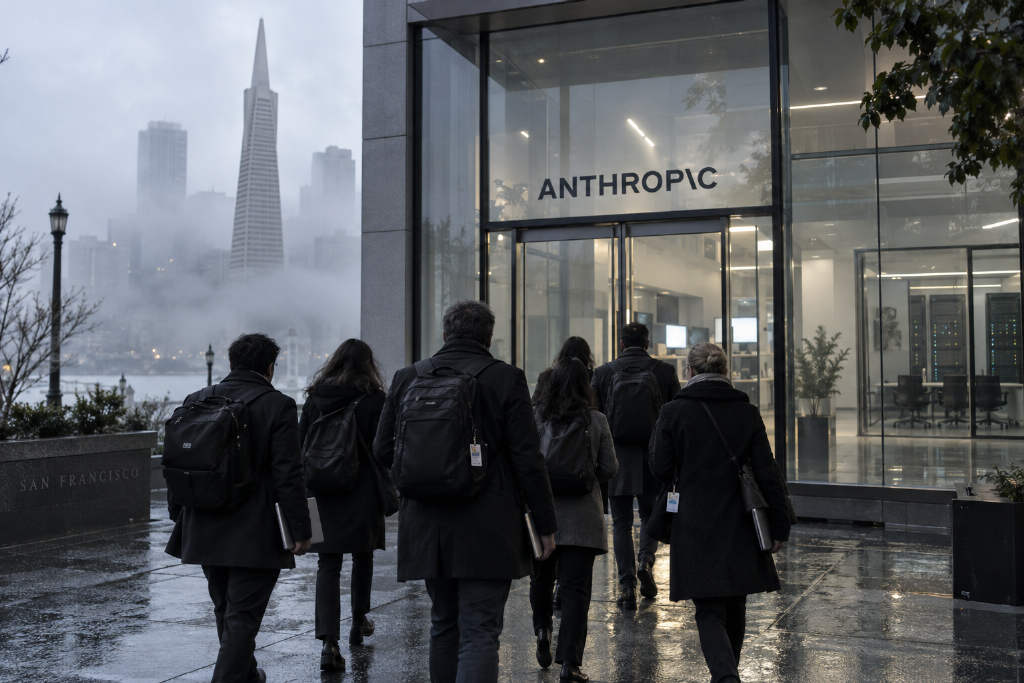
Anthropic said it has brought six researchers from independent AI evaluation organization METR into the company, providing them with office space, work computers, and system access broadly comparable to that of its internal safety evaluation team.
That setup gives the researchers a role beyond external testing of Claude. According to Anthropic, they can also use internal tools and investigate dangerous model behavior, safety incidents, and protective measures. The company compared the arrangement to resident examiners sent by bank regulators to work inside banks.
METR can publish findings without approval
METR can publish its risk assessments and investigation findings on its own, and Anthropic cannot stop those reports from being released. Still, the company may ask for content to be removed if it involves customer data, legally protected confidential material, or model architecture.
If METR considers those deletions unreasonable, it may publicly object, but it cannot reveal the original deleted text.
Anthropic places METR in its highest access tier
Anthropic said it divides external evaluations into three levels, and METR has entered the highest-permission tier.
Another nonprofit, SecureBio, is reviewing bioweapons-related risks tied to Anthropic's models. Faculty, an Accenture unit, is also carrying out model red-team testing and safety evaluations.
METR says current arrangements still depend on company cooperation
METR has said it does not accept payment or donations from frontier AI companies. Anthropic had previously announced direct financial support for Faculty's evaluation work.
In a note published on Oct. 14, METR said current cooperation still depends on AI companies voluntarily providing information. It added that evaluators may not get access to key evidence, and that companies can shape what the public sees by restricting access and editing reports.