
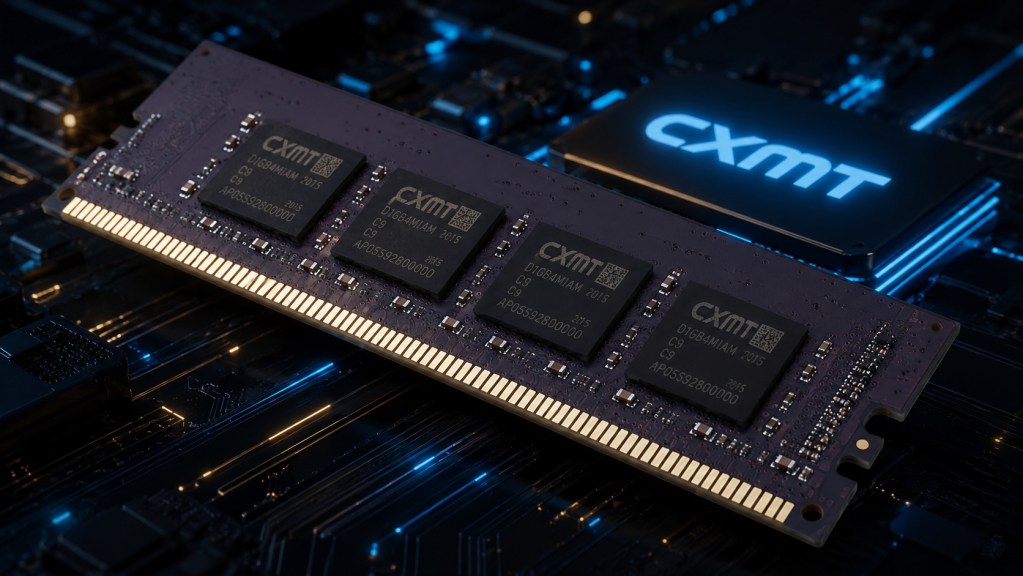
Apple is testing DRAM chips from ChangXin Memory Technologies, or CXMT, and evaluating whether they could be used in iPhones and MacBooks sold in mainland China, according to The Wall Street Journal.
The report said U.S. export controls prevent Apple from working with CXMT on custom chip design. That means Apple could only buy standard off-the-shelf products. The potential partnership is still under review, has not been finalized, and faces U.S. regulatory scrutiny, opposition in Congress, and broader geopolitical risk.
AI server demand has tightened DRAM supply for consumer devices
The backdrop is a memory market reshaped by AI infrastructure spending. Samsung Electronics, SK Hynix, and Micron Technology have been directing production toward higher-margin HBM and high-end server DRAM. That shift has reduced supply available for consumer electronics, pushing up component costs for smartphones and personal computers.
CXMT, described in the report as China’s largest DRAM manufacturer, is operating close to full capacity. Market chatter cited in the article said the company is assessing a second memory chip plant in Beijing to respond to the widening supply gap.
The report also noted that CXMT had previously rejected Apple’s request for lower prices. With strong domestic demand in China, CXMT’s bargaining position has improved, making it harder for Apple to use Chinese memory supply to lower iPhone costs.
Talks are limited to products sold in mainland China
According to the report, the initial discussions between Apple and CXMT are narrowly limited to iPhone and MacBook lines sold locally in mainland China.
That would mark a break from Apple’s long-standing practice of working closely with suppliers on deeply customized chips. U.S. rules bar American companies from sharing detailed technical specifications with CXMT or pursuing joint research and development, so any adoption would be confined to standard products already on the market.
The shift shows how device makers are adjusting procurement strategies as the supply chain remains under strain.
U.S. approval remains a major hurdle
Even with clear supply-side pressure, the project still faces serious legal and political obstacles. The report said the arrangement would need approval or authorization from the U.S. administration before it could move forward.
U.S. lawmakers and policymakers have repeatedly raised security concerns about American companies using Chinese memory chips. Some legislators have also proposed putting CXMT on a blacklist. For now, testing and negotiations remain at an early stage, and the two sides have not reached a binding final supply agreement. The outcome will depend on how geopolitical review unfolds.
Other PC brands have already started limited adoption
Before Apple entered the testing stage, several international PC brands had already taken similar steps to ease component shortages and cost pressure. The report said HP and Acer have introduced CXMT-made DRAM in some notebook products sold outside the United States, while Asus has carried out small-scale trials in parts of its product lineup.
Those cases point to a broader effort by global hardware makers to diversify supply chains as they look for alternatives in a memory market marked by supply-demand imbalance.