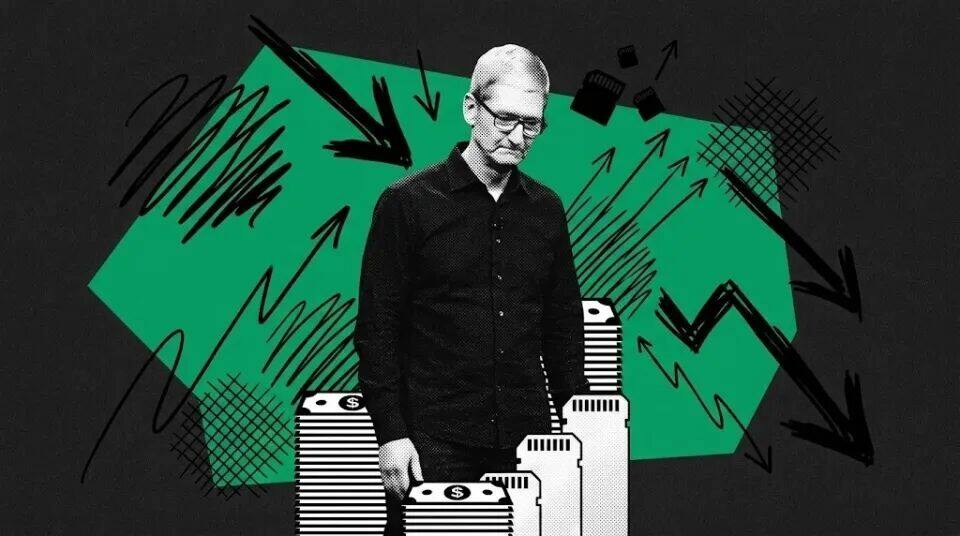
iPhone Profit Breakdown: Apple Takes One-Quarter, Memory Vendors Get One-Thirtieth
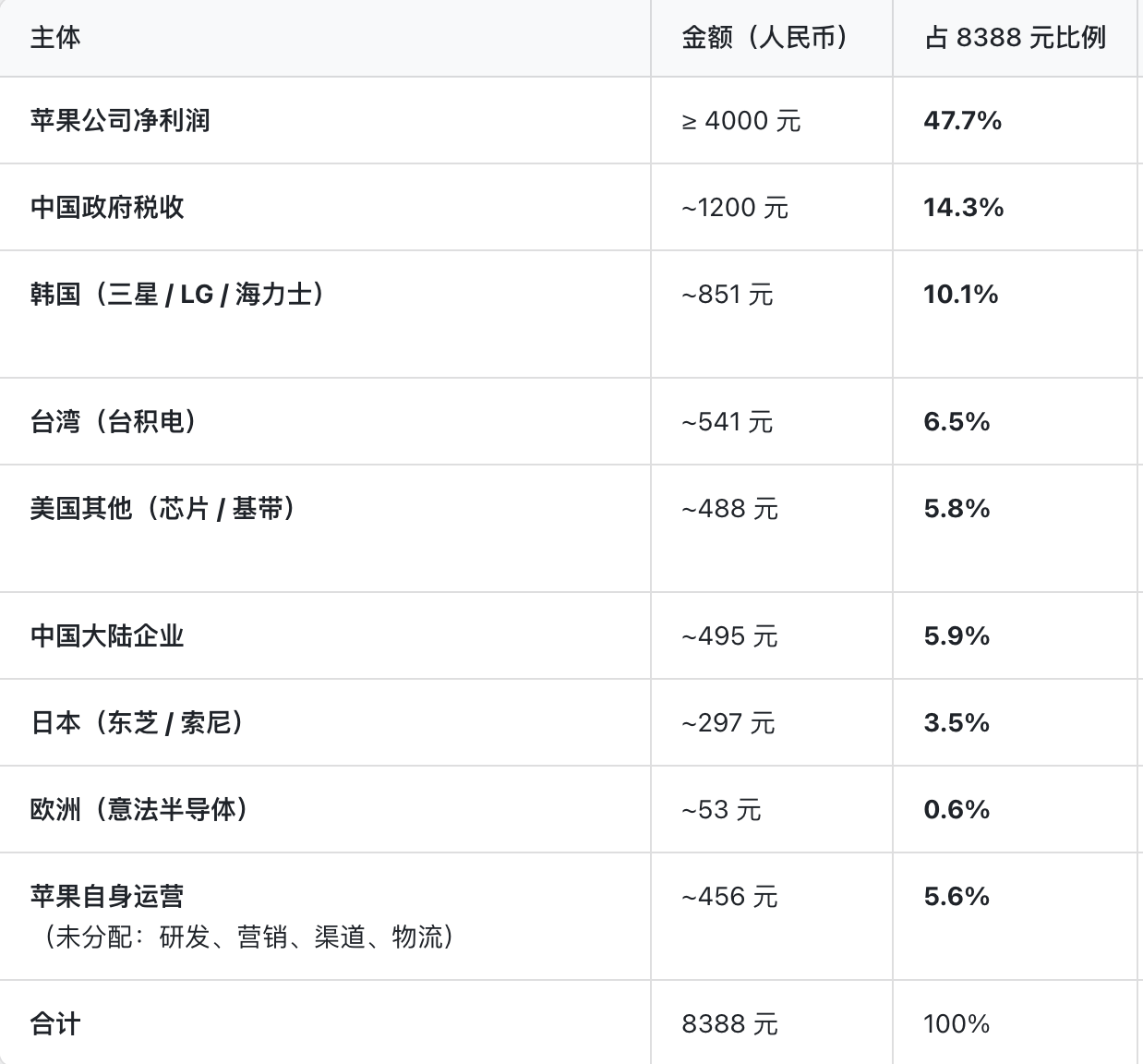
A viral social media post by @BluthCapital, written in the voice of Micron's CEO, captured the irony: 'For over a decade, Apple bought chips from us for $5, put them in a metal box, and sold them for $99. When we tried to raise the price to $7, they mocked us. Now that we charge $50, they simply raise their product price by $250.' This satire exposes the long-standing profit imbalance in Apple's supply chain. According to estimates, Apple takes about a quarter of the profit from each iPhone, while memory giants get only about one-thirtieth. TSMC, due to its monopoly, pockets 4-5%, and the remainder is split among other hardware suppliers, distribution, R&D, and taxes.
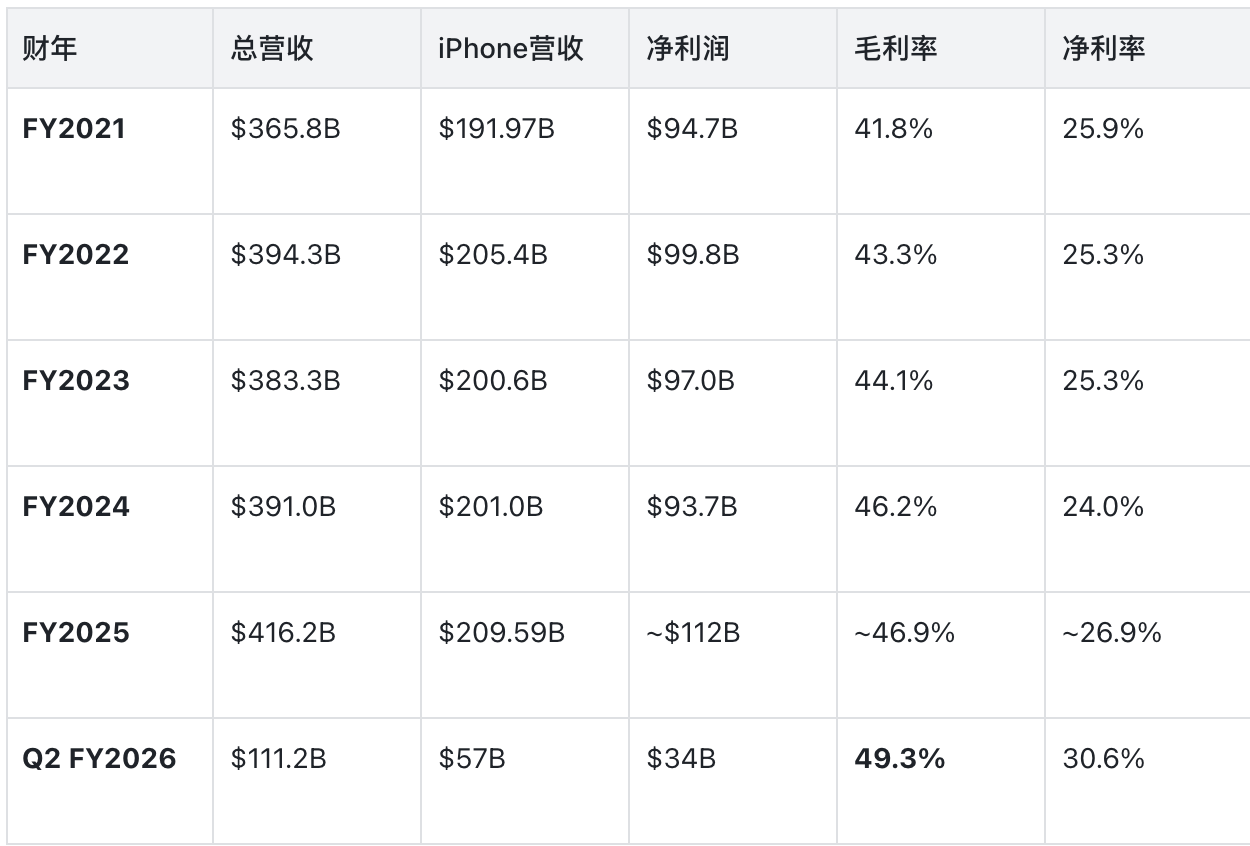
Counterpoint data shows Apple has consistently captured nearly 50% of global smartphone operating profit. IDC 2025 data indicates that with only 18% market share, Apple captured 75% of total industry profit. Based on Apple's fiscal Q2 2026 results, iPhone revenue reached $57 billion, net profit $34 billion, with estimated shipments of 61 million units. That implies a per-iPhone net profit of $320-$340 and a net margin of 33-36%. Over the past five years, iPhone revenue has remained stable, net profit grew from $94 billion in 2021 to $112 billion in 2025, and net margins held around 25%.
Three Stages of Memory Cost Evolution: From Negligible to Critical
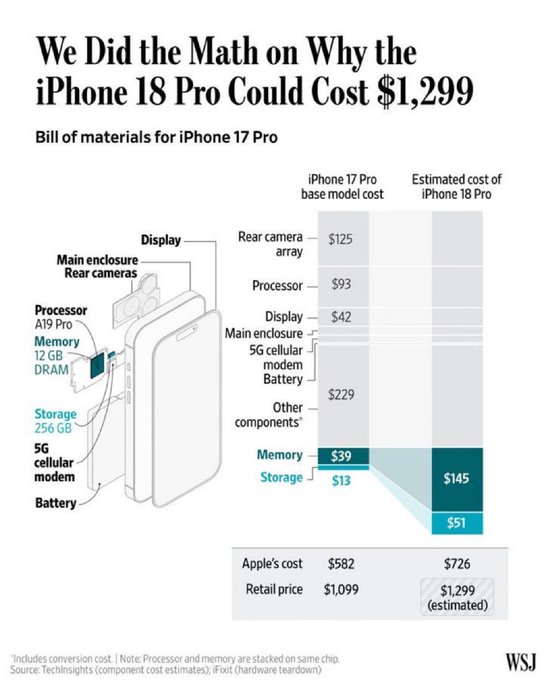
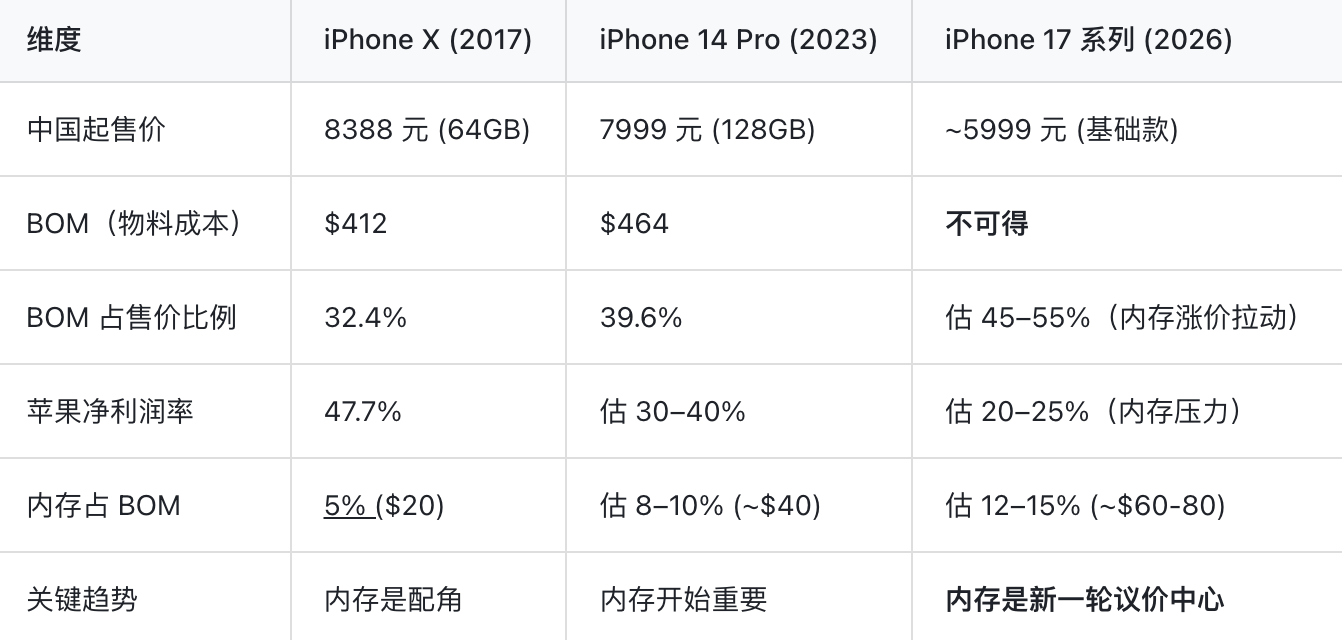
Memory cost has undergone three distinct phases in iPhone BOM. In the 2017 iPhone X era, memory profit share was only 1.6-2.3%, or ¥135-195 out of a total ¥8,388 selling price — essentially an afterthought. By the 2023 iPhone 14 Pro, BOM reached ~$464 (¥3,170), about 40% of the selling price, while Apple's net margin remained near 40%. However, inflated camera and processor costs reduced overall profit by 3.7% compared to the iPhone 13 Pro.
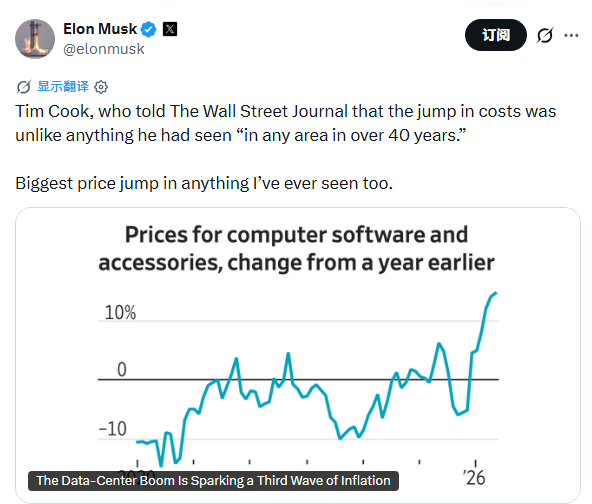
For the 2025-2026 iPhone 17 series, memory costs doubled, now accounting for 12-15% of BOM, or $60-$80. TrendForce reports that DRAM contract prices surged 93-98% quarter-over-quarter in Q1 2026, and Citi expects a 88% average price increase for all of 2026. Apple CEO Tim Cook initially acknowledged the pass-through of memory cost pressure, but within a week called it a 'once-in-a-century flood' and announced price hikes across Mac, iPad, HomePod, Apple TV, and Vision Pro. Apple's stock fell 6%, wiping out $263 billion in market cap — the largest drop since April 2025. Elon Musk concurred, saying it was the 'most dramatic price jump I've ever seen.'
AI Demand Ignites Memory Bull Run: A 1:14,500 Imbalance
The root cause of the memory boom is AI demand. Industry estimates indicate an AI server requires 8x more DRAM and 3x more NAND than a standard server. Samsung, SK Hynix, and Micron have shifted advanced fabrication to high-margin HBM and DDR5, actively reducing consumer-grade DDR4 lines, creating a shortage of general-purpose DRAM. Micron's Q3 earnings showed a stunning 84.6% gross margin and 346% year-over-year revenue growth to $41.46 billion. SK Hynix announced plans for a U.S. IPO targeting ~$29 billion to further capitalize on memory demand.
The scale is staggering: one Nvidia Vera Rubin AI server uses as much memory as approximately 14,500 MacBook Neo laptops. This 1:14,500 ratio illustrates how AI demand is cannibalizing consumer memory supply. Memory vendors, once squeezed by Apple, now hold the upper hand thanks to the AI wave — a classic 'thirty years east, thirty years west' reversal.

Apple's Countermove: Lobbying to Buy from China's CXMT
To break the monopoly of Micron, SK Hynix, and Samsung, Apple is lobbying the Trump administration for permission to purchase memory chips from China's ChangXin Memory Technologies (CXMT), which plans an IPO next month. Successfully integrating CXMT could break the Korean oligopoly and give Apple a bargaining chip. As the saying goes, 'the store bullies the customer, or the customer bullies the store' — the power balance is dynamic. Whether CXMT can replicate the wealth-creation miracle of SK Hynix and Micron will be revealed soon.