1. Apple Takes a Quarter, Memory Makers Get One-Thirtieth
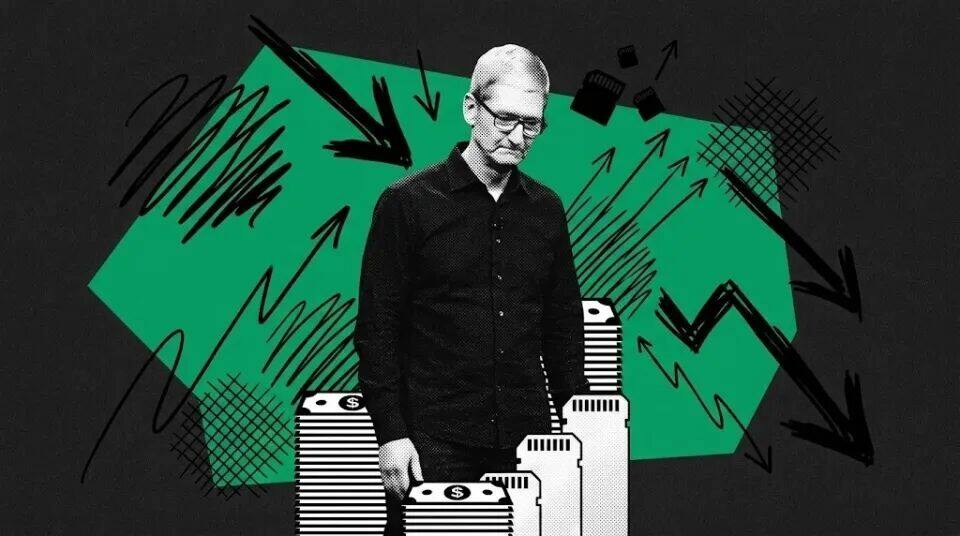
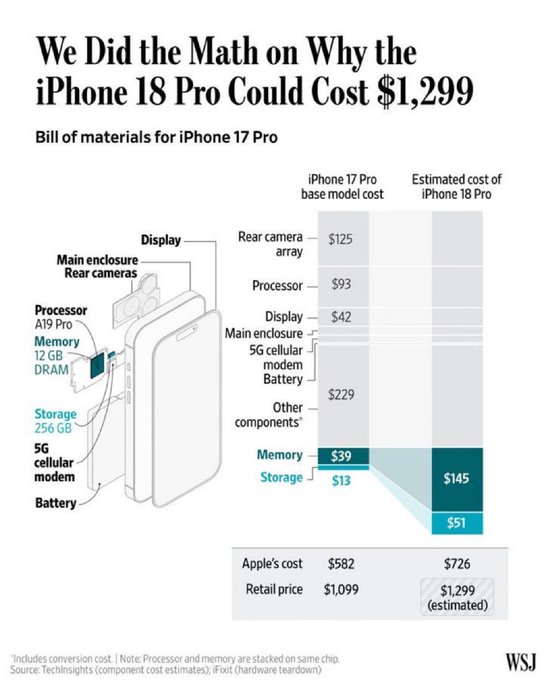
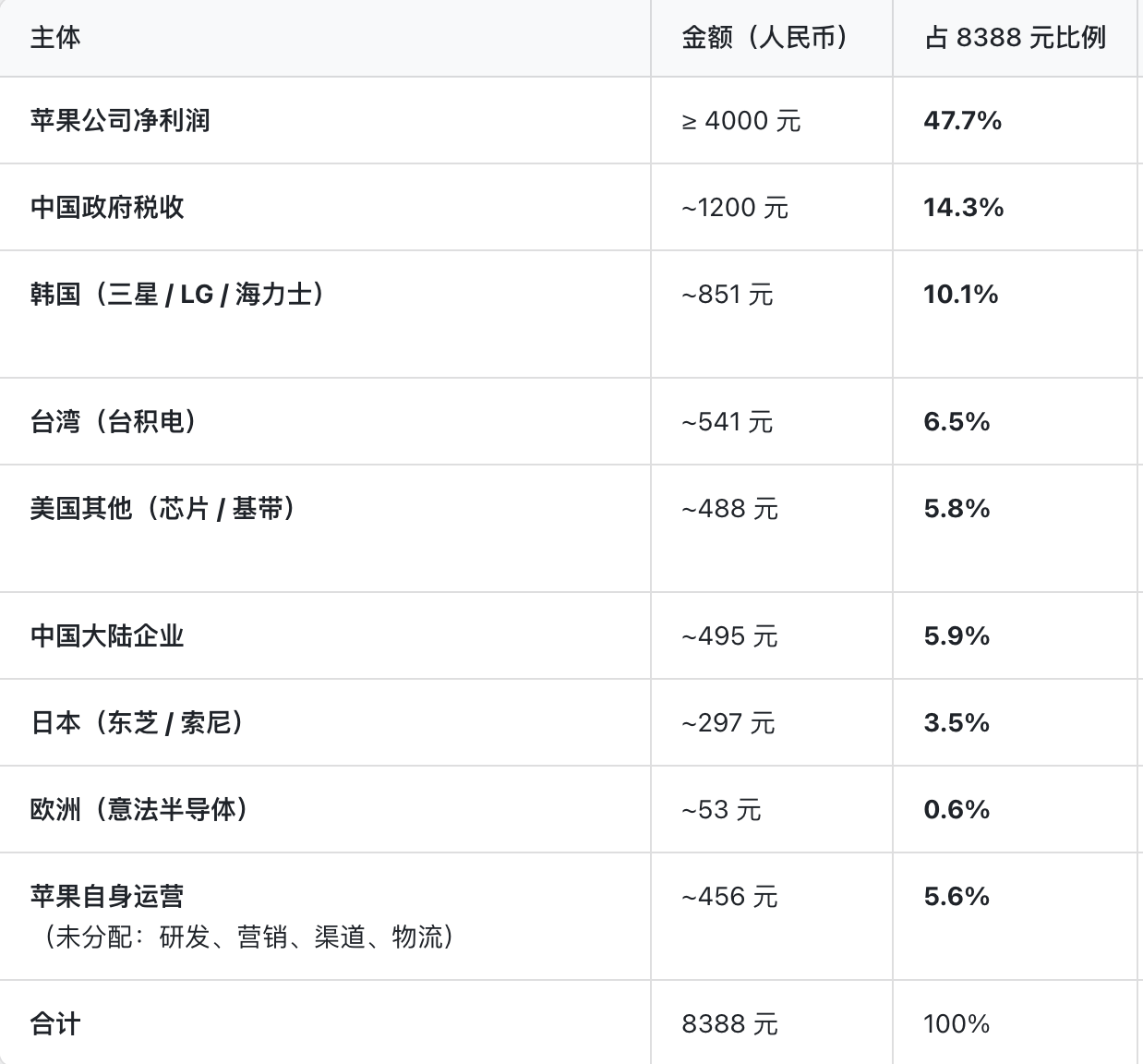
How is the profit from a single iPhone split? Tech blogger @BluthCapital lampooned the dynamic in a Micron CEO persona: Apple bought chips for $5 for over a decade, put them in a metal box and sold for $99; when Micron tried raising to $7, Apple mocked them. Now that memory companies charge $50, Apple hikes the product price by $250. The post went viral and was followed by a cost breakdown of the iPhone 18, showing Apple pockets about one-quarter of the profit, while memory giants get roughly one-thirtieth. TSMC, due to its monopoly, takes 4%–5%. Counterpoint data shows Apple has long held ~50% of global smartphone operating profit; IDC 2025 figures indicate Apple captures ~75% of industry total profit with just 18% market share.
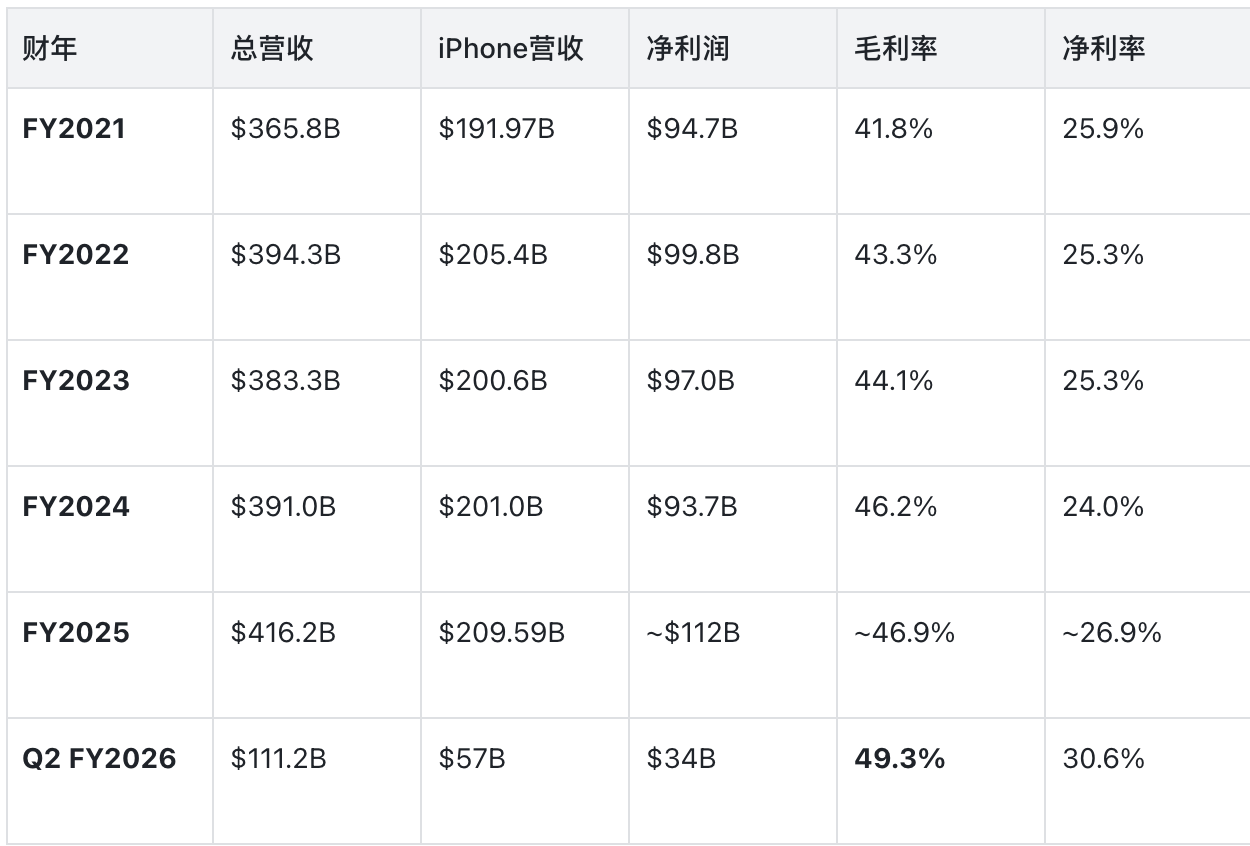
Per Apple's Q2 2026 earnings, iPhone revenue was $57 billion, net profit $34 billion, with an estimated 61 million units shipped. That implies a net profit per iPhone of $320–$340 and a net margin of 33%–36%. Over the past five years, iPhone revenue has been relatively stable, while net profit grew from ~$94 billion in 2021 to ~$112 billion in 2025, with net margins hovering around 25%.
2. Memory Cost Grows from 2% to 15% of BOM
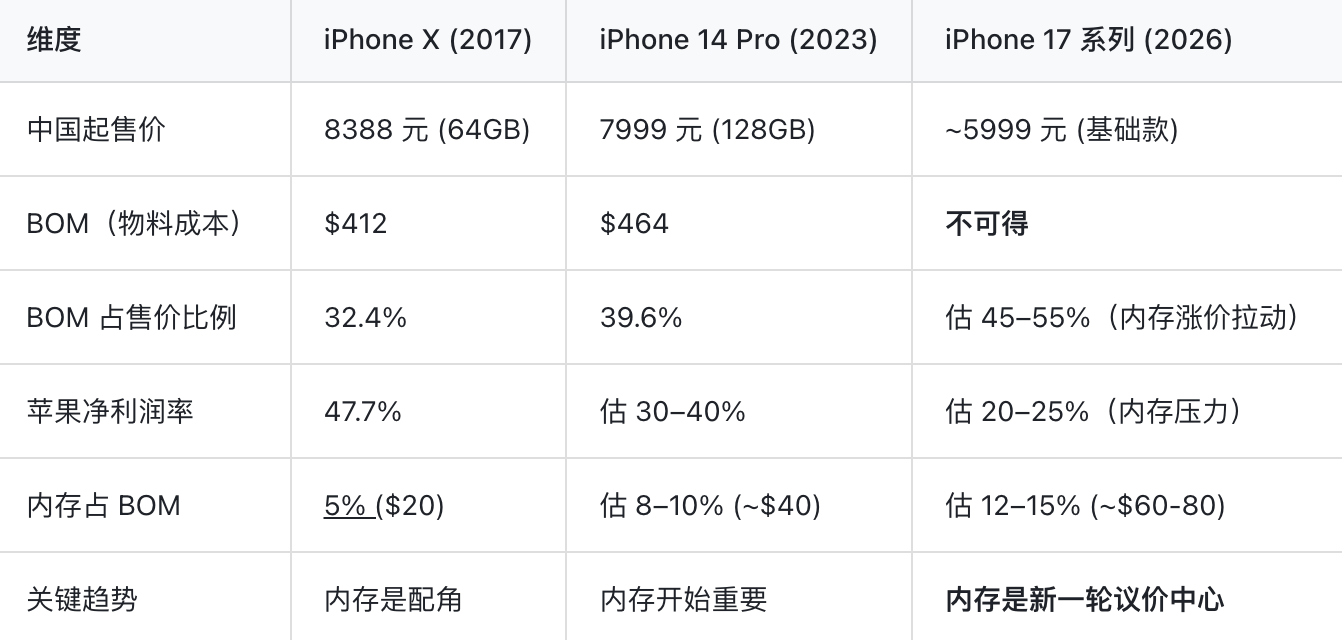
Memory's role in the iPhone has evolved through three phases: from 'leftover' to 'important component' to 'critical part'. During the iPhone X era (2017), memory cost accounted for only 1.6%–2.3% of the selling price (~$20–$28), while Apple's net margin neared 50%. By the iPhone 14 Pro (2023), the BOM cost had risen to ~$464 (~¥3,170), about 40% of the retail price, but Apple still kept a ~40% net margin. Camera and processor price hikes meant total profit for the 14 Pro was 3.7% lower than the 13 Pro.
For the iPhone 17 series (2025–2026), memory costs have doubled, hitting 12%–15% of BOM, or roughly $60–$80. TrendForce reported Q1 2026 DRAM contract prices surged 93%–98% quarter-over-quarter; Citi estimates 88% average price increase for DRAM in 2026. Memory is no longer a trivial expense—it now determines the entire device's profitability.
3. AI Demand Devours Consumer DRAM, Forcing Apple Price Hikes
The underlying driver of the memory boom is AI. Each AI server requires 8x the DRAM and 3x the NAND of a standard server. Samsung, SK Hynix, and Micron are shifting advanced capacity to high-margin HBM and high-end DDR5, while cutting consumer-grade DDR4 lines, creating a shortage of general-purpose DRAM. Micron's Q3 gross margin hit 84.6%, with revenue up 346% YoY to $41.46 billion. SK Hynix announced a U.S. listing aiming to raise ~$29 billion to further capitalize on memory demand.
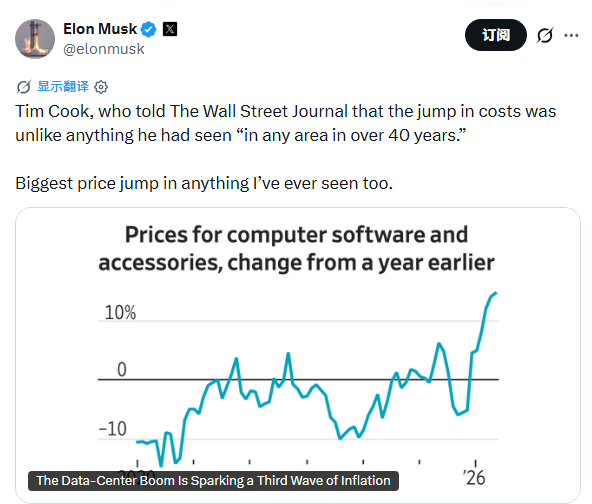
Tim Cook told the Wall Street Journal on June 17 that memory suppliers were passing on 'significant price pressure.' A week later, he changed his tone, calling it a 'once-in-a-century flood,' and announced across-the-board price increases for Mac, iPad, HomePod, Apple TV, and Vision Pro. The news sent Apple's stock down 6%, wiping out $263 billion in market cap—its largest drop since April 2025. Elon Musk echoed Cook's sentiment, calling it 'the most brutal price jump I've ever seen.'

4. Apple's Countermove: Courting CXMT to Break the Monopoly
Facing a cartel of three memory giants, Apple is actively lobbying the Trump administration for permission to buy DRAM from China's CXMT (ChangXin Memory Technologies). The memory market is turning into a classic 'big customer bullies supplier' vs. 'big supplier bullies customer' dilemma. CXMT is set to IPO next month, and its ability to replicate the wealth-creation story of SK Hynix or Micron will determine whether it can secure a permanent seat at the table. As AI demand continues to swell, the memory pie grows larger—and CXMT's answer is imminent.