
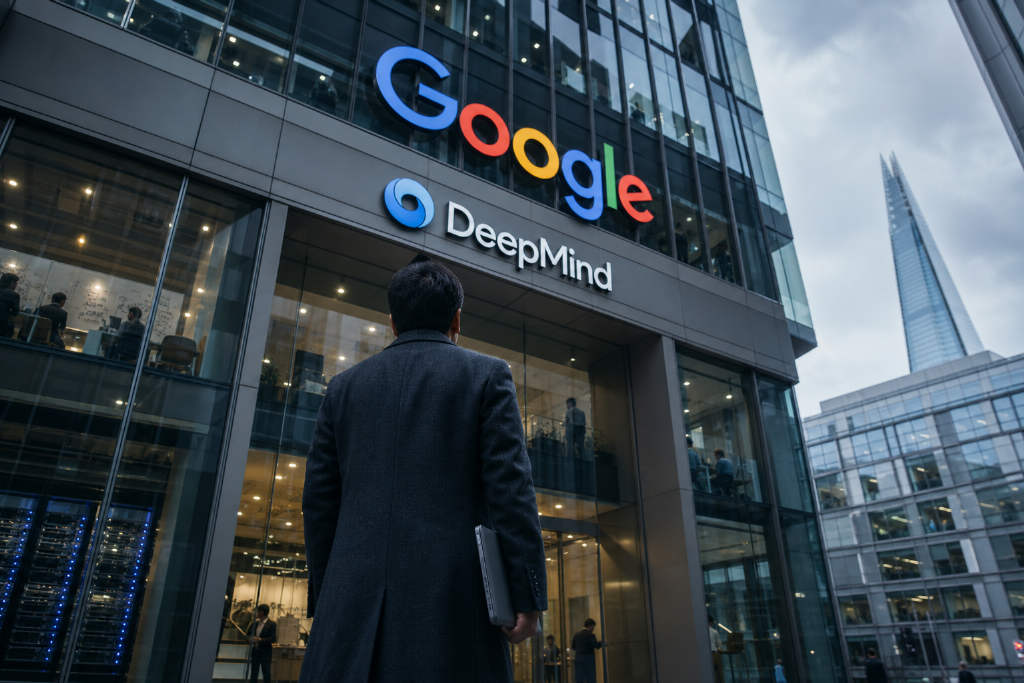
Barret Zoph has returned to Google and now serves as vice president of research at Google DeepMind, adding another turn to a career that has taken him through Google Brain, OpenAI, Thinking Machines Lab, and back again.
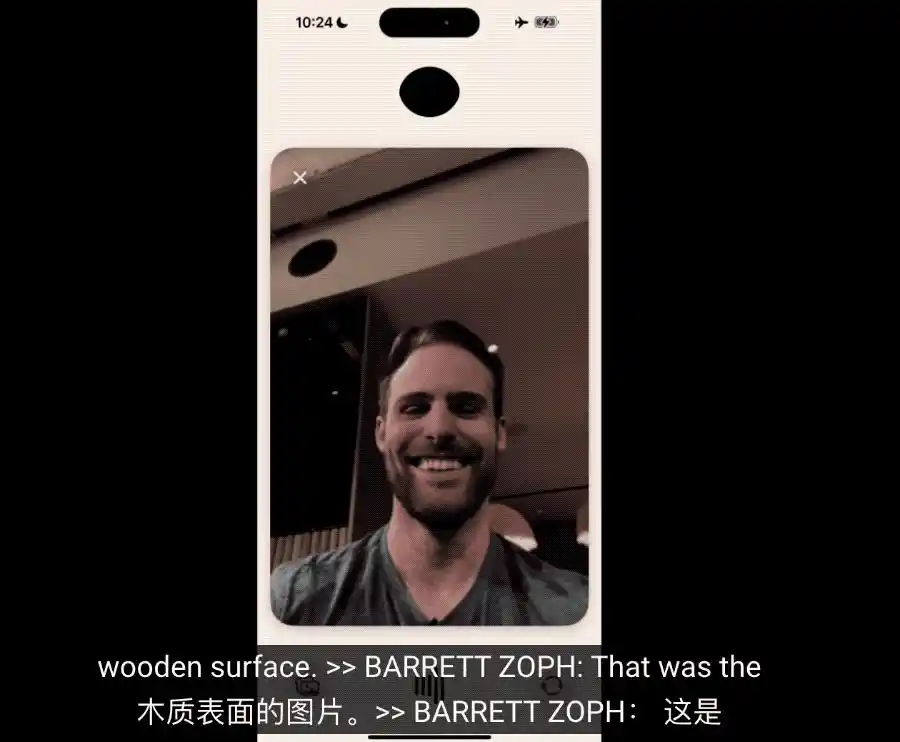
Zoph is also familiar to a broader audience. During the GPT-4o “Her” launch event, he was the person who first demonstrated ChatGPT’s video call feature to the public. In that demo, a latency issue led ChatGPT to refer to him as “a wooden table.”
From neural architecture search to post-training
Zoph’s path has been unusual by AI industry standards. He does not hold a PhD, yet he has served in top research and technical leadership roles, including vice president of research and CTO.
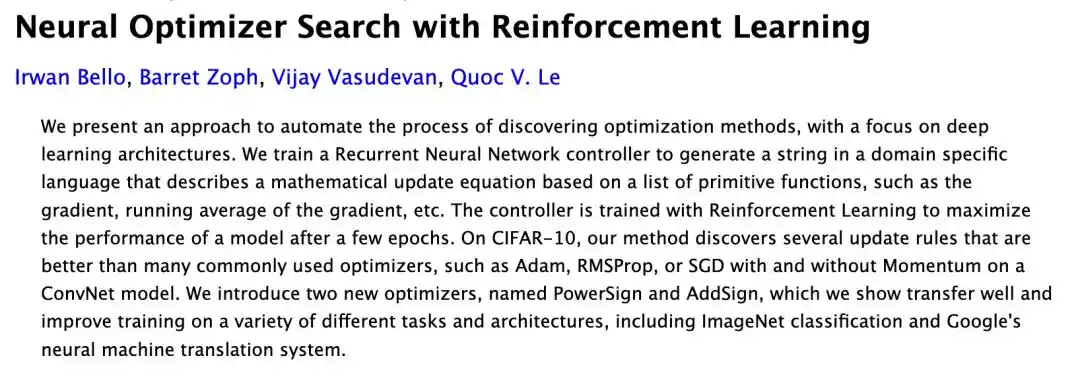
After graduating from the University of Southern California in 2016, he joined the Google Brain Residency program. There, he worked with Quoc Le on “Neural Architecture Search with Reinforcement Learning,” a paper described in the report as part of the work that helped open up the field of neural architecture search, or NAS.
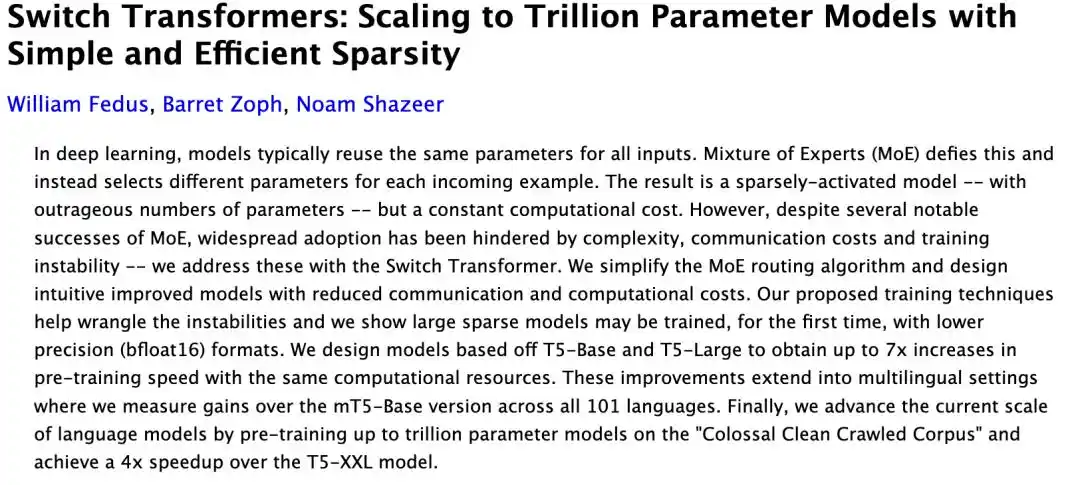
His later work went well beyond architecture search. In January 2021, Zoph co-authored Switch Transformer with William Fedus and Noam Shazeer. The article describes it as the first model to achieve stable training at the trillion-parameter scale, and says it later became a standard reference point for sparse Transformer design.
Zoph left Google for OpenAI in 2022 and quickly rose to vice president of research, focusing on reinforcement learning post-training. The report says that post-training covers model alignment, instruction following, tool use, and refinement of user-facing capabilities, making it a key stage in turning a base model into a usable product.
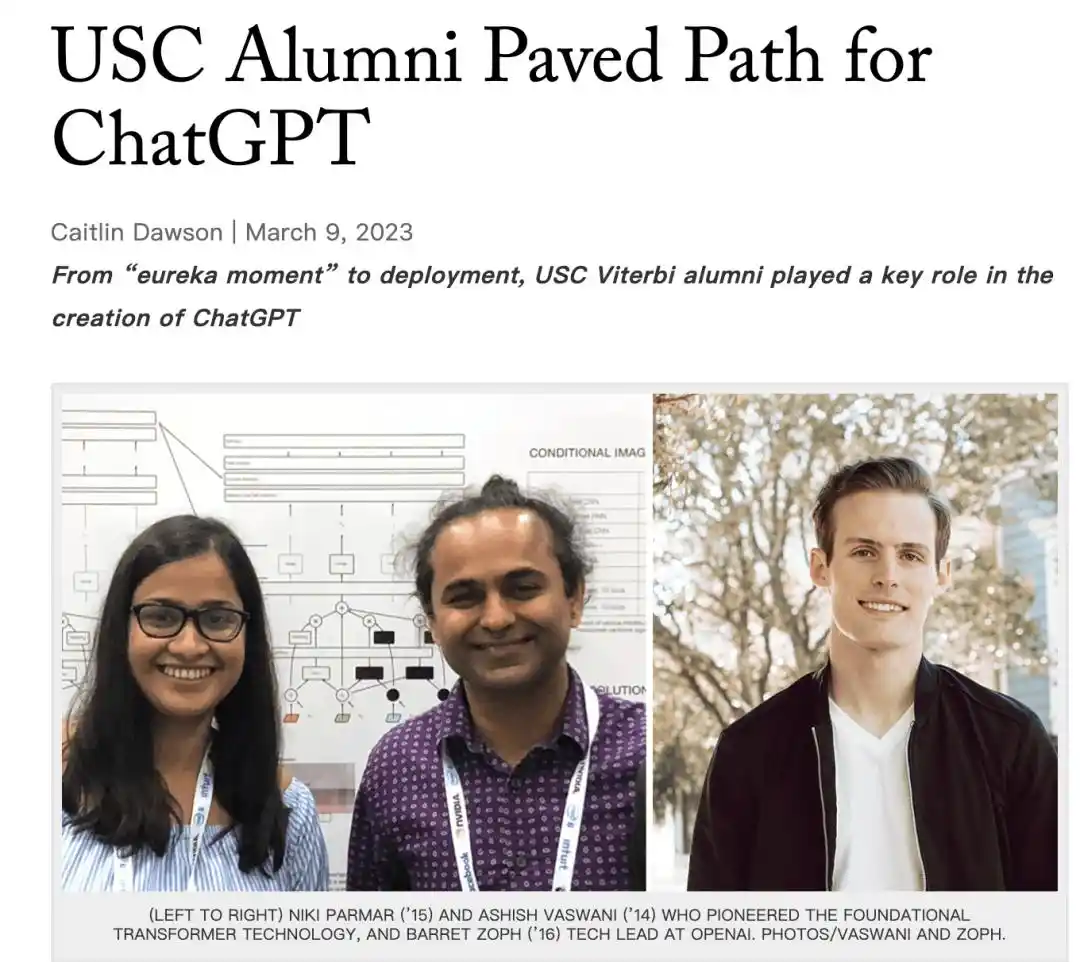
USC later listed him in official promotional material as one of the alumni who “paved the path for ChatGPT,” alongside two authors of the Transformer paper.
A short stint at Thinking Machines Lab and a return to OpenAI
Former OpenAI CTO Mira Murati left the company in October 2024. In early 2025, she co-founded Thinking Machines Lab with Zoph and six others. Zoph took the role of co-founder and CTO.
That arrangement did not last long. In January 2026, Zoph, fellow co-founder Luke Metz, and early employee Sam Schoenholz left Thinking Machines Lab at the same time and returned to OpenAI.
According to The Wall Street Journal, Murati later told staff that Zoph’s employment had been terminated over issues involving “performance, behavior, and trust.” The report also said that while at the company, Zoph had an undisclosed relationship with an employee and that his responsibilities were later reduced.
Zoph offered a different account. He said that before he was fired, he, Metz, and Schoenholz had met Murati in person and asked that Zoph be given authority over all technical decision-making. He also said Murati announced his dismissal only after learning that he planned to leave, and that the reduction in his responsibilities was temporary.
When he returned to OpenAI, his remit had changed. Rather than leading technical research, he was assigned to help drive enterprise adoption of the Codex coding product.
Back to Google during a period of upheaval at DeepMind
Months later, Zoph left OpenAI again and rejoined Google, where he returned to work on reinforcement learning and post-training research.
The timing stands out. Google DeepMind is in what the article describes as its biggest personnel shake-up in the past three years. In early August, founder Demis Hassabis stepped away from day-to-day management and became chairman of Google DeepMind and chief scientist at Alphabet.
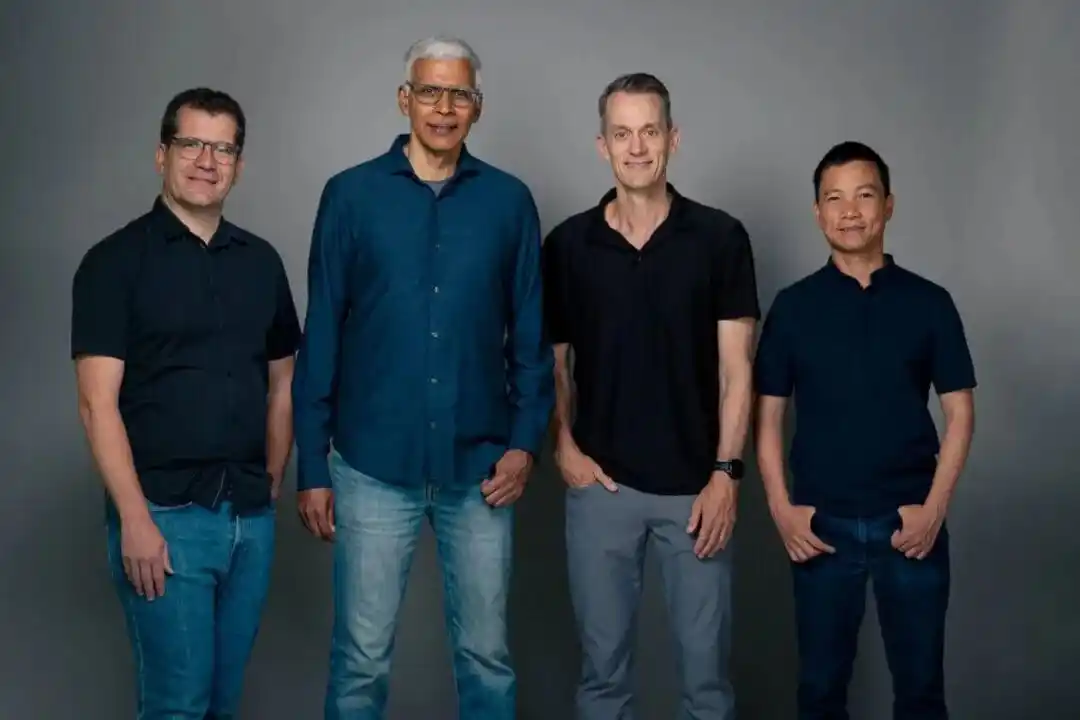
On the same day, Jeff Dean, who had spent 27 years at Google, announced his departure. He went on to found AI research company Discovery Loop with longtime colleagues Sanjay Ghemawat and Oriol Vinyals, as well as Quoc Le, who had worked with Zoph on early NAS research.
Earlier, in June, Gemini co-lead and Transformer author Noam Shazeer left Google for OpenAI. John Jumper, who received the 2024 Nobel Prize in Chemistry for AlphaFold work, moved to Anthropic.
DeepMind’s talent ratios have weakened
Data from intelligence firm Zeki Data points to a broader shift. The inflow-to-outflow ratio for DeepMind’s research and senior engineering talent fell from about 12:1 in the second quarter of 2023 to about 2:1 in the third quarter of 2026. Put differently, for every two people hired, one left.
For comparison, the same ratio was 22:1 at Anthropic and 5.7:1 at OpenAI over the same period.
Among those leaving DeepMind, around 25% went to Anthropic, 21% moved to Meta, and 14% joined OpenAI.
DeepMind’s internal structure is shifting as well. An all-hands meeting on Aug. 6 disclosed that some teams would move from DeepMind into Google’s broader corporate structure, with Kavukcuoglu taking over day-to-day operations for Gemini model development and frontier research as senior vice president.
Why top researchers are moving
The article argues that this kind of transfer cycle, one that looks more like professional sports than traditional recruiting, is mostly limited to senior research leaders who have directly run large-scale frontier model training and post-training systems. Their numbers are extremely small.
According to Fortune, which interviewed multiple current and former DeepMind employees, the reasons behind departures include aggressive compensation packages from rivals, dissatisfaction with Google’s position in the AI race, weak internal morale, and the appeal of pre-IPO equity at OpenAI and Anthropic.
As Google ties DeepMind more closely to the commercialization of Gemini, some researchers believe open-ended, long-horizon scientific exploration is being squeezed. The report says that was one of DeepMind’s core draws for academic talent in its earlier years.
The reference links cited in the source include a post by Barret Zoph on X and a March 2023 alumni article published by the USC Viterbi School of Engineering. The original Chinese article was published by Quantum Position and written by Meng Chen.