
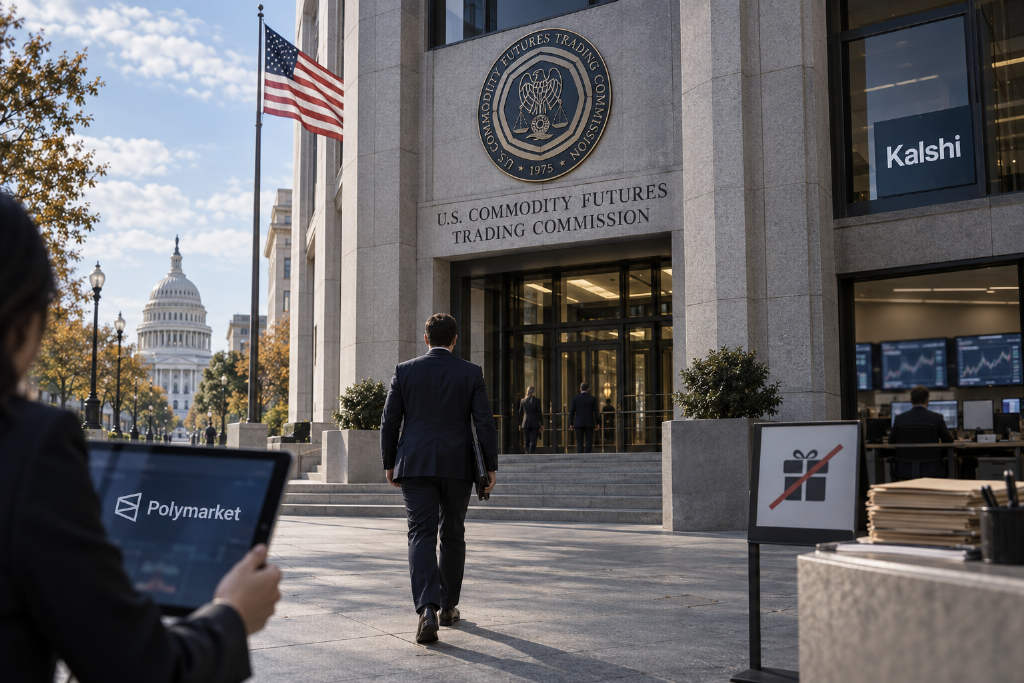
The U.S. Commodity Futures Trading Commission, or CFTC, is scrutinizing the incentive structures used by prediction market platforms, putting user trading rewards under fresh pressure.

A Sept. 29 report by foreign media said the regulator is investigating reward programs at prediction markets over concerns that some platforms may be using misleading marketing or promotional tactics to attract traders. One source said the outcome could range from targeted reviews of prediction market firms to direct enforcement investigations. The same report said CFTC Chairman Michael Selig had not settled on a specific route, but some kind of action was expected before the end of that week.
Against that backdrop, Kalshi has ended its volume incentive program. The report said Polymarket and other prediction markets that depend on rewards to sustain liquidity depth and user growth could also become key targets for the agency. The cited reason for the coming CFTC action was that the regulator believed prediction market companies had not taken seriously the compliance advisory it issued in August.
CFTC had already warned about incentive structures in August
On Aug. 12, the CFTC released an advisory on prediction market reward programs that focused on filings tied to market making, liquidity, trading and incentive arrangements.
In that document, the agency said prediction market companies were trying to encourage heavy traders and also encourage firms to act as market makers in order to broaden participation and increase trading volumes. It warned that such programs could raise compliance issues.
Beyond registration-related trading rebates and promises of "guaranteed profits," the CFTC said some reward programs aimed at high-volume participants could increase the risk of wash trading. It also warned that market-maker incentive plans could contribute to fraud and market manipulation.
For platforms such as Polymarket, these practices are not peripheral. The report said posted-liquidity incentives, holding rewards, new-user subsidies and referral rewards are core tools for building market depth and attracting users. In some cases, especially where a platform wants stronger liquidity in contracts tied to areas such as sports events, project operators may even sign private agreements with market makers.
In a highly competitive market, platforms are reluctant to give up those tools on their own. If they stop, liquidity depth and user experience may weaken, followed by user attrition.
It is still unclear which companies will be affected by the CFTC's next move. But platforms operating in the U.S., including Kalshi and Polymarket, are offering incentive measures that may draw regulatory attention.
Polymarket's incentive spending stands out
The report suggested that Polymarket may become one of the CFTC's main areas of focus.
According to polyscalping data cited in the article, Polymarket has generated $229 million in trading fees since it began charging fees in January 2026. Over the same period, it has distributed $128 million in incentives, equal to 54.3% of those fees.
Polymarket is described as one of the most liquid prediction markets in the sector, but maintaining that depth comes at a high cost.
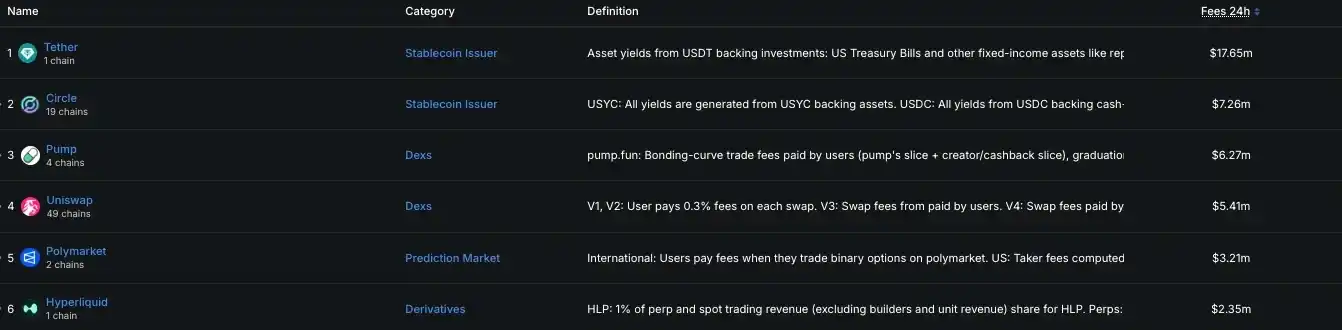
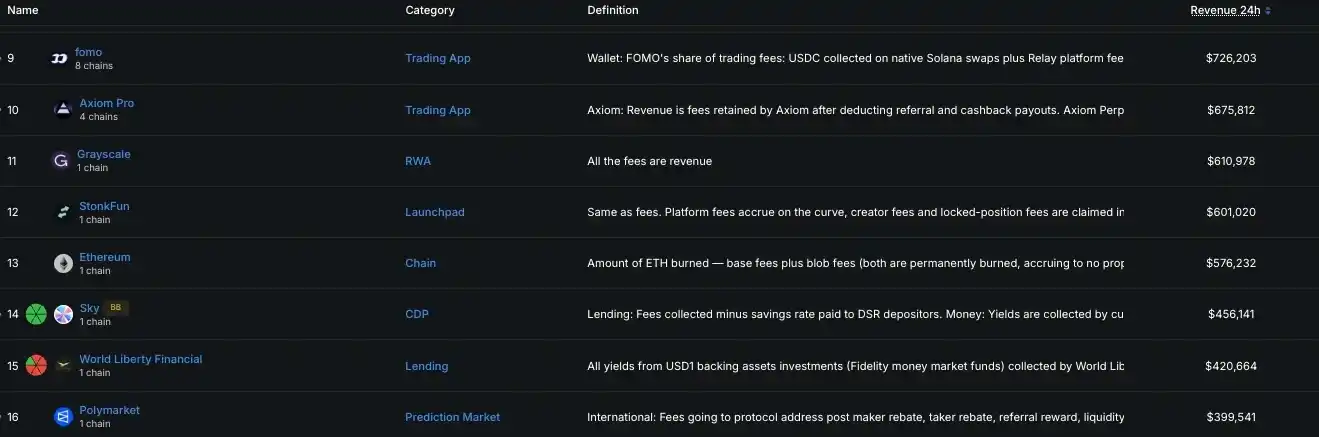
Data from DeFiLlama cited in the report showed Polymarket ranked fifth across blockchains in 24-hour fees at $3.21 million, about $1 million above sixth-ranked Hyperliquid. Yet its 24-hour revenue was only about $400,000, placing it 16th. On the article's accounting, that left roughly $2.8 million paid out in various forms to traders and market makers.
The platform's reward system currently runs through five main channels:
- LP rewards
- maker rebates
- taker rebates
- holding rewards
- referrals
LP rewards began in November 2023, with the article noting that Polymarket was not yet charging fees at that time. Holding rewards started in July 2025 and mainly took the form of annualized yield on pUSD holdings. Maker rebates, taker rebates and referrals were all introduced in 2026.
The report said the five categories together have distributed about $128 million.
On top of its regular programs, Polymarket also launches extra incentives during special events and sports periods to draw in traders and market makers.
In May 2026, after opening Perps trading, Polymarket rolled out a Perps liquidity rewards program to build depth quickly. The budget was fixed at $75,000 per day and allocated across active perpetual markets. At that pace, annualized spending for that program alone would reach $27 million.
The article gave additional examples. During the crypto TWAP transition period in August 2026, Polymarket provided an extra $1 million in liquidity incentives. During the World Cup and other high-interest events, it also increased event-specific rewards. In the Polymarket U.S. sports March Madness promotion, liquidity rewards for a single event reached $100,000.

User growth and incentives lined up on the timeline
The spending was presented not only as a liquidity tool, but also as a contributor to user growth.
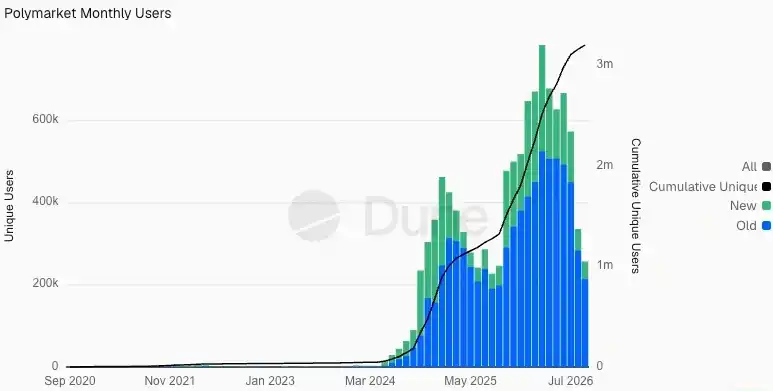
According to Dune data cited by the report, Polymarket's new-user growth accelerated in the first months of 2026, and the timing largely matched the rollout of several reward programs.
In January 2026, Polymarket recorded 233,000 monthly new users. That was its first month above 200,000 since January 2025, the month Donald Trump was elected president, and it coincided with the launch of the maker rebate program.
In March 2026, monthly new users hit a record 259,000, a point in time that also matched the rollout of the referral rewards plan.
The report also said the jump in new users could not be explained by incentives alone. A more mature regulatory environment, expanded advertising and marketing, and outside catalysts such as the World Cup may also have played roles. Even so, it argued that the timing overlap between reward launches and user growth was strong.
Kalshi moved first, but Polymarket may find it harder to step back
As the regulatory picture tightened, Kalshi made the first visible adjustment.
On Sept. 28, Kalshi filed with the CFTC to move the end date of its volume incentive program from Oct. 1, 2027 to Oct. 13, 2026. The filing did not state a reason for the decision.
The article said users had already noticed unusual activity in ETH perpetual trading on Kalshi in mid-to-late September. Over several consecutive days, repeated trades at $5,500 accounted for 50% of ETH perpetual notional volume. The report linked that pattern to a type of sham trading behavior the CFTC had specifically highlighted in its August document on prediction markets.
Based on that timeline, the article argued that Kalshi's abrupt decision to wind down the volume incentive program may have been aimed at avoiding regulatory attention, though the filing itself did not provide an explanation.
Polymarket, by contrast, may not be able to stop as quickly. The report said incentive programs are deeply embedded in its liquidity model and user growth system. A sharp cut or sudden halt could trigger liquidity retreat, thinner quotes from market makers, wider spreads in popular markets, and insufficient counterparties in long-tail contracts.
How exposed Polymarket becomes may depend heavily on how the CFTC interprets reward-driven trading on prediction markets. If the regulator decides that trades executed in order to capture rewards should be treated as non-genuine trading, the platform could face renewed pressure over wash trading and fraudulent trading, on top of the insider-trading scrutiny mentioned in the article.