
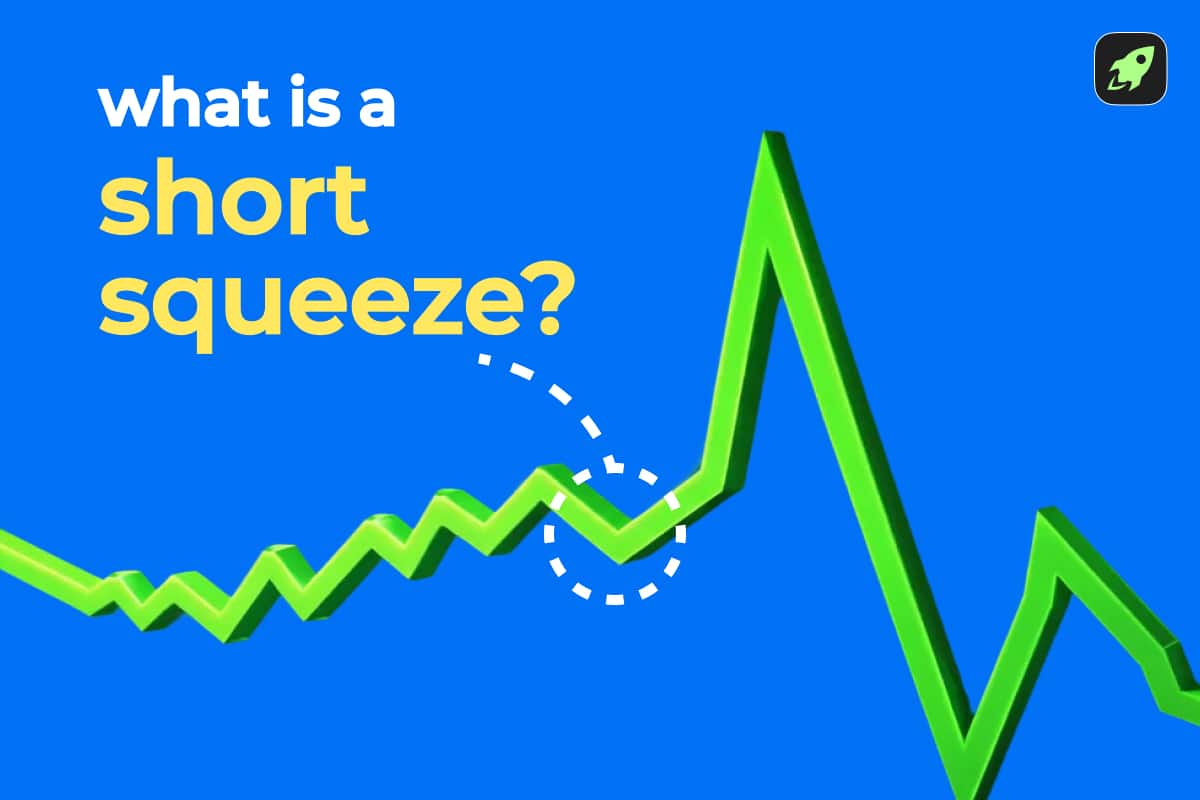
In early January 2026, the crypto market saw a textbook short squeeze. Data shows roughly $415 million in forced liquidations within 24 hours as Bitcoin’s price surged, squeezing out numerous short positions. Just days later, on January 3, global crypto futures markets recorded another liquidation cascade of about $250 million, mostly from shorts exiting at elevated prices. These events didn’t happen in a vacuum—they resulted from high leverage, crowded derivatives bets, and a price feedback loop.
How a Short Squeeze Works
A short squeeze differs from normal price increases. Normal rallies come from better fundamentals or real demand; a squeeze is driven by forced buying from short sellers. When a large number of traders short the same asset, any upward price move causes their losses to mount. Exchanges issue margin calls. Those who can’t add collateral must buy back the asset, pushing the price even higher. The process follows six stages: high short interest builds up → a catalyst triggers a price move → margin calls force action → short covering creates buying pressure → the feedback loop accelerates → the squeeze peaks and collapses.
Key Conditions and Warning Signs
Squeezes don’t happen randomly. They typically emerge when short interest is elevated, funding rates are negative, and liquidity is thin. In early 2026, Bitcoin and Ethereum both showed extreme derivatives positioning. Any positive catalyst—like a large buy order or favorable news—can ignite a squeeze. Traders can spot potential squeezes by monitoring open interest, funding rates, and sudden volume spikes. The key is to watch for building pressure before price accelerates.
Risks and How to Avoid Getting Burned
Trading into a short squeeze carries high risk. Prices move fast in both directions, and late entrants often suffer heavy losses after the squeeze fades. Discipline is critical: limit leverage, don’t chase rallies, and rely on data over hype. Most damage happens when traders react too late or follow FOMO. The safest approach is to stay out during extreme price action and wait for the market to normalize. Understanding the mechanics helps traders avoid being the fuel that keeps a squeeze burning.