
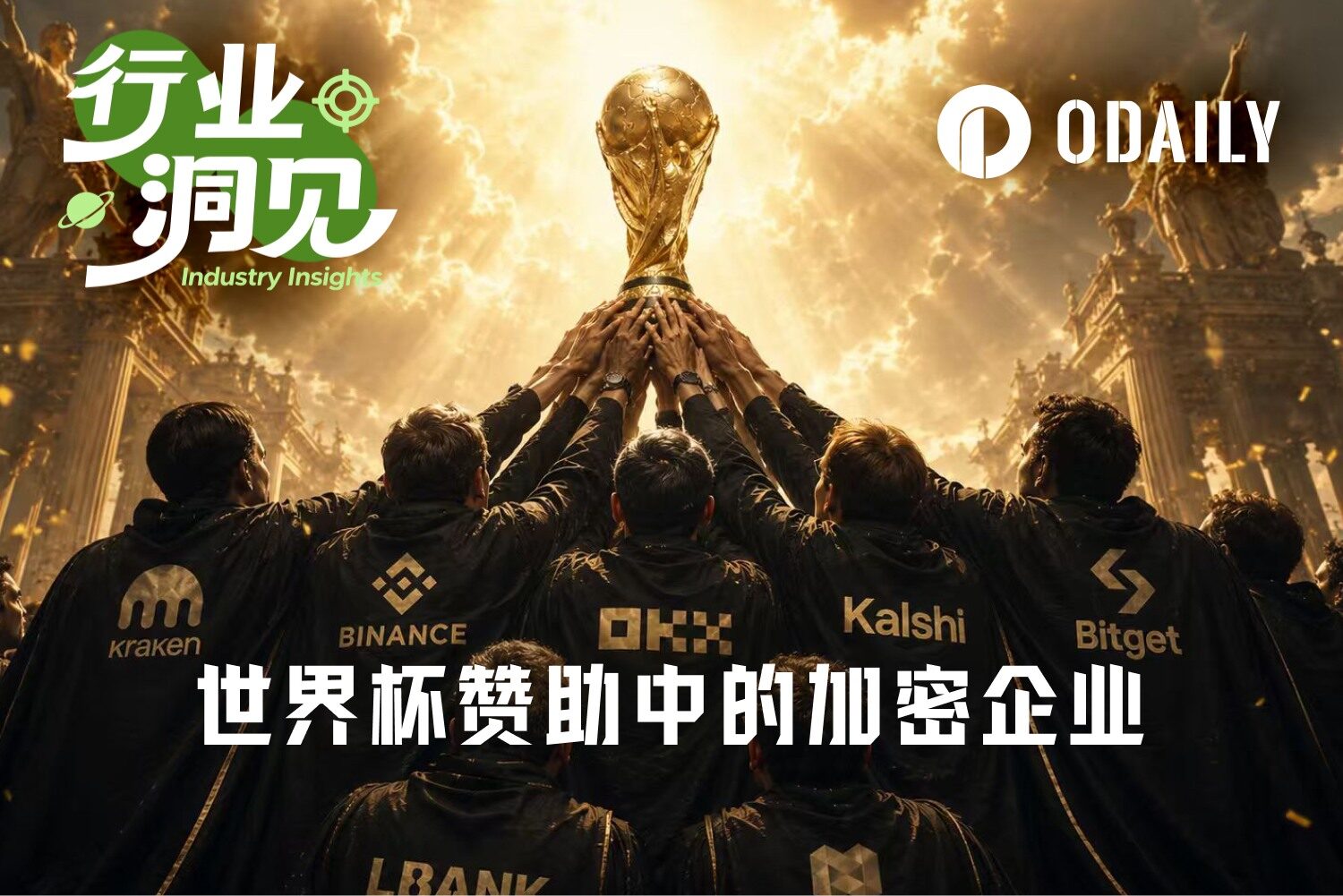
The World Cup is still premium attention inventory, but official crypto sponsorship has faded
The World Cup remains one of the rarest large-scale advertising stages in global business. According to the figures cited in the original report, FIFA is expected to generate a record $2.5 billion to $3 billion from marketing and sponsorship contracts in this tournament alone, compared with $1.8 billion in sponsorship revenue for the 2022 World Cup. For brands with cross-border operations, few events can match the World Cup’s ability to concentrate the attention of global consumers on the same screen at the same time.
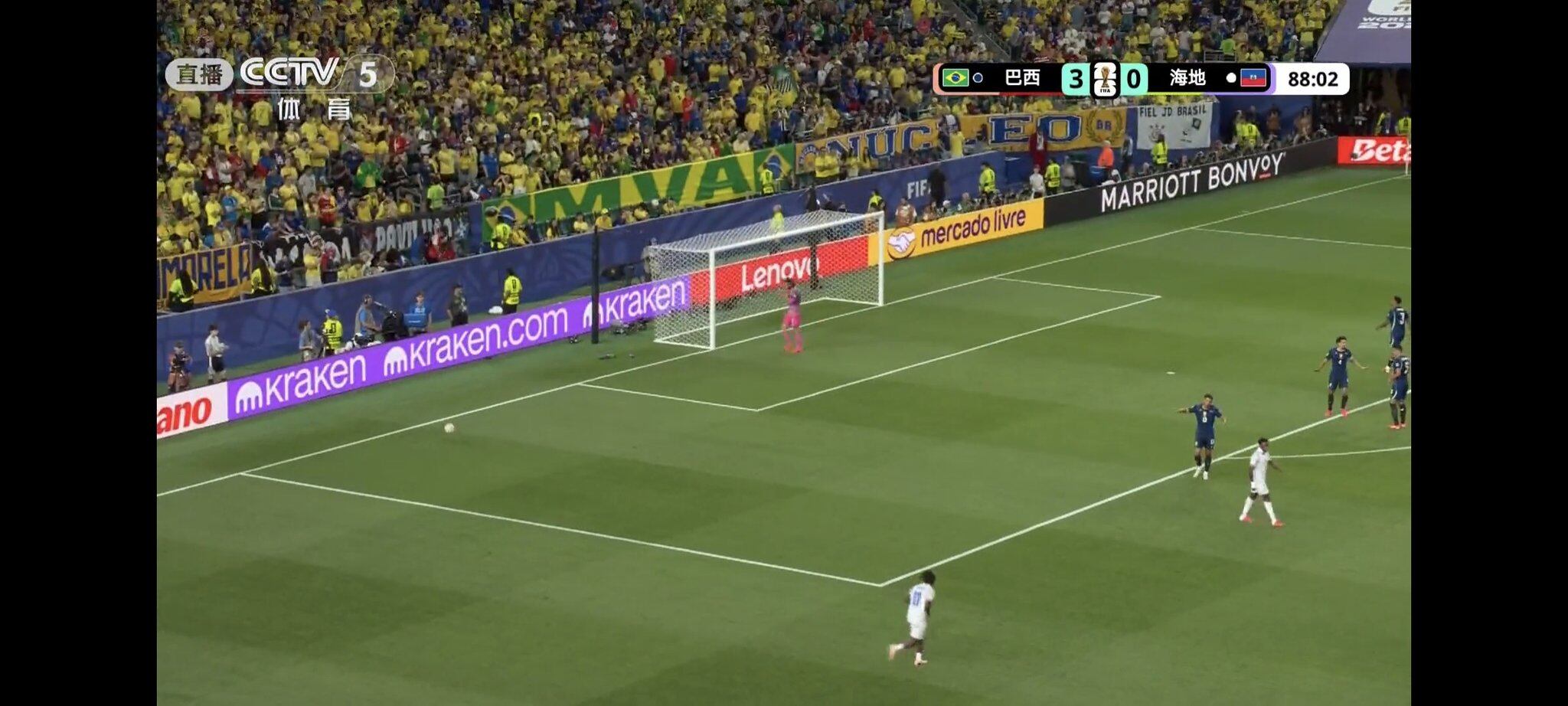
That makes the relative absence of crypto from FIFA’s official sponsorship system especially notable. FIFA’s sponsorship structure is divided into three levels. The top tier consists of long-term partners such as Lenovo, Coca-Cola, and Visa. The second tier includes global sponsors dedicated to the 2026 World Cup, including Hisense, McDonald’s, and Mengniu. The third tier covers regional and event suppliers such as Airbnb and American Airlines. Within crypto, only Kraken entered FIFA’s official structure this year, serving as the official crypto exchange sponsor for North America and Europe. Its category falls into the third-tier event supplier bracket.
Kraken’s rights reportedly include not only sideline visibility around the pitch but also fan engagement activity across 16 host cities. That is a meaningful presence, but it is far smaller than what the industry pursued in the previous cycle. In 2022, Crypto.com secured a second-tier sponsorship and became the only crypto trading platform inside the World Cup sponsor lineup, while Algorand was named FIFA’s official blockchain platform. Relative to that benchmark, crypto’s official footprint in the current tournament looks much lighter.
Still, the retreat is not best understood as a disappearance. It is a reallocation. The economics of FIFA sponsorship have become hard to justify for many crypto firms. Second-tier sponsorship agreements are estimated at roughly $65 million to $95 million, while top-tier partner packages are even more expensive. For that level of spend, a company can often buy premium club assets, national team inventory, or athlete access that may reach World Cup audiences with equal or better efficiency.
OKX prioritized Manchester City and Erling Haaland over FIFA’s official ladder
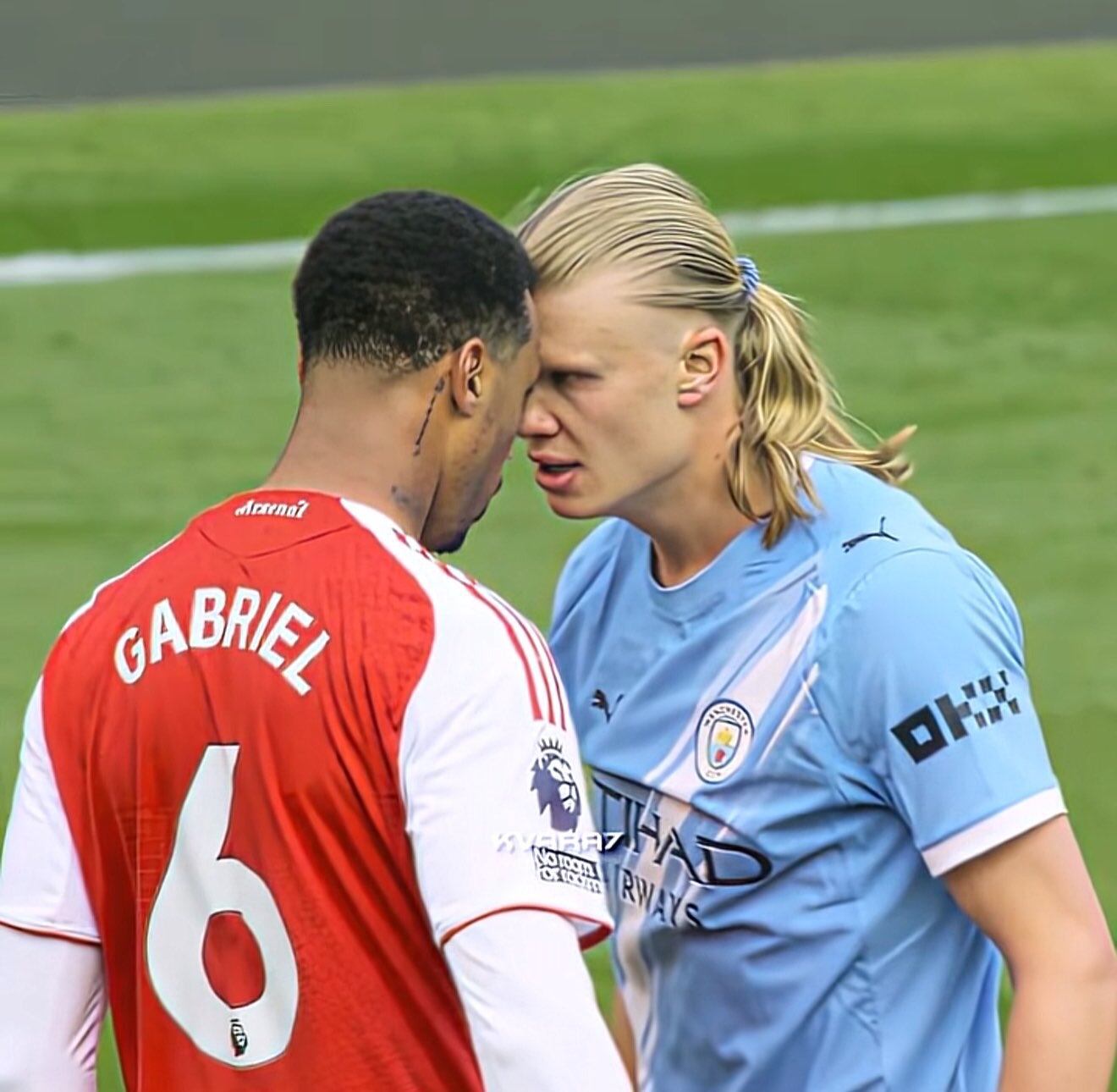
The clearest example of this strategic shift is OKX. Rather than paying up for an official FIFA relationship, OKX concentrated its football budget on Manchester City, one of the strongest club brands in the sport, and aligned itself with Erling Haaland, one of the most commercially powerful player personalities in global football.
OKX’s partnership with Manchester City began in March 2022. It has since grown into one of the club’s core commercial relationships. OKX now occupies the sleeve branding position on the first-team shirts for both the men’s and women’s teams. The report notes that OKX paid Manchester City more than $70 million over a three-year term. Before that upgrade, OKX branding had appeared on the training kits of the club’s senior men’s and women’s teams. Compared with the price of a FIFA package, that kind of club deal offers constant, season-long visibility rather than a short tournament window.
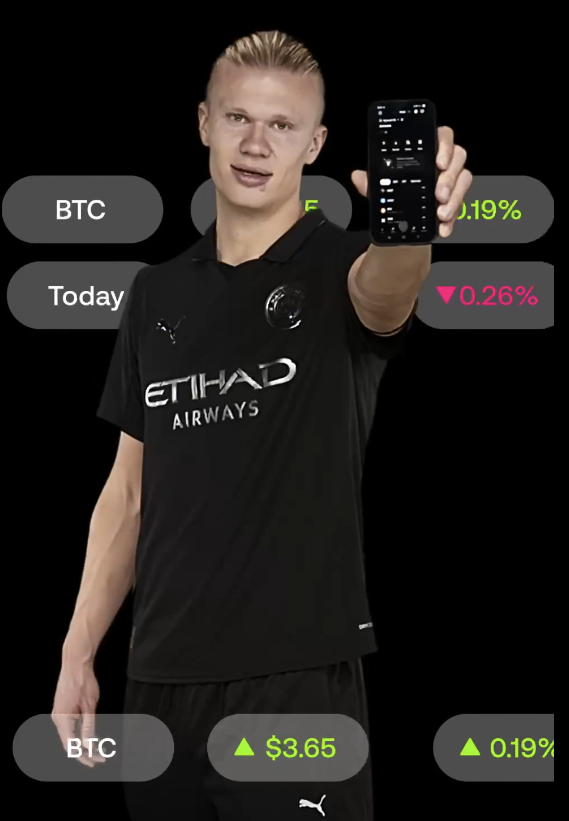
OKX also appears to understand that football sponsorship today is not only about in-stadium impressions. It is about social amplification. Haaland, as both a Manchester City star and a globally recognized football icon, gives the brand access to a second layer of distribution beyond match broadcasts. According to the article, Haaland frequently appears in OKX’s official marketing materials and global advertisements, including campaigns tied to the OKX Web3 wallet and its trading product lines. In effect, the company is buying not just a badge on a sleeve, but recurring access to one of football’s most valuable media personalities.
That distinction matters. An official FIFA deal offers legitimacy and broad tournament association, but it can also be generic and expensive. A club-and-player strategy, by contrast, lets a sponsor attach itself to fan communities that are highly engaged year-round. For a crypto platform focused on measurable returns, that kind of audience specificity can be more useful than a costly umbrella relationship with the tournament organizer.
Binance with Cristiano Ronaldo, Bitget with Lionel Messi
Binance chose a different route from OKX. Instead of reaching star power indirectly through a club, it moved directly to a personal endorsement agreement with Cristiano Ronaldo. The cooperation began in mid-2022 as a long-term exclusive partnership. Binance acquired image rights, brand ambassador exposure, and promotional support across social channels. It also built NFT-linked campaigns around the relationship, most notably the CR7 NFT collection launched in November 2022, which used seven animated Ronaldo figures with different rarity tiers.
That campaign later created legal risk for the player. In late 2023, U.S. investors filed a class-action lawsuit against Ronaldo seeking $1 billion in damages, alleging that his promotion of Binance NFTs misled investors. As stated in the source material, the case has not yet reached a meaningful outcome. Even so, the commercial relationship itself has not been interrupted. Ronaldo continues to appear in Binance’s global advertising and promotional videos, and he was still seen wearing a Binance T-shirt in media appearances ahead of this World Cup.
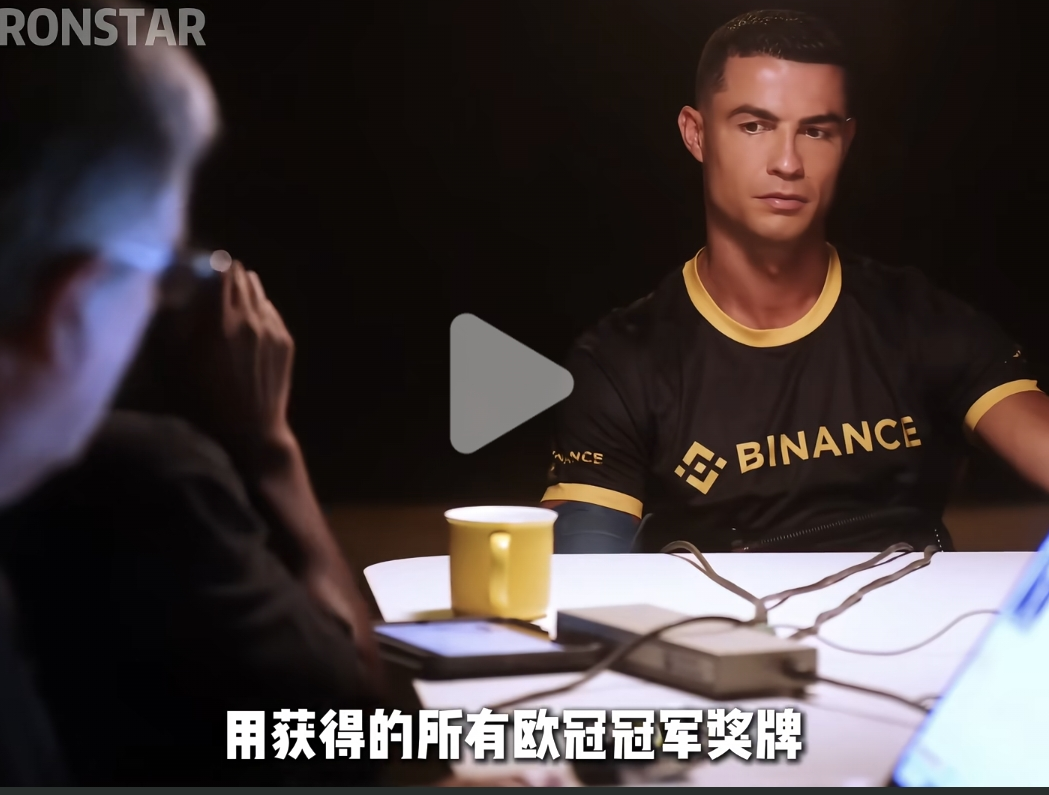
Even with that visibility, Binance has not made many major new moves in football sponsorship in recent years. On the national team side, Binance had signed a five-year deal with the Argentine Football Association in 2022, reportedly worth around $8 million per year, but the contract was terminated by Binance on July 17, 2023 due to disputes related to product delivery. That breakdown may help explain why Binance has been more cautious about further football expansion since then.
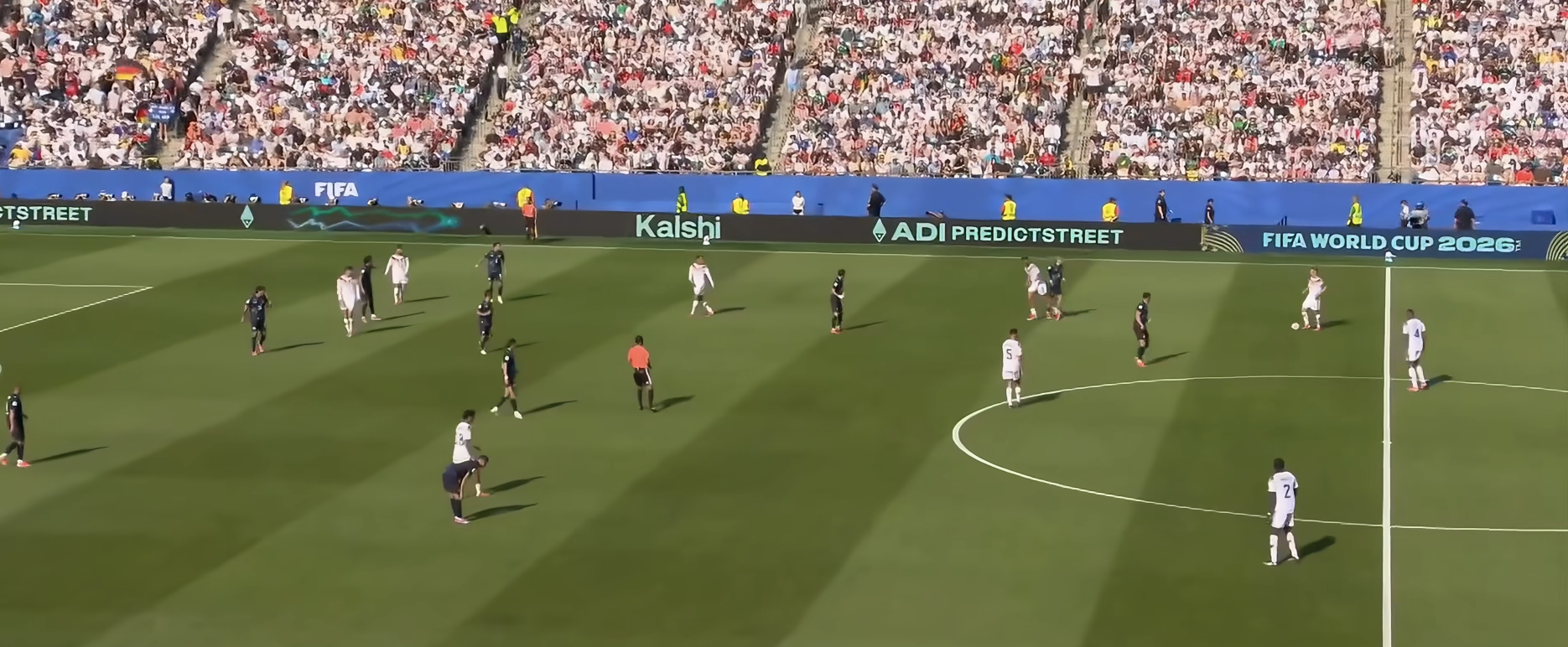
Bitget, meanwhile, followed a similarly direct celebrity strategy by partnering with Lionel Messi. In 2022, Bitget announced Messi as a global brand ambassador and integrated his iconic number 10 identity into campaigns promoting its copy trading products. Because Messi went on to lead Argentina to the 2022 World Cup title, the partnership became one of Bitget’s most successful branding stories. The relationship is still active today, and Messi continues to appear in Bitget advertising and brand films. The trade-off, however, is structural: unlike a club shirt sponsorship, a personal endorsement does not put the sponsor’s logo on the field during official match broadcasts.
Argentina’s football association has become a magnet for crypto partnerships
If Binance stepped back from Argentina, many others moved in. The Argentine Football Association has emerged as one of the most active national football bodies in the crypto sponsorship market. For exchanges and digital asset platforms seeking user acquisition and deposit conversion through football traffic, Argentina offers a uniquely attractive asset: a national team with elite competitive status and huge global fan appeal.
The article lists multiple examples. Nexo signed a multi-year agreement with the Argentine Football Association on April 14, 2026, becoming its official digital asset partner for South America and Latin America. BTCC signed a multi-year agreement on April 2, 2026 and became an official regional partner. XBO.com signed a one-year agreement in 2025 as an official global sponsor for that year, focusing on the 2025 competition schedule and the 2026 World Cup preparation period.
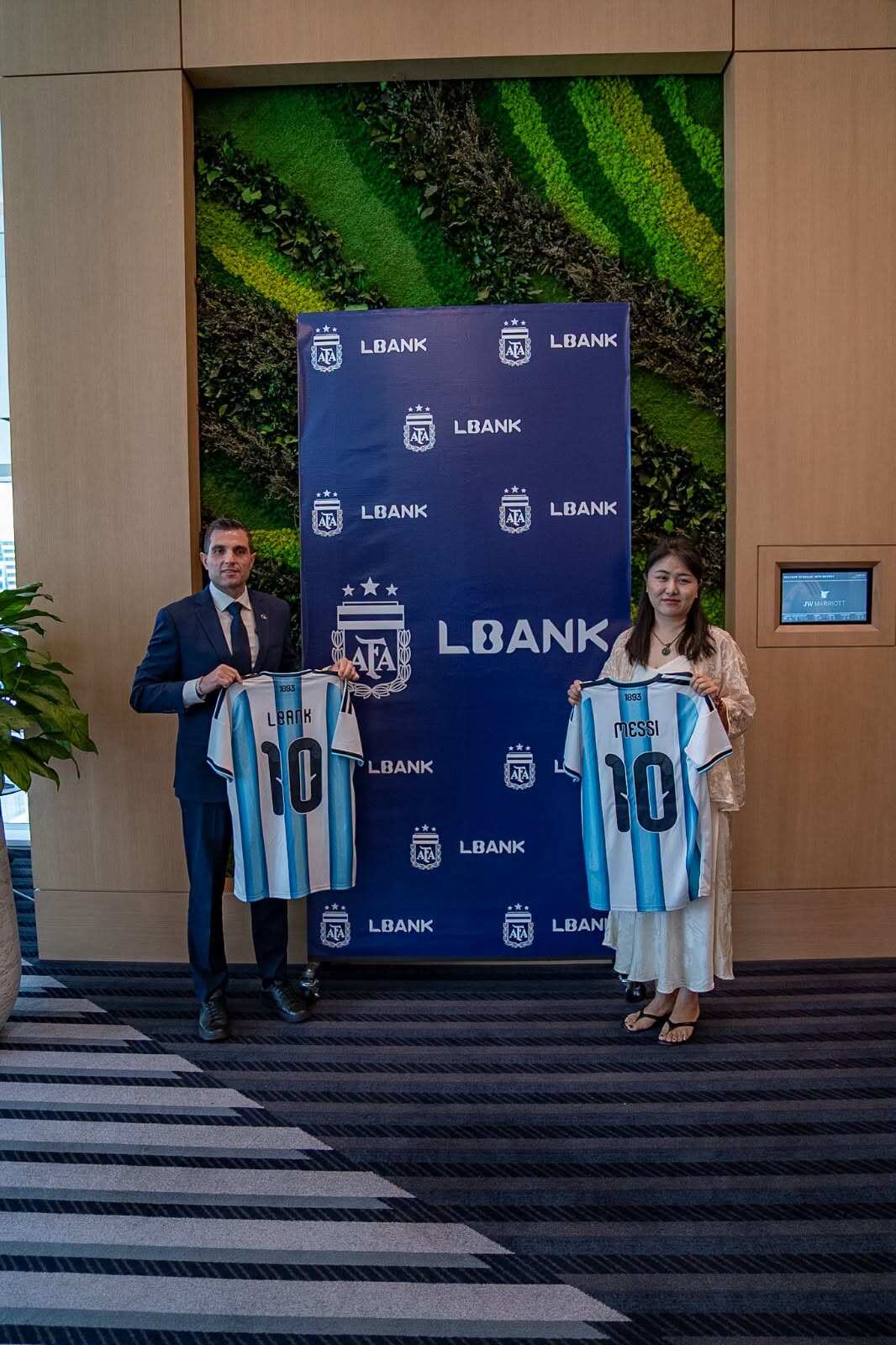
Additional deals show how broad the strategy has become. Deepcoin signed a multi-year agreement in March 2026 as an official regional sponsor covering markets including Vietnam and Taiwan in Asia. ATFX signed its own multi-year regional sponsorship in January 2026. Together, these partnerships suggest that national associations can function as an efficient middle ground between ultra-expensive FIFA inventory and single-player endorsements. They offer tournament adjacency, iconic branding, and market-specific activation options without the same headline-level cost structure.
Kalshi’s workaround: shared sideline visibility for a fraction of FIFA’s reported ask
One of the most interesting marketing stories from the tournament is Kalshi. Viewers noticed Kalshi branding on perimeter boards around the pitch, an unusually visible placement for a prediction market platform. World Cup traffic is naturally valuable for prediction products, but Kalshi stood out because it was the only name in its category with obvious match-side exposure. Yet Kalshi was not actually part of FIFA’s official sponsorship system.
According to the report, Kalshi rejected a FIFA sponsorship offer of roughly $150 million. Instead, it pursued an indirect path through ADI PredictStreet, which became FIFA’s only official World Cup prediction market partner on April 2, 2026. On June 26, Kalshi announced a strategic brand and product partnership with ADI Predictstreet. The arrangement centered on the knockout phase, during which the two brands would share advertising inventory and conduct joint branding across stadiums, television, and online channels.
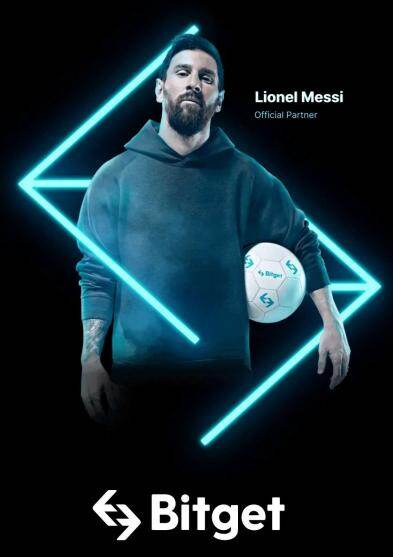
That structure explains how Kalshi appeared on sideline boards despite lacking a direct FIFA deal. The article further states that Kalshi paid ADI Predictstreet about $20 million to secure co-display of its logo during match coverage. Relative to the reported $150 million direct sponsorship price, the economics are striking. Kalshi achieved a visible World Cup presence with far less capital while preserving tactical flexibility. In practical terms, it bought access to the same attention stream without paying for the full official package.
This matters because it illustrates a broader adjustment in crypto marketing behavior. Rather than paying for formal status, some firms are increasingly willing to assemble exposure through partnerships, media arbitrage, and asset sharing. In a market that now scrutinizes customer acquisition cost and conversion much more closely, these workaround structures can look significantly more rational than traditional top-down sponsorships.
Why crypto firms are now optimizing for ROI instead of official status
The common thread across these cases is not an exit from football. It is a reassessment of value. During the 2021 to 2022 cycle, the crypto industry was operating under very different market conditions. Bitcoin had reached its all-time high in November 2021, capital was abundant, and the “mass adoption” narrative was still strong enough to support outsized branding budgets. In that environment, spending heavily on marquee sports sponsorships was easier to justify.
By 2026, the picture is different. The article frames both market sentiment and industry confidence as much weaker than they were in the previous cycle. That macro shift has made return on investment a far stricter requirement. In practical terms, firms now have to ask not only whether a sponsorship looks prestigious, but whether it drives measurable user growth, product engagement, and business value.
The report also references comments made in April by Bybit CEO Ben when explaining why the company chose not to renew its Red Bull F1 sponsorship. He said the business value of F1 sponsorship had declined over time while the cost of activating the full set of rights kept rising. Maintaining the execution team alone could exceed the sponsorship fee itself. He also noted that guest invitation lists had become increasingly fixed and socially complicated, to the point where not inviting certain people could create commercial friction. Those observations help explain why some high-profile crypto firms have become disillusioned with major international sports properties.
The same logic can be applied to the World Cup. For a crypto company operating in a more demanding market, spending nine figures for an “official partner” title may no longer be the obvious choice. A champion club, a globally famous player, a national federation, or even a carefully structured co-branding arrangement around sideline inventory may now produce better economics. The World Cup remains the world’s premier traffic event. Crypto has not left it behind. But its sponsorship strategy has become more selective, more fragmented, and much more ROI-driven.