
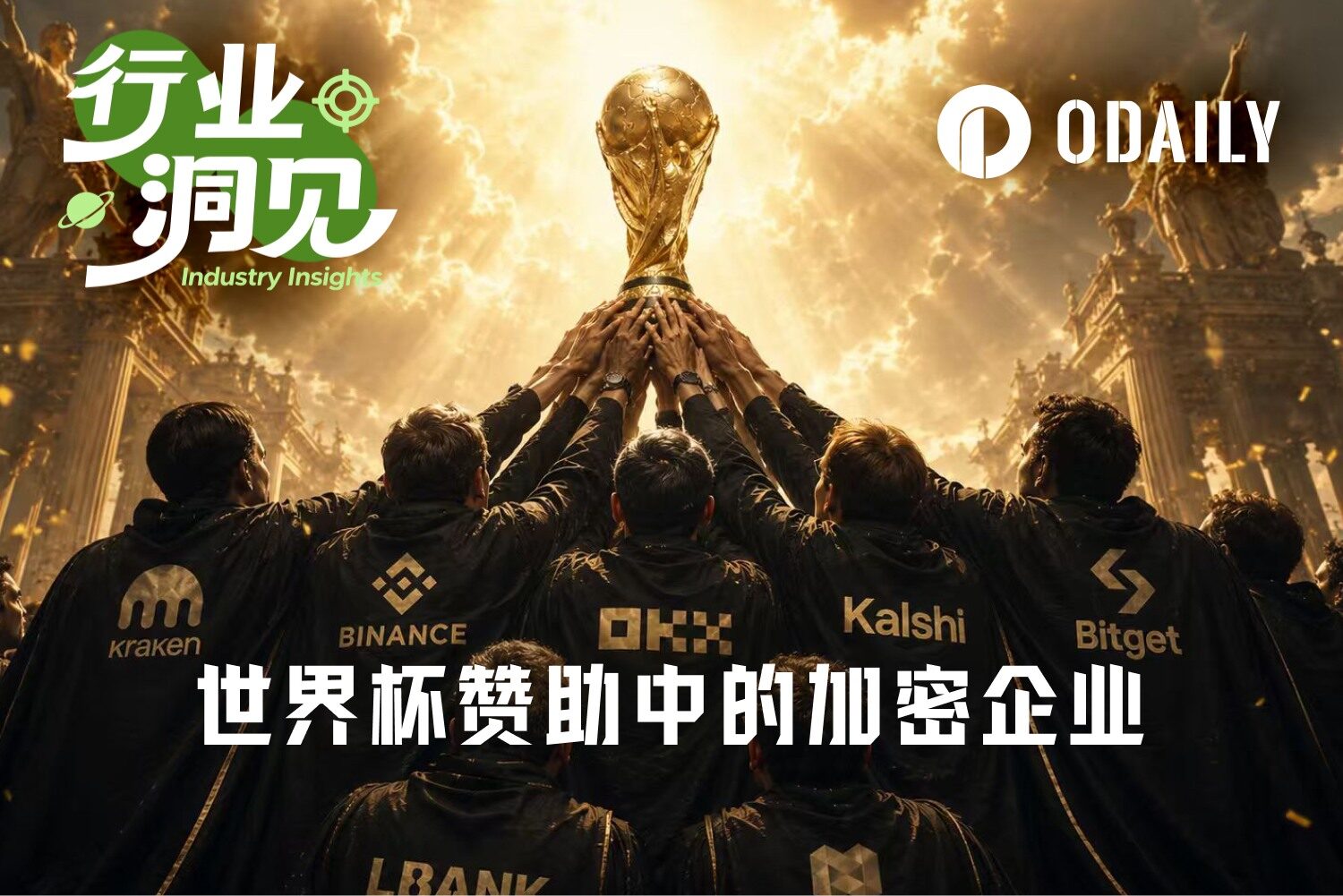
The 2026 FIFA World Cup remains one of the most valuable concentration points of global attention. According to estimates cited in the original report, FIFA is on track to generate a record amount of revenue from this tournament, with marketing and sponsorship contracts alone expected to contribute roughly $2.5 billion to $3 billion, compared with $1.8 billion in sponsorship revenue during the 2022 World Cup. For any company with international ambitions, that kind of audience aggregation is rare. Yet for crypto, the visible footprint inside FIFA’s official sponsor structure is dramatically smaller than it was four years ago.
At first glance, that decline might suggest that crypto companies have stepped away from football’s biggest stage. The reality is more nuanced. The sector has not abandoned the World Cup. Instead, it has changed where and how it spends. Rather than paying a premium for top-down FIFA branding, many crypto platforms are now focusing on clubs, national teams, star athletes, and lower-cost tactical placements that can still capture global fan attention. In other words, the industry’s sports marketing playbook has shifted from symbolic prestige to measurable return.
Official FIFA sponsorship now includes only one crypto exchange
FIFA’s sponsorship structure is divided into three tiers. The first includes long-term partners such as Lenovo, Coca-Cola, and Visa. The second consists of global sponsors specifically tied to the 2026 World Cup, including brands like Hisense, McDonald’s, and Mengniu. The third tier is made up of regional supporters and event suppliers, such as Airbnb and American Airlines.
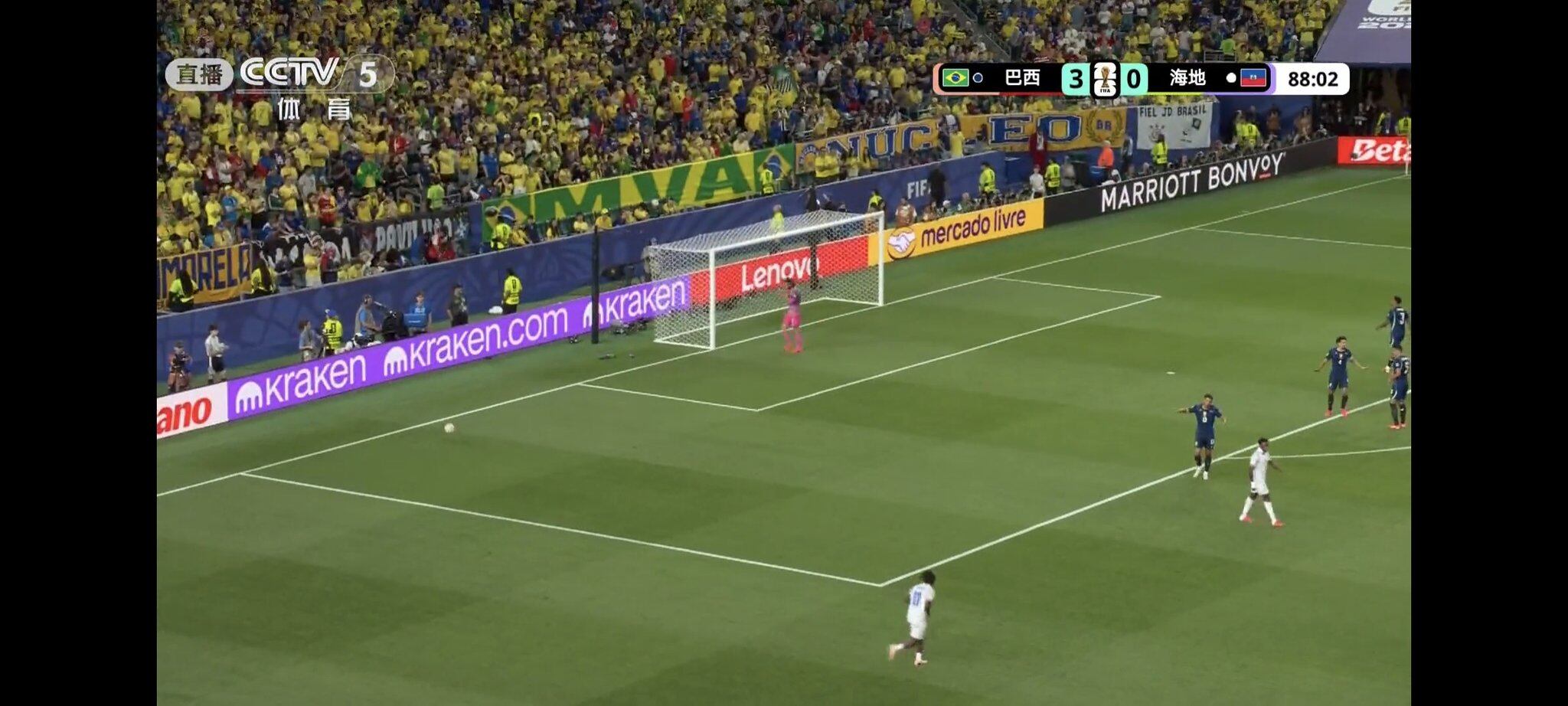
Within crypto, only Kraken appears in FIFA’s official sponsorship system this year. It entered as the official crypto exchange sponsor for North America and Europe, placing it in the third-tier event supplier category. That status gives Kraken more than just perimeter advertising around the pitch. It also includes fan-engagement activities across 16 host cities. While this is still a meaningful global branding package, it is a much smaller crypto presence than what audiences saw in 2022.
The contrast with the previous World Cup is notable. In 2022, Crypto.com secured a second-tier sponsorship and became the only crypto exchange sponsor in FIFA’s system. At the same time, Algorand was signed as the tournament’s official blockchain platform. Beyond FIFA itself, other crypto firms were also active at the club and player level, spending aggressively to secure football-related branding rights. By comparison, the 2026 cycle looks far more restrained.
The pricing of FIFA sponsorships helps explain why. According to the report, second-tier deals are typically valued at around $65 million to $95 million, while first-tier partnerships cost considerably more. For many crypto firms, that budget can now purchase elite exposure elsewhere in football, often with stronger audience targeting and more flexible execution. In a market environment where efficiency matters more than symbolism, the official FIFA badge has become harder to justify.
OKX chose Manchester City and Erling Haaland over top-level FIFA spend
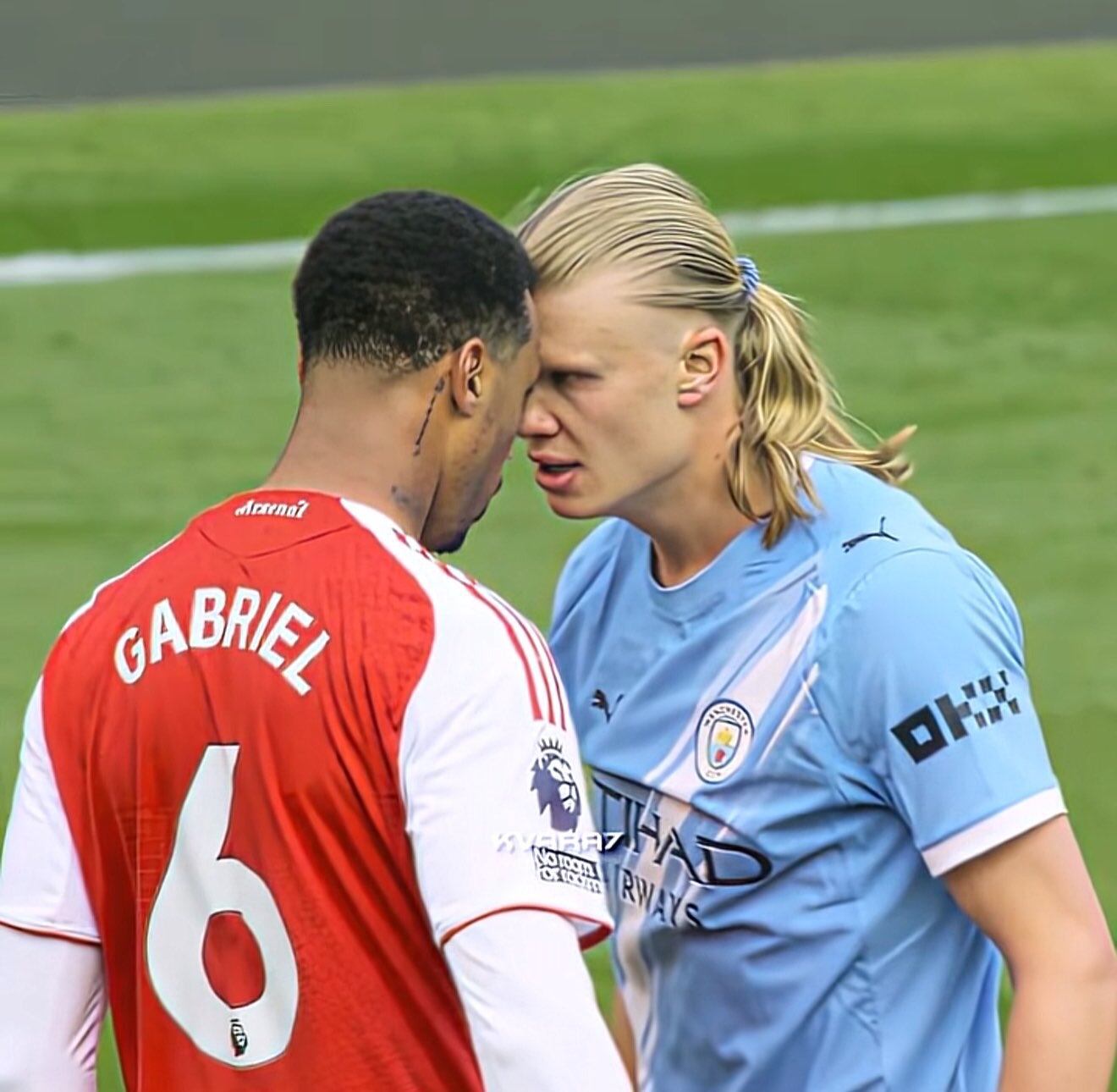
OKX is one of the clearest examples of this new allocation strategy. Rather than prioritizing expensive official tournament exposure, the exchange directed substantial resources toward Manchester City, one of the most successful and commercially powerful clubs in world football. The OKX-Manchester City relationship began in March 2022 and has since grown into one of the club’s most important sponsorship partnerships.
Today, OKX branding appears on the sleeve of Manchester City’s men’s and women’s first-team shirts. Earlier in the relationship, the company held a front-of-training-kit placement for both squads. According to reported figures referenced in the article, OKX paid the club more than $70 million over a three-year cooperation period. That scale of spending shows that crypto brands have not stopped investing in elite football assets; they are simply spending in places where they believe the brand and conversion value is higher.
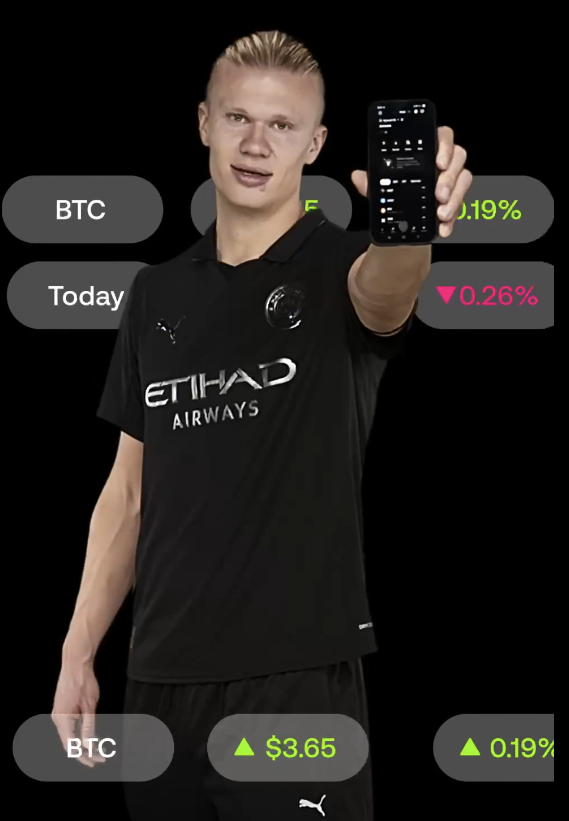
OKX also understood that a club partnership can be amplified through individual player appeal. Erling Haaland, as one of the most marketable footballers in the world, gives the brand access not only to matchday attention but to enormous off-pitch visibility as well. Haaland has regularly appeared in OKX marketing materials tied to its Web3 wallet, exchange products, and broader global campaigns. This matters because the modern sponsorship return is no longer limited to logos shown during a live match. It extends into social clips, short-form video, athlete interviews, commercial storytelling, and repeat online distribution across markets.
That is the deeper strategic point. A premium club partnership creates a persistent media asset that lives well beyond the tournament itself. Compared with a FIFA-only label, a club-and-player ecosystem offers more content flexibility and a longer window of relevance. OKX’s visibility around this World Cup cycle is largely the product of those pre-existing football investments rather than a late-stage rush into FIFA’s official sponsor system.
Binance remains tied to Cristiano Ronaldo, but stopped expanding aggressively in football
Binance pursued a more direct celebrity model by aligning itself with Cristiano Ronaldo. The partnership began in mid-2022 as a long-term exclusive agreement. Binance secured Ronaldo’s image rights and endorsement value, and the collaboration expanded into social media promotion and co-branded NFT campaigns. In November 2022, the company launched the CR7 NFT collection, built around seven animated Ronaldo character designs with multiple rarity levels.
That campaign later became a legal flashpoint. At the end of 2023, US investors filed a class-action lawsuit seeking $1 billion in damages from Ronaldo, alleging that his promotion of Binance NFTs misled investors. The case had not materially progressed at the time of the source report. Even so, the underlying commercial relationship between Binance and Ronaldo did not end. Ronaldo has continued to appear in Binance’s global marketing campaigns, branded videos, and promotional content, including media exposure ahead of this World Cup.
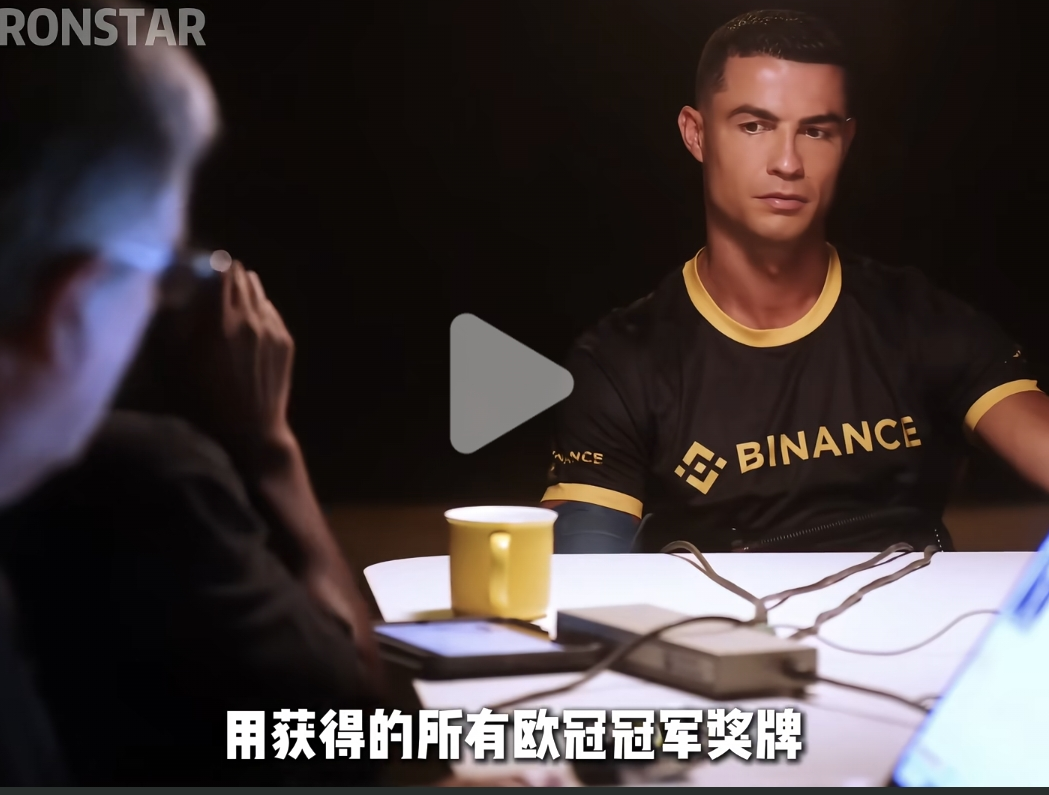
However, Binance has not been especially active in adding new football sponsorships in recent years. One important example is its former national-team partnership with the Argentine Football Association. Binance signed a five-year deal with the AFA in 2022, reportedly worth about $8 million per year. But on July 17, 2023, the company terminated the agreement, citing disputes related to product delivery. That breakdown may help explain why Binance has taken a more conservative stance on football expansion since then.
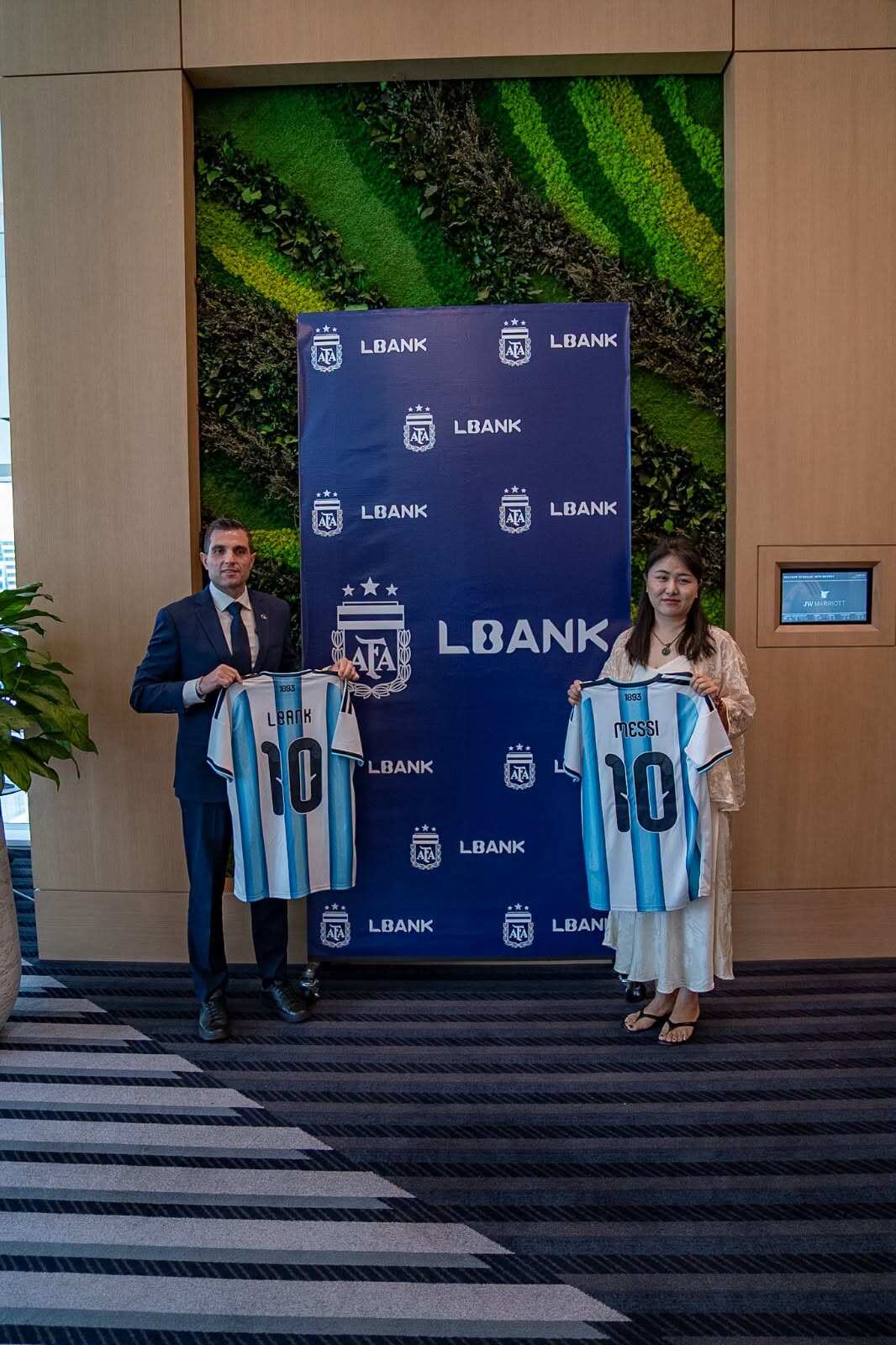
Interestingly, the collapse of Binance’s AFA deal did not reduce the association’s attractiveness to crypto sponsors. Quite the opposite: Argentina has become one of the most actively monetized national-team assets for crypto firms seeking fan engagement and regional conversion. The report lists several examples:
- Nexo signed a multi-year partnership on April 14, 2026, becoming the AFA’s official digital asset partner for South America and Latin America.
- BTCC signed a multi-year agreement on April 2, 2026, becoming an official regional partner.
- XBO.com signed a one-year agreement in 2025, becoming an official global sponsor for 2025, focused mainly on 2025 competitions and the 2026 World Cup preparation cycle.
- Deepcoin signed a multi-year deal in March 2026 as an official regional sponsor covering markets such as Vietnam and Taiwan in Asia.
- ATFX signed a multi-year regional sponsorship in January 2026.
This cluster of deals suggests that national-team partnerships are increasingly attractive to second-tier exchanges and crypto platforms that want efficient access to specific regional fan bases. Compared with FIFA sponsorships, those agreements may offer lower entry costs, tighter geographic targeting, and more controllable activation programs.
Bitget continues to benefit from Messi’s global brand power
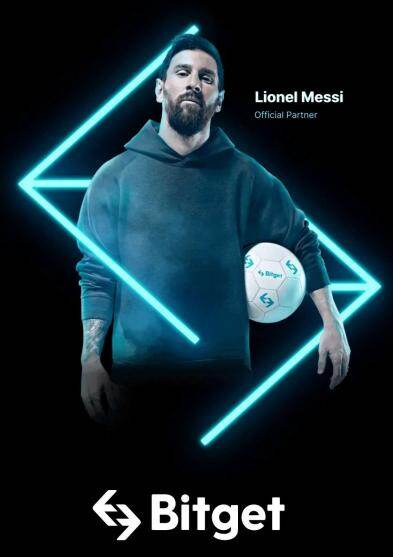
Bitget followed a strategy similar in structure to Binance’s celebrity-led approach, but built around Lionel Messi. In 2022, Bitget named Messi its global brand ambassador and integrated his No. 10 image into campaigns promoting the company and its then-priority product line, copy trading. The timing proved ideal. Messi went on to lead Argentina to victory at the 2022 World Cup, turning the partnership into one of the most successful branding moments in Bitget’s history.
The partnership remains active. Messi still appears in Bitget’s global advertising and branded video content. From a marketing perspective, a single superstar can deliver enormous cross-border recognition and help unify campaigns across regions. That said, the article also highlights a limitation of this model: unlike a sleeve sponsor or a training-kit sponsor, a celebrity endorsement does not place the brand logo directly inside live match footage. The value is more narrative and associative than in-stadium and real-time.
That distinction matters for exchanges calibrating how to spend large marketing budgets. A team or match-level sponsorship generates recurring visual impressions during the event itself. A player-ambassador strategy, by contrast, is often stronger for brand storytelling, prestige transfer, and digital media distribution. Bitget’s continued use of Messi shows that there is still substantial value in athlete-led branding, but it serves a different purpose than hard in-game signage.
Kalshi found a cheaper route into the World Cup broadcast environment
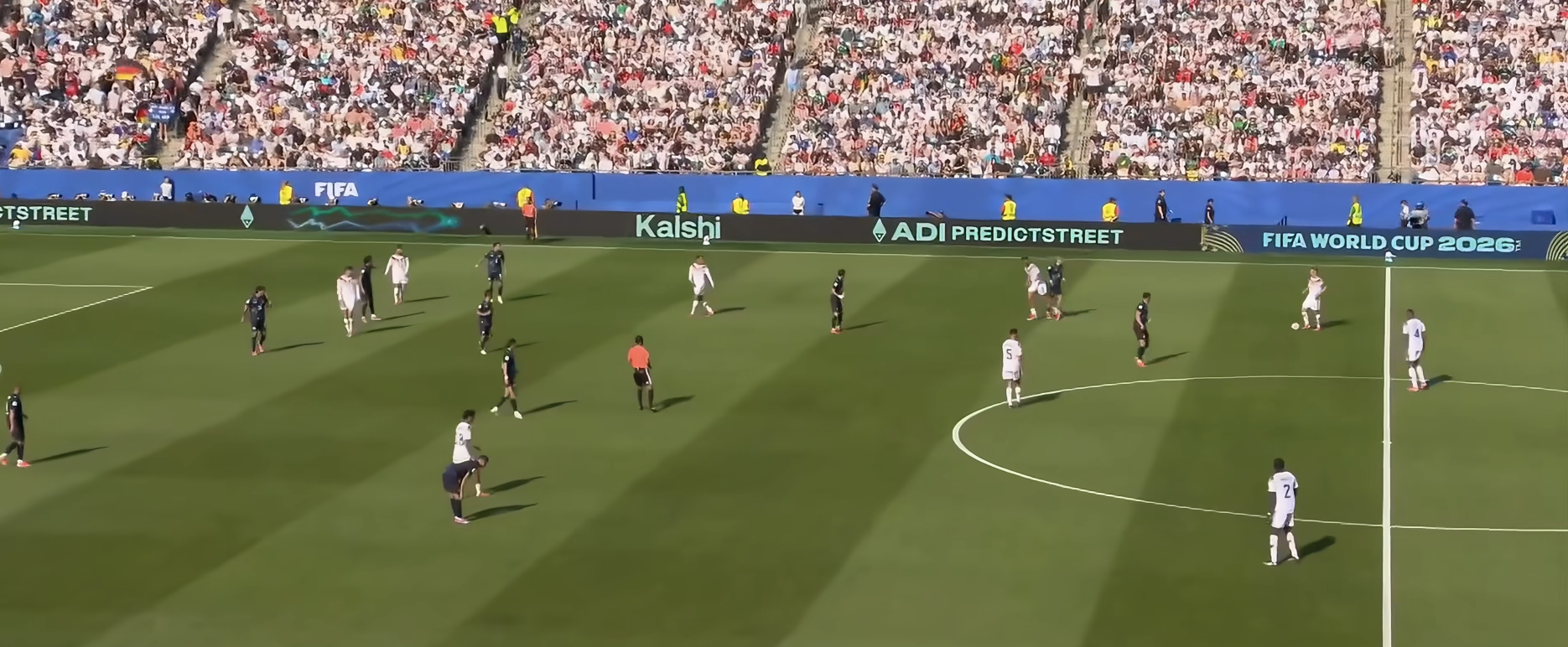
One of the most interesting sponsorship stories from the tournament involves the prediction market platform Kalshi. Viewers noticed the Kalshi name on perimeter advertising boards around the pitch, which stood out because prediction markets see the World Cup as a rare and highly concentrated commercial opportunity. Yet Kalshi was not part of FIFA’s official sponsor system. According to the report, it even declined a FIFA sponsorship proposal priced at approximately $150 million.
Instead, Kalshi entered through a partnership with ADI Predictstreet, which became FIFA’s only official World Cup prediction market partner on April 2, 2026. Then, on June 26, Kalshi announced a strategic branding and product collaboration with ADI Predictstreet. Once the tournament reached the knockout stage, the two companies shared advertising placements and pursued co-branded promotion across stadium inventory, television exposure, and digital channels.
That arrangement is what enabled Kalshi to appear alongside ADI Predictstreet on pitch-side advertising boards. The report says Kalshi paid roughly $20 million to ADI Predictstreet for this side-by-side visibility during matches. Compared with the reported $150 million FIFA ask, the economics are striking. Kalshi effectively engineered a backdoor entry into one of the most visible ad environments in global sport at a fraction of the direct sponsorship cost.
From a crypto and prediction-market perspective, this may be one of the best illustrations of the industry’s new marketing mindset. The objective is no longer simply to own the biggest headline. It is to secure exposure in ways that are cheaper, faster to activate, and more tightly aligned with actual business outcomes.
Crypto sports marketing is now being judged by ROI, not just prestige
The broader backdrop is the industry cycle itself. Around 2022, crypto still had the momentum of the prior bull market behind it. Bitcoin reached its all-time high in November 2021, and the mass-adoption narrative was still driving expansive brand ambitions. In that environment, sports sponsorships looked like a natural channel for legitimacy and mainstream reach. Capital flowed into football, Formula 1, stadium naming rights, celebrity endorsements, and every form of high-visibility partnership.
By 2026, the conditions were very different. Market confidence had weakened, risk tolerance had fallen, and management teams became more selective about budget deployment. That helps explain why many of the football sponsorships still visible today were actually signed during the 2022 cycle and then carried forward, rather than being newly created in this World Cup year.
The source report also points to a parallel example outside football. In April this year, Bybit CEO Ben explained publicly why the company chose not to renew its Red Bull Formula 1 sponsorship. He said the commercial value of F1 sponsorship had been declining while the cost of activating all sponsorship rights kept rising. In his view, even maintaining the execution team behind the sponsorship could cost far more than the rights fee itself. He also noted that sponsor guest lists tended to become fixed over time and increasingly shaped by relationship politics, creating expectations that were not always productive for the business.
Those comments mirror the challenges crypto companies now face with World Cup sponsorships. The issue is not whether football still matters. It obviously does. The issue is whether paying nine-figure sums for official event branding remains the best use of capital. For companies that now prioritize ROI, the answer increasingly appears to be no. A championship-level club, a superstar athlete, a targeted national-team deal, or even a cleverly negotiated perimeter ad placement may offer stronger returns at much lower cost.
That is the central conclusion of this World Cup cycle. Crypto has not exited elite football marketing. It has become more disciplined. The sector’s sponsorship strategy has moved away from pure displays of financial muscle and toward more fragmented, lower-profile, and more efficient partnerships. The World Cup is still the same global traffic arena. The difference is that crypto firms now want each dollar spent there to work much harder.