
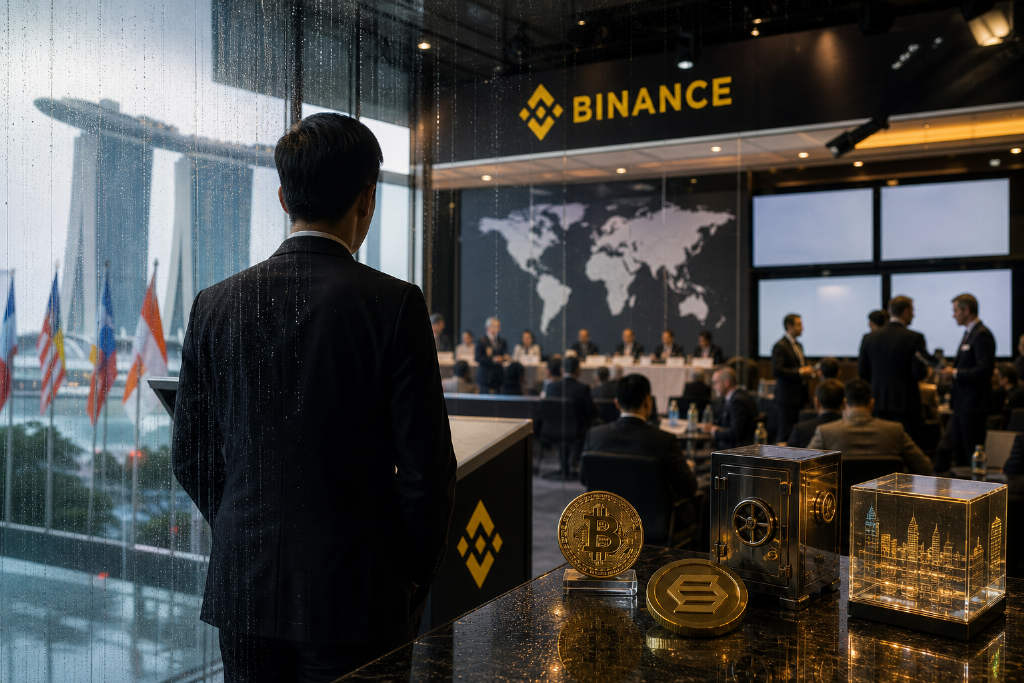
Binance founder Changpeng Zhao, or CZ, said at the Bitcoin Asia 2026 conference on Aug. 27 that global progress toward crypto compliance and adoption is still hard to achieve, but it is moving forward.
CZ said many countries still do not have crypto regulatory frameworks in place, adding that only a small number have established such rules. In his view, there are people inside governments who understand Bitcoin, but they may still represent a minority.
He also said many governments are run by older generations, who tend to adopt new technologies more slowly. Those groups also consume more traditional news, he said, and traditional media is often more negative toward cryptocurrencies, which can shape a more negative mindset.
Even so, CZ said he has felt a shift. He said leaders and politicians in many parts of the world are changing their views, and that no one denies crypto is a new technology or that adoption is needed. At the same time, he said some people still hold biases, though more people are now explaining to them that the facts are different.
Focus has expanded from exchanges to stablecoins
On current policy priorities, CZ said many people are focused on centralized exchanges, which he described as a major topic over the past few years and last year in particular. He said many countries are also paying attention to stablecoins.
He called that a good thing, adding that the United States lacks clarity in this area, which has led to significant debate and attention.
Crypto reserves and onchain national currencies are part of the discussion
CZ said many countries have not created crypto reserves, and that he usually advises them to build such reserves because, in his view, that is generally better and very important for a country’s long-term development.
He also said many countries have not issued their own stablecoins. In his words, national currencies need to be put on blockchain networks so countries can capture liquidity in their own currencies and also promote that liquidity onchain.
Tokenized assets are gaining attention
Beyond stocks and traditional financial instruments, CZ said many countries are considering tokenized assets, including rare earths, real estate, cultural artworks, and intellectual property.
He said many countries are very interested in tokenization because they see it as a way to attract capital into the country, or to let buyers outside the country purchase those assets. According to CZ, discussions of that kind are happening widely.